Chinese Language Courses in Jianshui
Intensive One-on-One Chinese Classes


Intensive One-on-One Chinese Classes
- Personal study plans
- Best teachers and private lessons
- Full immersion experience
- Full services (study + single room accommodation)
- Start on any Monday
HSK Test Preparation Course


HSK Test Preparation Course
- Start anytime
- HSK experts with years of experience
- Get test scores improved significantly
- Intensive one-on-one Chinese class
- Full services (study + single room accommodation)
Chinese Language Course + Tour in China

Chinese Language Course + Tour in China
- Private one-on-one Chinese lessons
- Full services (study + accommodation)
- Excursions and tours with your teacher
- Travel to Dali, Lijiang, Shangri-la, Beijing, Xi'an, Guilin, Shanghai, Zhangjiajie, etc.
Learn Chinese Online

Learn Chinese Online
- Live 1-on-1 online Chinese lessons
- Learn Chinese online anytime
- Study Mandarin anywhere
- Professional Chinese teachers
- Personal study plans


Intensive One-on-one Chinese Course
You can choose to study Chinese in Jianshui for 4 hours per day (20 hours/week) or 6 hours per day (30 hours/week). If you want to learn Chinese in China, the intensive one-on-one course is the fastest way to improve your Chinese.
We use unique teaching methods developed by Keats. Your Chinese teacher(s) will prepare your lessons according to your level of Chinese and your learning goals to ensure that you learn the most Chinese in the shortest possible time.
Accommodation is included.

Accommodation in Jianshui
- The Keats campus is located in the center of the Jianshui ancient town
- Single/Double room accommodation with private bathroom
- Clean, safe and comfortable
- Room cleaning service every day
- Stay in Jianshui, where traditional charm meets modern comfort amidst China’s captivating historical landscape
Accommodation in Jianshui
Experience the harmony of ancient culture and natural beauty, where history comes alive in well-preserved architecture, and life unfolds at a leisurely pace amidst the picturesque landscapes of Jianshui.


Why learn Chinese in Jianshui?
There are many reasons why you should learn the Chinese language in China, especially in Jianshui town.
Jianshui is an ancient town with rich historical connotations, and there are traces of the passage of time everywhere. Jianshui was built in Tang Dynasty (around 810). Compared with the outside world, Jianshui is simpler. Except for the big festivals, you will rarely see tourists while walking in the ancient city. There are only local people wandering around. Therefore, it is very different from Dali and Lijiang, which attracts many tourists.
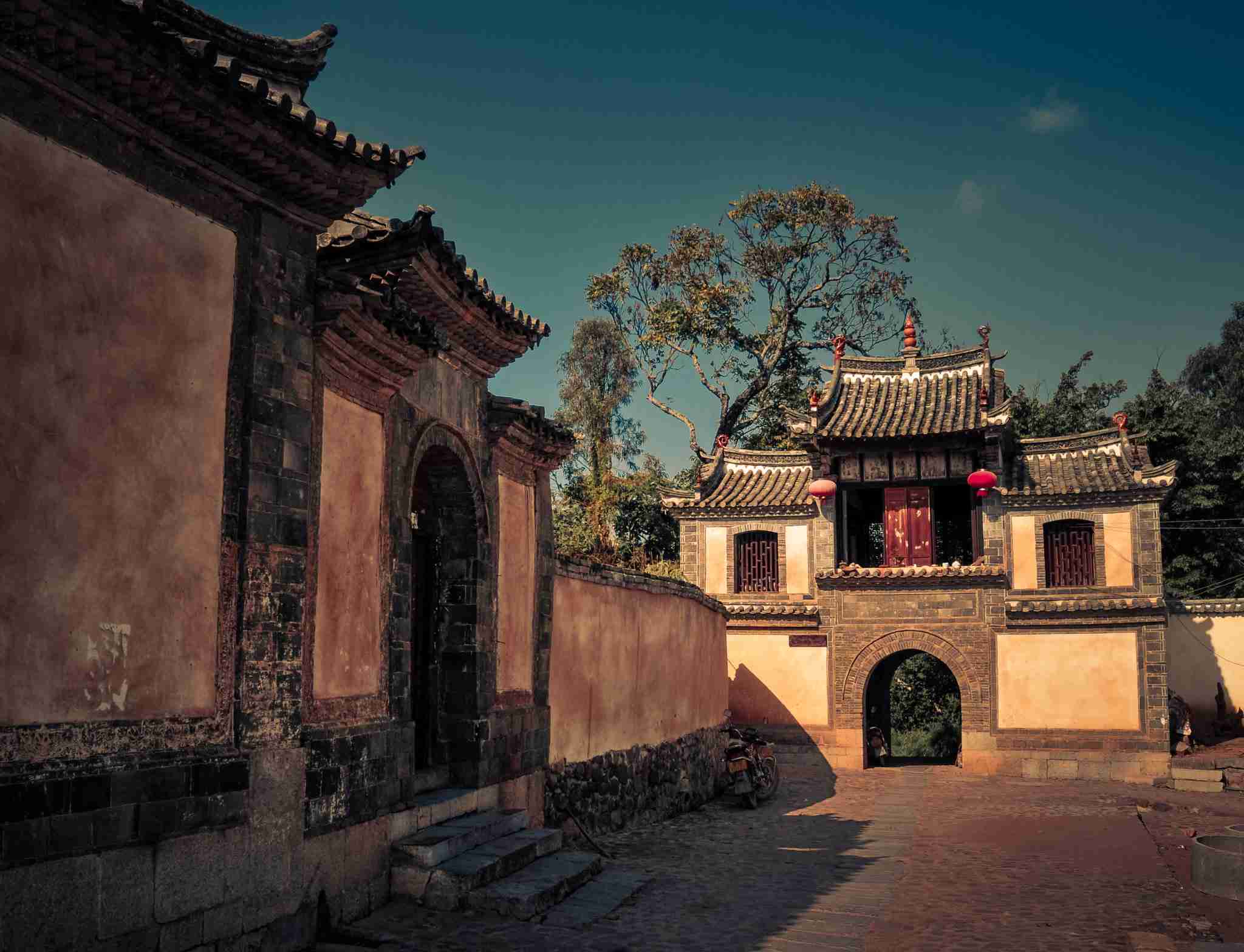
After 12 centuries of construction, Jianshui has preserved more than 50 ancient buildings and is known as the “Museum of Ancient Architecture” and “Museum of Folks Houses.”

Sightseeing After Class with Your Teacher
- The best thing about studying in Jianshui is that your teacher will accompany you to do sightseeing every day after class, to create a pure Chinese language environment for you. Your teacher will practice Chinese with you in real-life situations. Studying Chinese in Jianshui not only focuses on the Chinese language but also offers a chance to explore the local culture with your teacher.
- Note: The entrance ticket and transportation fee (if there is any) for sightseeing after class are not included in the tuition fee.

Full Immersion in Chinese
- If you prefer to have an all-Chinese learning environment and not speak any English, Jianshui is for you. Please don’t be surprised if you are the only student in Jianshui or if you barely see any international visitors.
- If you prefer a big and vivid international student community or expect a school community experience, please choose to learn Chinese in Kunming at the Kunming campus.
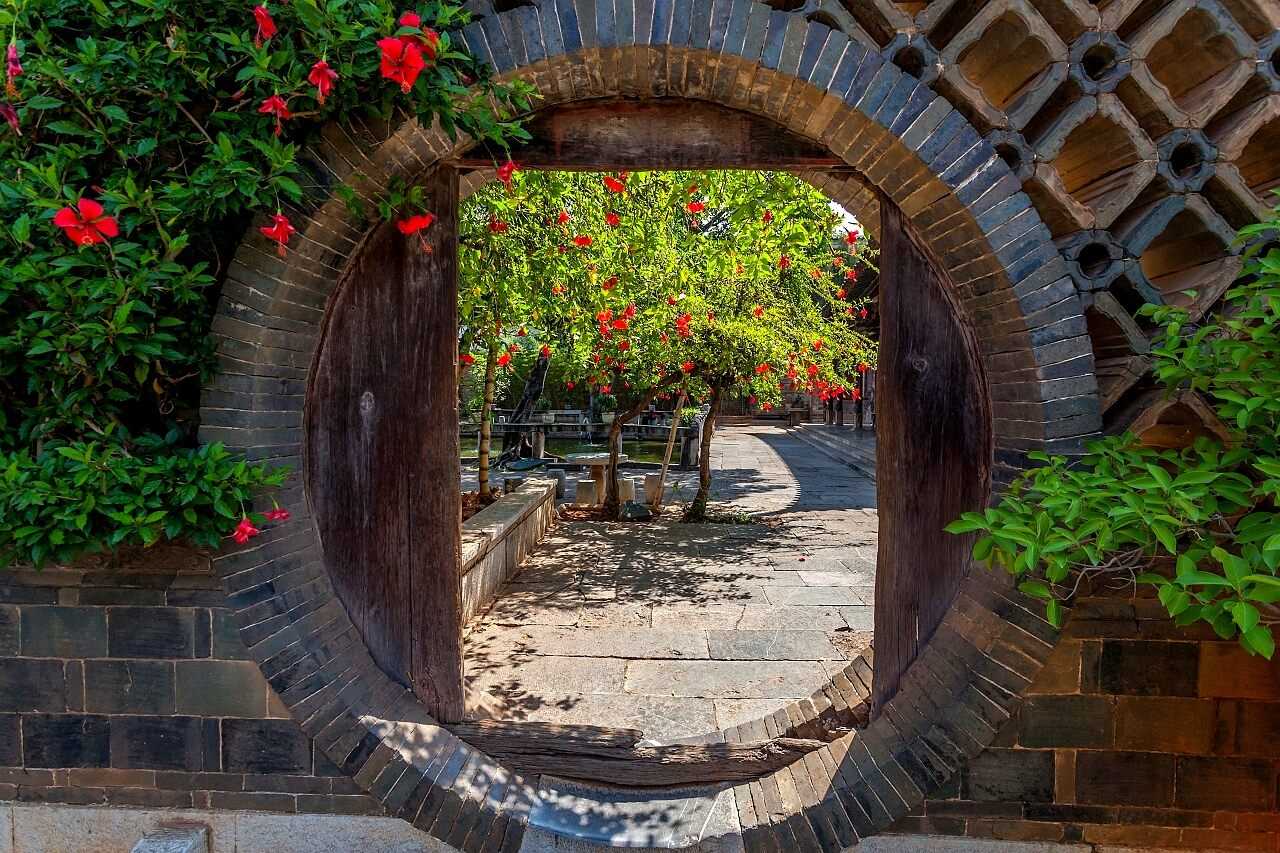
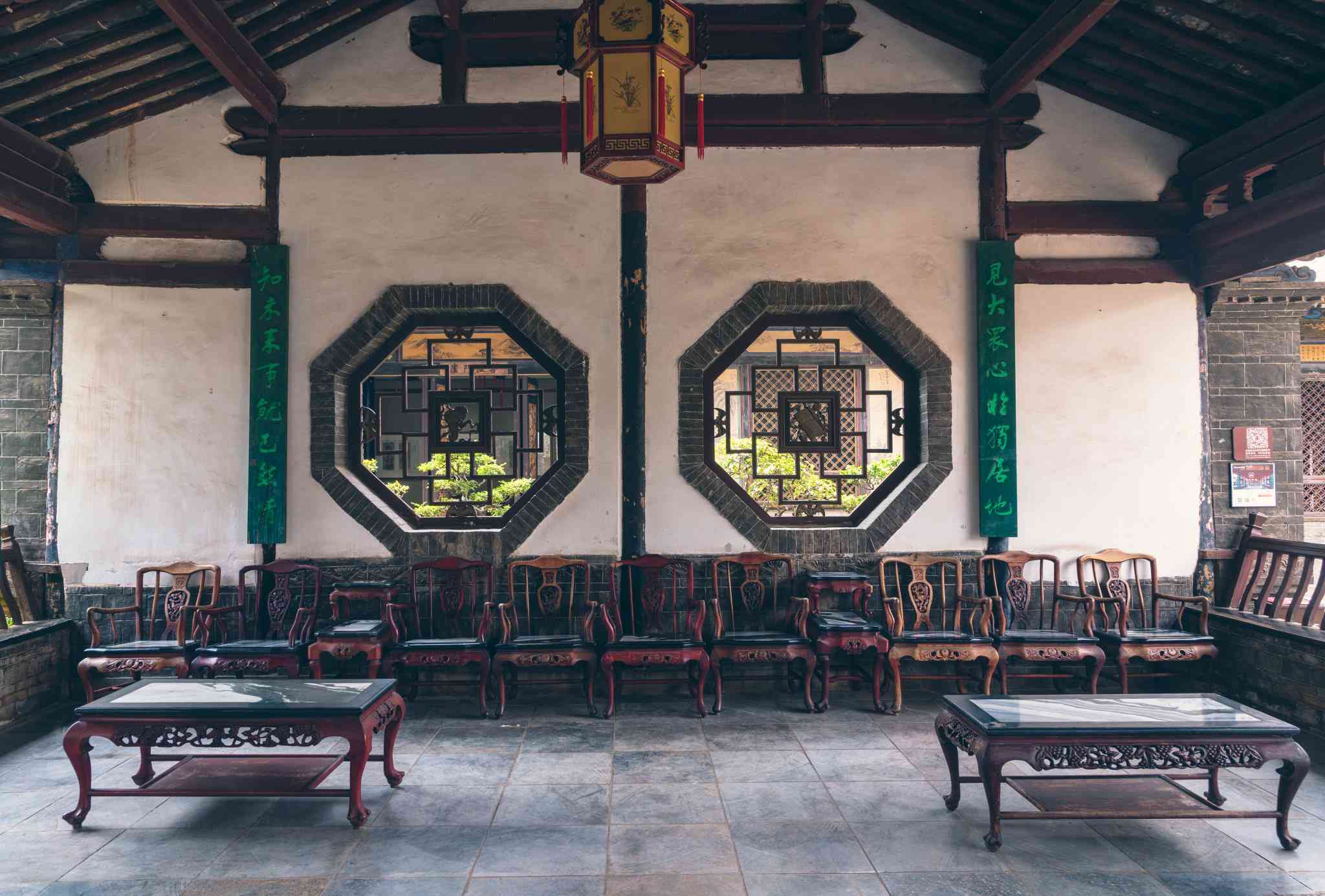
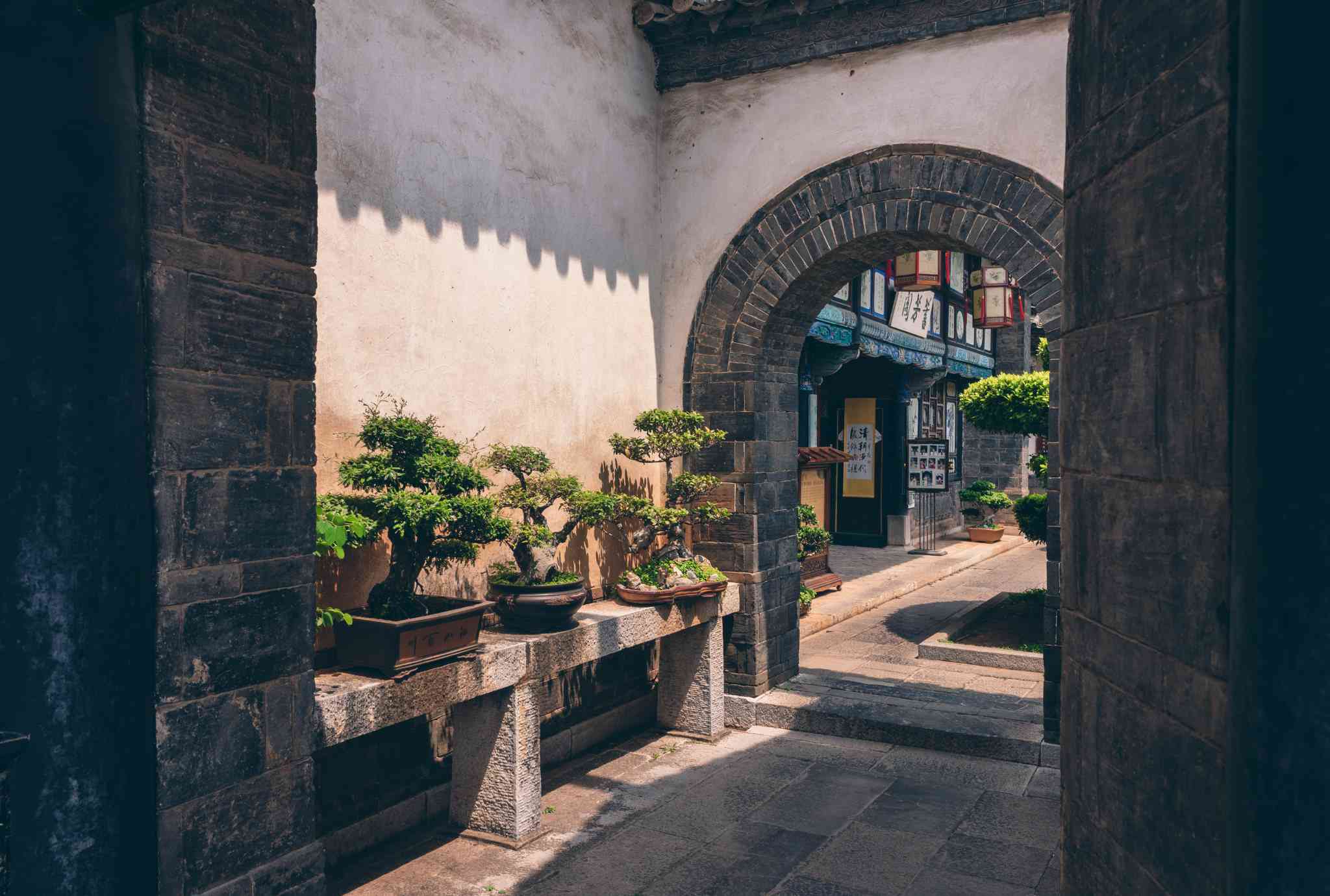
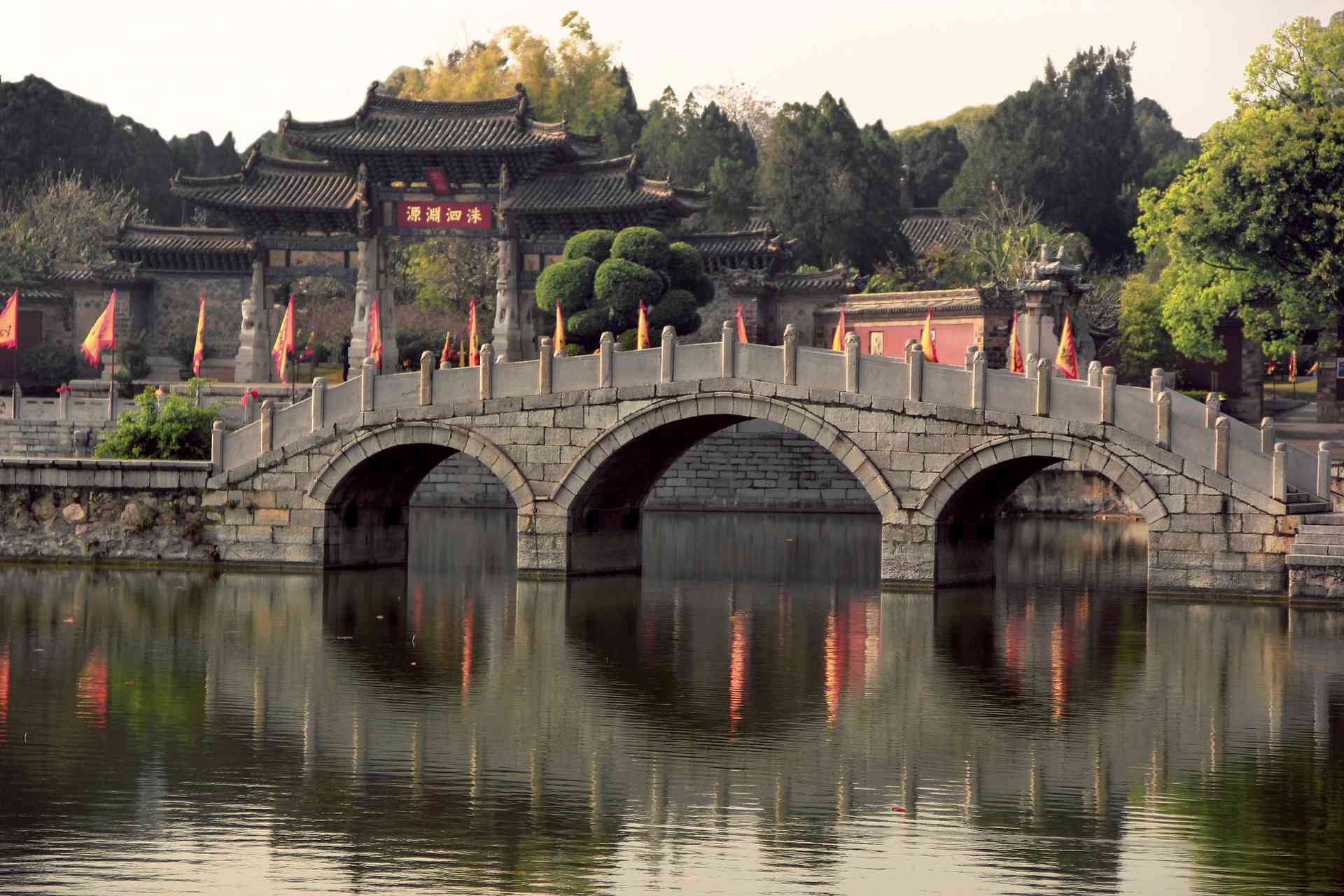
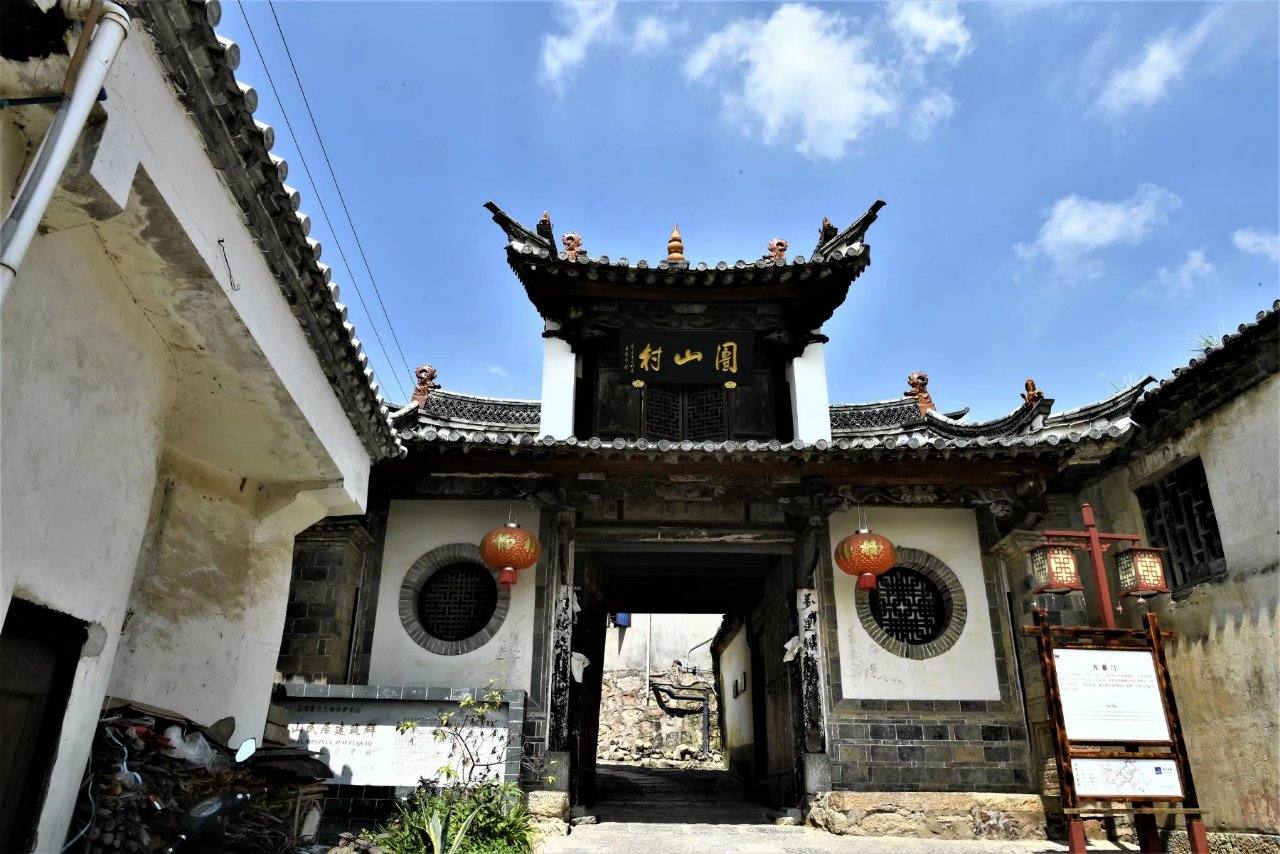
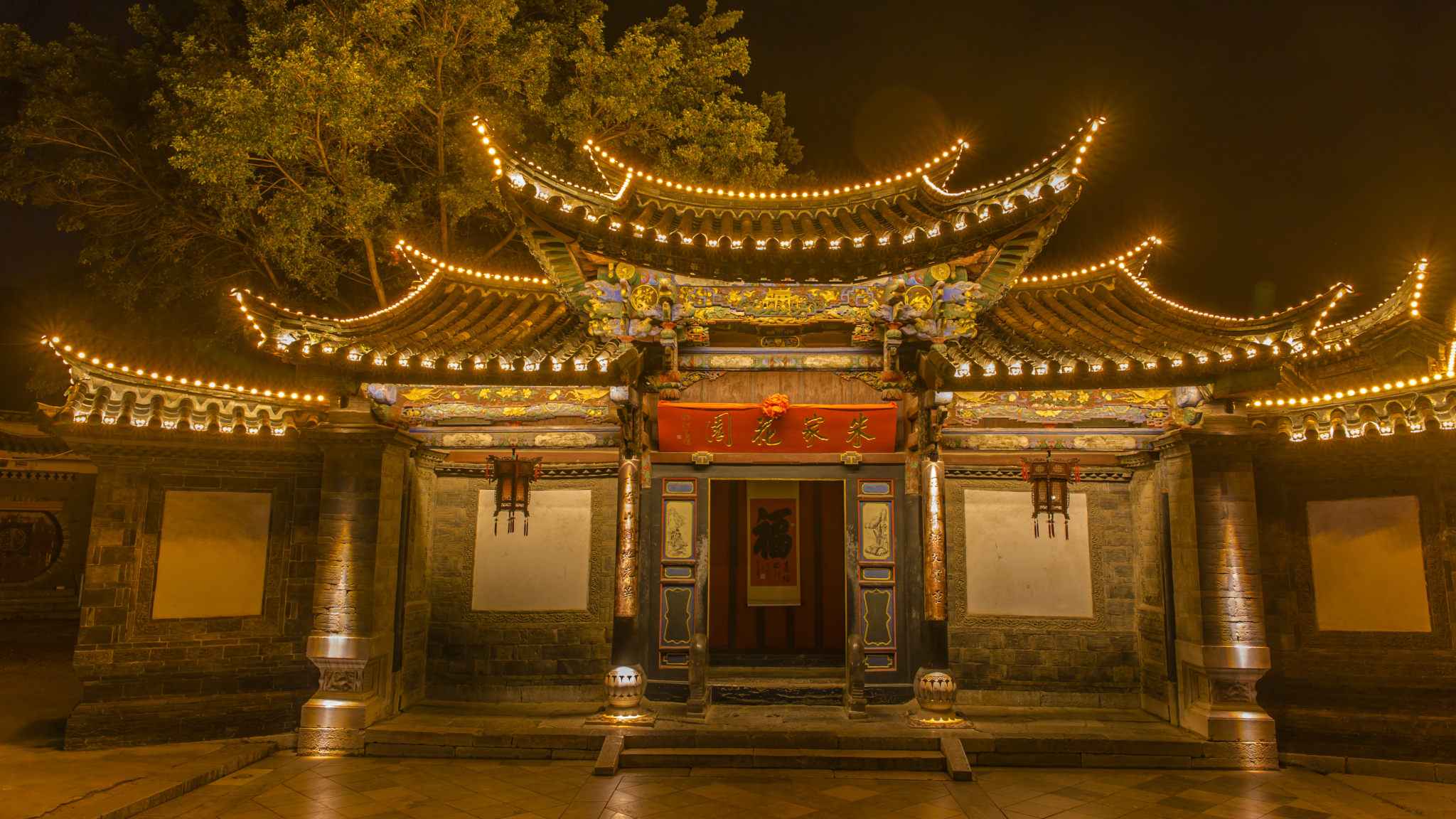
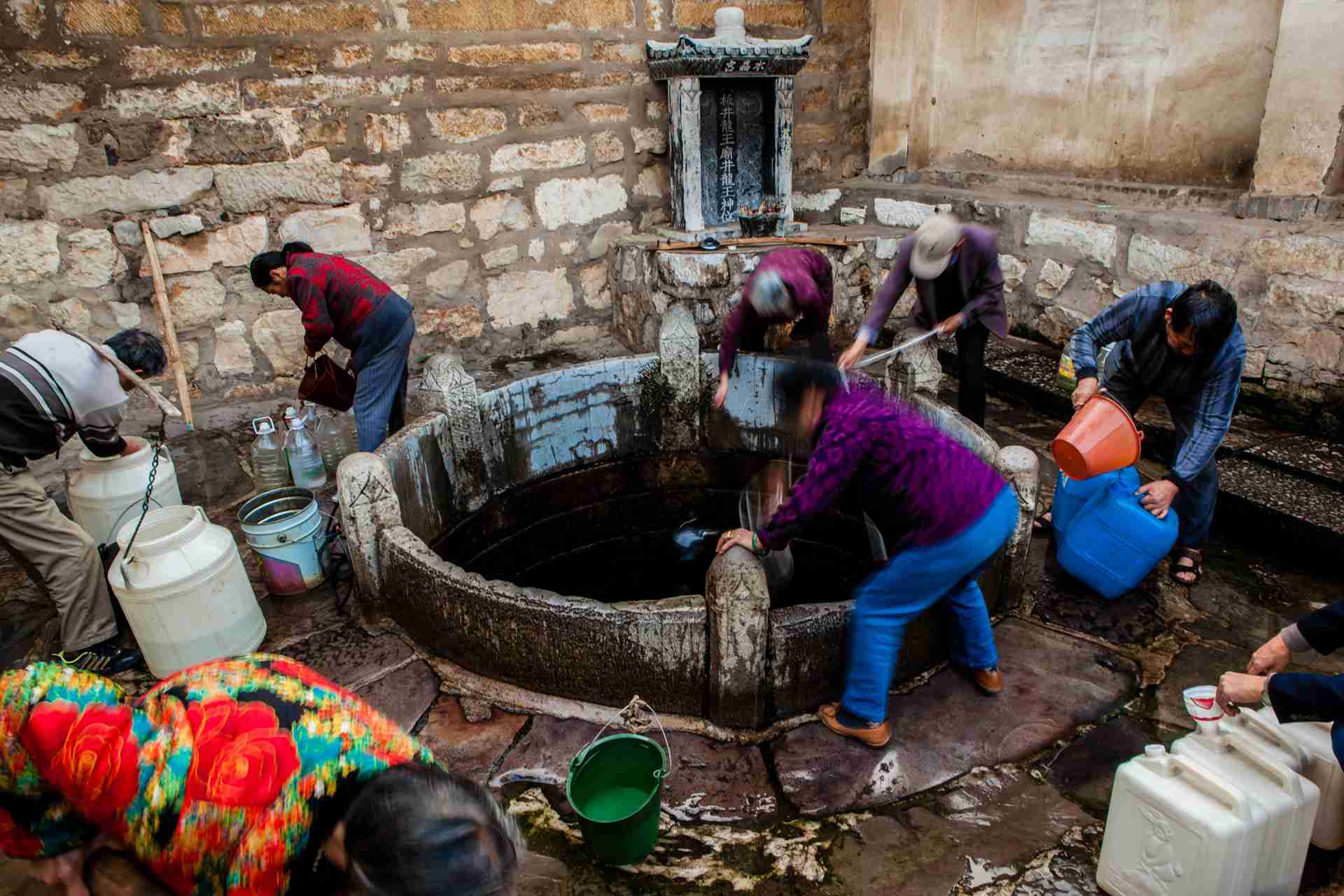
Beautiful Jianshui
Jianshui: a journey into China's timeless heritage and natural splendor.













How to Get to Jianshui?
Different types of transportation can be chosen when traveling to Jianshui town to learn Chinese. Jianshui County is located in the Honghe Hani and Yi Autonomous Prefecture of Yunnan province. It is approximately 129 miles south of the provincial capital of Kunming.
The easiest way to get to Jianshui is to take the high-speed train from Kunming to Jianshui. It only takes about 2 hours to get there, and the Jianshui train station is quite close to the Jianshui ancient town.
We offer train station pick-up and drop-off for free.

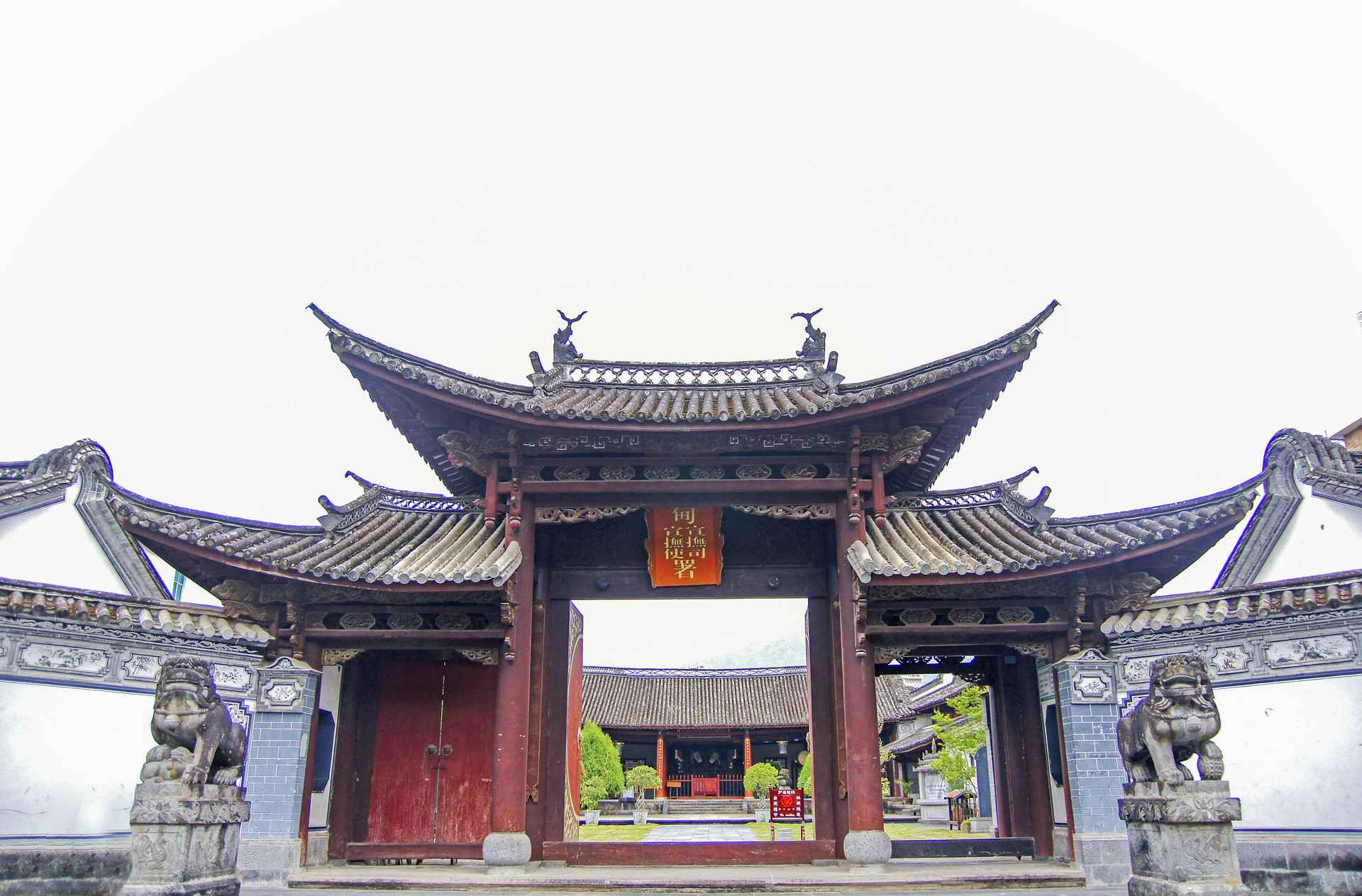
Places to Visit in Jianshui – Chaoyang Gate 朝阳楼
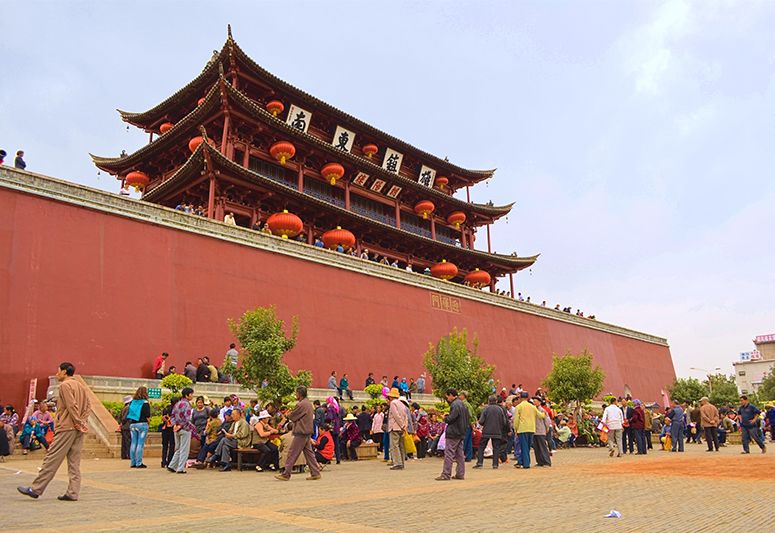
Chaoyang Gate was built in the Ming Dynasty and had a history of more than 600 years. It is one of the main symbols of the long history of Jianshui. It is a symbol of Jianshui as an important border town in China.
The ancient city of Jianshui has four gates: Yinghui Gate in the east, Fu’an Gate in the south, Qingyuan Gate in the west, and Yongzhen Gate in the north.
At the end of the Ming Dynasty, the three gates in the north, south, and west were all destroyed by war, and only the east gate remained the current Chaoyang Gate.

Places to Visit in Jianshui – Zhu Family’s Garden
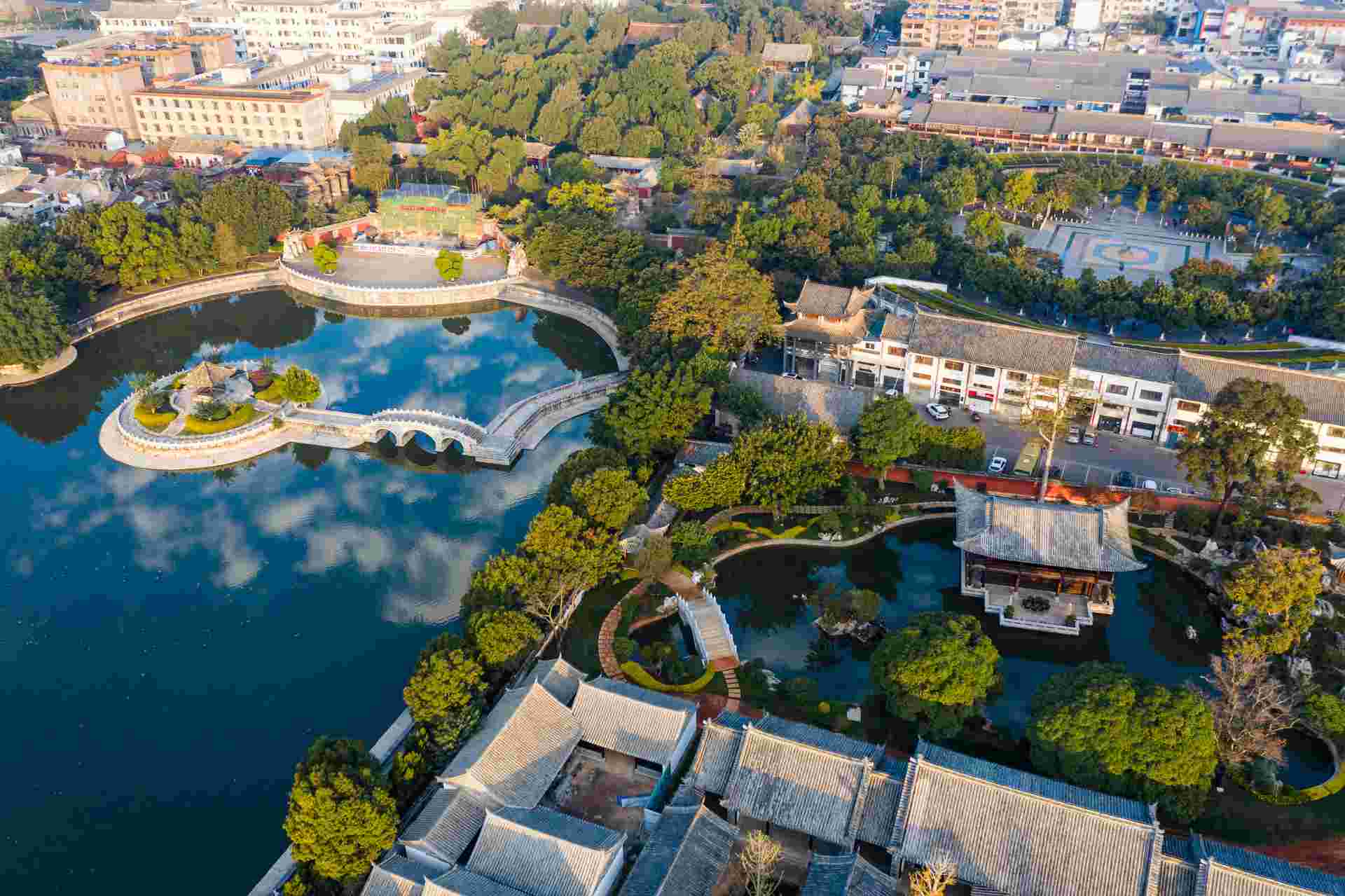
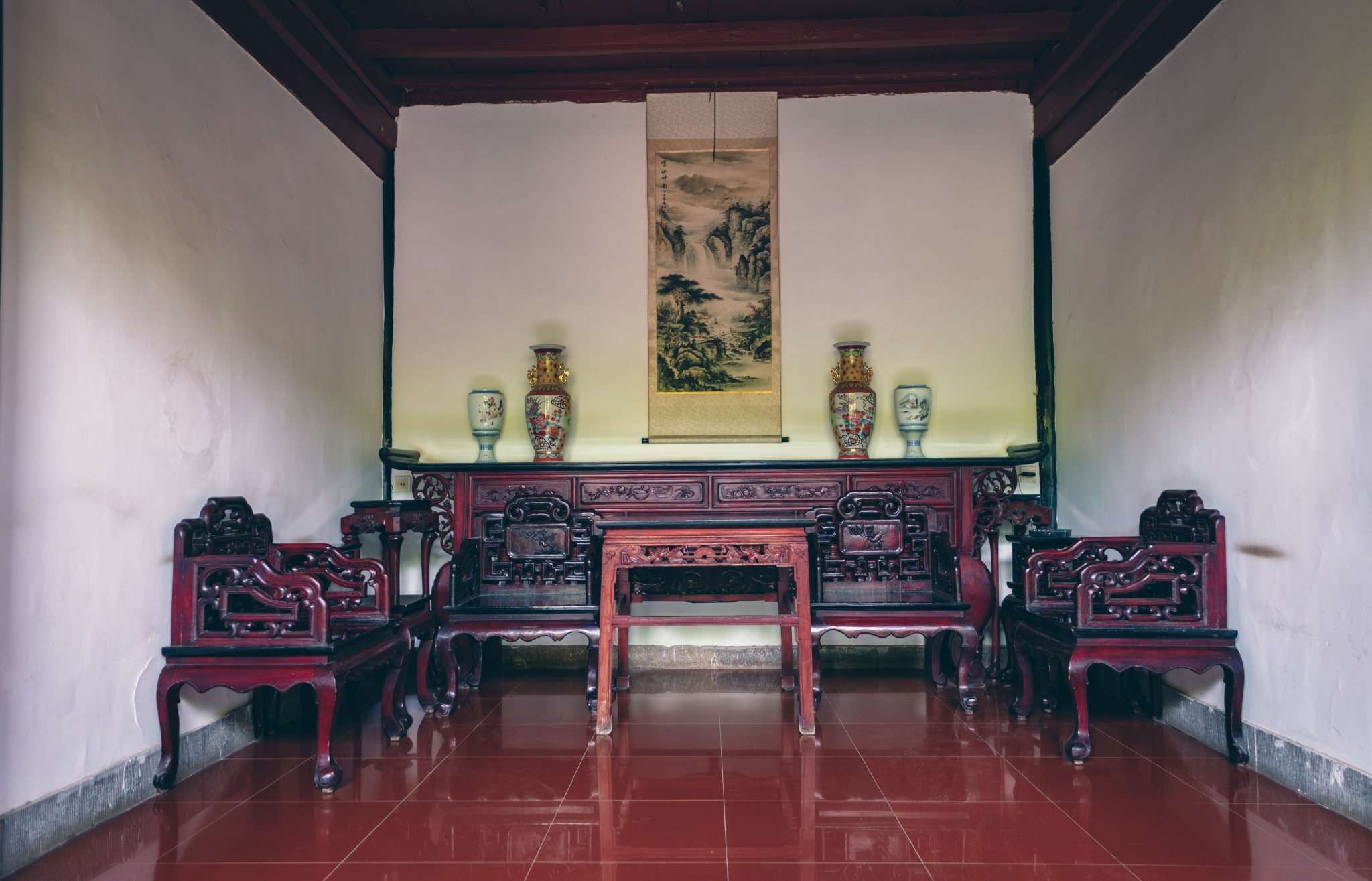
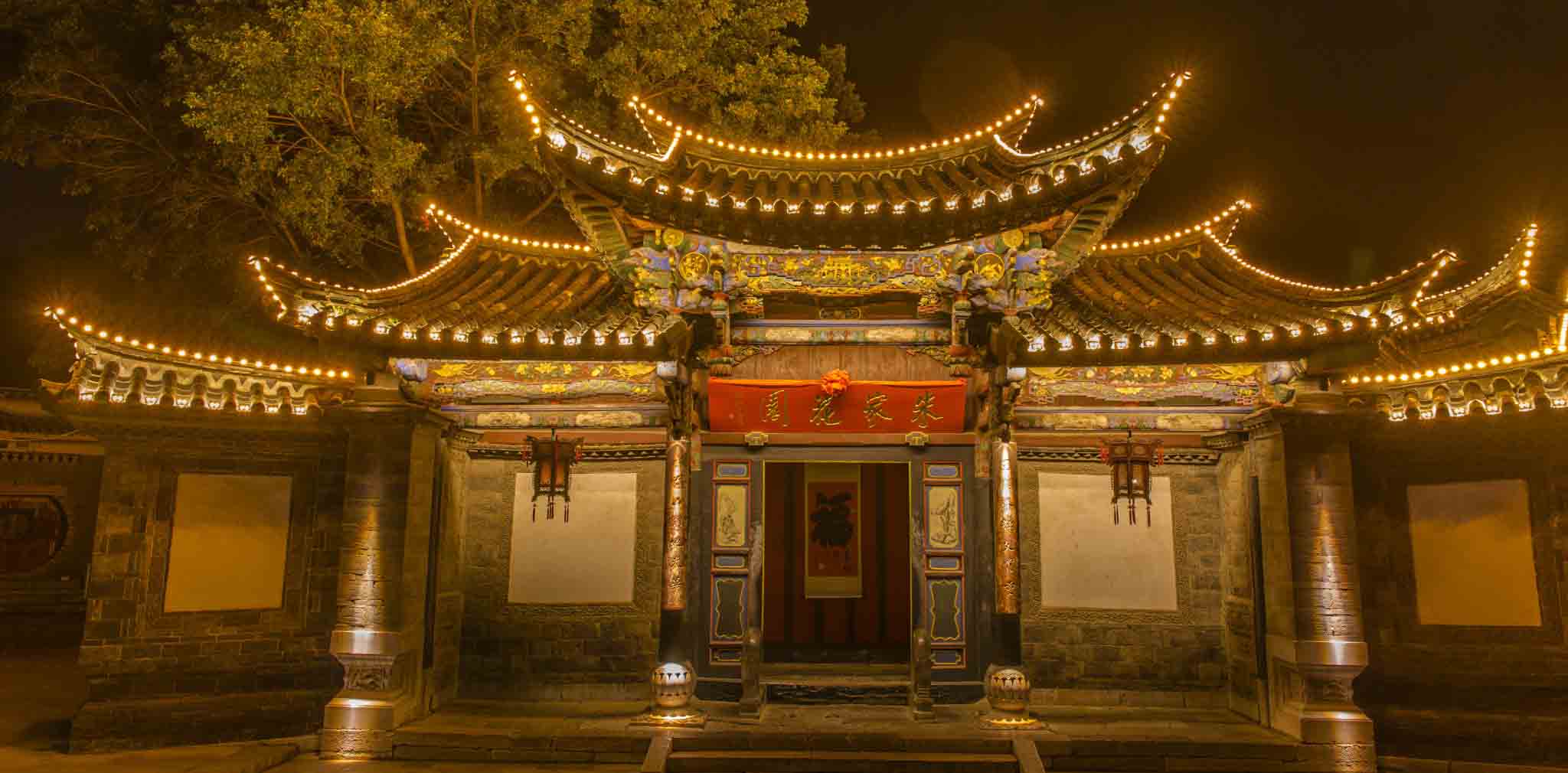
Jianshui Zhu Family’s Garden is located in the middle section of Jianxin Street in the ancient city of Jianshui County. It is a family house and ancestral hall built by brothers Zhu Weiqing, a squire in the late Qing Dynasty. The Zhu Family’s Garden covers more than 20,000 square meters, a construction area of more than 5,000 square meters.
Zhu Family’s Garden is a precious architectural, historical and cultural heritage of Jianshui. It is a product of the combination of the architectural art of the Han people and the architectural art of local ethnic minorities.

Places to Visit in Jianshui – Double-Dragon Bridge
The Double-Dragon Bridge (Shuanglong Bridge) was initially built during the Emperor Qianlong period of the Qing Dynasty and is commonly known as the Seventeen Wholes Bridge. It is located 3 miles west of Jianshui County, where the Lushui River meets the Tachong River. It is named after the two rivers winding like double dragons. The so-called “Double Dragons” means that there are two rivers, Tachong River and Lujiang River, with a bridge to lock “Double Dragons.”

Places to Visit in Jianshui – Tuanshan Folk House
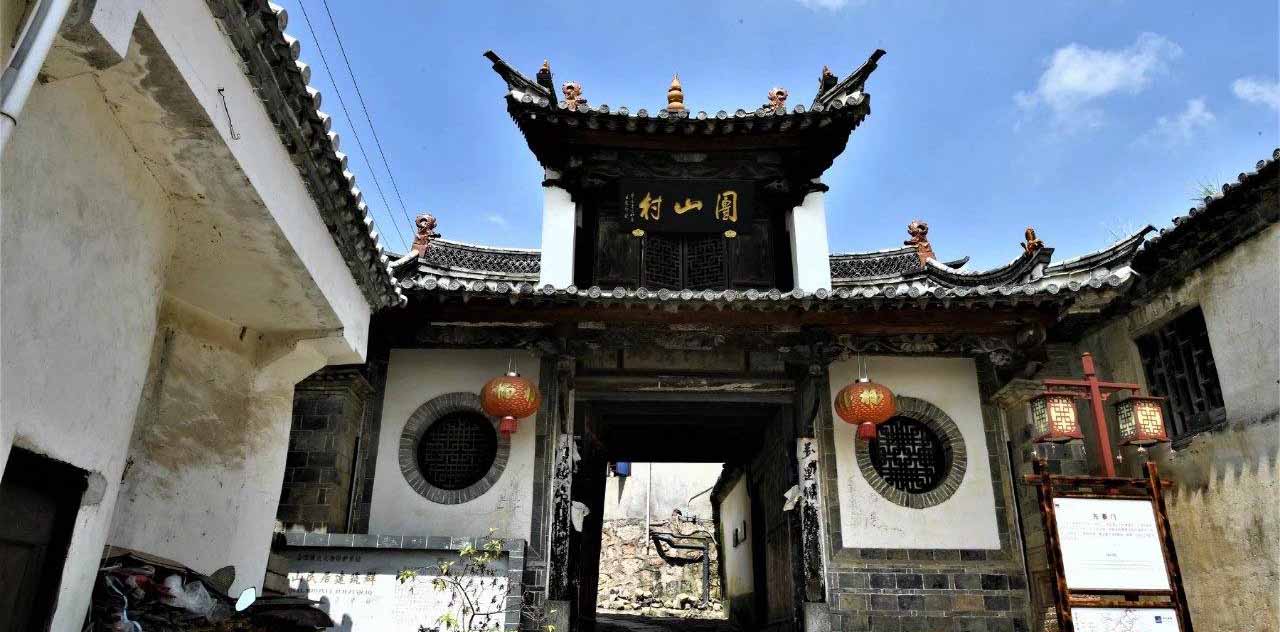
“Tuanshan” is the Yi group language, which means “a place where there is gold and silver.” Jianshui Tuanshan folk house was the residence of Yi people in history. There is a large-scale, well-preserved Han folk house in this quiet small village after 600 years of wind and rain, which is rare in remote minority areas.
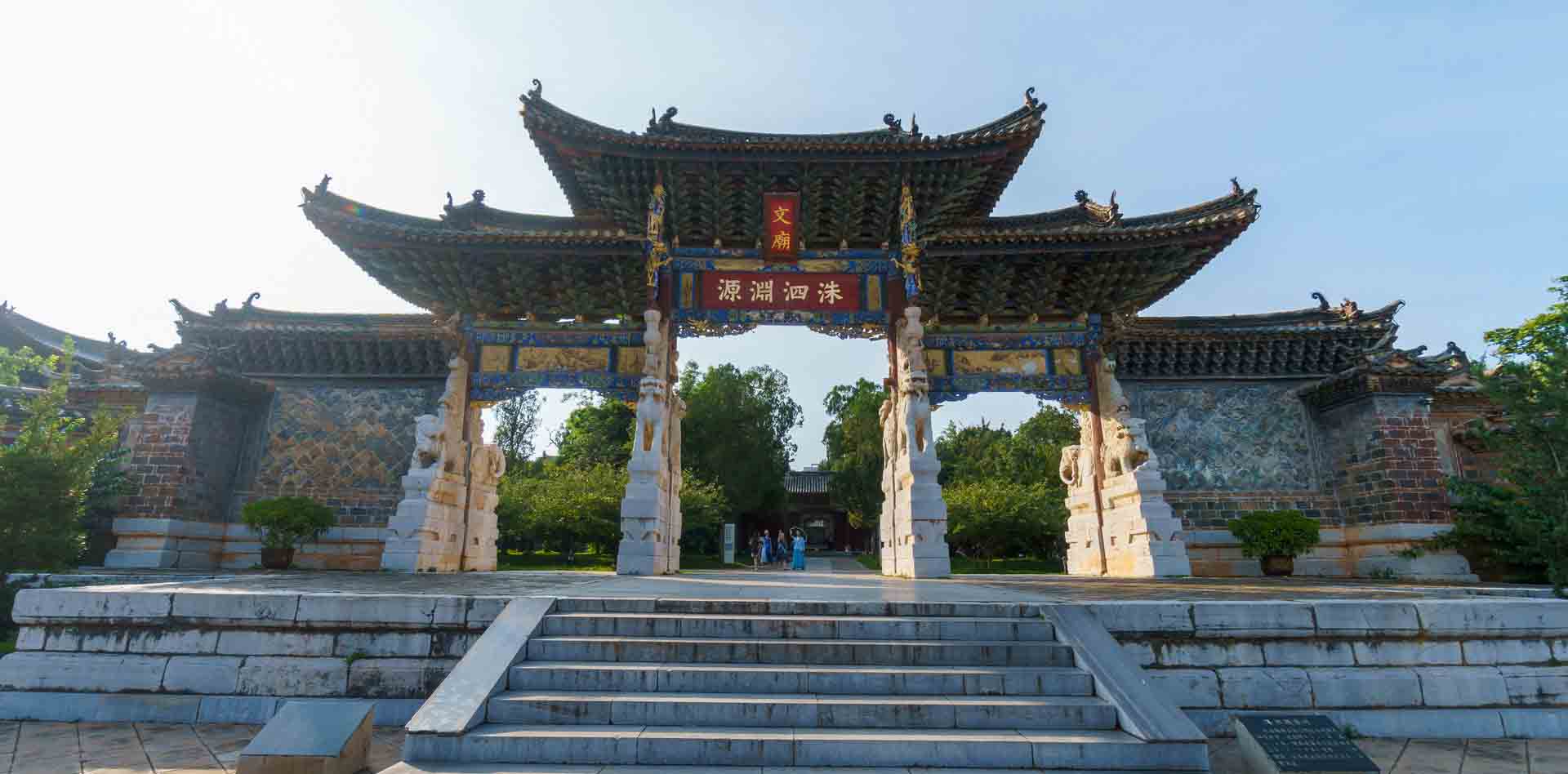
Places to Visit in Jianshui – Jianshui Confucian Temple
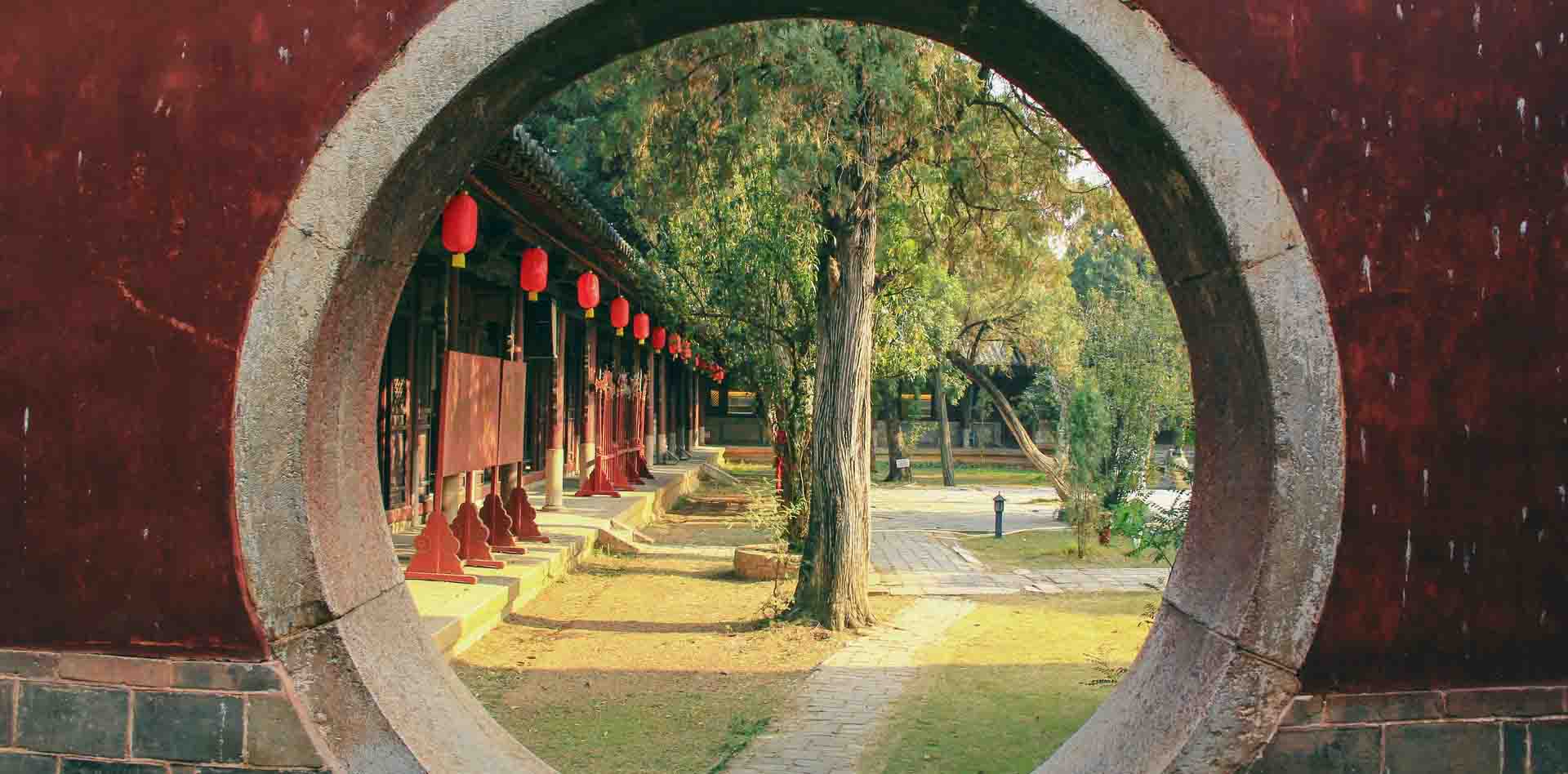
The largest Confucian Temple in Yunnan is Jianshui Confucian Temple, located in Jianshui County. Jianshui Confucian Temple was built from Yuan Dynasty to Yuan 22 (AD 1285) and had more than 700 years. After more than 40 times of expansions and repairs, it covers an area of 114 acres. Its existing scale, construction level, and well-preserved degree are ranked after the Qufu Confucian Temple and Beijing Confucian Temple.
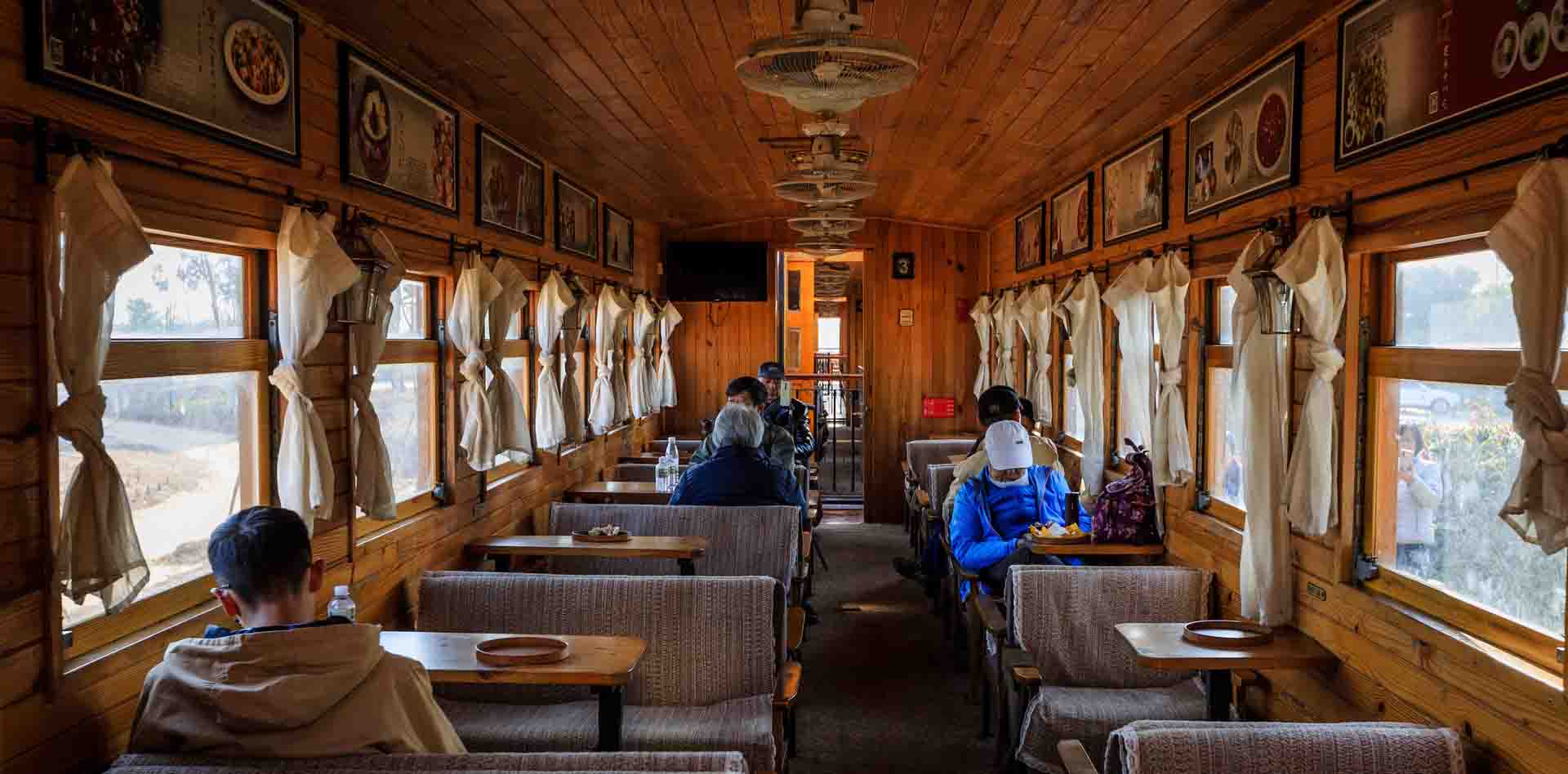
Things To Do in Jianshui – Take a ride on the touring train
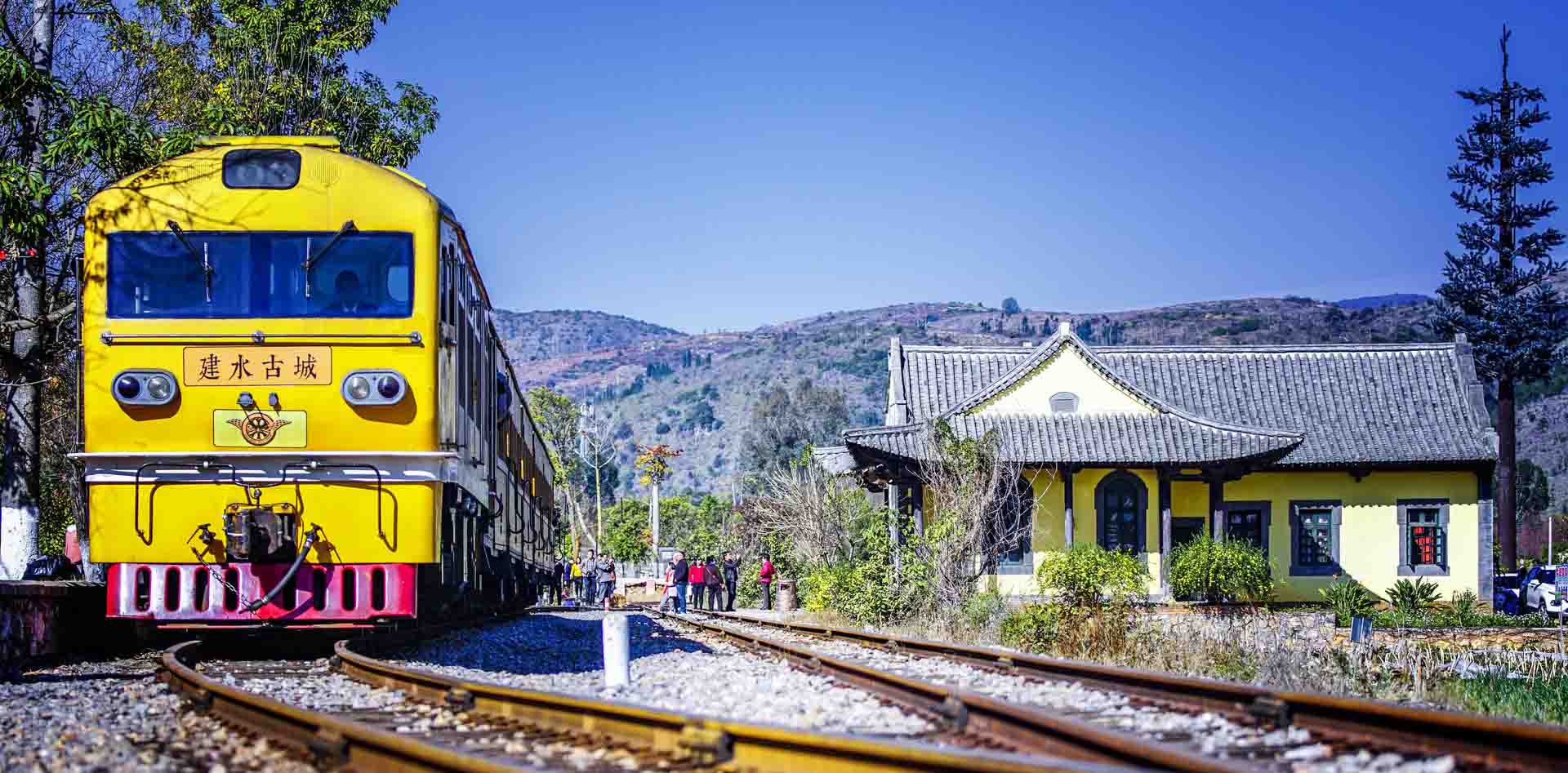
At the end of the Qing Dynasty, the southern Yunnan squire raised funds to build the Ge-Bi-shi Railway (Gejiu-Bisezhai-Shiping) to transport tin ore in Gejiu. It was the first commercial railway in China and the only Inch-rail (gauge 0.6 meters) railway in the country.
Jianshui government has reopened the “Lin’an-Tuanshan” section of the sightseeing train on this railway, with a total length of 13 kilometers. The carriages have been transformed from the original rail carriages. Take a ride on this touring train, and enjoy the ancient bridges, ancient villages, French-style train stations, and rural scenery around Jianshui.
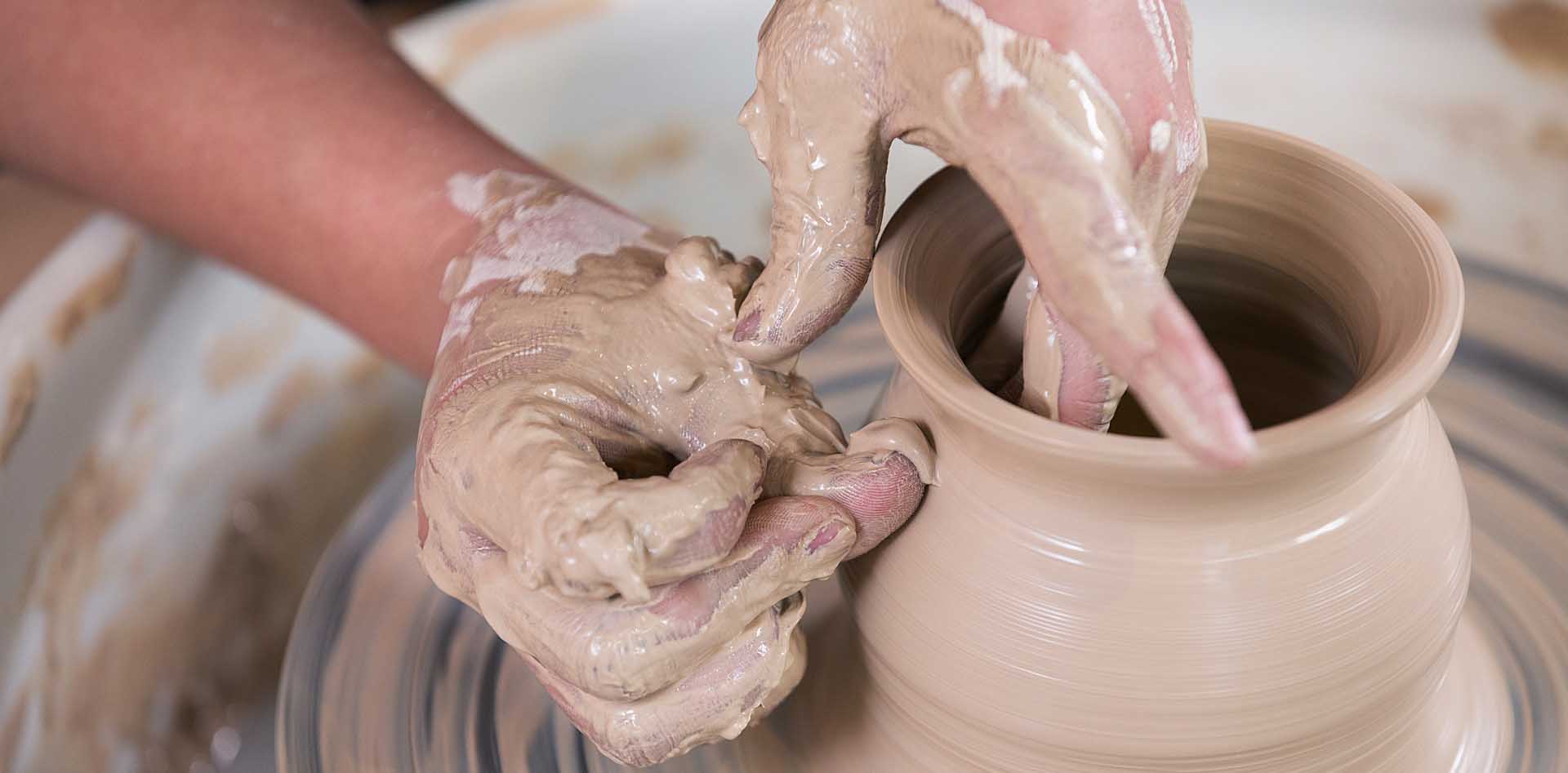
Things To Do in Jianshui – Pottery making
Jianshui was awarded the title of “China’s Purple Pottery Capital” in 2019.
The high iron content of Jianshui pottery clay makes the pottery features high hardness, high strength, and rich metallic texture on the surface.
You can buy purple pottery from Jianshui as a souvenir and have a chance to experience the pottery-making process in local pottery workshops.
To learn more interesting facts about Jianshui, you may start learning Mandarin Chinese by yourself using free online Chinese classes.
Over 10000 Students Have Studied at Keats
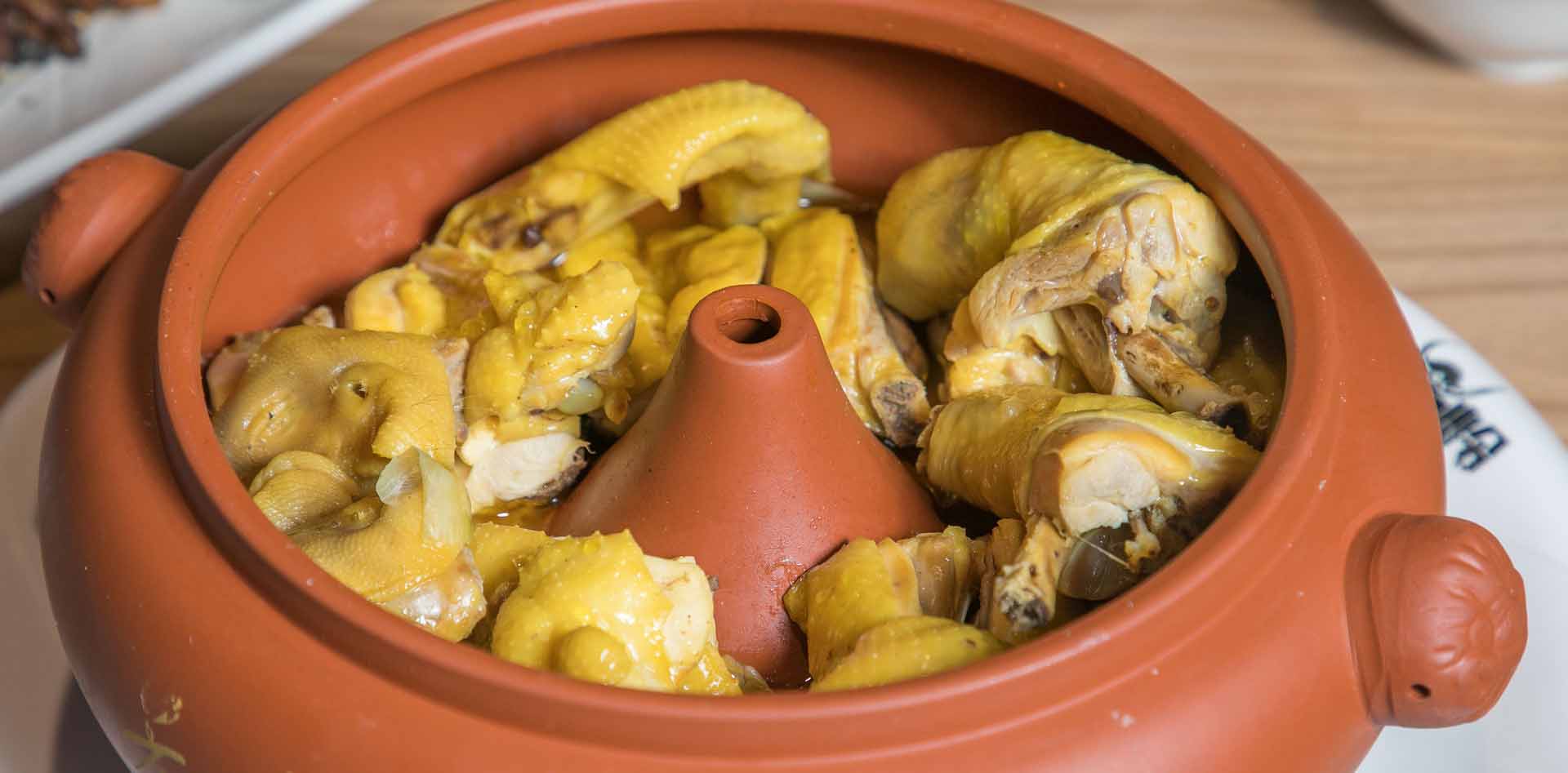
Cuisine in Jianshui – Steamed Pot Chicken Soup 汽锅鸡
Do you know what to order in a Chinese restaurant?
Jianshui produces a unique earthenware pot steamer called 汽锅 qì guō, which is specially used for steaming food. The method of steaming chicken is to put chicken and condiments into the pot steamer and place it on a soup pot filled with water. The steam will pass through the steam nozzle in the steamer to heat the chicken. Because the soup is condensed by steam, the umami taste of the chicken is well preserved during the steaming process, and you can enjoy the original taste of the chicken from this dish.
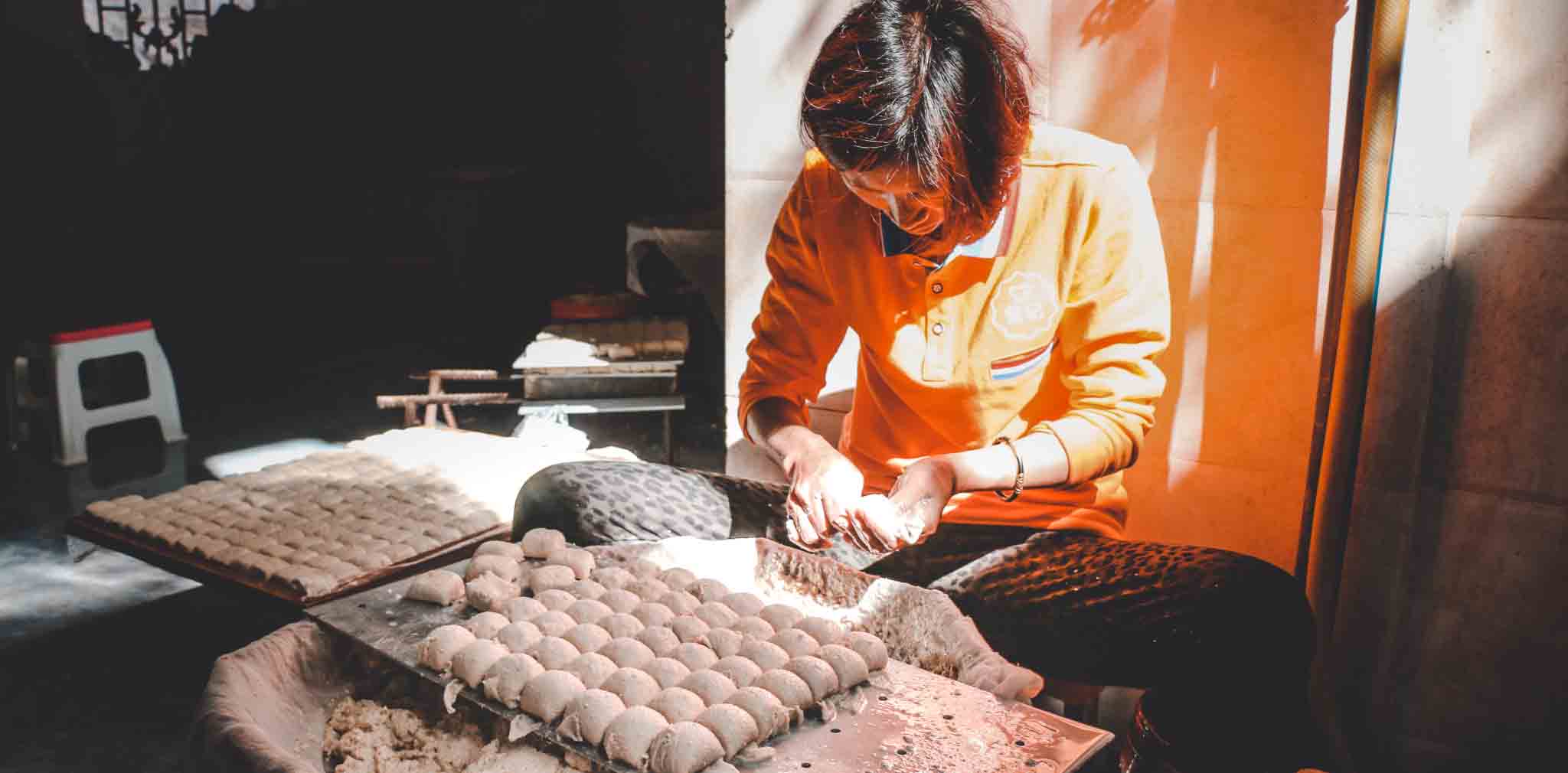
Cuisine in Jianshui – Roasted Soybean Curds 烧豆腐 (Vegetarian Choice)
Jianshui tofu has been well-known since the middle and late Qing Dynasty. The materials for making these soybean curds are all high-quality, and the procedure is hand-made. The unique feature of this tofu is the water used for making it. The water comes from the famous Ximen Dabanjing well, praised as the best well water resource in Yunnan. Tofu vendors and stands can be seen everywhere in the streets and alleys of Jianshui. It is common to see several people gathering and sitting together on a small bench, with a small brazier in the middle and the tofu roasted brown on it. Everyone dips the tofu in the sauce and enjoys it with relish.

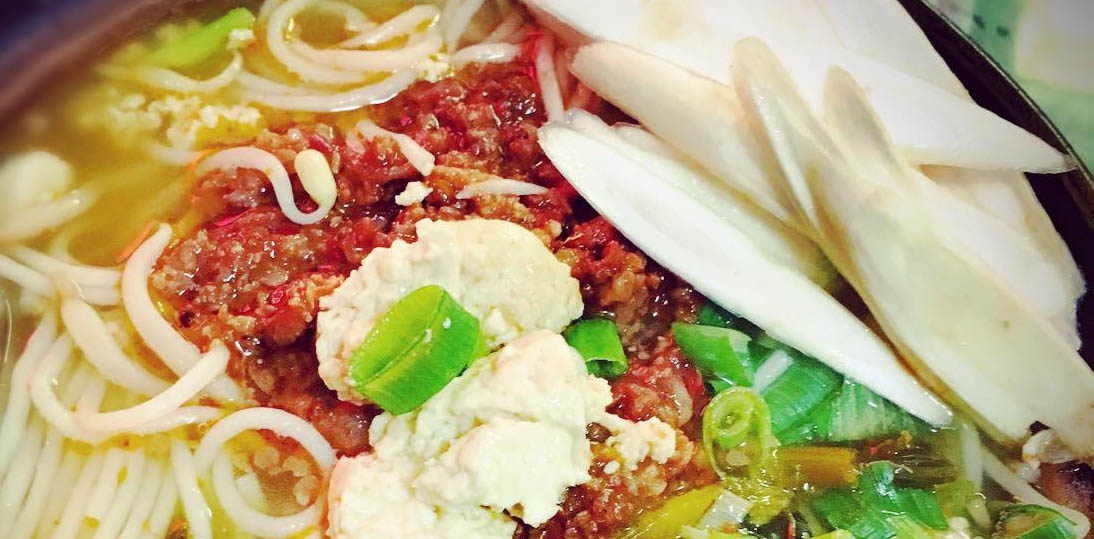
Cuisine in Jianshui – Typha Orientalis 草芽
Typha Orientalis has a sweet, crispy, and fresh taste, unique to Jianshui County. After the fresh Typha Orientalis grow out of the water, they should be stored in the bottom of the bucket with water immediately and arrive at the kitchen and dining table in the shortest possible time; otherwise, they will get too chewy. Therefore, this is also a delicacy you cannot take away from Jianshui.
It can be stir-fried with meats, cooked as a soup, or added to the famous Cross-bridge rice noodles.
There are another 10 dishes you must try when learning Chinese in Yunnan.
FAQ
How to Get to Jianshui?
Different types of transportation can be chosen when traveling to Jianshui town to learn Chinese. Jianshui County is located in the Honghe Hani and Yi Autonomous Prefecture of Yunnan province. It is approximately 129 miles south of the provincial capital of Kunming.
The easiest way to get to Jianshui is to take the high-speed train from Kunming to Jianshui. It only takes about 2 hours to get there, and the Jianshui train station is quite close to the Jianshui ancient town. Only 20 minutes bus can take you to the famous Chaoyang Gate.
We will pick you up at the train station and send you off to the station when the program finishes.
What's the year around temperature in Jianshui?
What does the tuition fee include?
The tuition fee includes:
- 4/6 hours of one-on-one Chinese lessons per day Monday to Friday
- Accommodation (A clean and safe single/double room with private bathroom)
- Program Certificate
We also offer a list of free services for studying in Jianshui:
- Train Station pick-up and drop-off
- Internet access use without limit
- Saturday excursions
- Laundry
- A tour of the surroundings (bank, supermarket, post office etc.)
- Medicine for minor illnesses
- Advisors available to offer help
- 24/7 support
- Access to The Chairman’s Bao online learning platform
- Visa application assistance
- Room cleaning every day
Where to eat in Jianshui?
The Keats campus is located in the center of Jianshui Ancient Town, so you are surrounded by all kinds of local food. There are a great number of options around you. If you are a vegetarian, you will definitely need to try Jianshui tofu, which is the most famous.
LEARN CHINESE IN CHINA WITH KEATS
Viktor's Story at Keats
My Chinese Family and My Chinese School
OVER 10000+ STUDENTS
HAVE STUDIED AT KEATS
I come to Kunming because I think the environment in Kunming is better and I heard that Keats School is better. I like the small group Chinese class because my classmates study hard and our teachers are very good. I like the teaching method of Keats because I like the activities at Keats. I think Yunnan is a particularly beautiful Chinese province.
It doesn’t matter what level of Chinese you have, or even you can start from the zero level. Your teacher will prepare the lessons according to your requirements. The advantage of living in the school is that you will have your tutoring, you will have your private accommodation with your own bathroom and all the meals provided. I highly recommend everybody to actually take the whole package because you get to meet other students.
I think Keats is one of the best language schools I have ever been to. My teacher is such an amazing person. She is so good at teaching. She makes classes fun. I have learned a lot of vocabulary during my time here. I would really recommend coming to learn Mandarin Chinese at Keats School.
My school is amazing. I recommend Keats School because it is a more convenient way to learn Chinese in Kunming.
All my classmates stay together for one year and we improved so much! The teachers at Keats are all very great. They like to organize a lot of activities to help us learn Chinese. I like Keats! I like Kunming!
Before I came to Keats School, I had no confidence in my Chinese proficiency. I did not have the confidence to speak Mandarin Chinese and chat with Chinese people. However, after 4 months of study at Keats, I become more and more confident in speaking Chinese now. Studying Chinese in China at Keats School has been the best decision I have ever made. There are many games in the class, and my teacher’s teaching methods are also very interesting. My experience at Keats School has changed my view of China and Chinese people.
At Keats, I have a lot of opportunities to practice what I have learned. I really like this school, because I can learn Chinese in one-on-one style, so I think this is the best immersion program in China and my teacher is the best teacher. I feel that without my teacher, my Chinese will definitely not improve so much. I’m very happy because, at Keats, I have improved my Chinese significantly.
The teachers at Keats know how to read the students and how to help students learn Chinese language easily. They know the level of the students. I am a slow learner, but they managed to adapt to my learning. They made the class very fun, very exciting. I am pleased that not only I got to learn the culture and the language, but I also got to make amazing friends, really unbelievable, Chinese friends and European friends, American friends, from all over the world.