Chinese Language Courses in Shenzhen
Intensive One-on-One Chinese Classes


Intensive One-on-One Chinese Classes
- Personal study plans
- Best teachers and private lessons
- Full immersion experience
- Full services (study + single room accommodation)
- Start on any Monday
HSK Test Preparation Course


HSK Test Preparation Course
- Start anytime
- HSK experts with years of experience
- Get test scores improved significantly
- Intensive one-on-one Chinese class
- Full services (study + single room accommodation)
Chinese Language Course + Tour in China

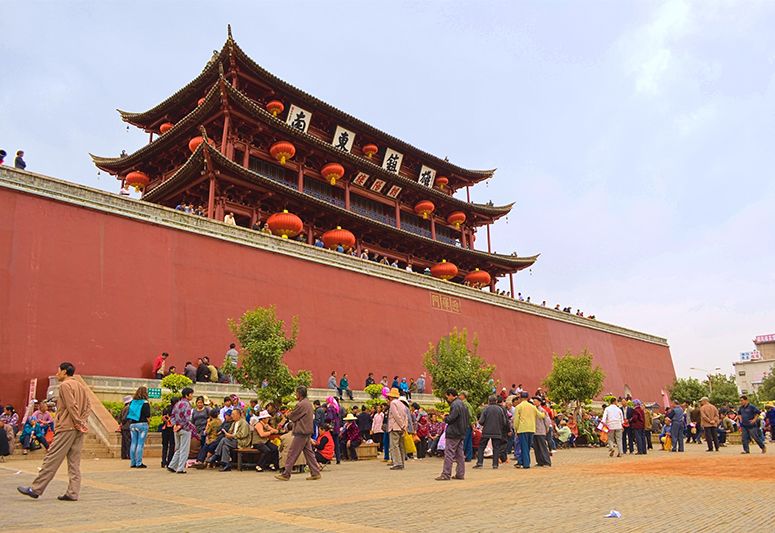
Chinese Language Course + Tour in China
- Private one-on-one Chinese lessons
- Full services (study + accommodation)
- Excursions and tours with your teacher
- Travel to Dali, Lijiang, Shangri-la, Beijing, Xi'an, Guilin, Shanghai, Zhangjiajie, etc.
Study Tour in China (for groups)

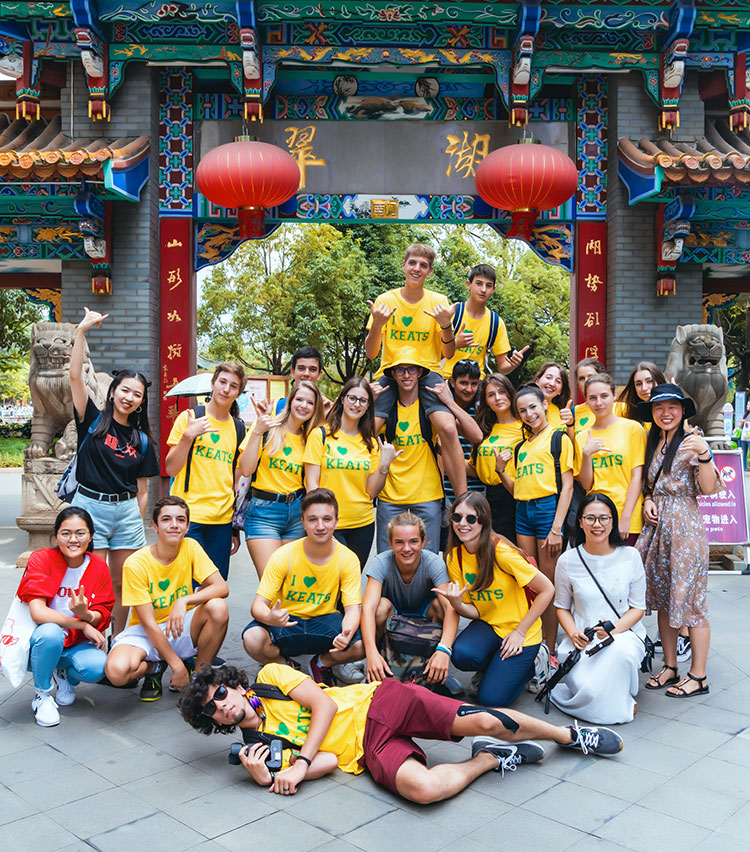
Study Tour in China (for groups)
- Designed for high schools, universities, companies, and organizations
- Chinese course with group activities
- Professional Chinese teachers
- A true Chinese immersion experience


Intensive One-on-one Chinese Lesson
Choose to study Chinese in Shenzhen at either 4 hours per day (20 hours/week) or 6 hours per day (30 hours/week). If you want to study Mandarin in China, the intensive one-on-one Chinese course is the fastest way to improve your Chinese.
We use unique teaching methods developed by Keats. Your Chinese teacher(s) will tailor your lessons to your Chinese level and learning goals, ensuring you learn the most Chinese in the shortest possible time.
Hotel accommodation is included.

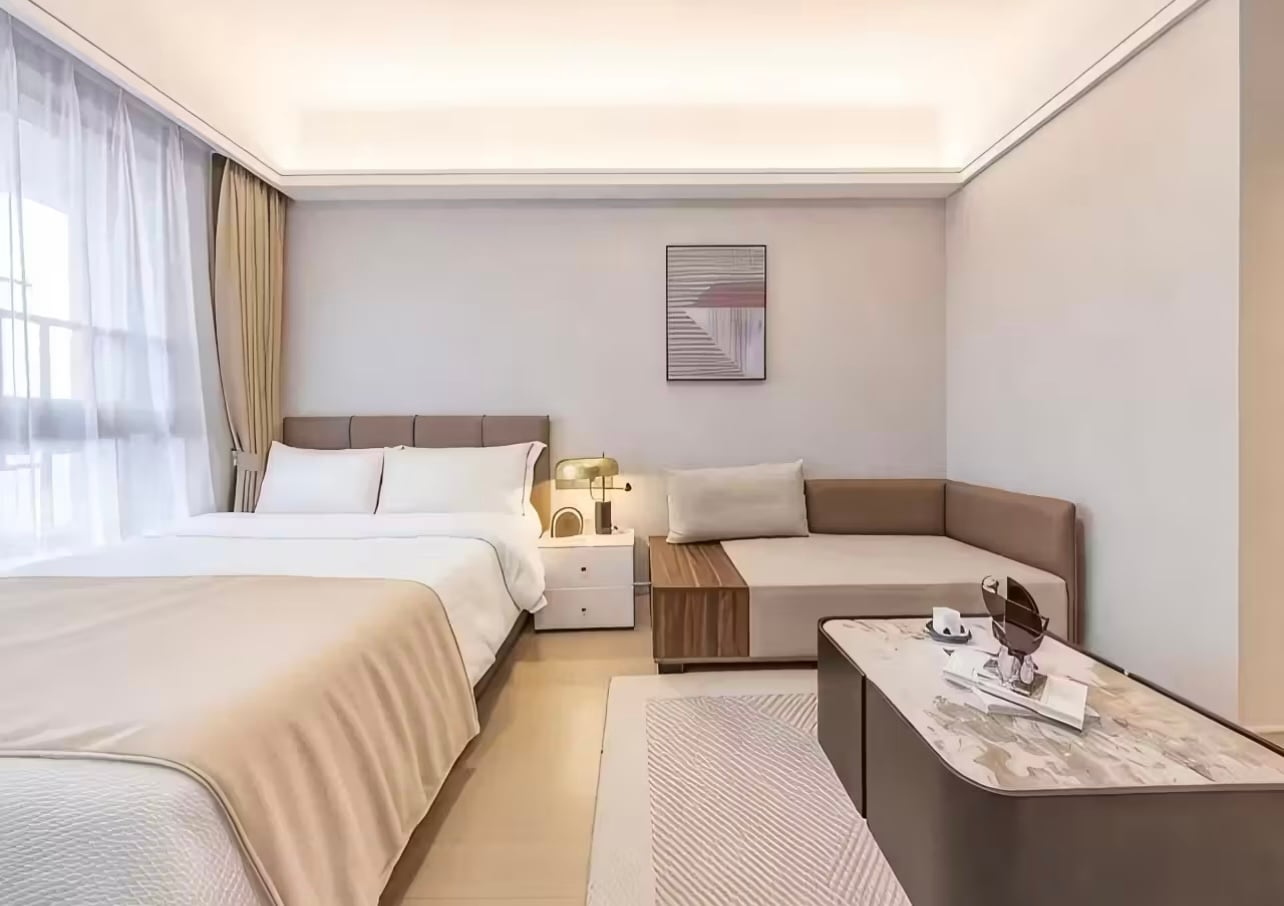
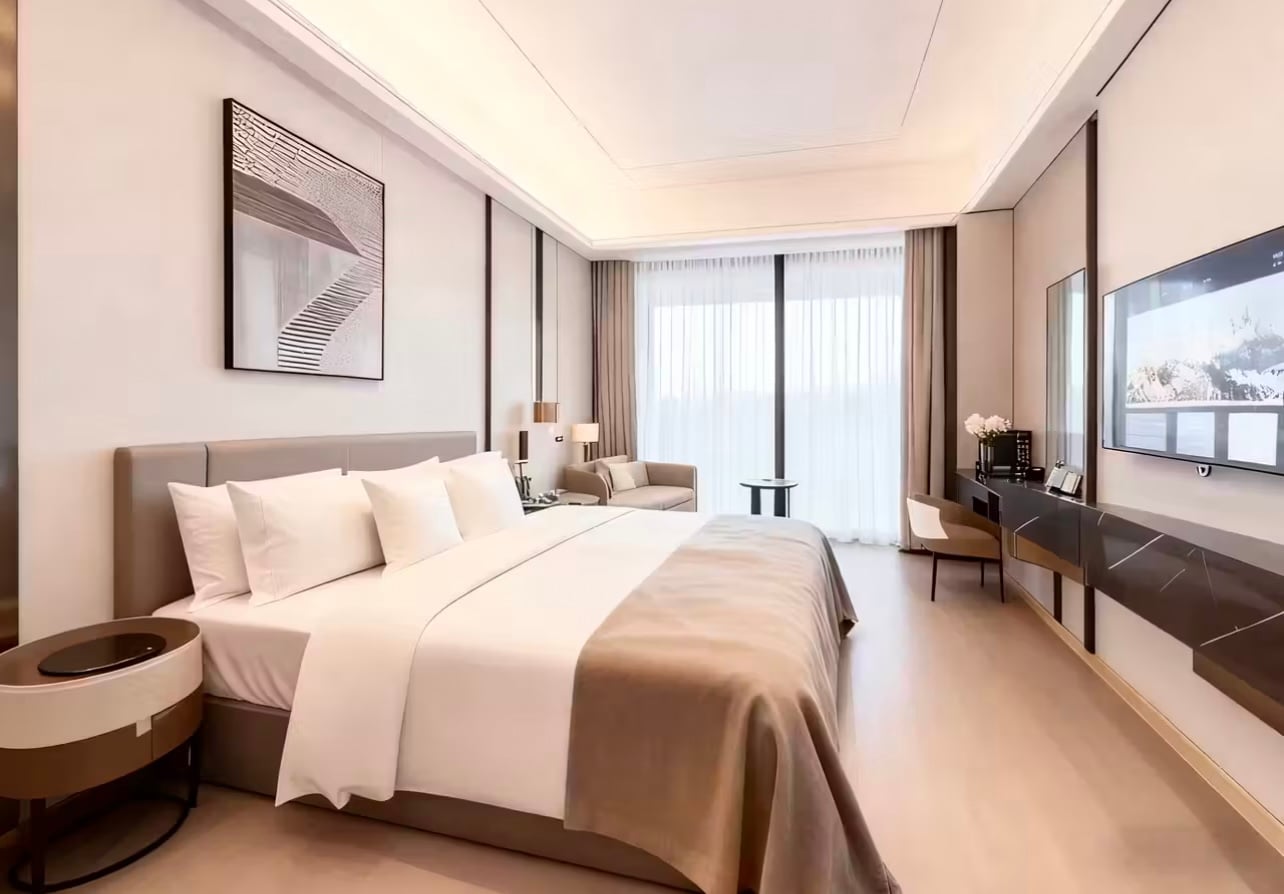
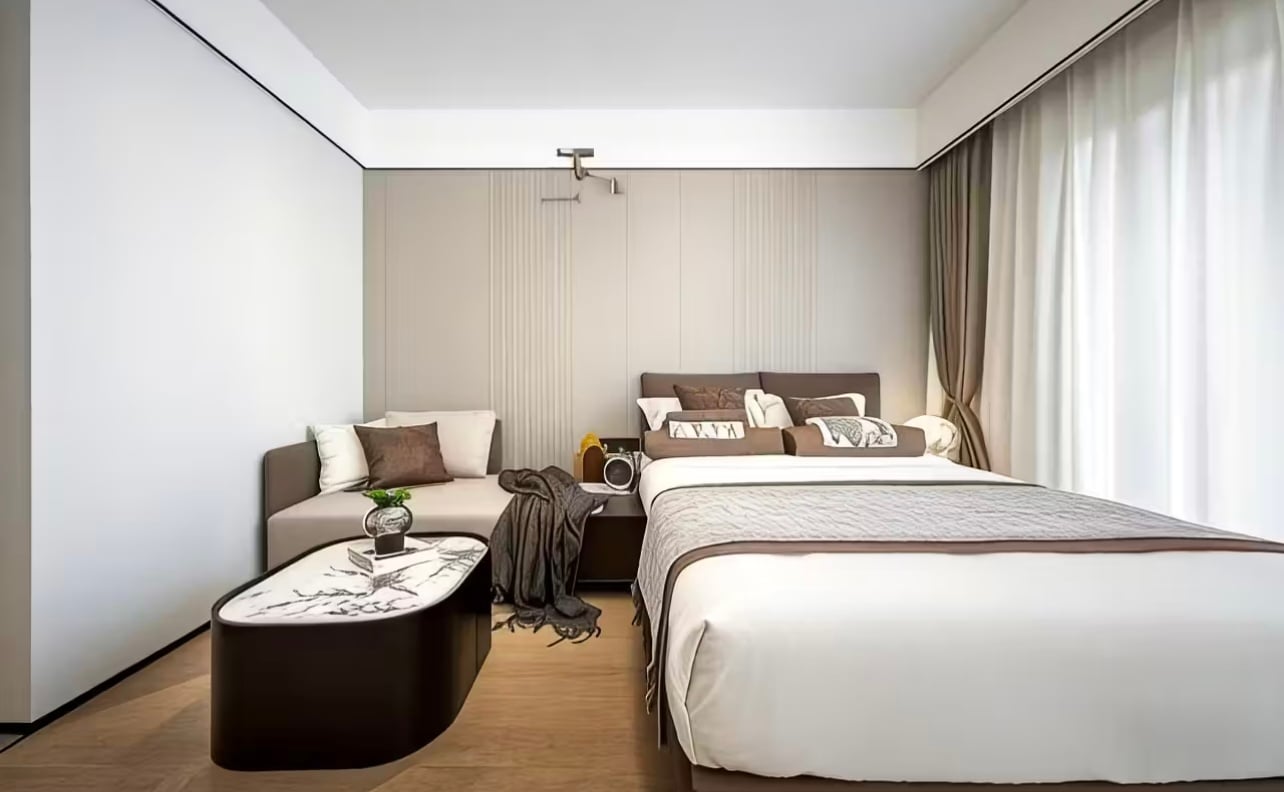
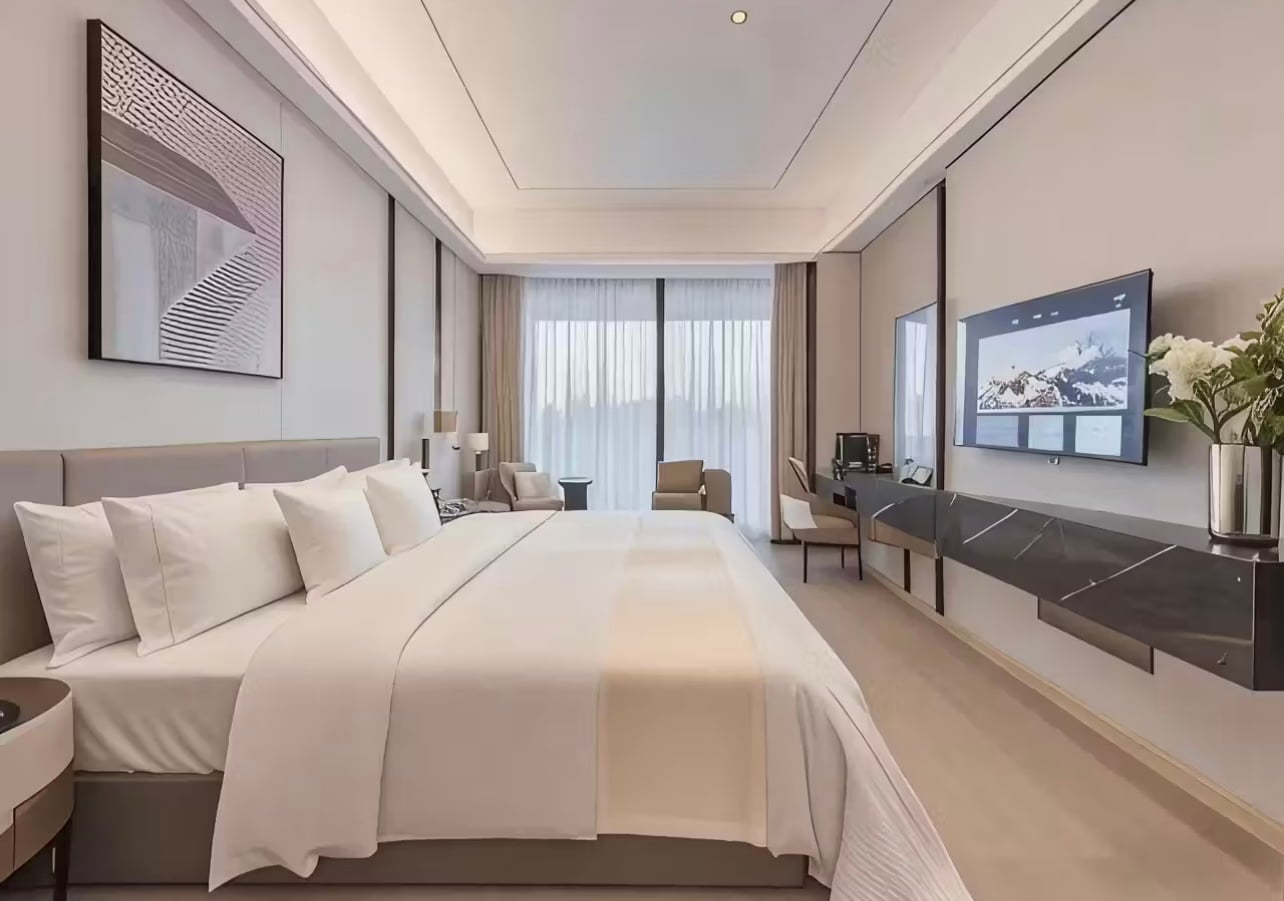
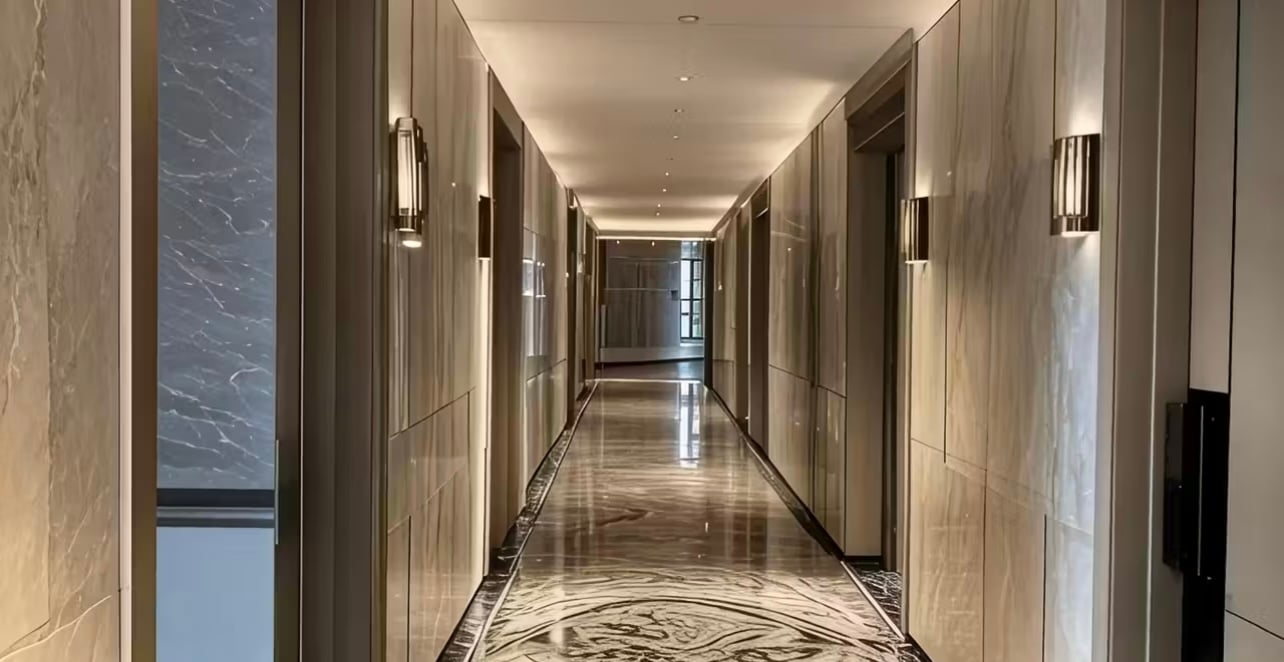
Accommodation in Shenzhen
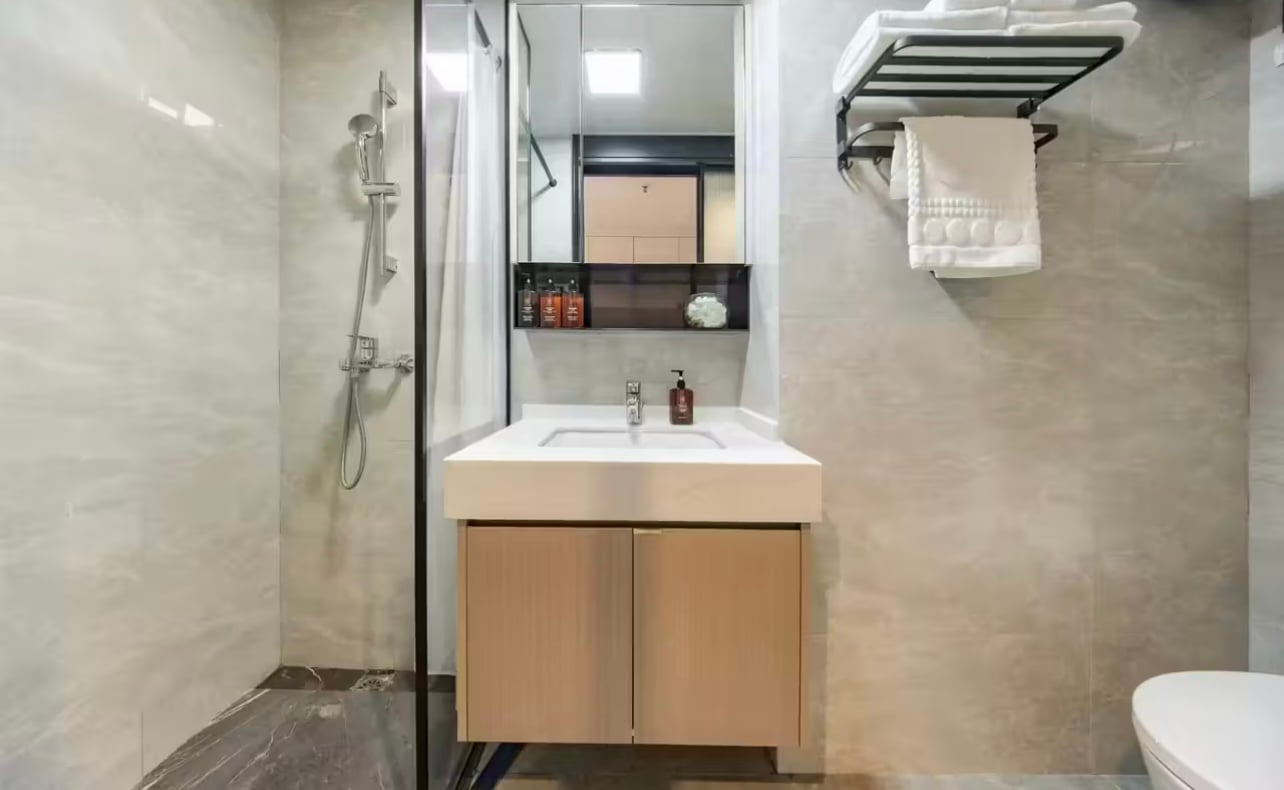
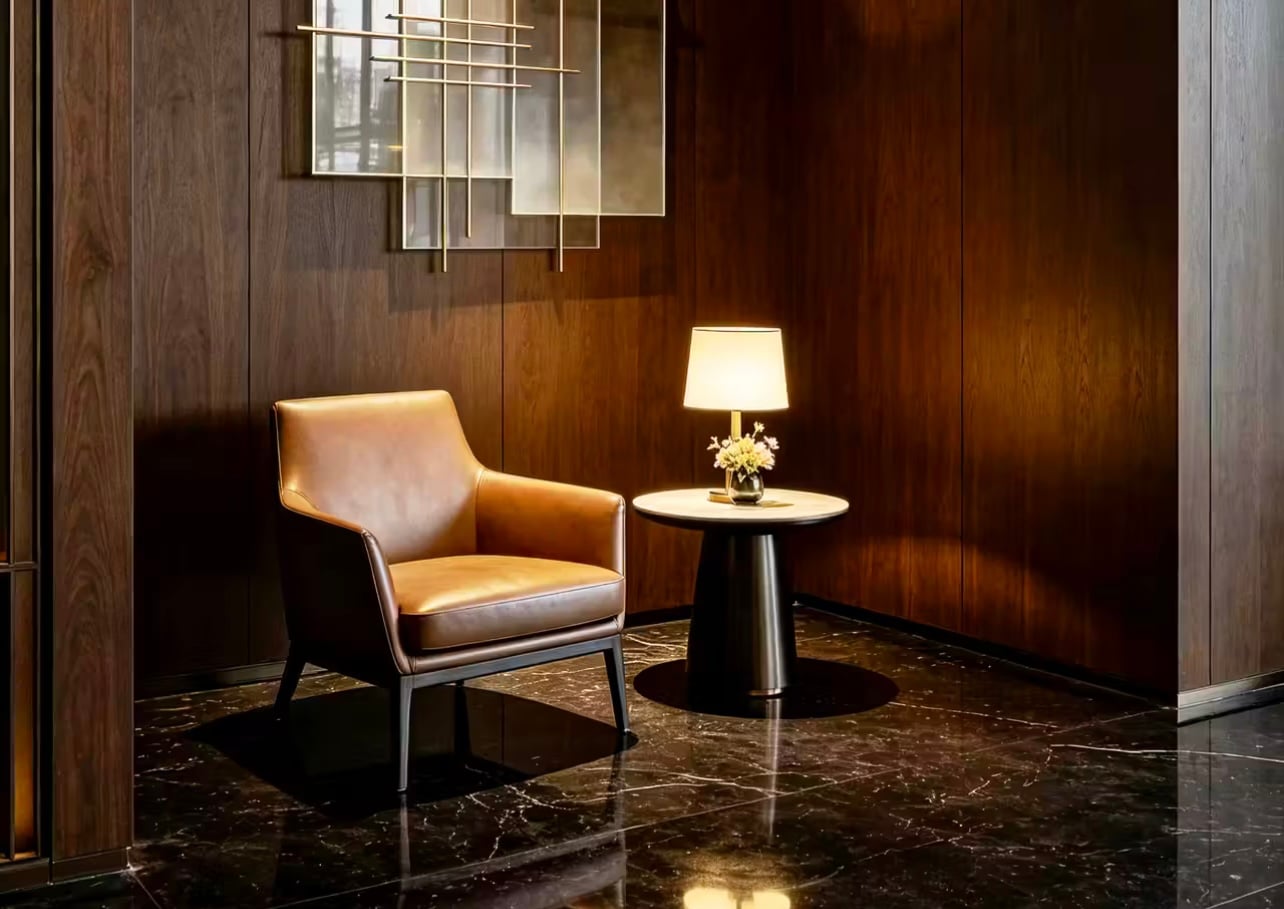
- Single/Double room accommodation with private bathroom
- Clean, safe and comfortable
- Room cleaning service every day
Accommodation in Shenzhen
Private Room with Private Bathroom


Why Learn Chinese in Shenzhen?
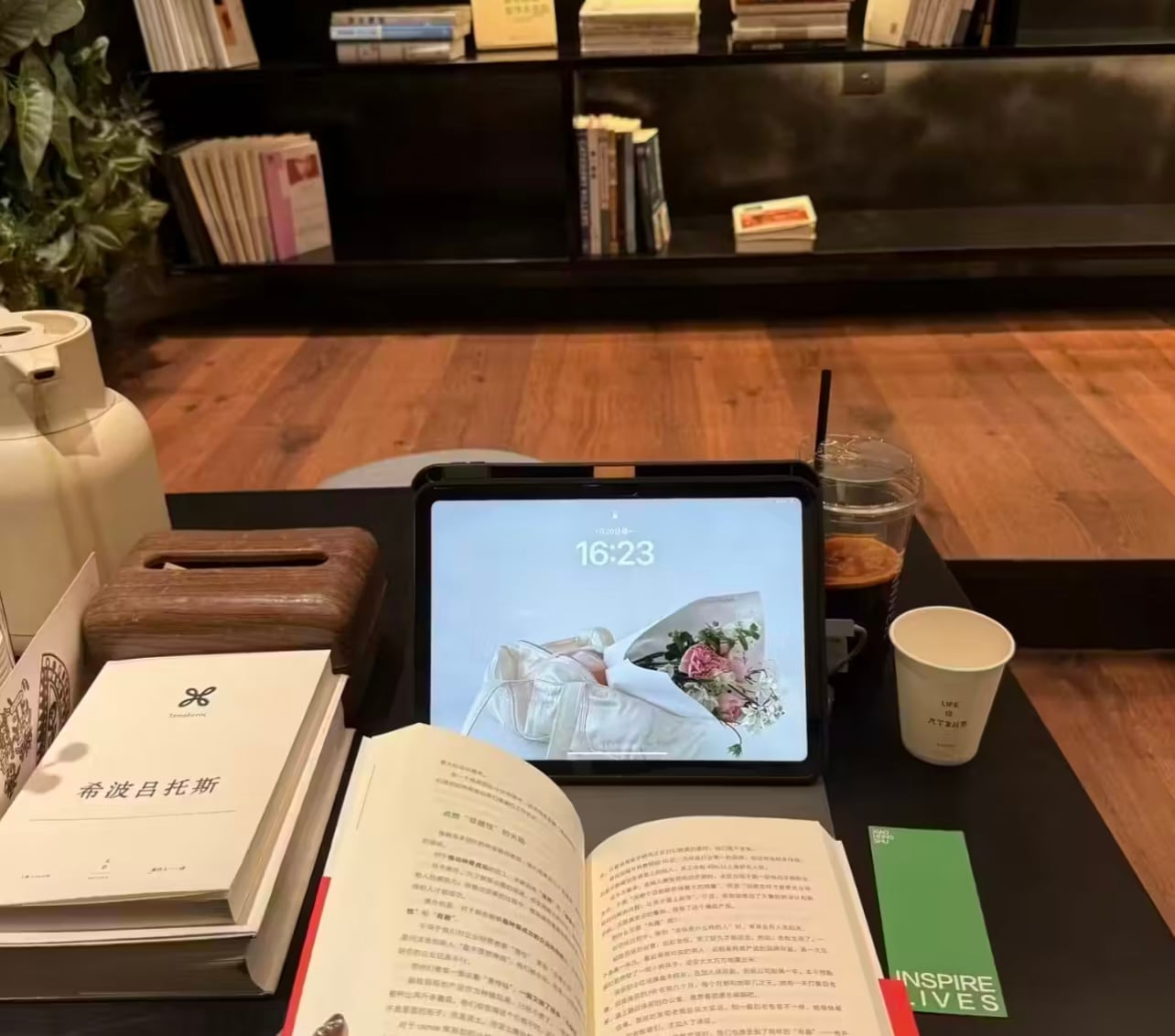
Shenzhen offers a unique immersion experience. As a young, fast-paced tech hub, it attracts talent from across China, so you’ll hear standard Mandarin everywhere — not regional dialects. The city’s international, welcoming culture lowers the barrier for learners to practice daily. With intensive one-on-one courses and tailored teaching methods, you can improve rapidly while living in one of China’s most dynamic cities. Full service is offered, making it easy to focus entirely on your Chinese studies.

Sightseeing After Class with Your Teacher
- The best part of studying in Shenzhen is that your teacher accompanies you on daily sightseeing after class, creating a pure Chinese language environment. Your teacher will practice Chinese with you in real-life situations. Studying Chinese in Shenzhen not only focuses on the language but also offers the chance to explore the city with your teacher.
- Note: Entrance tickets and transportation fees (if any) for after-class sightseeing are not included in the tuition fee.

Full Immersion in Chinese
- If you prefer a full Chinese immersion environment with no English, Shenzhen is for you. Don’t be surprised if you’re the only student there, as students arrive at different times throughout the year.
- If you prefer a large, lively international student community or a school community experience, choose to learn Chinese in Kunming at the Kunming campus or learn Chinese in Chengdu at the Chengdu campus.

How to Get to Shenzhen?
Fly into Shenzhen Bao’an International Airport (SZX), with direct connections from major cities across Asia and beyond. From Hong Kong, take the high-speed rail from West Kowloon Station — just 14 minutes to Futian. Ferries also run from Hong Kong and Macau. Within the city, the metro (Line 11 from the airport) and DiDi are the easiest ways to get around. Alipay and WeChat Pay are essential for payments. Shenzhen is young, fast, and tech-driven — easy to reach and even easier to explore.
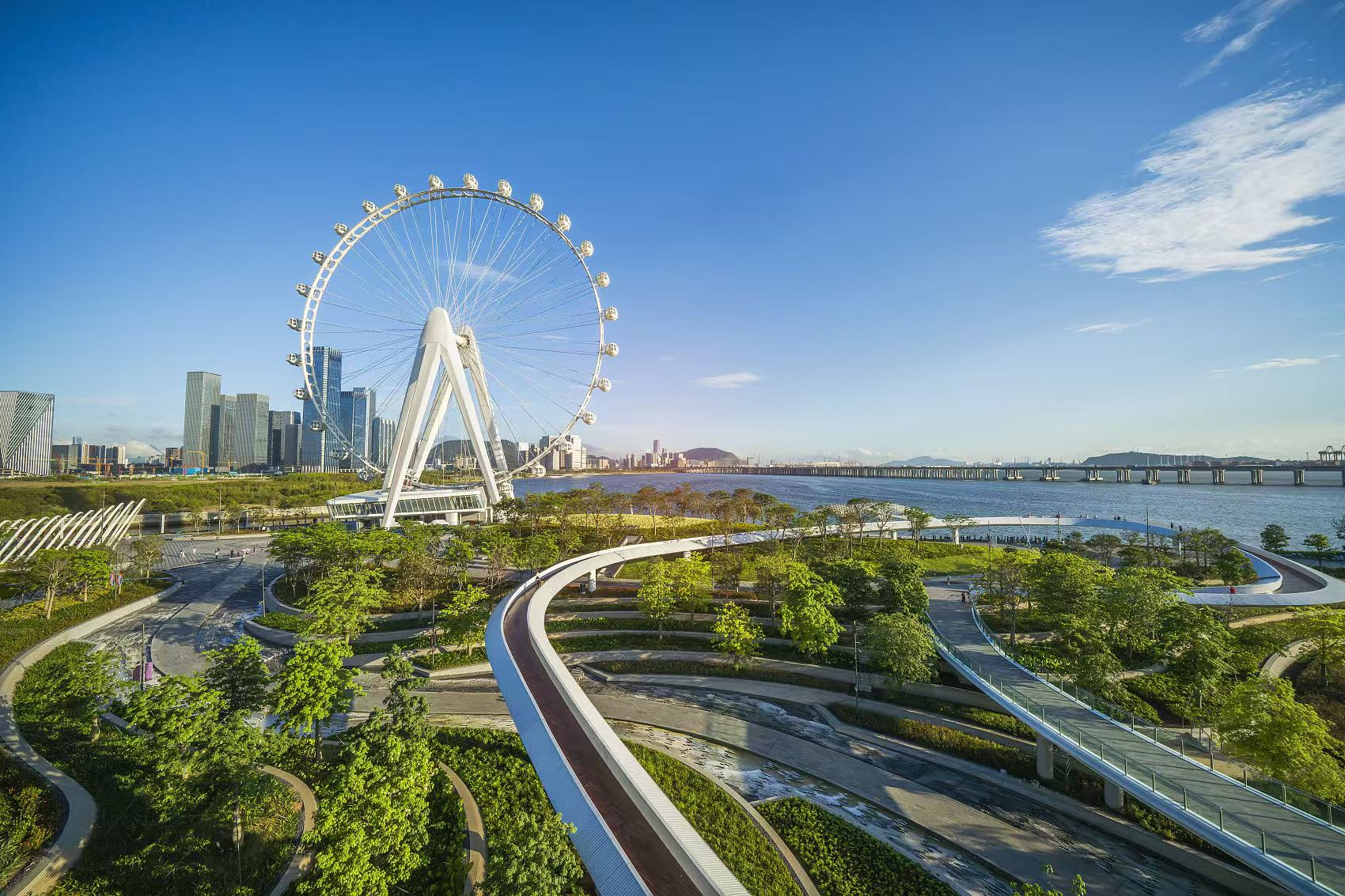
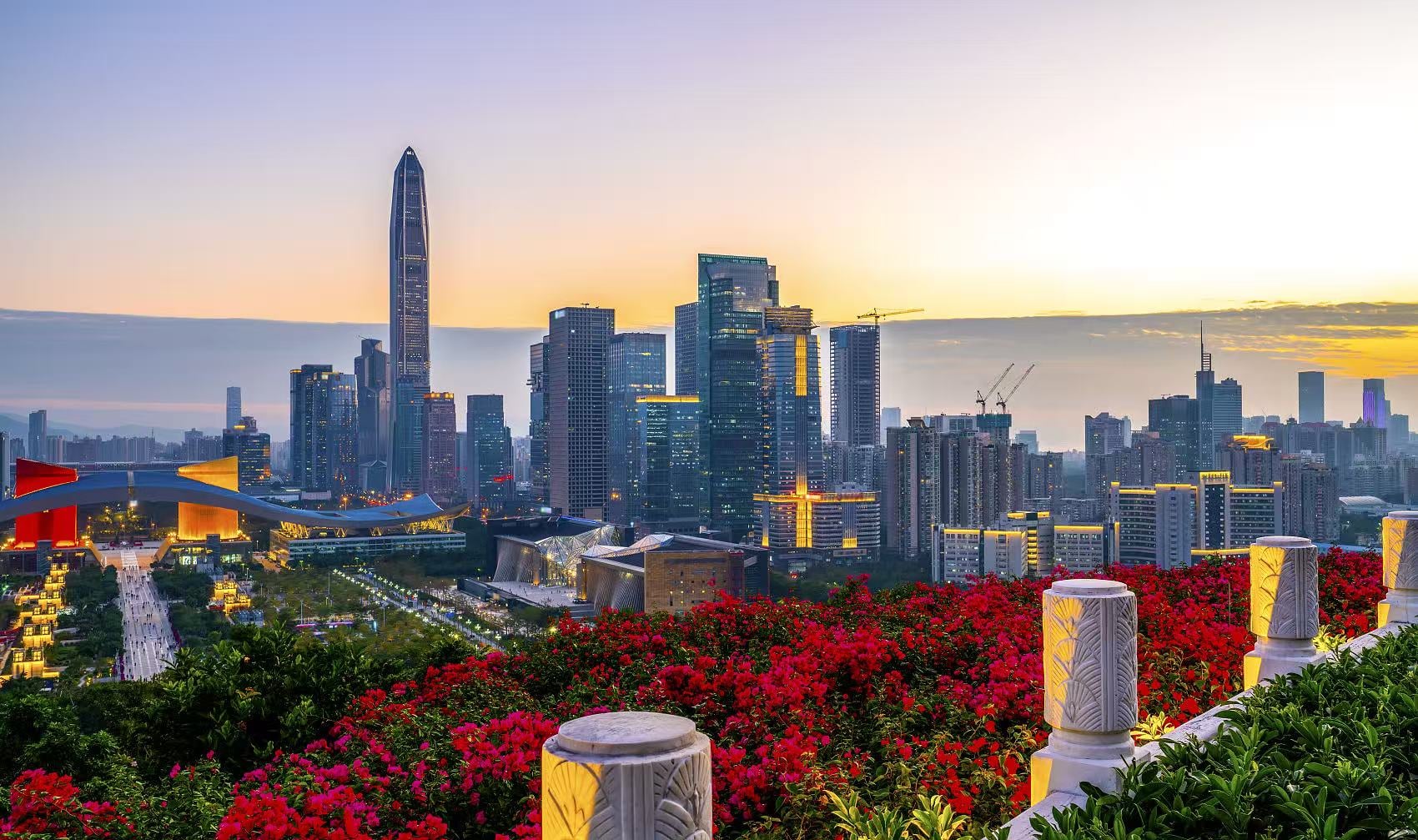
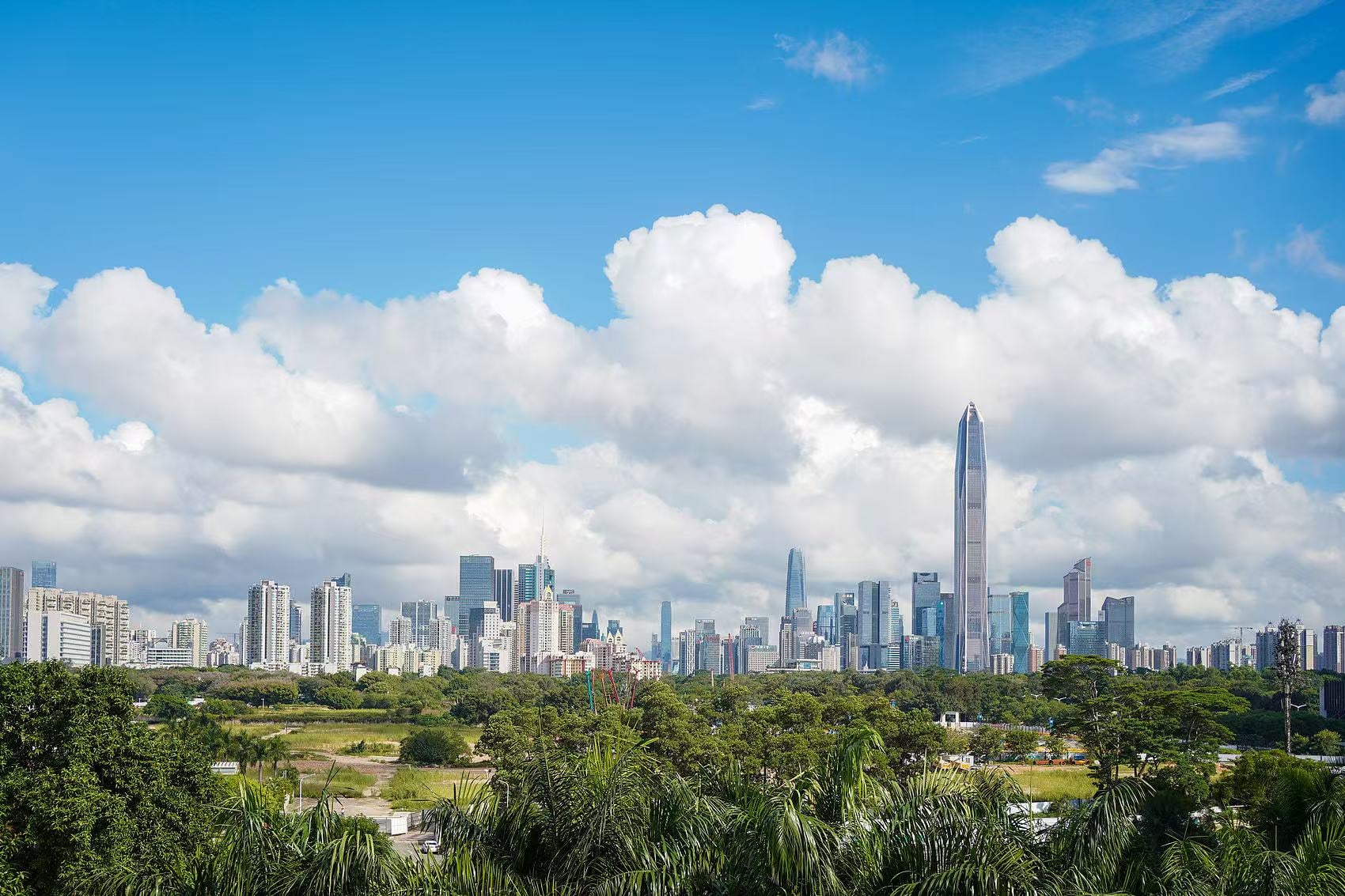
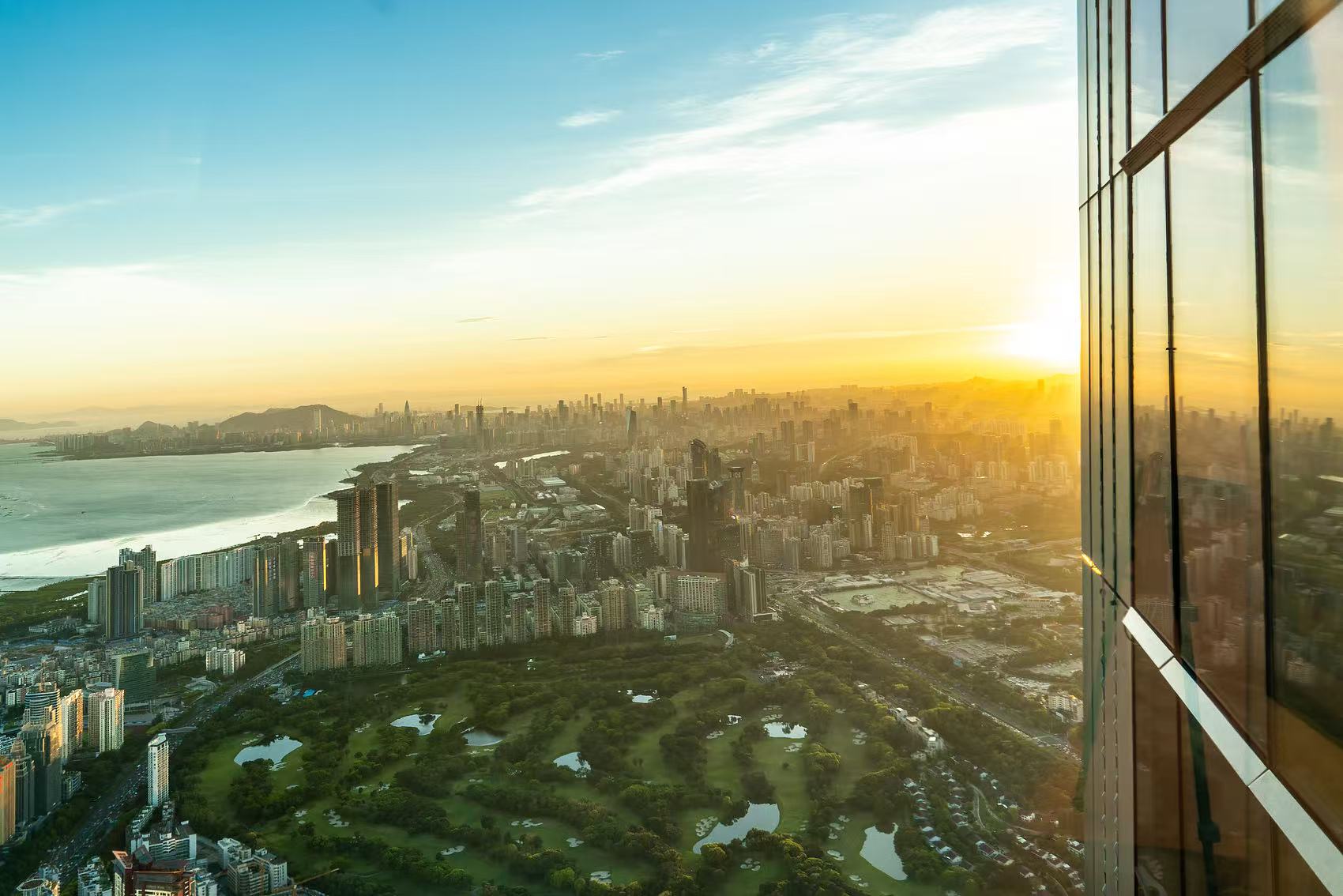
Beautiful Scenery in Shenzhen
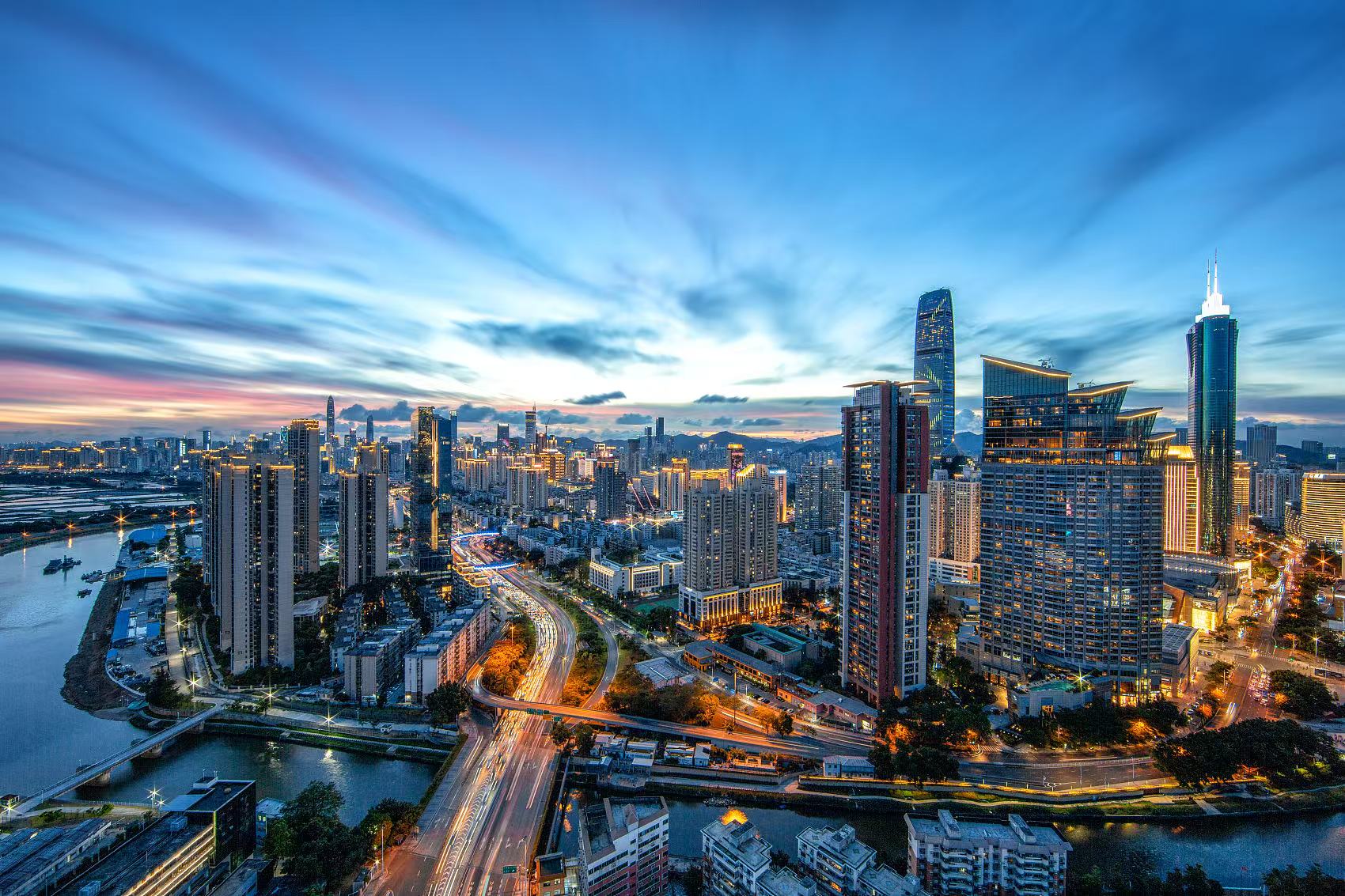
Learn Chinese at Keats in Shenzhen — immerse yourself in a young, fast, tech-driven city where every conversation, every street, and every moment becomes a real-life lesson in Mandarin.
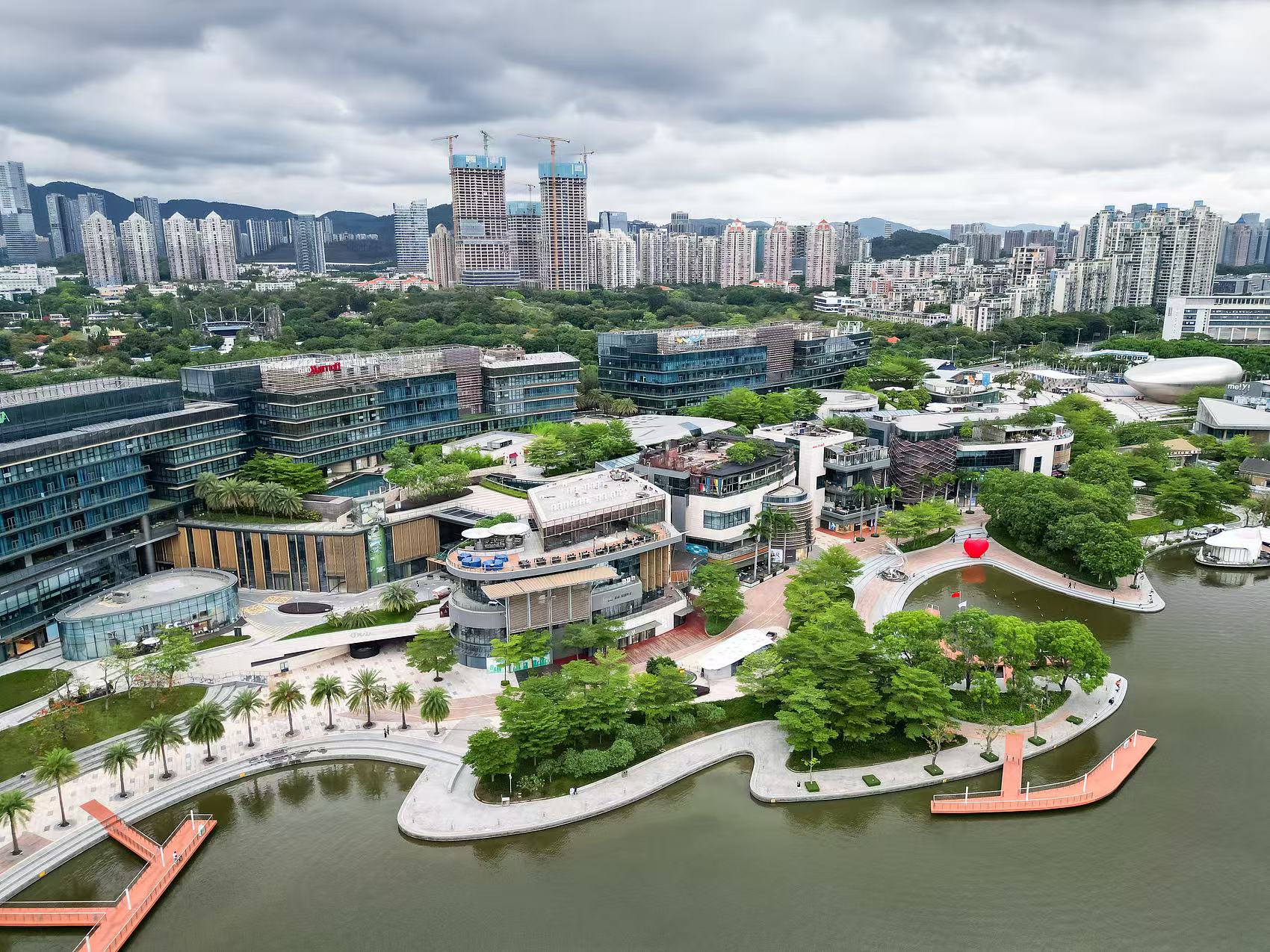
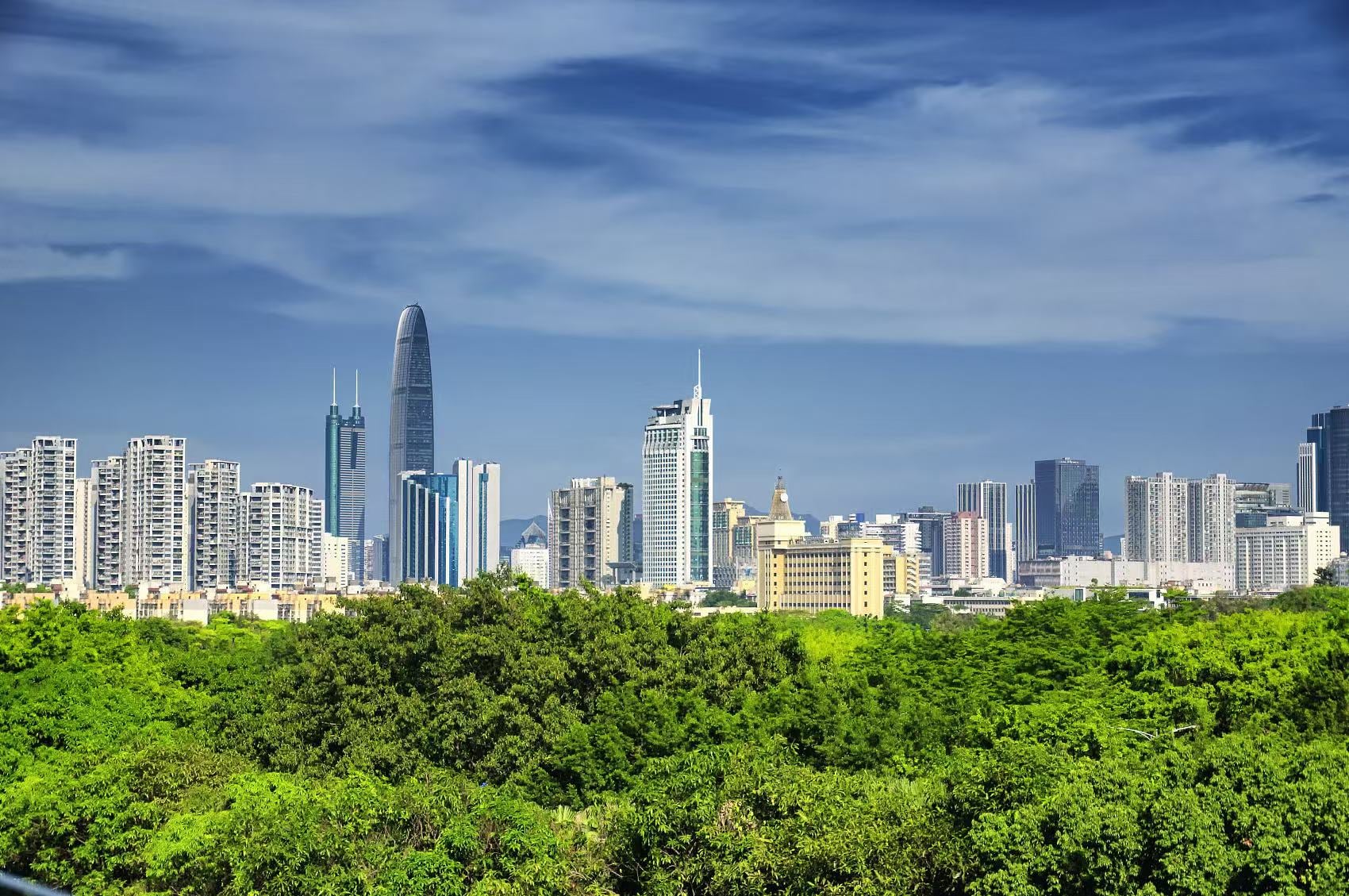
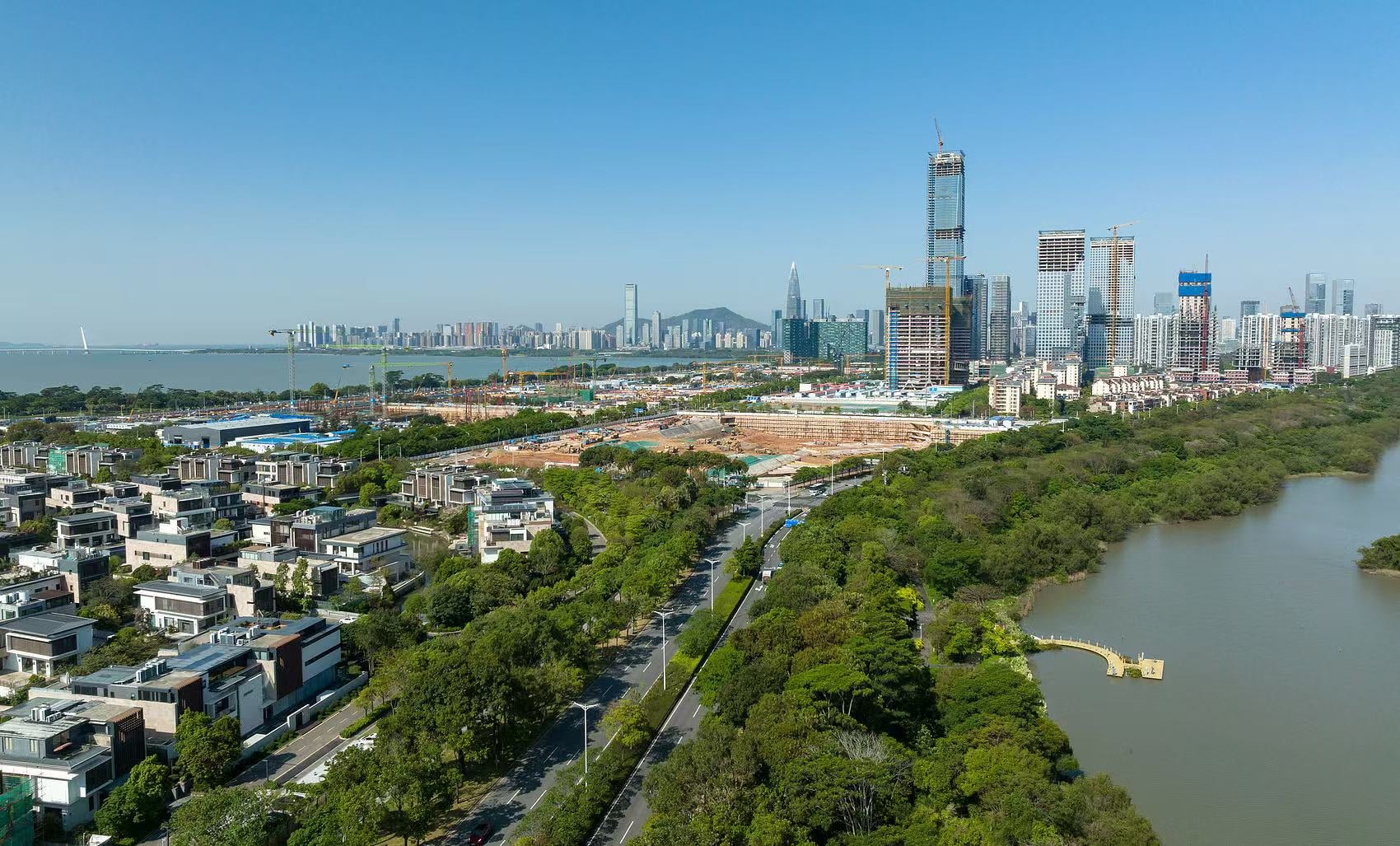
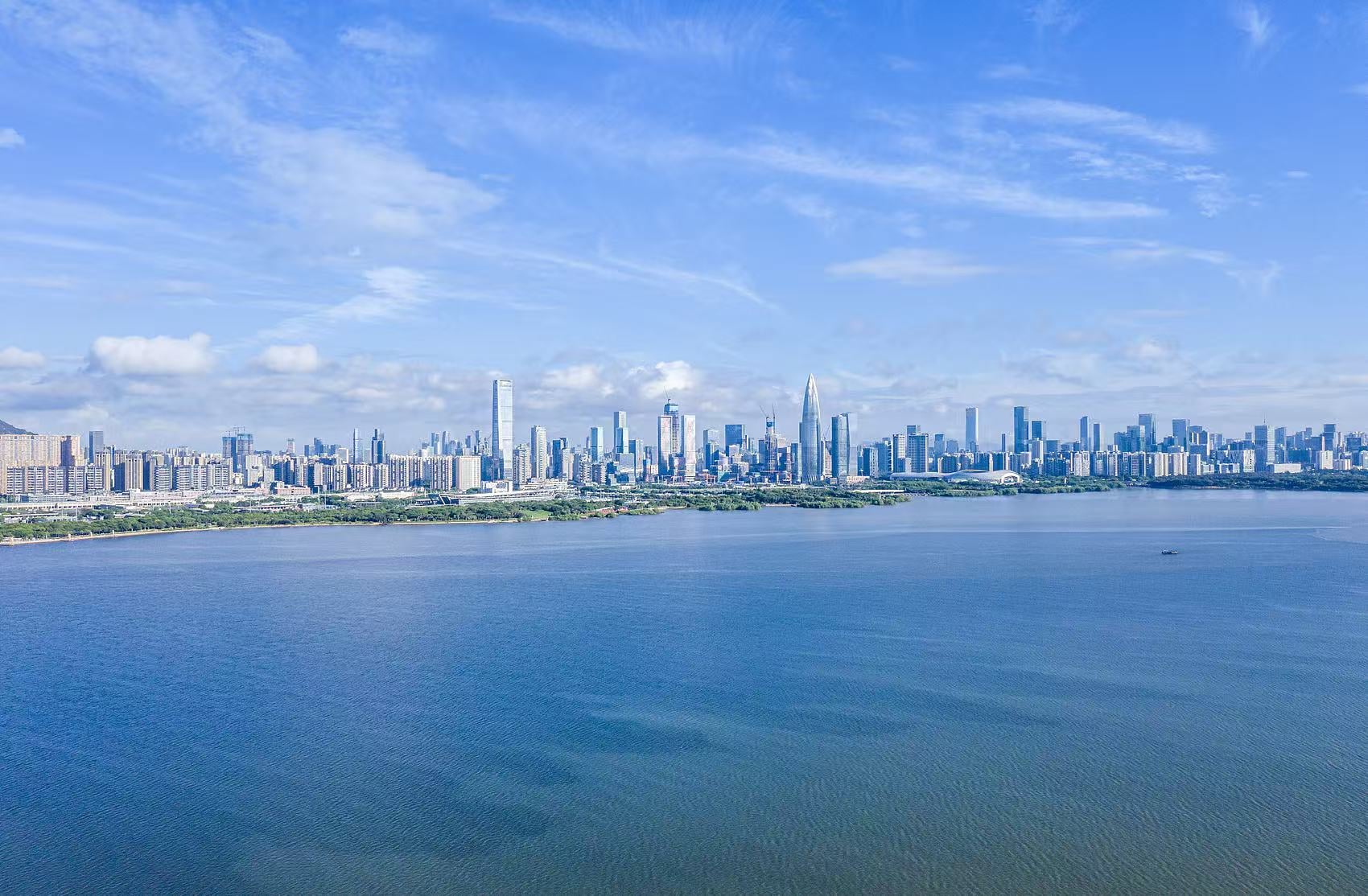
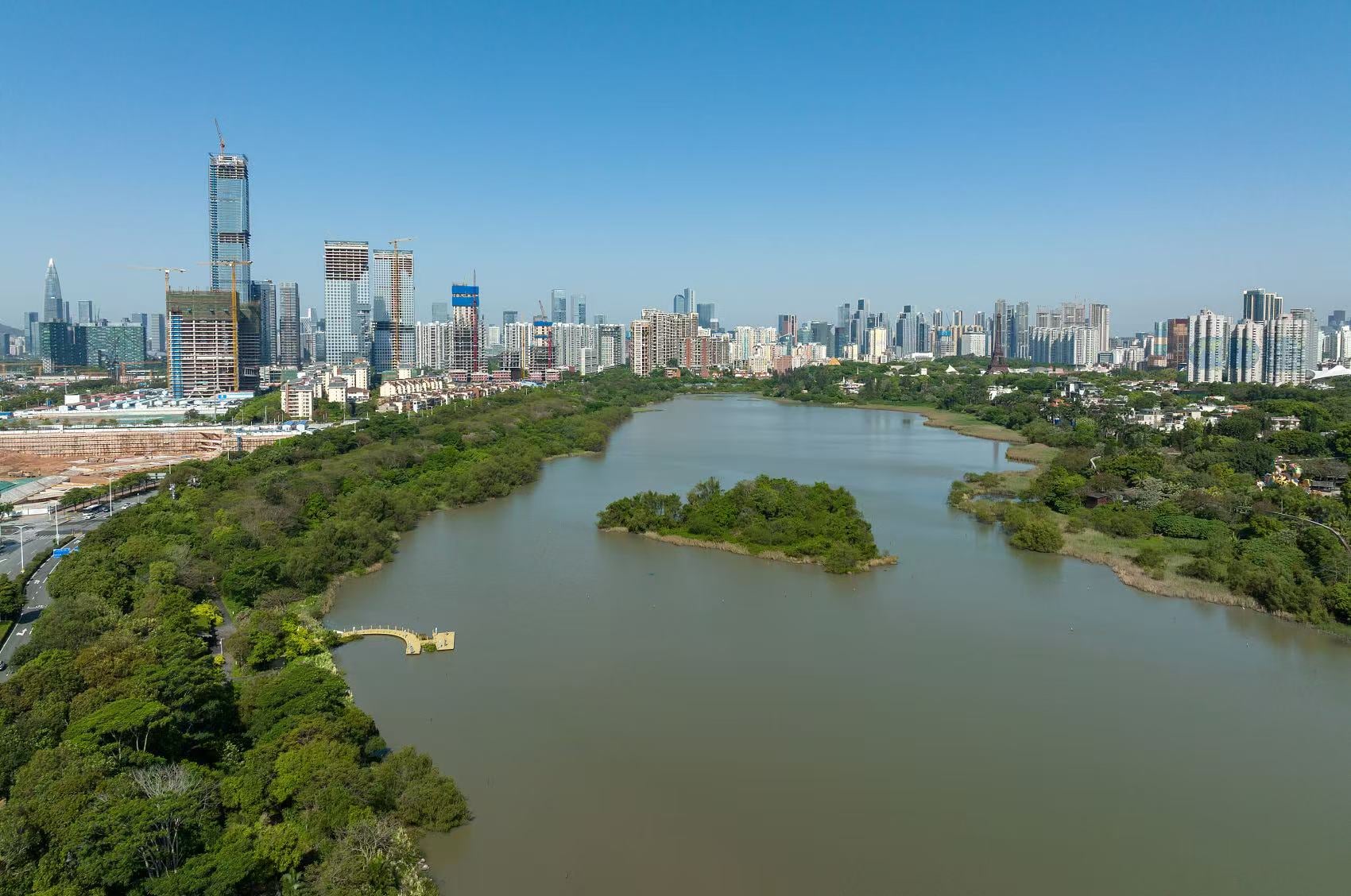
Learn Chinese in Shenzhen
10000+ Students Have Studied at Keats

Place to Visit in Shenzhen - Lianhuashan Park
Lianhuashan Park is an ecological municipal park located on the city’s central axis. The highlight is the summit plaza, where you can enjoy a panoramic view of Shenzhen’s CBD, with skyscrapers rising on both sides of the axis. It’s a relatively easy climb, making it accessible for all ages. The park also features spacious lawns perfect for picnics and kite flying. On clear evenings, the city lights create a stunning backdrop. It’s a great place to witness the harmony between nature and urban development, and a favorite spot for locals to relax and exercise.

Place to Visit in Shenzhen - Shenzhen Bay Park
Shenzhen Bay Park is a beloved coastal destination famous for its 13-kilometer seaside greenway. It’s a “must-visit” spot where you can see the sea right after exiting the metro station. The park offers stunning sunset views and is perfect for cycling, jogging, or simply strolling along the coast. You can watch migratory birds and enjoy the fresh sea breeze while taking in the skyline of the city and the Hong Kong mountains across the bay. It’s an ideal place to experience Shenzhen’s relaxed and vibrant coastal lifestyle, and entry is free.

Place to Visit in Shenzhen - OCT-LOFT
OCT-LOFT is Shenzhen’s premier creative and cultural district, transformed from old factory buildings into a trendy art hub. The park is filled with avant-garde street art, graffiti walls, and unique art installations that are perfect for photography. It’s a haven for independent bookstores, design shops, concept cafes, and art galleries. You can spend half a day exploring the labyrinth of alleys, enjoying coffee in a stylish setting, or browsing for unique handicrafts. The atmosphere is laid-back and artistic, offering a glimpse into Shenzhen’s creative and bohemian side.

Place to Visit in Shenzhen - Window of the World
Window of the World is a classic Shenzhen theme park that brings global landmarks together in one place. You can see miniature replicas of iconic sites like the Eiffel Tower, the pyramids of Egypt, and the Taj Mahal. The park is divided into different continental zones, offering a fun way to “travel the world” in a single day. Besides the miniature landmarks, there are also thrilling amusement rides and large-scale cultural performances, including evening fireworks shows that create a spectacular atmosphere. It’s a great choice for families and anyone looking for a fun, action-packed day.

Place to Visit in Shenzhen - Dapeng Fortress
Dapeng Fortress is a well-preserved ancient military fortification with a history of over 600 years. It was built in the Ming Dynasty to defend against pirates and is the origin of Shenzhen’s nickname, “Pengcheng” (City of the Roc). Walking through its stone streets, you can explore traditional Lingnan-style buildings, temples, and historic residences. Nearby is the seaside village of Jiaochangwei, often called Shenzhen’s “Little Gulangyu,” where you can relax on the beach or ride a scooter along the coast. It offers a fascinating contrast to the modern city and a glimpse into the region’s past.

Place to Visit in Shenzhen - Futian Mangrove Nature Reserve
Located in the heart of the city, the Futian Mangrove Nature Reserve is an ecological oasis and an important stopover for migratory birds. It is the smallest nature reserve in China, protecting a unique wetland ecosystem where you can see mangrove forests, egrets, and mudskippers. A winding coastal boardwalk allows you to walk through the mangroves with the city skyline on one side and the serene wetland on the other. It’s a perfect spot for nature lovers, birdwatchers, and photography enthusiasts, especially at sunset when thousands of birds return to roost.

Cuisine in Wuzhen - Shajing Oysters
Oysters are a historic specialty of Shenzhen, and those from Shajing are the most renowned. The area’s location where river meets sea creates a unique environment for growing large, plump oysters with a delicate, sweet flavor. A local saying praises their thin, translucent flesh as having a “glass belly”. Often called “milk of the sea” for their high nutritional value, they can be enjoyed steamed with garlic, fried, or cooked in congee. The Shajing Oyster is not just food; it’s a cultural symbol with a history dating back centuries.

Cuisine in Shenzhen - Nan'ao Abalone
FAQ
What does the tuition fee include?
The tuition fee includes:
- 4/6 hours of one-on-one Chinese lessons per day Monday to Friday
- Accommodation (A clean and safe single/double room with private bathroom)
- Program Certificate
We also offer a list of free services for studying in Shenzhen:
- Airport pick-up and drop-off
- Internet access use without limit
- Saturday excursions
- Laundry
- A tour of the surroundings (bank, supermarket, post office etc.)
- Medicine for minor illnesses
- Advisors available to offer help
- 24/7 support
- Access to The Chairman’s Bao online learning platform
- Visa application assistance
- Room cleaning every day
How to Get to Shenzhen?
Getting to Shenzhen is straightforward, with the best method depending on your starting point. For most international travelers, flying into Shenzhen Bao’an International Airport (SZX) is the most direct option. If you are already in Hong Kong, the high-speed train or metro is incredibly fast and convenient.
✈️ By Plane (International & Domestic)
Shenzhen Bao’an International Airport (SZX) is the main hub, located about 32 km (20 miles) from the city center. It serves major domestic cities and a growing number of international destinations, including Singapore, Bangkok, Tokyo, and Sydney.
Getting from the Airport to the City:
Metro (Best Value): Take Line 11 directly from the airport terminal. It takes about 30–40 minutes to reach Futian or Nanshan districts and costs only around 10 CNY.
Taxi / DiDi (Most Convenient): A taxi or ride-hailing app (DiDi) to the city center takes 30–50 minutes and costs around 100–150 CNY. This is a good option for late arrivals or if you have heavy luggage.
Airport Shuttle Bus: There are buses to various districts (like Futian CBD), costing around 20–40 CNY. Some routes run until 4:00 AM, which is helpful for late flights.
🚄 By Train (From Hong Kong or Mainland China)
Shenzhen is a major stop on China’s high-speed rail network.
From Hong Kong: The High-Speed Rail is the fastest option. It departs from West Kowloon Station and takes only 14 minutes to reach Futian Station or 20 minutes to Shenzhen North. A second-class ticket costs about 75 CNY . You can also take the MTR East Rail Line to the Lo Wu or Lok Ma Chau border crossings, which puts you right at a metro station on the Shenzhen side .
From Other Mainland Cities: High-speed trains connect Shenzhen to Guangzhou (about 30 minutes) and other major cities. The main stations are Shenzhen North (largest hub) and Futian Station (in the city center) .
🚢 By Ferry (From Hong Kong or Macau)
If you are coming from Hong Kong International Airport (HKG) and want to avoid Hong Kong immigration, the ferry is a great choice.
Route: Ferry from HKG SkyPier directly to Fuyong Ferry Terminal (at Shenzhen Airport).
Details: It takes about 50 minutes and costs around 280–380 CNY. You don’t need to clear Hong Kong immigration.
Other Routes: There are also ferries from Shekou Port in Shenzhen to Hong Kong and Macau.
💡 Key Tips for Getting Around
Payments: Alipay and WeChat Pay are essential. You can use them for the metro, buses, taxis, and even small shops. Cash is rarely used.
Ride-Hailing: DiDi is the most popular ride-hailing app. You can register with an international phone number and bind a foreign credit card.
Avoid Peak Traffic: If you are taking a taxi or DiDi, avoid the 7:30–9:30 AM and 5:30–7:30 PM rush hours, especially around the Tech Park (Nanshan) area, as traffic can be severe.
What's the year around temperature in Shenzhen?
☀️ Seasonal Breakdown
Summer (Jun–Sep): This is the longest season, lasting about 6 months. It is hot, humid, and rainy, with average highs consistently above 31°C (88°F). This is also the peak typhoon season.
Winter (Dec–Feb): It is short and mild. January is usually the coldest month, with an average low of around 13°C (55°F). Frost is extremely rare, and the historical extreme low is only 0.2°C (32°F).
Spring & Autumn (Mar–May, Oct–Nov): These are short transition periods. Spring can be changeable with occasional cool snaps. Autumn is typically dry and sunny with pleasant, comfortable temperatures.
💡 Practical Insights
Comfortable Days: The climate is quite pleasant for much of the year. Data shows there are usually over 230 days annually with comfortable human climate conditions, making it suitable for outdoor activities and tourism.
What to Pack: Because of the long, hot summer, pack light, breathable clothing for most of the year. However, if visiting between December and February, you will definitely need a jacket or sweater for the mild but noticeably cooler evenings. An umbrella is a year-round essential, especially from May to September.
LEARN CHINESE IN CHINA WITH KEATS
Jaq's Story at Keats
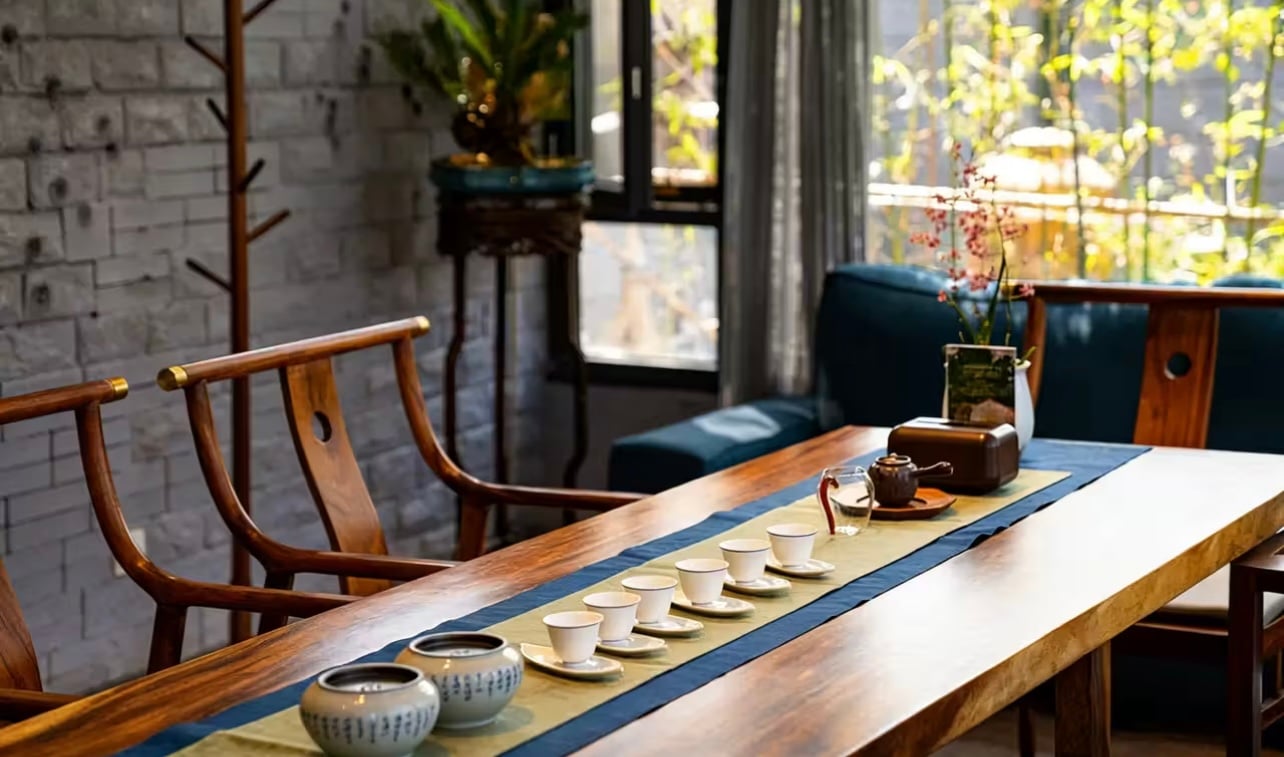
The Inspiration of Chinese Tea
OVER 10000+ STUDENTS
HAVE STUDIED AT KEATS
It is very comfortable studying at Keats. The teachers are very friendly. I welcome you to come to study Chinese in China at Keats.
The place is very cool. I am with a great group of people in my class, so coming to classes is very enjoyable. It is fun, we have a lot of discussions, games, activities. Our teachers are also very good, very supportive. Learning Chinese is intimidating at the start because you have so many questions. But I would advise coming to Keats because the atmosphere for learning is great. It is very relaxing. I would recommend the school.
The teachers at Keats know how to read the students and how to help students learn Chinese language easily. They know the level of the students. I am a slow learner, but they managed to adapt to my learning. They made the class very fun, very exciting. I am pleased that not only I got to learn the culture and the language, but I also got to make amazing friends, really unbelievable, Chinese friends and European friends, American friends, from all over the world.
I found Keats School and I am so glad that I did. When you learn Chinese in China at Keats, you are fully being taken care of. My teacher is really great and we become lovely friends.
I am a graduate student working on my doctorate degree at Columbia University. We were able to really focus on speaking especially interview-style speaking and we are able to really up my Chinese reading and writing skills, so when I go back to Columbia, I can take formal Chinese classes. It has been a really good experience and I really love my teacher.
One thing I really liked was that I was able to work with my teacher to make an individual plan of study. Another really nice thing is that you live at the school, you feel completely safe. You always have a group of people who are willing to do things with you on the weekends or in the evenings. They are serving you all the 3 meals a day, the food was excellent.
It is very convenient to come to Kunming from Thailand. I really like my Chinese class and my Chinese improved a lot in a few months. There are many benefits of learning Chinese. The best thing I like about Keats is that it is in Kunming, a city with eternal spring. There is so much to see in Kunming and you will love this city after you come.
I can’t tell you how much I liked it. The thing I liked about the teachers and the teaching method is that there is so much flexibility. The other thing I liked about the teaching is the combination of classic textbook learning and going outside. I loved it! I like getting to know other students. Everybody shared the same goal and that’s making their Chinese better. Kunming is a big city, but it is very safe to live here. Another thing I liked about Keats is the idea that people here help you. I can’t recommend it enough. I think it was a valuable experience. Looking forward to coming back!