

Chinese Language Courses in Guangzhou
- Intensive One-on-One Chinese Classes
- HSK Test Preparation Course
- Chinese Language Course + Tour in China
- Study Tour in China (for groups)

Intensive One-on-One Chinese Classes
- Personal study plans
- Best teachers and private lessons
- Full immersion experience
- Full services (study + single room accommodation)
- Start on any Monday
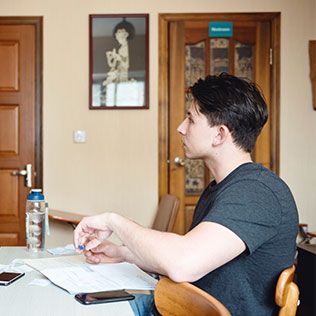
HSK Test Preparation Course
- Start anytime
- HSK experts with years of experience
- Get test scores improved significantly
- Intensive one-on-one Chinese class
- Full services (study + single room accommodation)
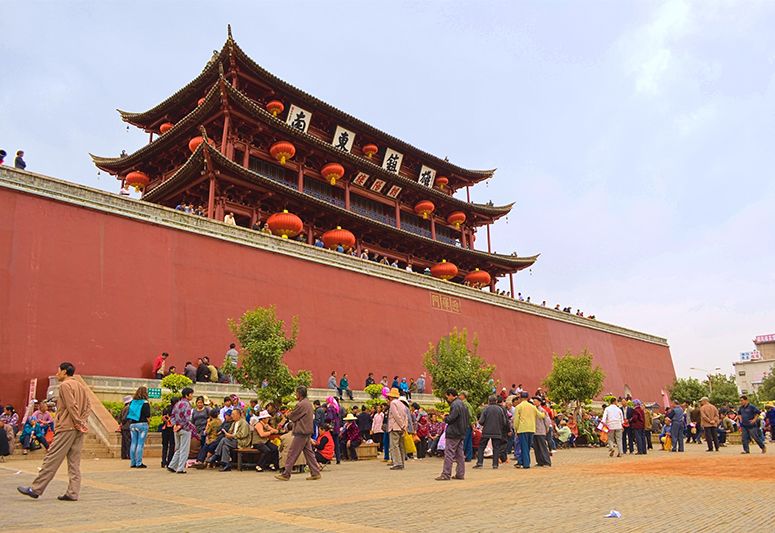
Chinese Language Course + Tour in China
- Private one-on-one Chinese lessons
- Full services (study + accommodation)
- Excursions and tours with your teacher
- Travel to Dali, Lijiang, Shangri-la, Beijing, Xi'an, Guilin, Shanghai, Zhangjiajie, etc.
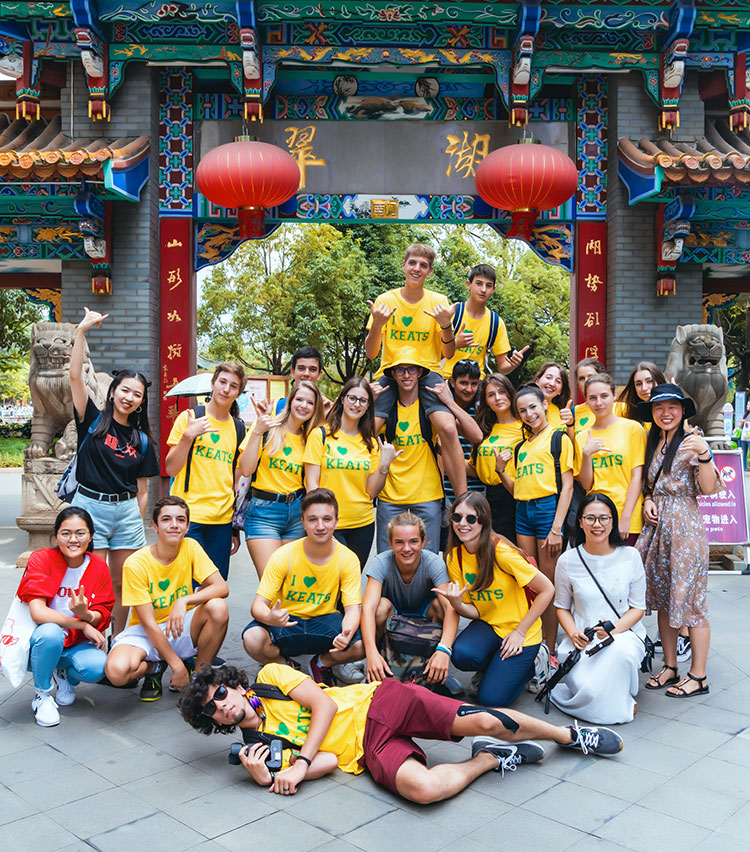
Study Tour in China (for groups)
- Designed for high schools, universities, companies, and organizations
- Chinese course with group activities
- Professional Chinese teachers
- A true Chinese immersion experience
Intensive One-on-one Chinese Lesson
Intensive One-on-one Chinese Lesson
Choose to study Chinese in Guangzhou at either 4 hours per day (20 hours/week) or 6 hours per day (30 hours/week). If you want to study Mandarin in China, the intensive one-on-one Chinese course is the fastest way to improve your Chinese.
We use unique teaching methods developed by Keats. Your Chinese teacher(s) will tailor your lessons to your Chinese level and learning goals, ensuring you learn the most Chinese in the shortest possible time.
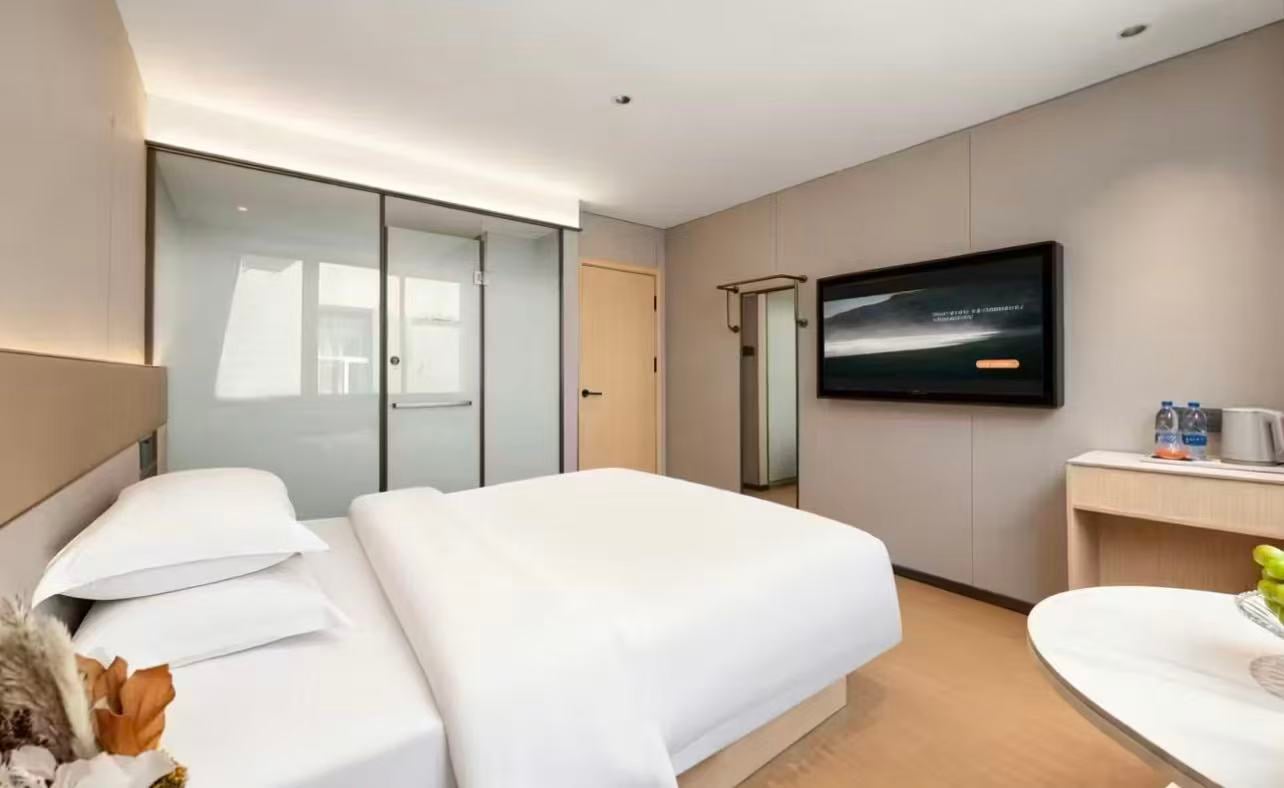
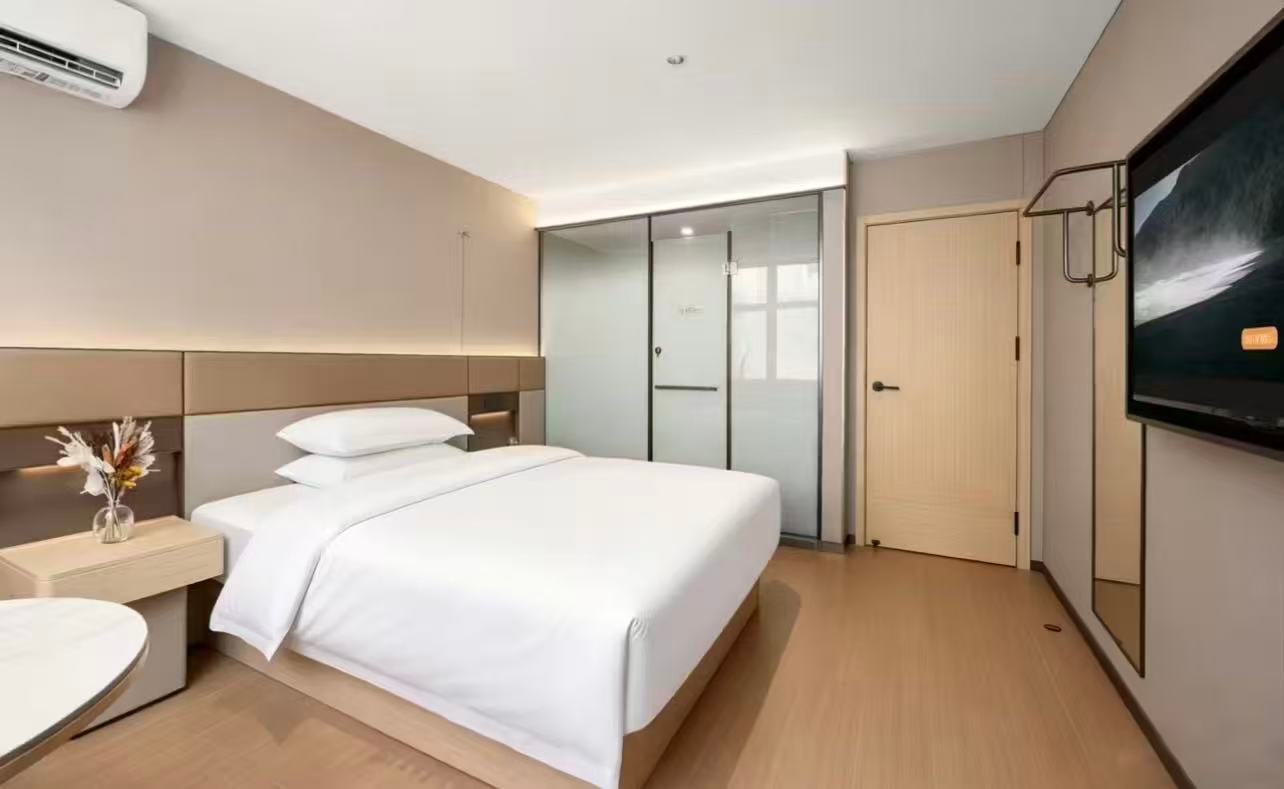
Hotel accommodation is included.
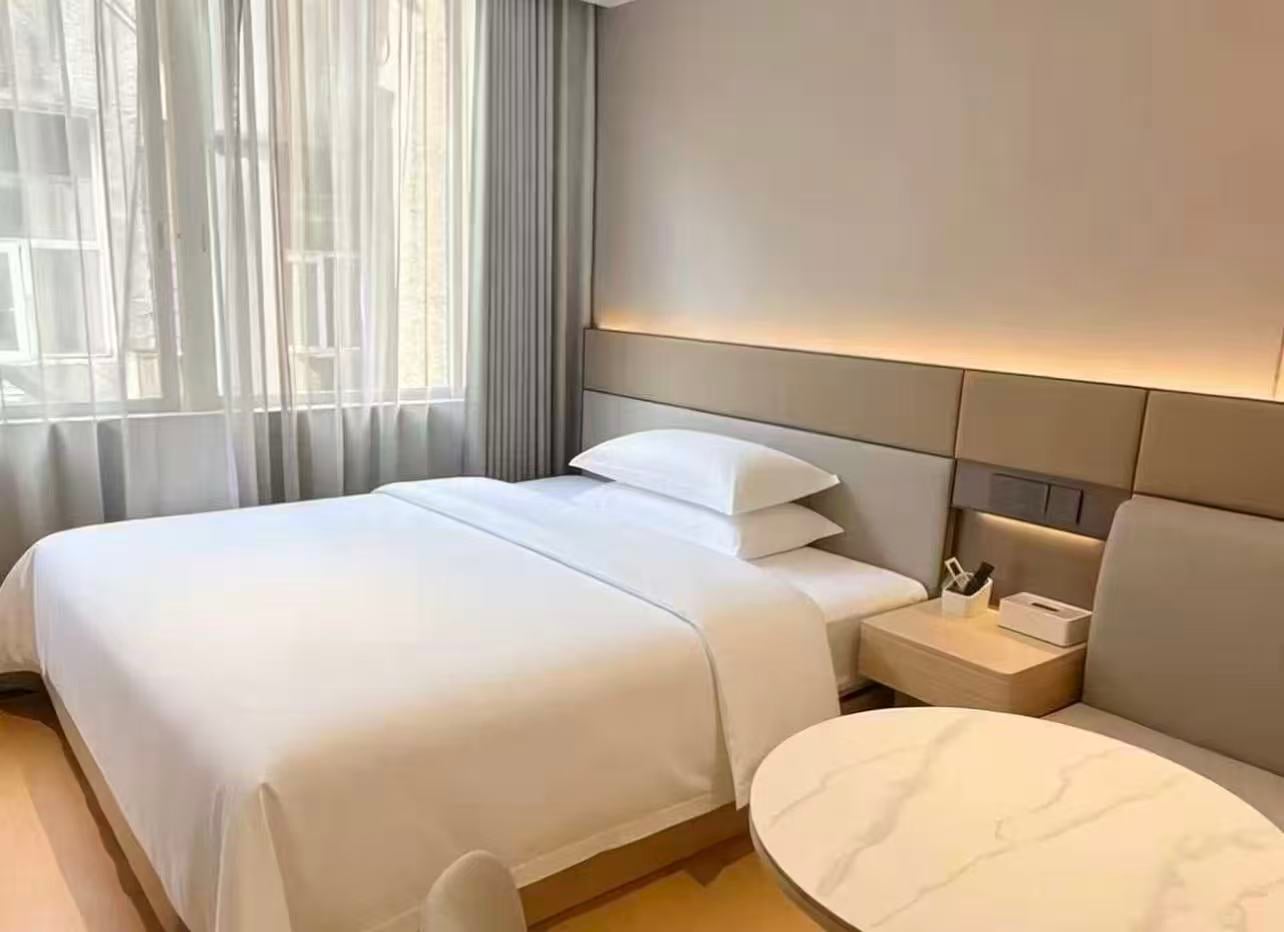
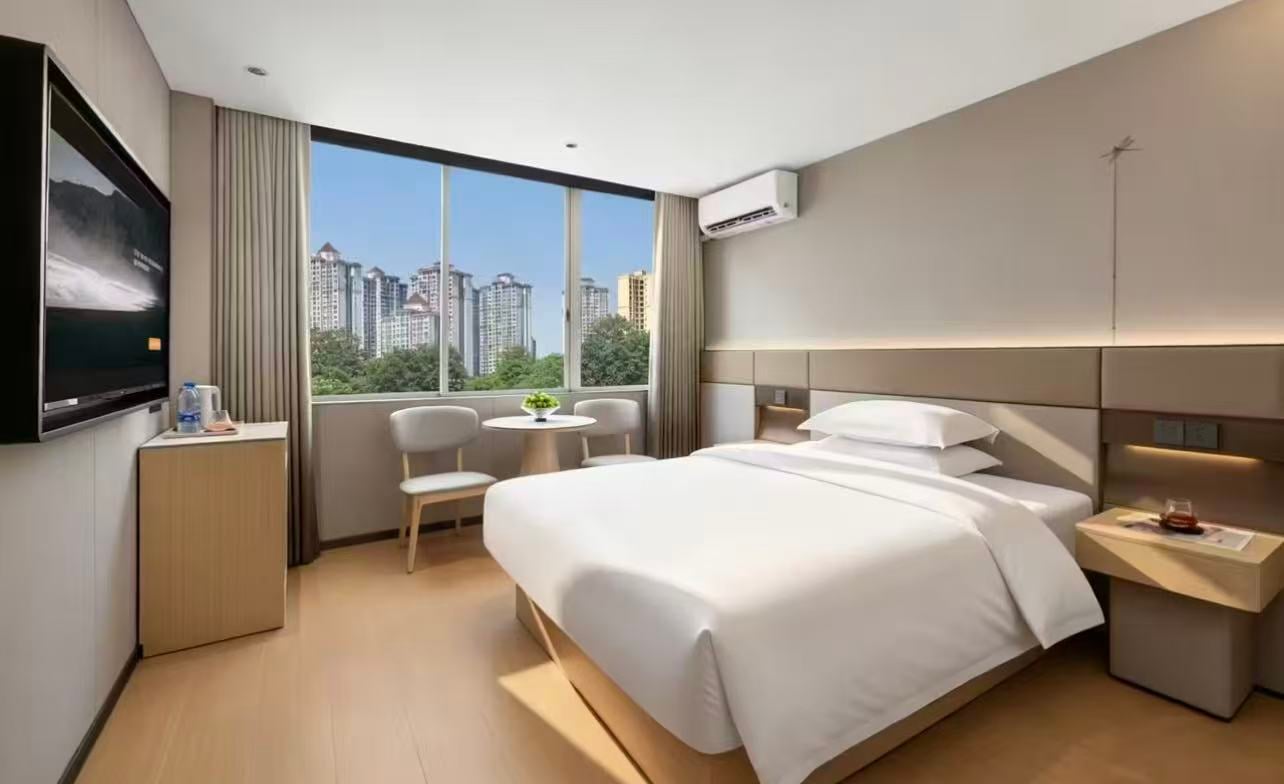
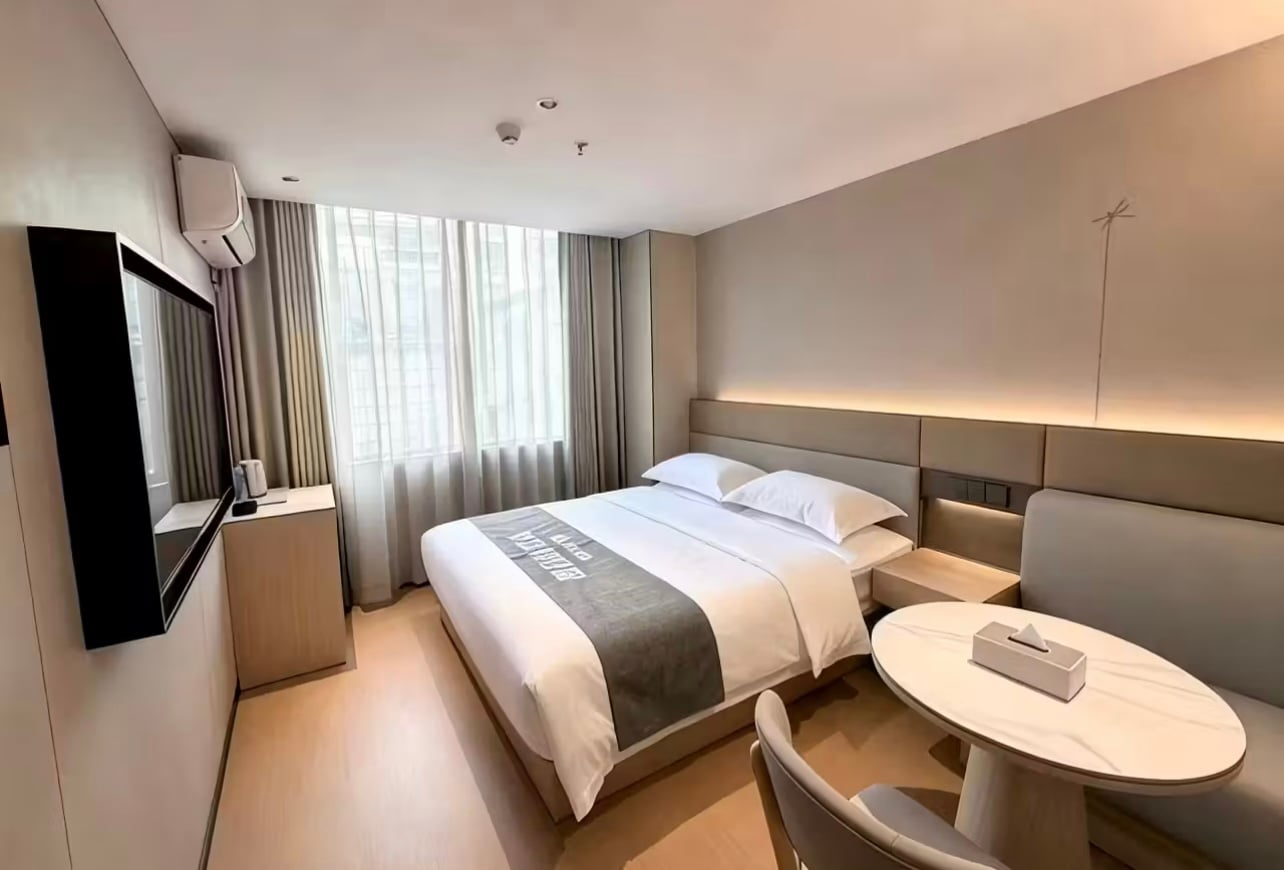
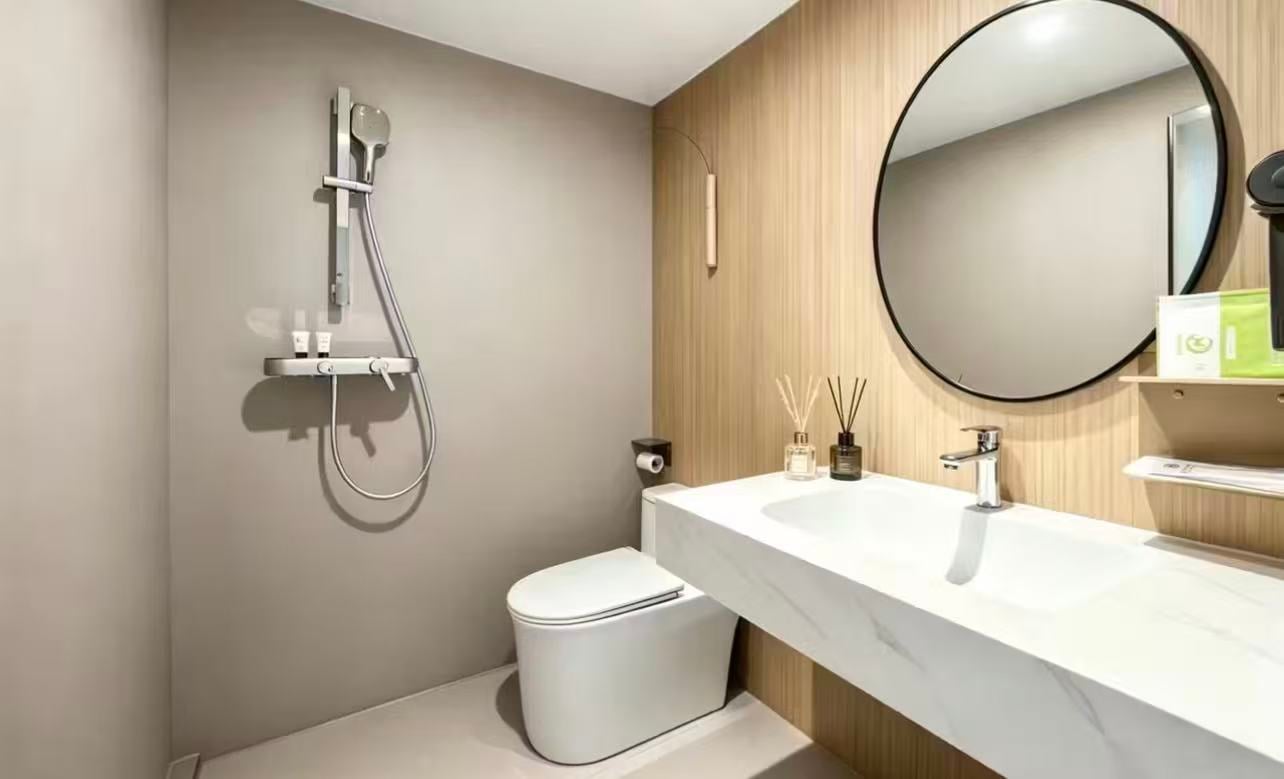
Accommodation in Guangzhou
Accommodation in Guangzhou
- Single/Double room accommodation with private bathroom
- Clean, safe and comfortable
- Room cleaning service every day

Why Learn Chinese in Guangzhou?
Why Learn Chinese in Guangzhou?
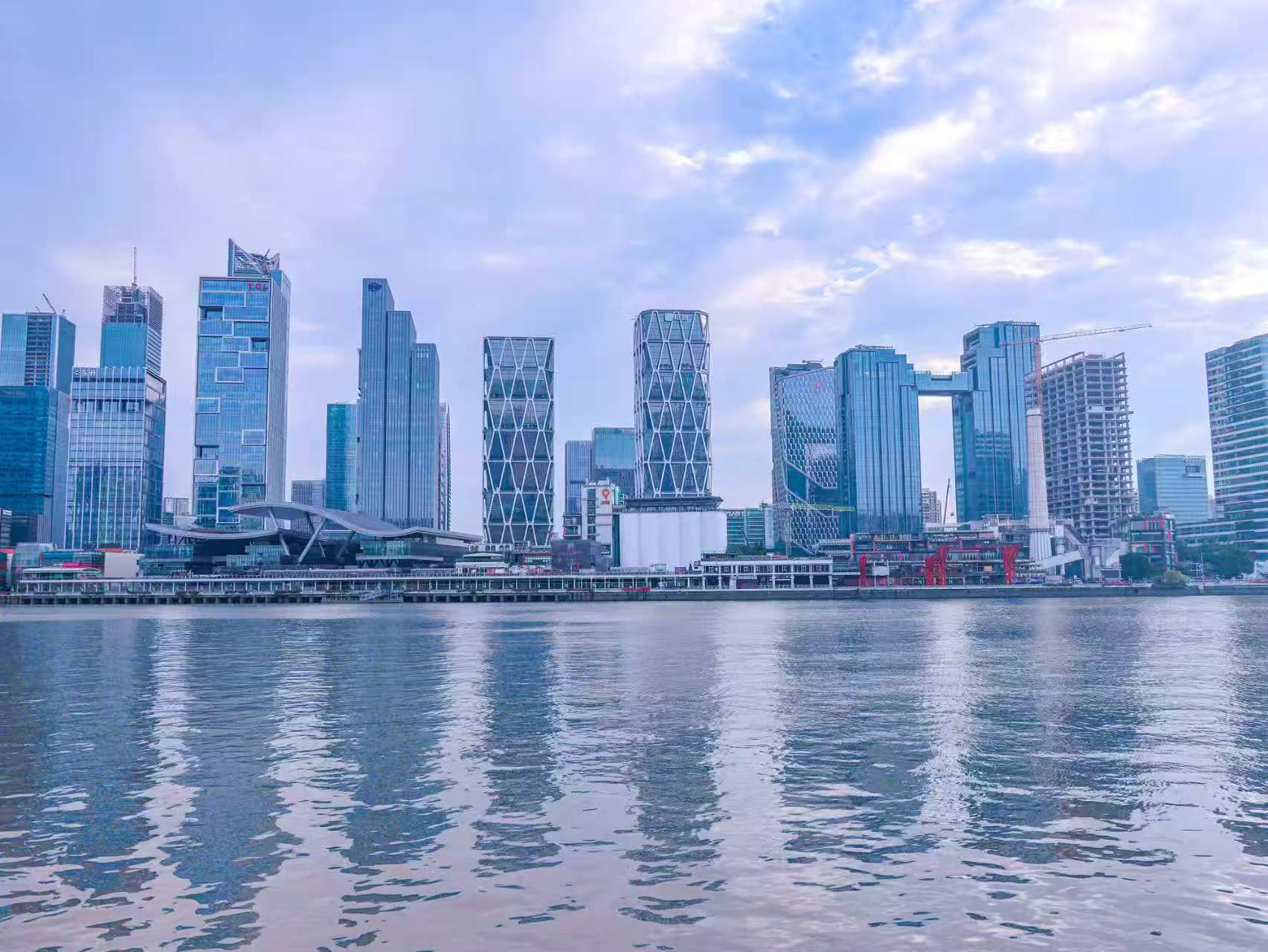
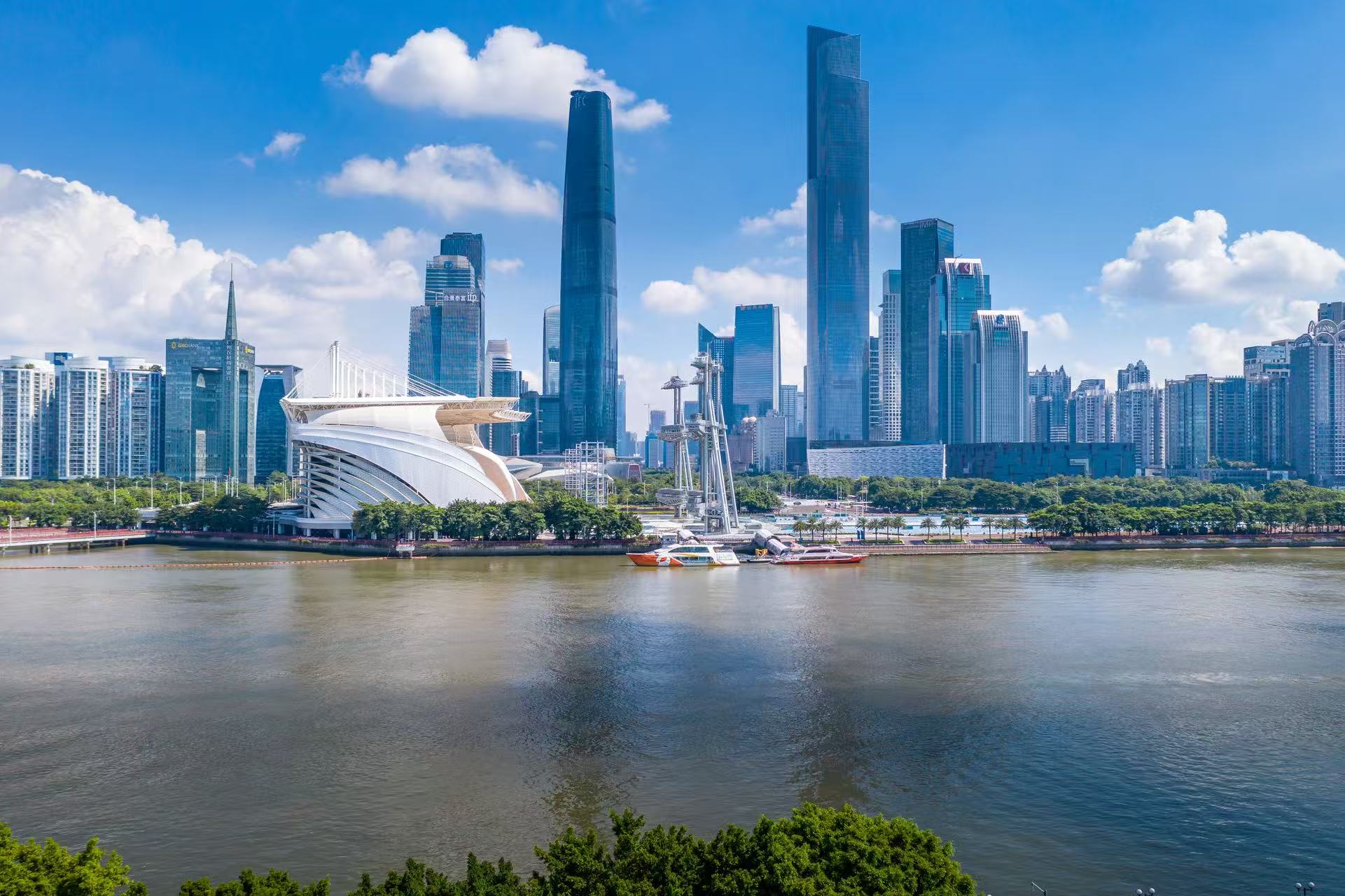
Guangzhou is the perfect place to fall in love with learning Chinese. The city’s warm, welcoming atmosphere makes practicing with locals feel natural and fun. Every street, market, and teahouse becomes your classroom—you learn by talking, tasting, and exploring. Mandarin surrounds you daily, and Cantonese adds a rich cultural layer you won’t find up north. Guangzhou is affordable, safe, and full of friendly people happy to help you improve. Whether you’re ordering dim sum or making friends, every moment becomes a language lesson.
Sightseeing After Class with Your Teacher
Sightseeing After Class with Your Teacher
- The best part of studying in Guangzhou is that your teacher accompanies you on daily sightseeing after class, creating a pure Chinese language environment. Your teacher will practice Chinese with you in real-life situations. Studying Chinese in Guangzhou not only focuses on the language but also offers the chance to explore the city with your teacher.
- Note: Entrance tickets and transportation fees (if any) for after-class sightseeing are not included in the tuition fee.
Full Immersion in Chinese
Full Immersion in Chinese
- If you prefer a full Chinese immersion environment with no English, Guangzhou is for you. Don’t be surprised if you’re the only student there, as students arrive at different times throughout the year.
- If you prefer a large, lively international student community or a school community experience, choose to learn Chinese in Kunming at the Kunming campus or learn Chinese in Chengdu at the Chengdu campus.
How to Get to Guangzhou?
How to Get to Guangzhou?
Fly into Guangzhou Baiyun International Airport (CAN), the main gateway. It connects to major cities worldwide.
If you’re coming from Hong Kong, high-speed trains are fast and convenient. They run from West Kowloon Station to Guangzhou South or East Station in about 1 hour, costing roughly 185-240 yuan for second class.
Buses and ferries from Hong Kong are also available, though slower.

Learn Chinese in Guangzhou
10000+ Students Have Studied at Keats
TestimonialsPlace to Visit in Guangzhou - Canton Tower
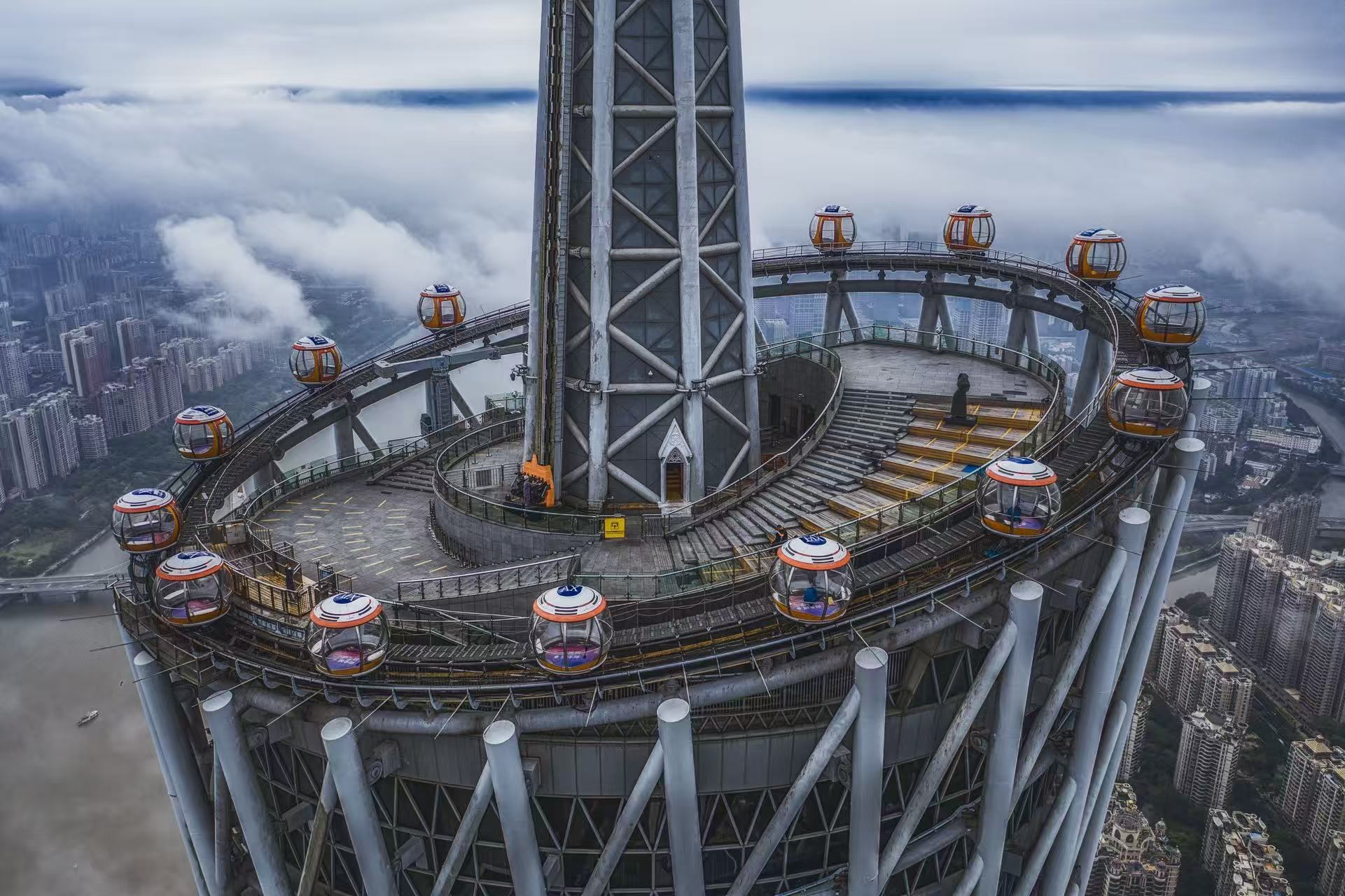
Place to Visit in Guangzhou - Canton Tower
The Canton Tower, standing 604 meters tall, is Guangzhou’s most iconic landmark with its distinctive twisted “thin waist” design. You can ascend to observation decks ranging from 433 meters to 488 meters, each offering breathtaking 360-degree views of the city and Pearl River. The 450-meter outdoor platform features the world’s highest Ferris wheel, while the 488-meter level is the highest outdoor observation deck globally. For the best experience, visit one hour before sunset to enjoy daylight, golden hour, and the dazzling night skyline all in one trip.
Place to Visit in Guangzhou - Chen Clan Ancestral Hall
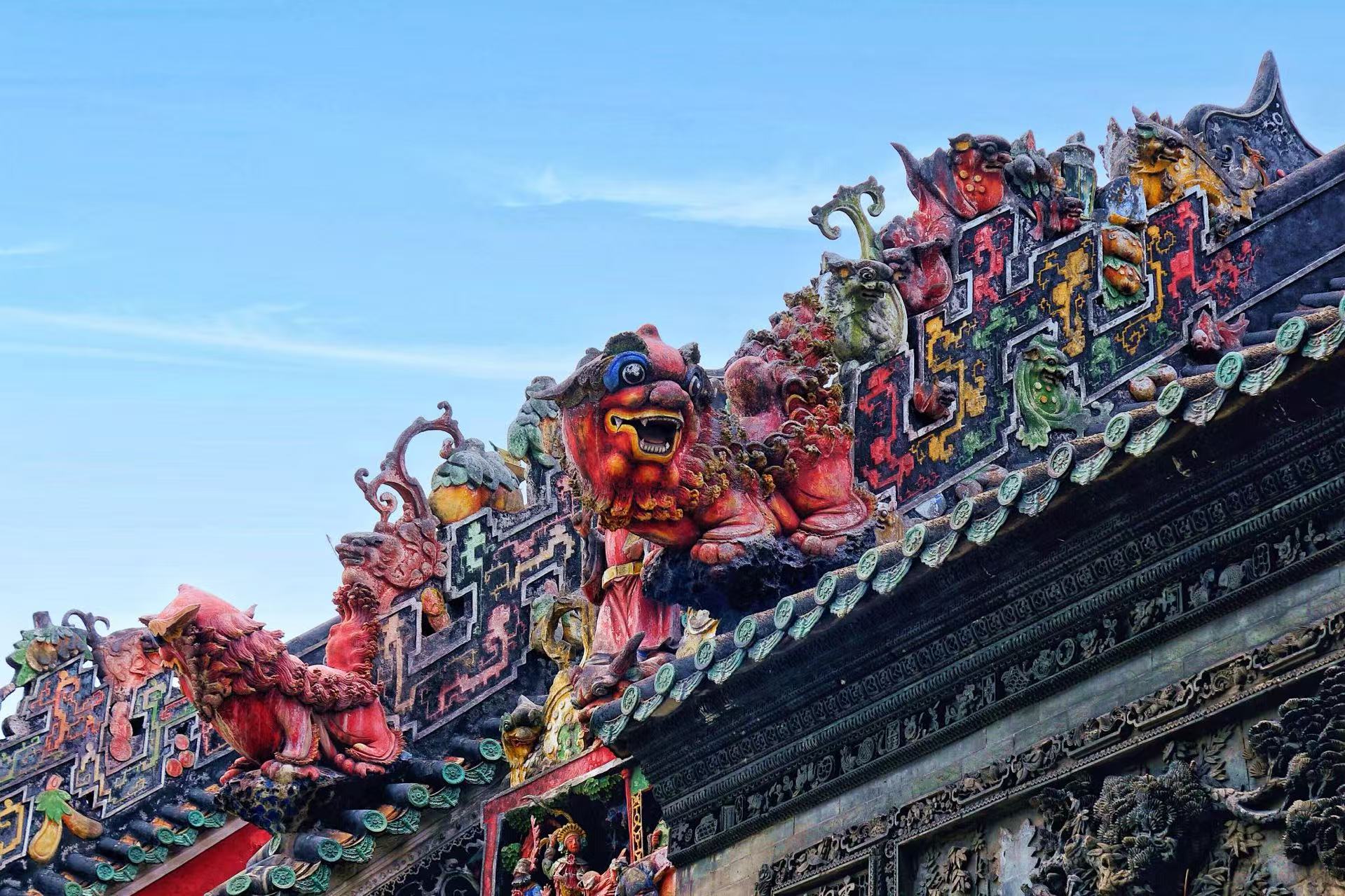
Place to Visit in Guangzhou - Chen Clan Ancestral Hall
Built between 1888 and 1893, Chen Clan Ancestral Hall is the largest and best-preserved traditional Cantonese architecture in China. This stunning complex showcases the pinnacle of Lingnan decorative arts, featuring exquisite wood carvings, brick carvings, stone carvings, pottery sculptures, and colorful murals throughout its halls and courtyards. Now housing the Guangdong Folk Art Museum, it displays over 20,000 pieces of Ming and Qing dynasty crafts. A visit here offers deep insight into Cantonese clan culture and traditional craftsmanship.
Place to Visit in Guangzhou - Shamian Island
Place to Visit in Guangzhou - Shamian Island
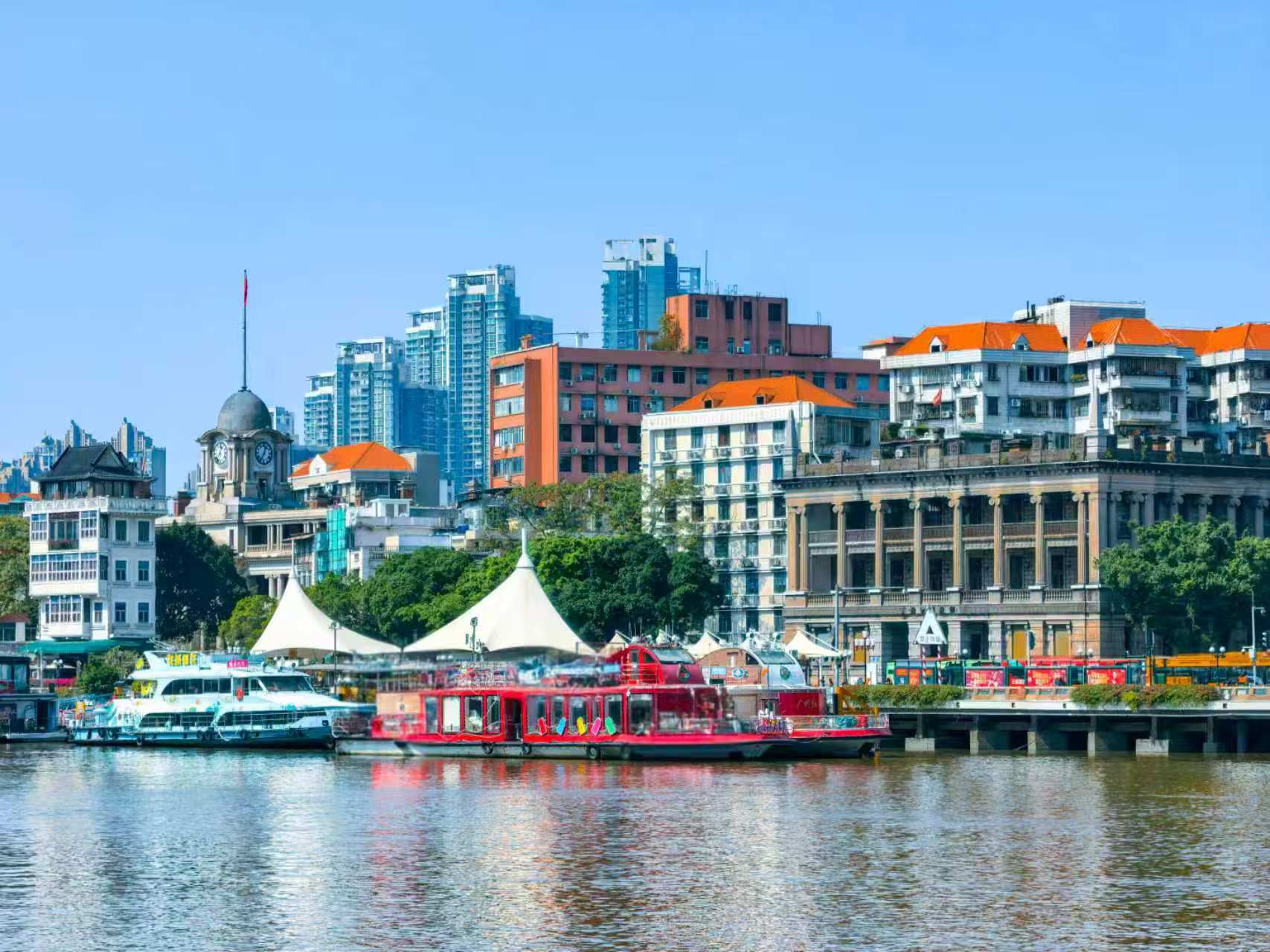
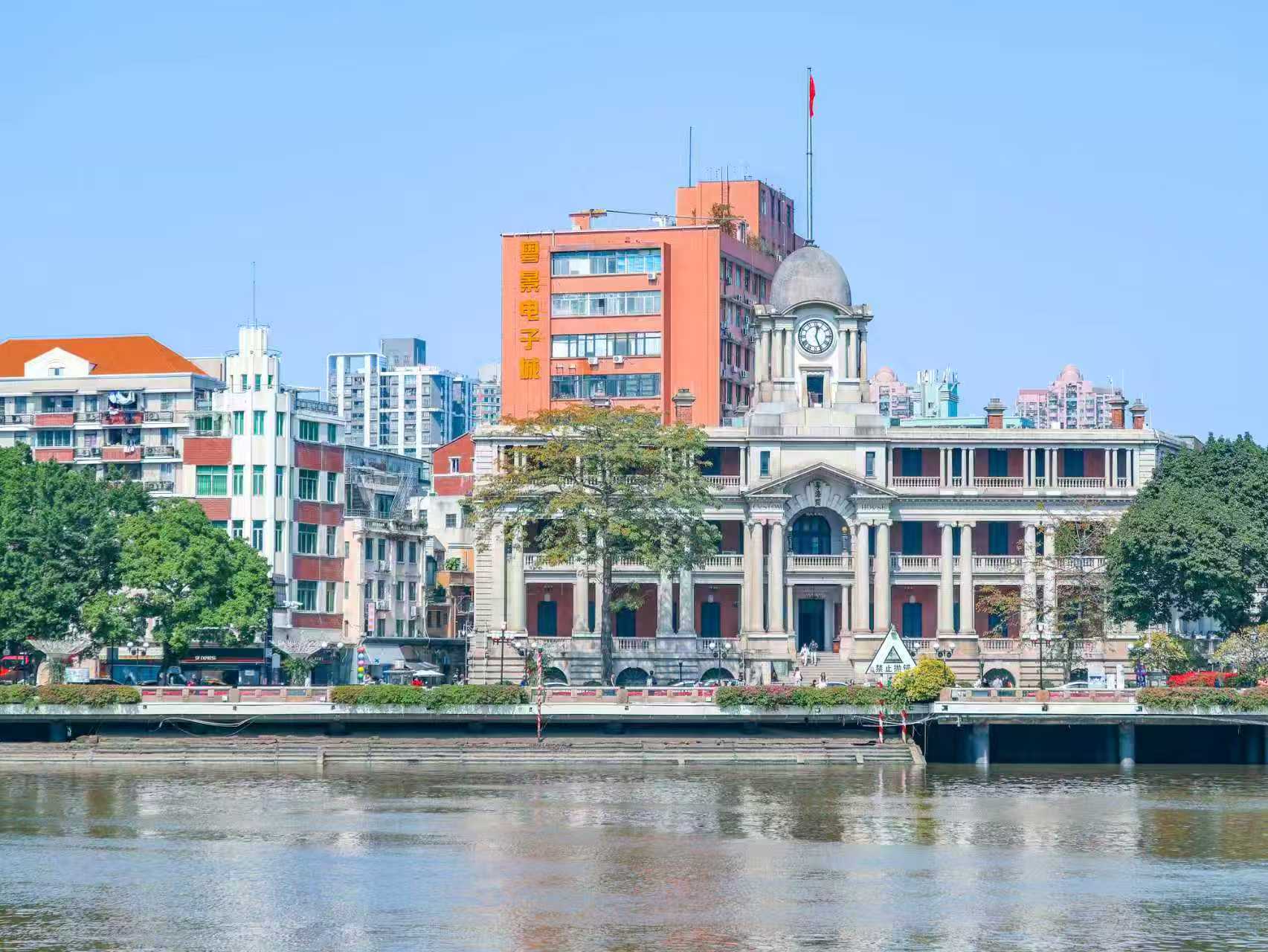
Shamian Island is a tranquil, tree-lined enclave that served as a British and French concession in the 19th century. This pedestrian-friendly island preserves over 150 European-style buildings, including neoclassical banks, churches, and consulates, earning it the nickname “Open-Air Architecture Museum.” Century-old banyan trees shade cobblestone streets, creating a romantic atmosphere perfect for leisurely strolls. The former French Bank of Indochina building now houses cafes, and the customs house stands as a reminder of Guangzhou’s trading history. It’s a peaceful escape from the city’s bustle.
Place to Visit in Guangzhou - Yongqingfang
Place to Visit in Guangzhou - Yongqingfang
Yongqingfang represents Guangzhou’s award-winning urban renewal, transforming a historic Xiguan district into a vibrant cultural destination. The area preserves traditional Lingnan architecture—blue brick houses, wooden doors, and patterned windows—while injecting modern creative energy. It’s home to Bruce Lee’s ancestral home, the Cantonese Opera Art Museum, and Guangzhou’s first intangible cultural heritage street with workshops for embroidery, porcelain painting, and bone carving. Over 150 shops and cultural spaces now thrive here, making it a perfect blend of old-town charm and contemporary lifestyle.
Place to Visit in Guangzhou - Baiyun Mountain
Place to Visit in Guangzhou - Baiyun Mountain
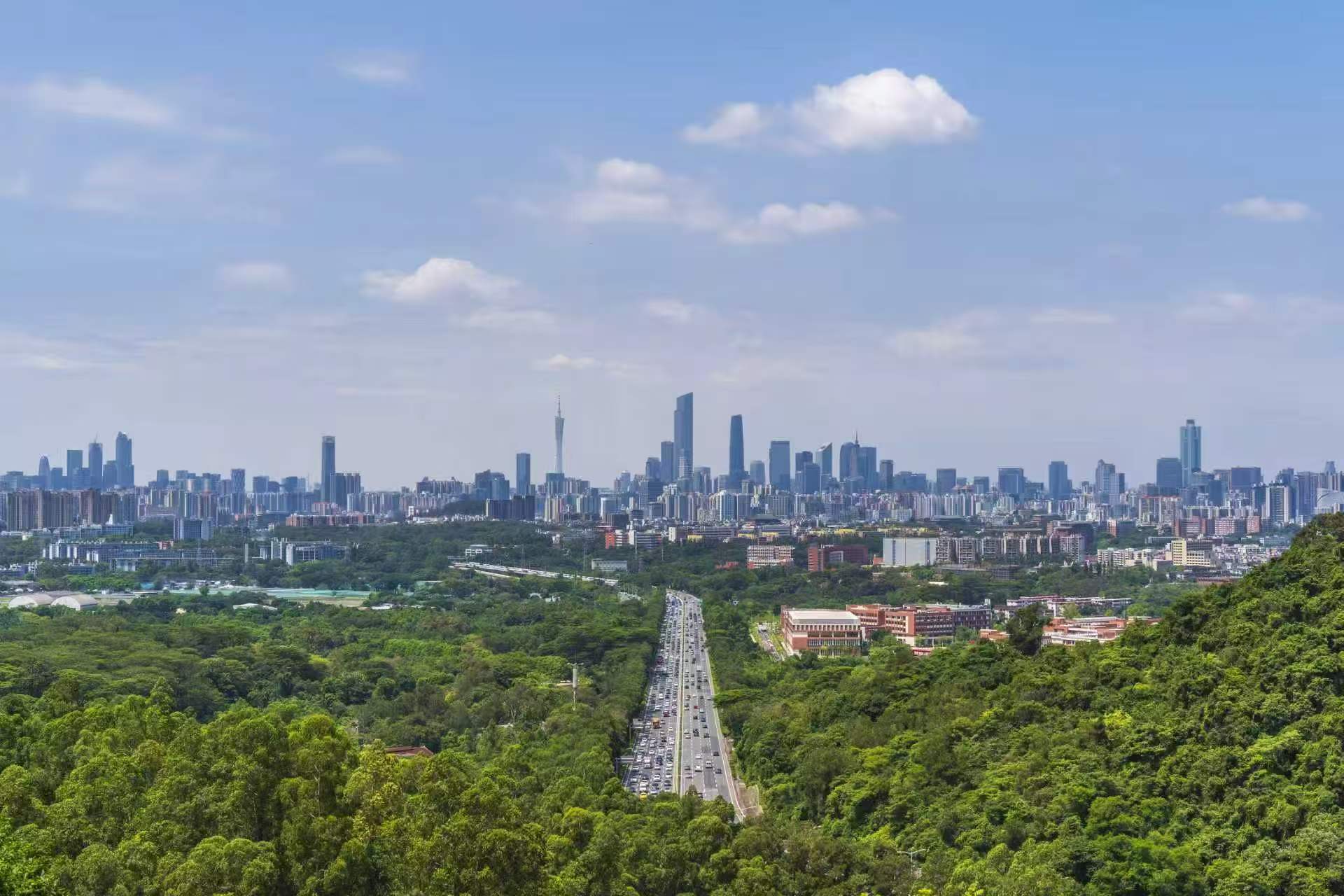
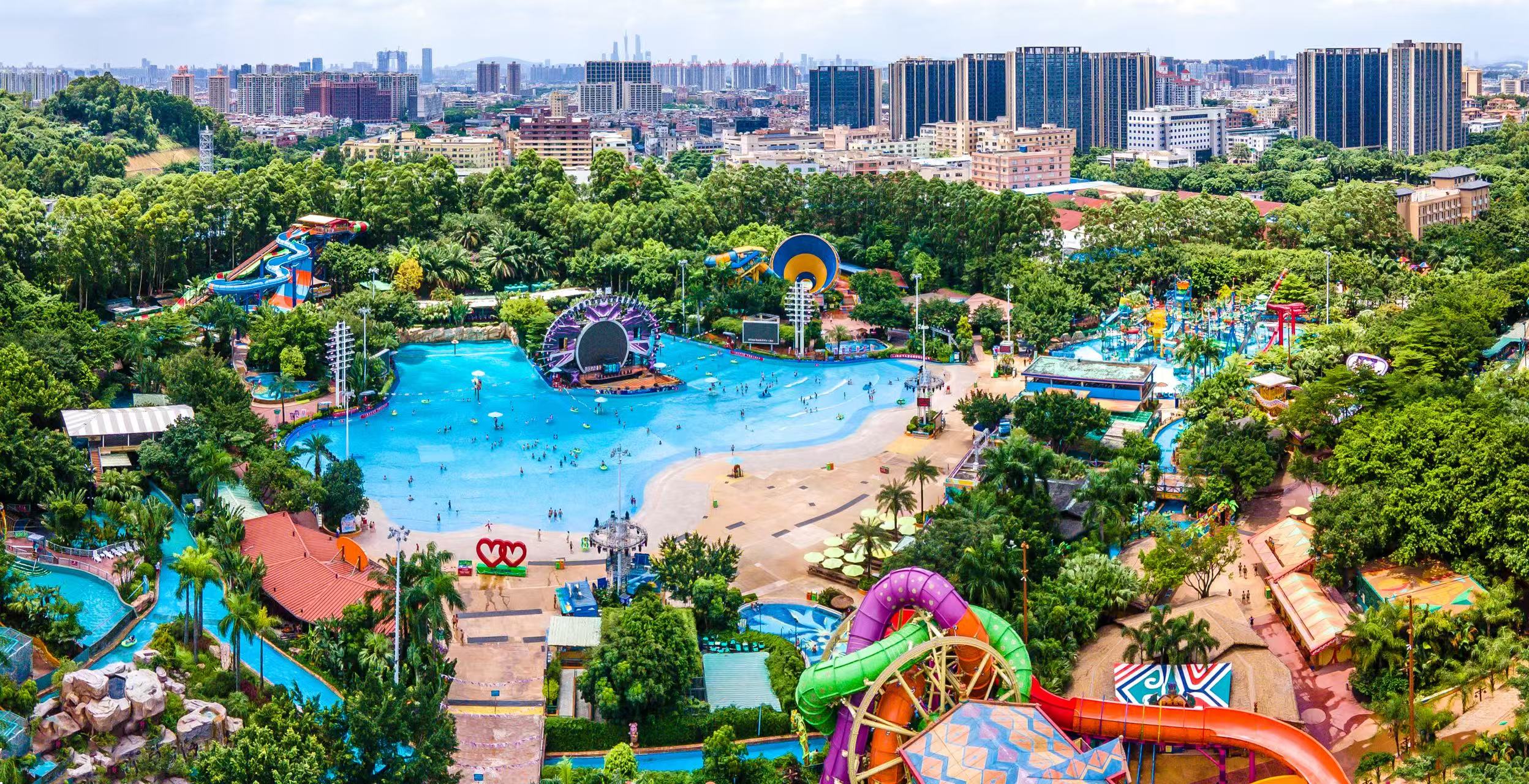
Known as the “First Spectacle of Yangcheng,” Baiyun Mountain is Guangzhou’s green lung, covering 21.8 square kilometers with over 30 peaks. The highest point, Moxing Ridge at 382 meters, offers panoramic views of the city and Pearl River. With 95% greenery coverage and pristine air quality, it’s ideal for hiking, morning exercises, or simply escaping urban noise. Highlights include Mingzhu Lake, the Peach Blossom Stream, and the historic Nengren Temple. The scenic area also features the Cloud Brook and Cloud Rose botanical gardens, showcasing rich biodiversity and landscaped beauty.
Place to Visit in Guangzhou - Yuexiu Park
Place to Visit in Guangzhou - Yuexiu Park
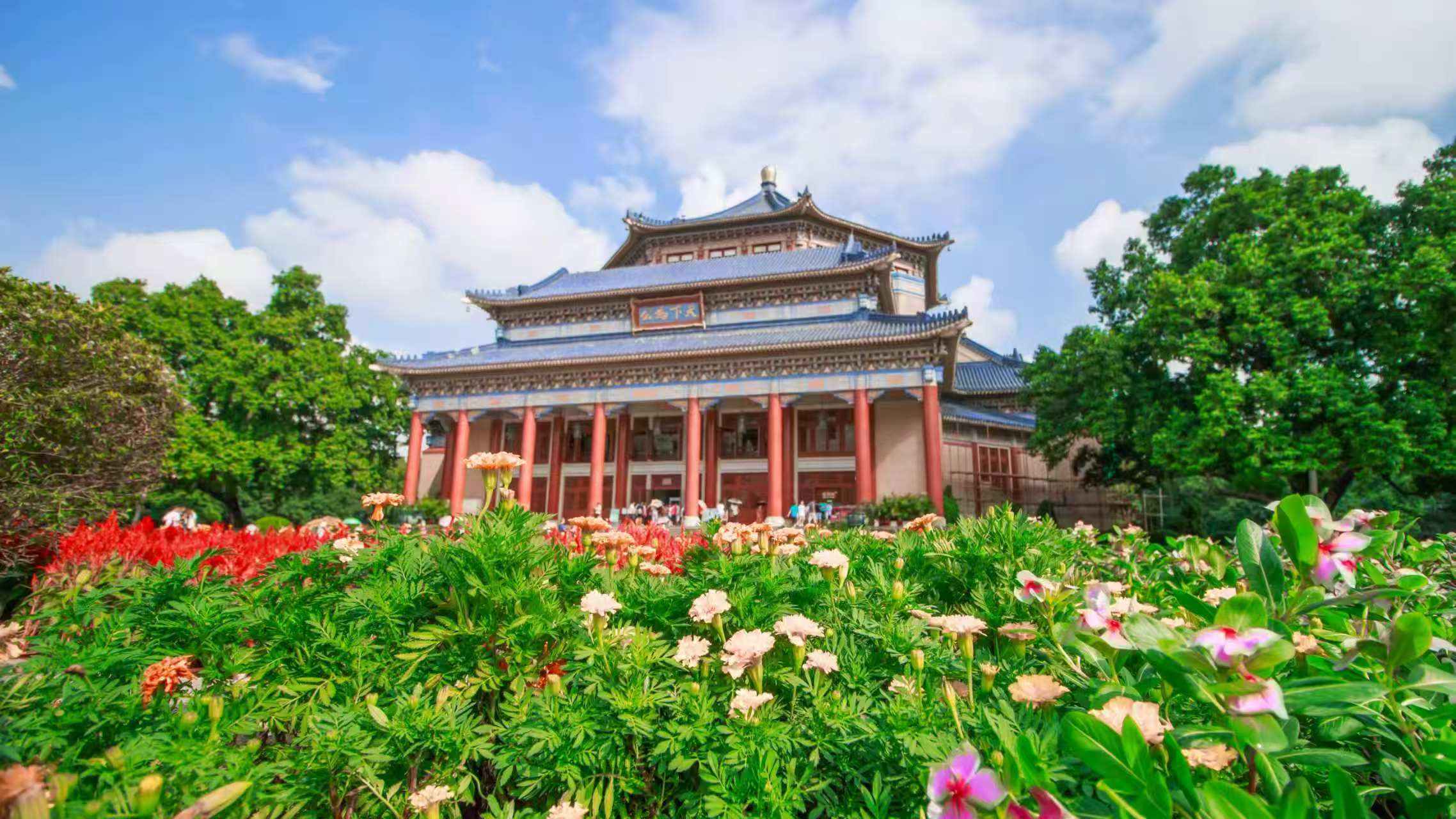
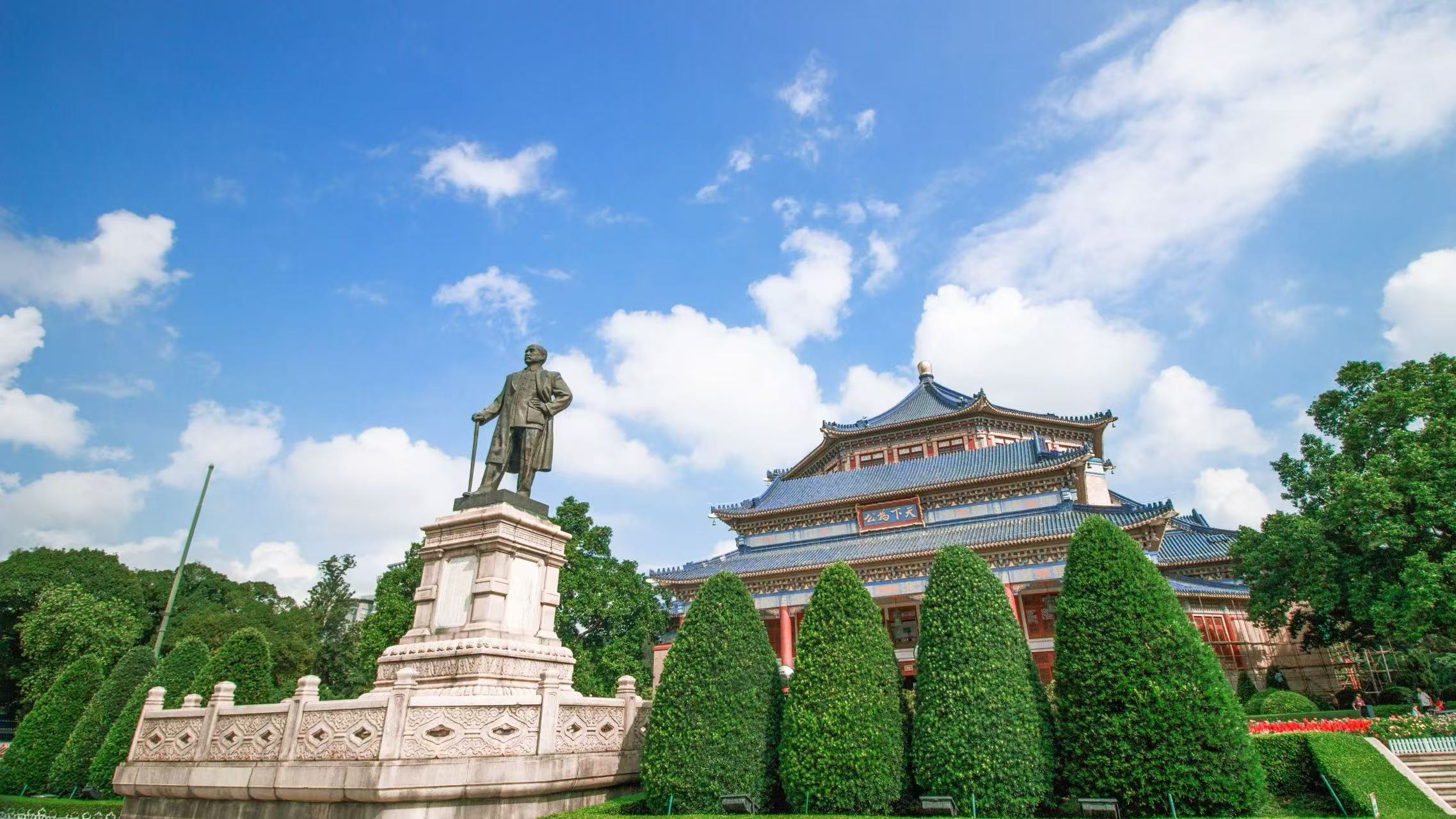
Yuexiu Park is Guangzhou’s largest and most historically significant urban park, home to the iconic Five Rams Statue—the city’s symbol. Within its grounds, you’ll find the Zhenhai Tower (a 600-year-old “Lingnan First Tower”), the Ming Dynasty city wall, and the Sun Yat-sen Monument. The park’s North Lake offers picturesque scenery with flamingo-shaped boats and a nostalgic stage. Ancient trees, some over 300 years old, stand alongside modern cultural spaces like the Yuexiu Academy. Free and open daily from 6 AM to 10 PM, it’s where locals and visitors alike experience Guangzhou’s living history.
Cuisine in Guangzhou - Dim Sum
Cuisine in Guangzhou - Dim Sum
Dim Sum is the heart and soul of Guangzhou’s food culture. Originating from the Cantonese tradition of “yum cha” (morning tea), it’s a ritual as much as a meal—families and friends gather over pots of tea and endless bamboo baskets of small dishes. Classics include shrimp dumplings (har gow), pork siu mai, steamed rice rolls, BBQ pork buns, and chicken feet. Each item is bite-sized, delicate, and freshly made. The experience isn’t just about eating; it’s about slowing down, sharing, and savoring. No visit to Guangzhou is complete without a proper dim sum morning.
Cuisine in Guangzhou - Roast Goose
Cuisine in Guangzhou - Roast Goose
Roast Goose is one of Cantonese cuisine’s most celebrated dishes and a point of local pride. The goose is marinated with a secret blend of spices, stuffed with aromatics, and roasted over a charcoal fire until the skin turns glossy, crisp, and amber-red. The meat beneath stays juicy, tender, and deeply flavorful. It’s typically served with a plum sauce that balances the richness. Guangzhou’s roast goose, especially from Panyu and Xiguan kitchens, is famous for its perfect crackling skin and succulent texture. For locals, it’s a must-have at festivals and family gatherings—a true taste of Cantonese mastery.
Cuisine in Guangzhou - Wonton Noodles
Cuisine in Guangzhou - Wonton Noodles
Wonton Noodles is a beloved Guangzhou comfort food with over a century of history. The dish features thin, springy egg noodles made with alkaline water, served in a clear, savory broth simmered from pork bones and dried flounder. The wontons are plump, filled with fresh shrimp and minced pork, wrapped in delicate skins. A proper bowl follows a strict ratio: noodles on top, wontons beneath, so they stay firm and don’t overcook. Simple yet refined, it’s the ultimate everyday dish—eaten for breakfast, lunch, or a late-night snack—and a true representation of Guangzhou’s understated culinary elegance.
FEES
1/5
CHOOSE A PROGRAM
- Intensive One-on-One Chinese Classes
- HSK Test Preparation Course
- Chinese Language Course + Tour in China
- Study Tour in China (for groups)
FAQ
What does the tuition fee include?
The tuition fee includes:
- 4/6 hours of one-on-one Chinese lessons per day Monday to Friday
- Accommodation (A clean and safe single/double room with private bathroom)
- Program Certificate
We also offer a list of free services for studying in Guangzhou:
- Airport pick-up and drop-off
- Internet access use without limit
- Saturday excursions
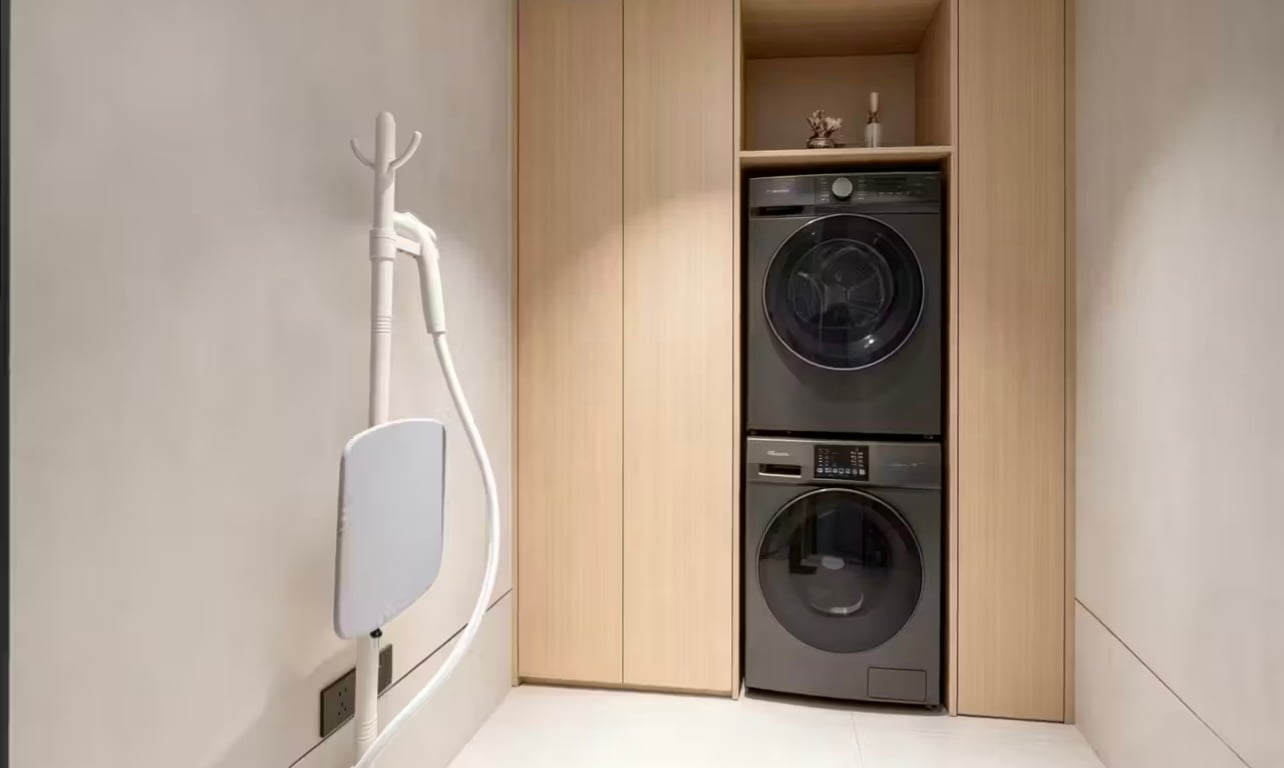
- Laundry
- A tour of the surroundings (bank, supermarket, post office etc.)
- Medicine for minor illnesses
- Advisors available to offer help
- 24/7 support
- Access to The Chairman’s Bao online learning platform
- Visa application assistance
- Room cleaning every day
How to Get to Guangzhou?
International travellers can reach Guangzhou primarily by air, with Guangzhou Baiyun International Airport (CAN) serving as the main gateway. The city also has good connections from Hong Kong by high-speed rail.
✈️ By Air
Flying is the most direct way to get to Guangzhou from most international destinations.
Main Gateway: Baiyun International Airport (CAN) connects to major cities worldwide, including New York, London, Sydney, and Toronto, among others.
Visa-Free Transit: If you are from one of 54 eligible countries (including the USA, UK, Canada, and Australia), you may be able to use the 240-hour visa-free transit policy when transferring through Baiyun Airport.
Terminal Tips: International flights may arrive at Terminal 2 or Terminal 3 depending on the airline. Both terminals have “one-stop” service hubs in the international arrivals hall. They operate 24/7 and can help you with SIM cards, mobile payments, transport booking, and currency exchange.
Power Bank Rule: Note that power banks are not allowed in checked baggage and must have the required “CCC” certification mark to pass security.
🚄 From Hong Kong by Rail
If you are already in Hong Kong, taking the high-speed train to Guangzhou is a convenient option.
What's the year around temperature in Guangzhou?
☀️ Seasonal Overview
Summer (June–August): This is the hottest and wettest time of year. July is typically the peak, with average highs around 33°C (91°F). It is also very humid and receives the bulk of the annual rainfall.
Winter (December–February): Winters are mild but can feel chilly and damp. January is the coldest month, with average lows around 11°C (52°F). While rare, temperatures can occasionally dip near freezing during cold snaps.
Spring & Autumn: These are transitional periods. Spring (March–May) warms up quickly but can be unstable with high humidity and rain. Autumn (September–November) sees temperatures gradually cool down and is often considered one of the more comfortable times to visit.
Given the high humidity, the heat in summer can feel more intense than the numbers suggest. If you are planning a trip, aim for October to December for the most pleasant weather.
Which Chinese Language Program
is right for you?
CHINESE LANGUAGE PROGRAMS
OVER 10000+ STUDENTS HAVE STUDIED AT KEATS