Chinese Language Courses in Wuzhen
Intensive One-on-One Chinese Classes


Intensive One-on-One Chinese Classes
- Personal study plans
- Best teachers and private lessons
- Full immersion experience
- Full services (study + single room accommodation)
- Start on any Monday
HSK Test Preparation Course

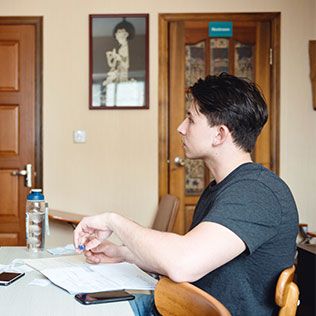
HSK Test Preparation Course
- Start anytime
- HSK experts with years of experience
- Get test scores improved significantly
- Intensive one-on-one Chinese class
- Full services (study + single room accommodation)
Chinese Language Course + Tour in China

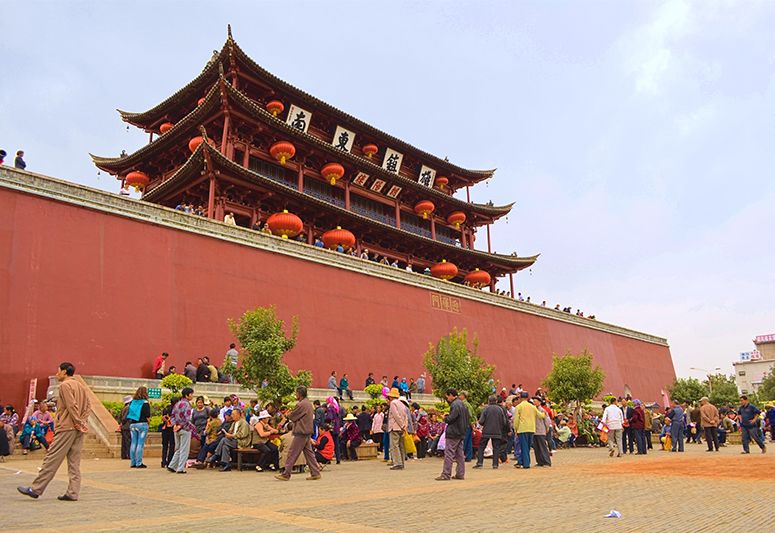
Chinese Language Course + Tour in China
- Private one-on-one Chinese lessons
- Full services (study + accommodation)
- Excursions and tours with your teacher
- Travel to Dali, Lijiang, Shangri-la, Beijing, Xi'an, Guilin, Shanghai, Zhangjiajie, etc.
Study Tour in China (for groups)

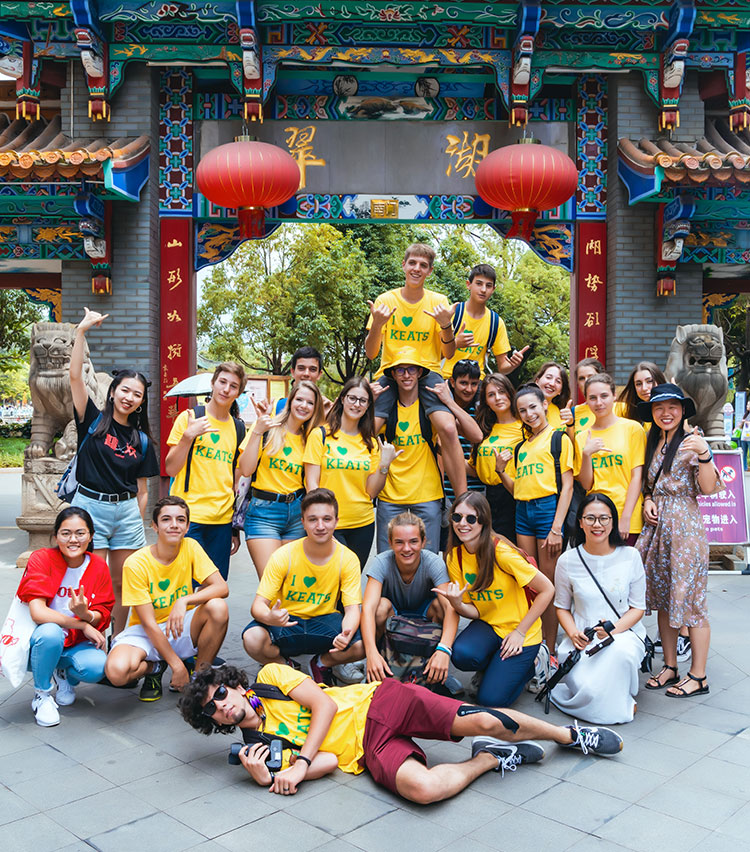
Study Tour in China (for groups)
- Designed for high schools, universities, companies, and organizations
- Chinese course with group activities
- Professional Chinese teachers
- A true Chinese immersion experience


Intensive One-on-one Chinese Lesson
You can choose to study Chinese in Wuzhen for 4 hours per day (20 hours/week) or 6 hours per day (30 hours/week). If you want to study Mandarin in China, the intensive one-on-one Chinese course is the fastest way to improve your Chinese.
We use unique teaching methods developed by Keats. Your Chinese teacher(s) will prepare your lessons according to your level of Chinese and your learning goals to ensure that you learn the most Chinese in the shortest possible time.
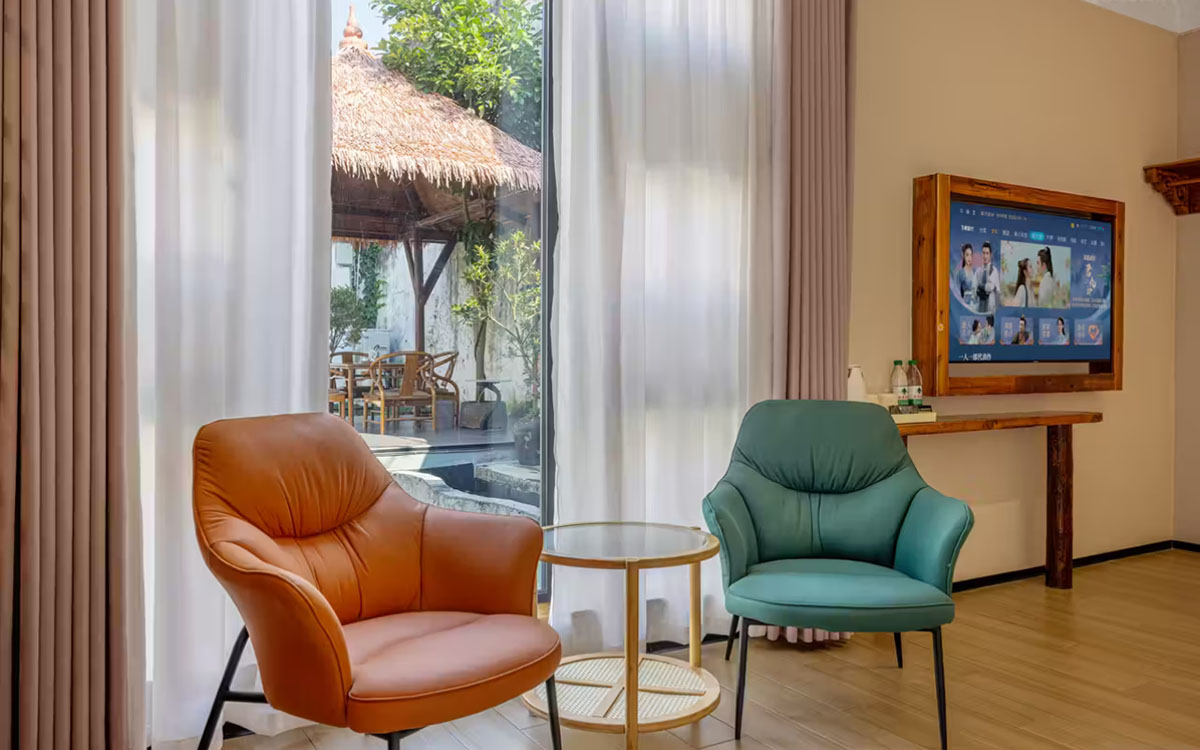
Hotel accommodation is included.

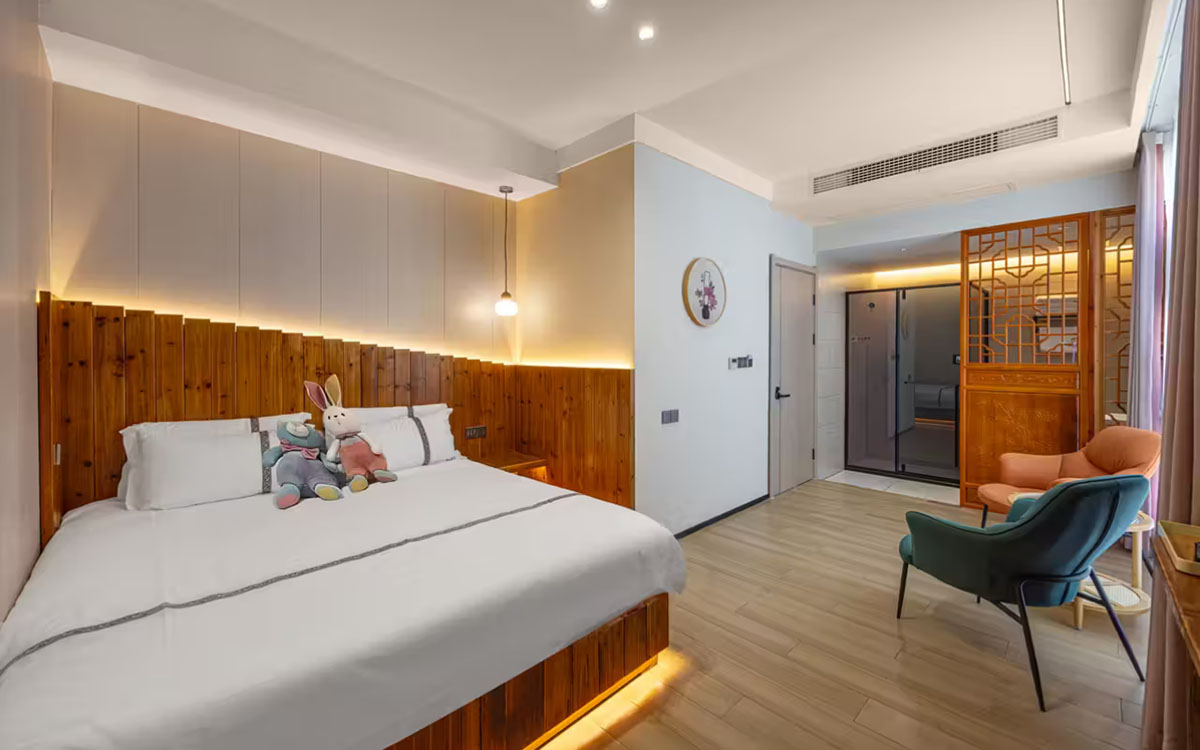
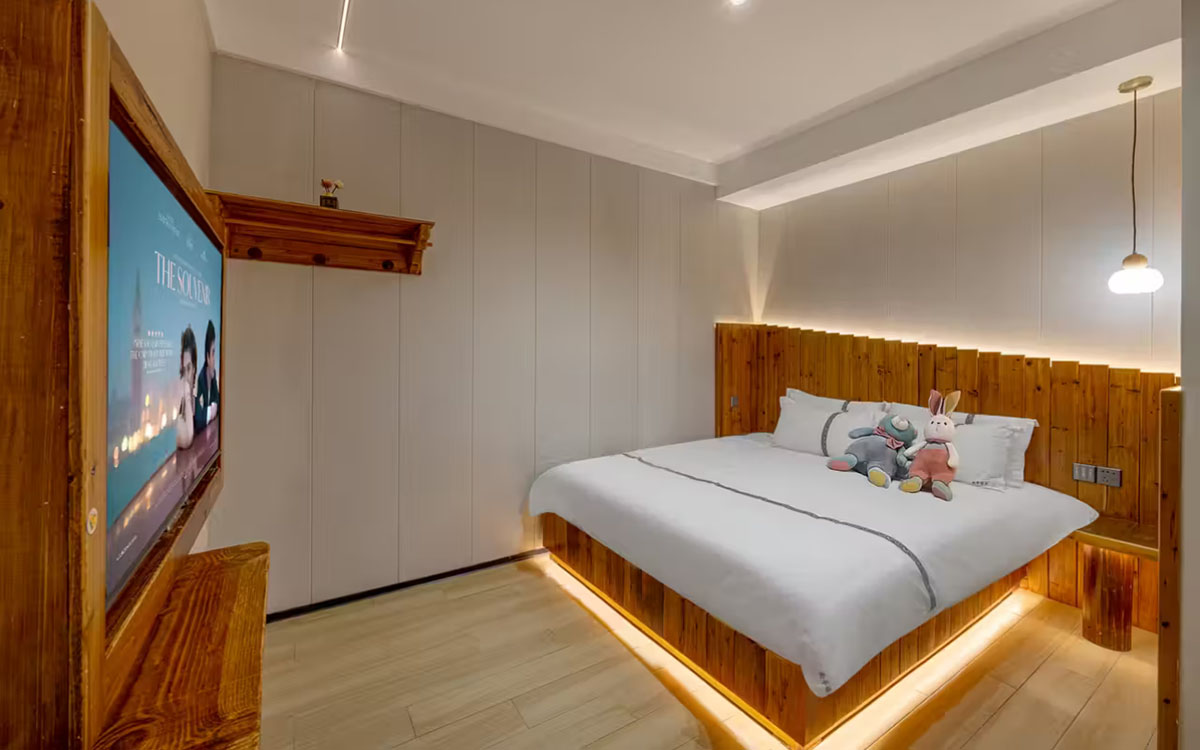
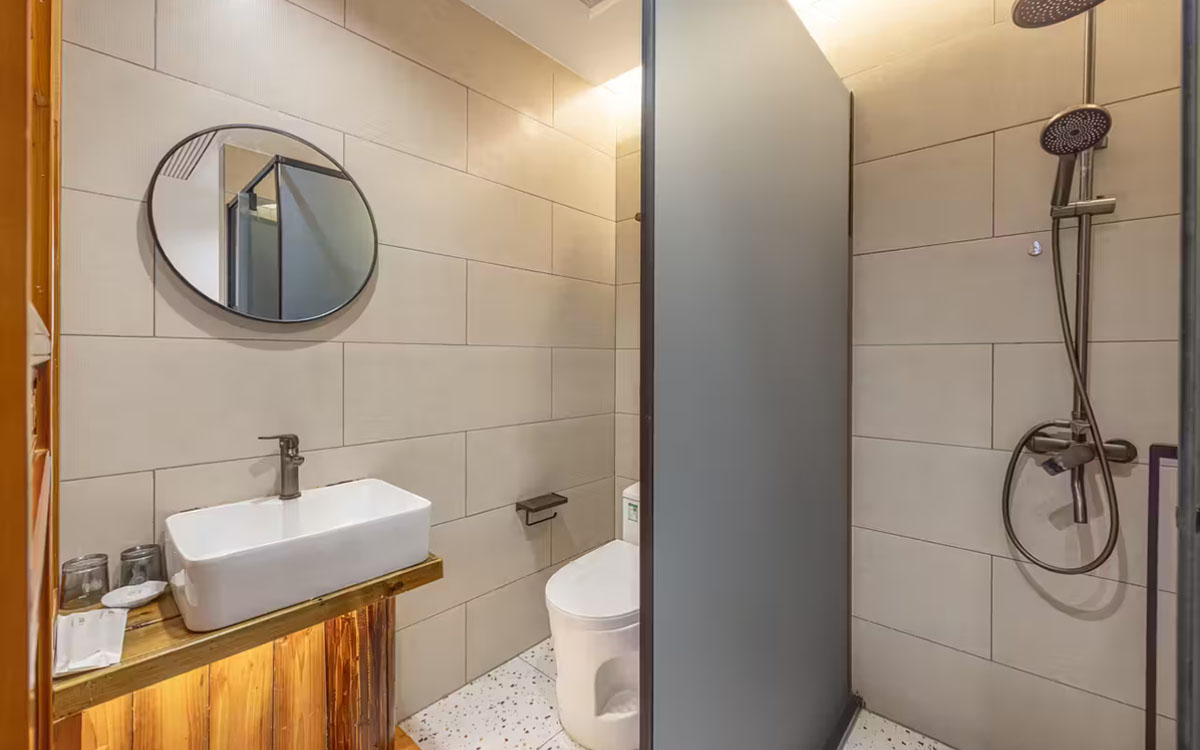
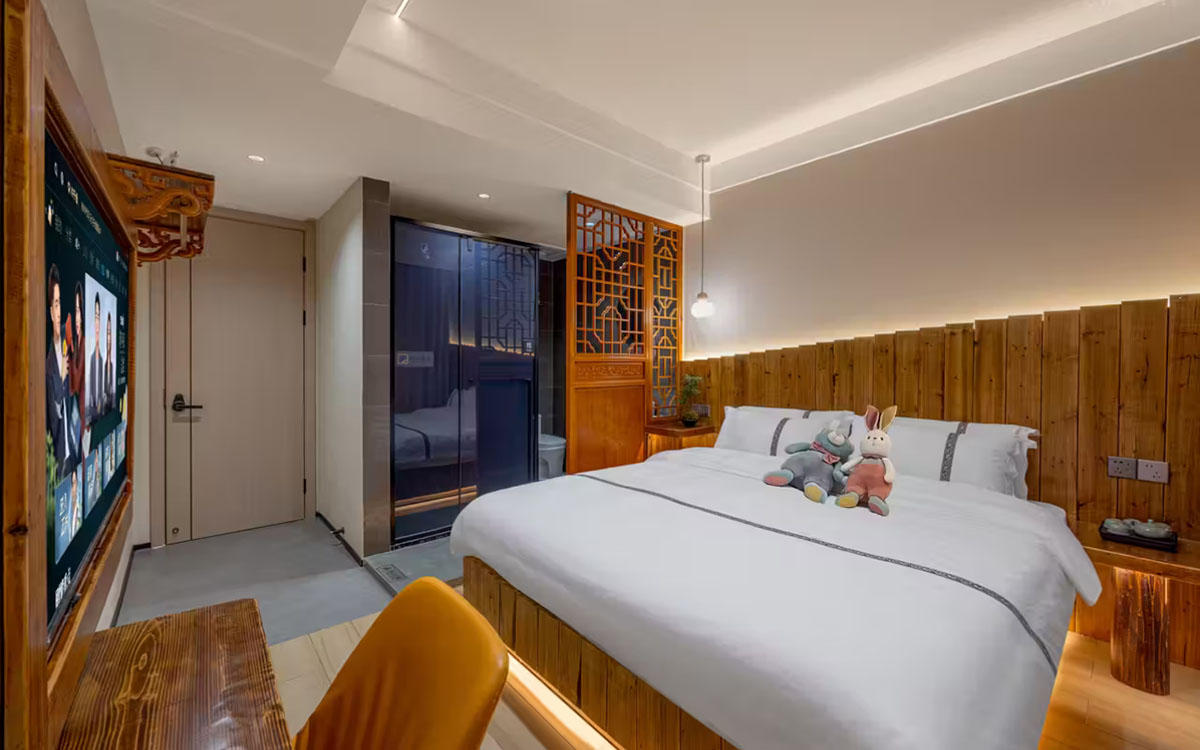
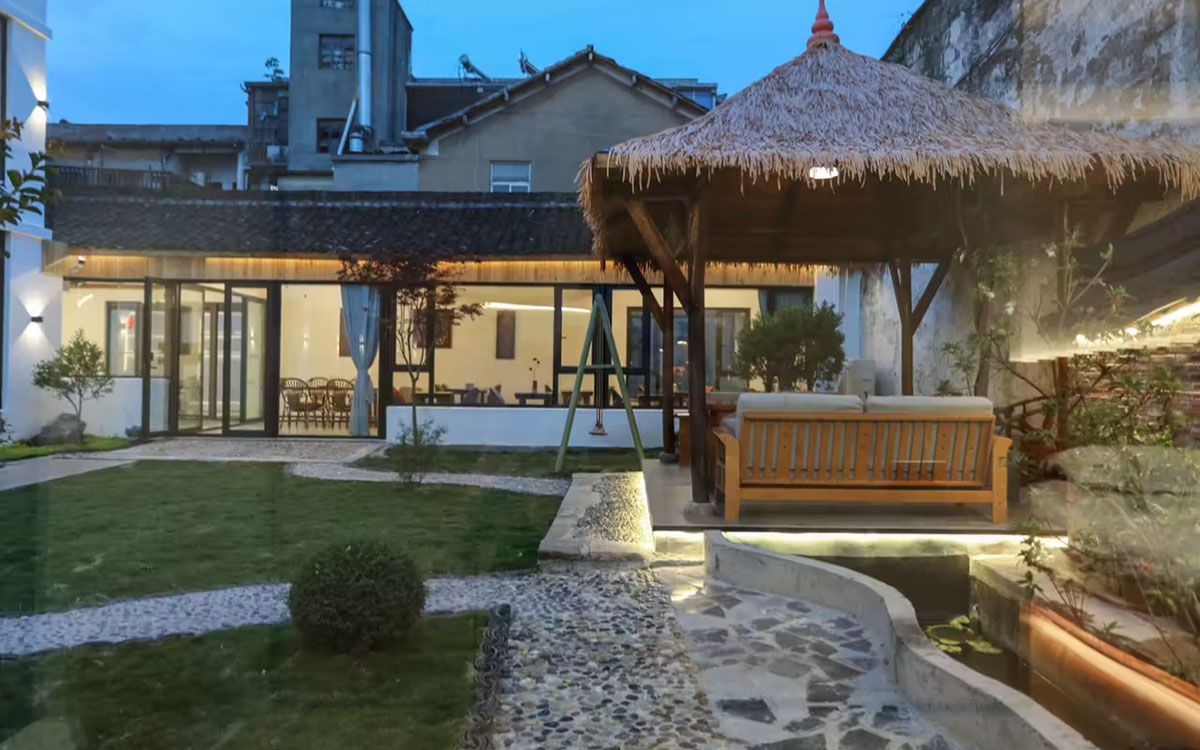
Accommodation in Wuzhen
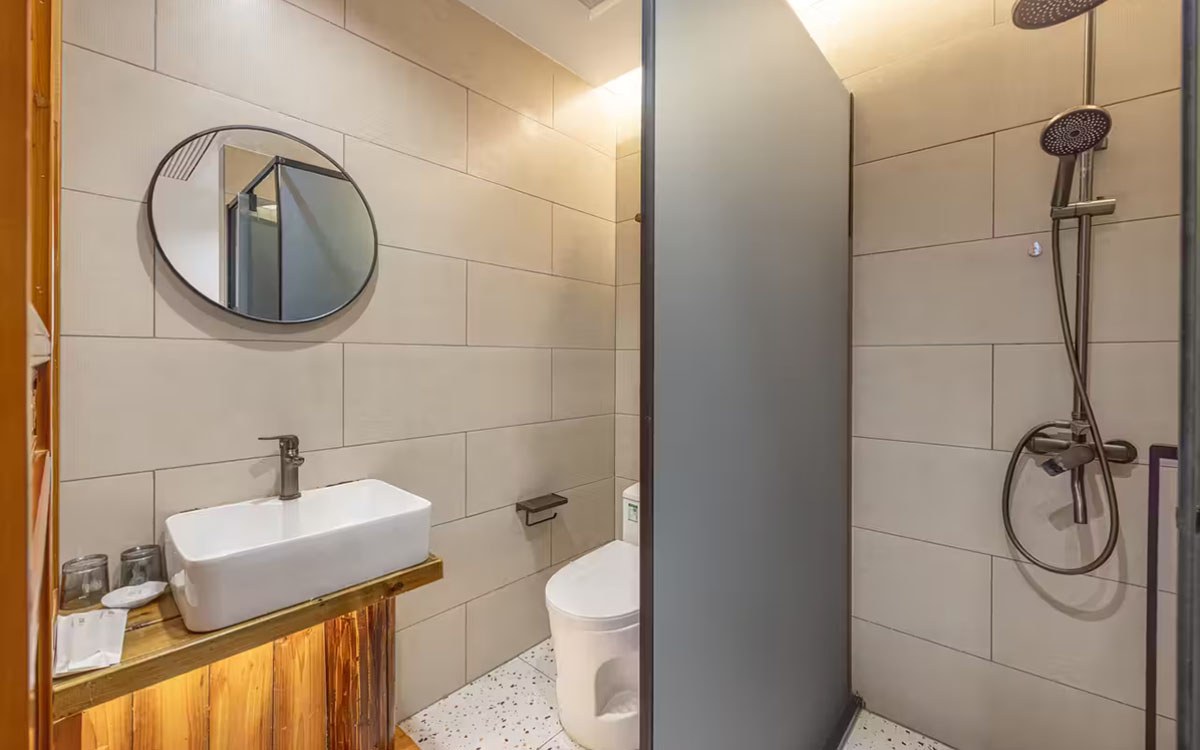
- Single/Double room accommodation with private bathroom
- Clean, safe and comfortable
- Room cleaning service every day
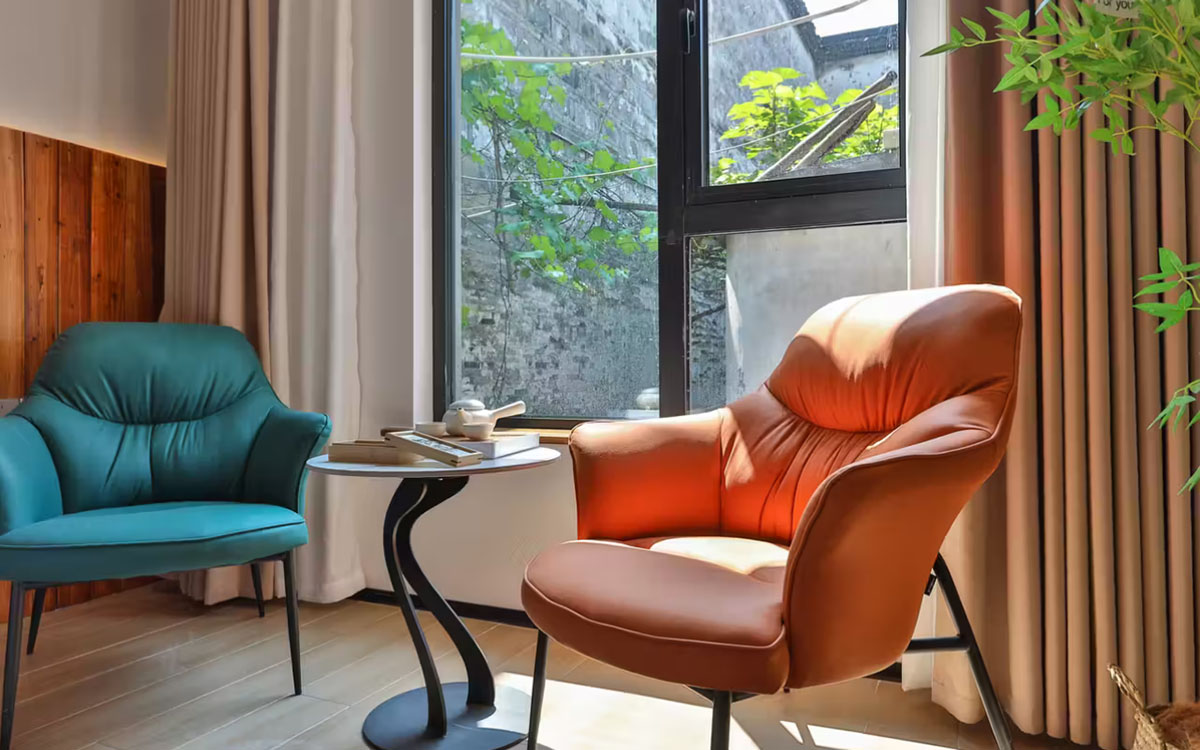
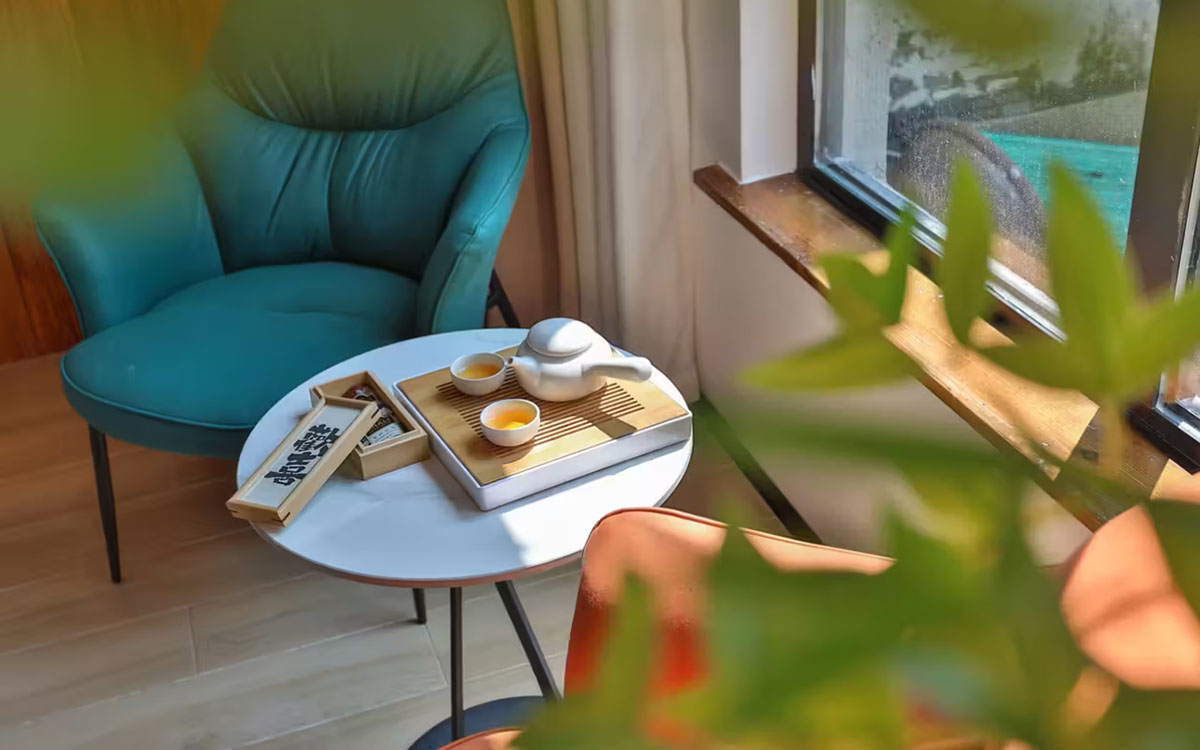
Accommodation in Wuzhen
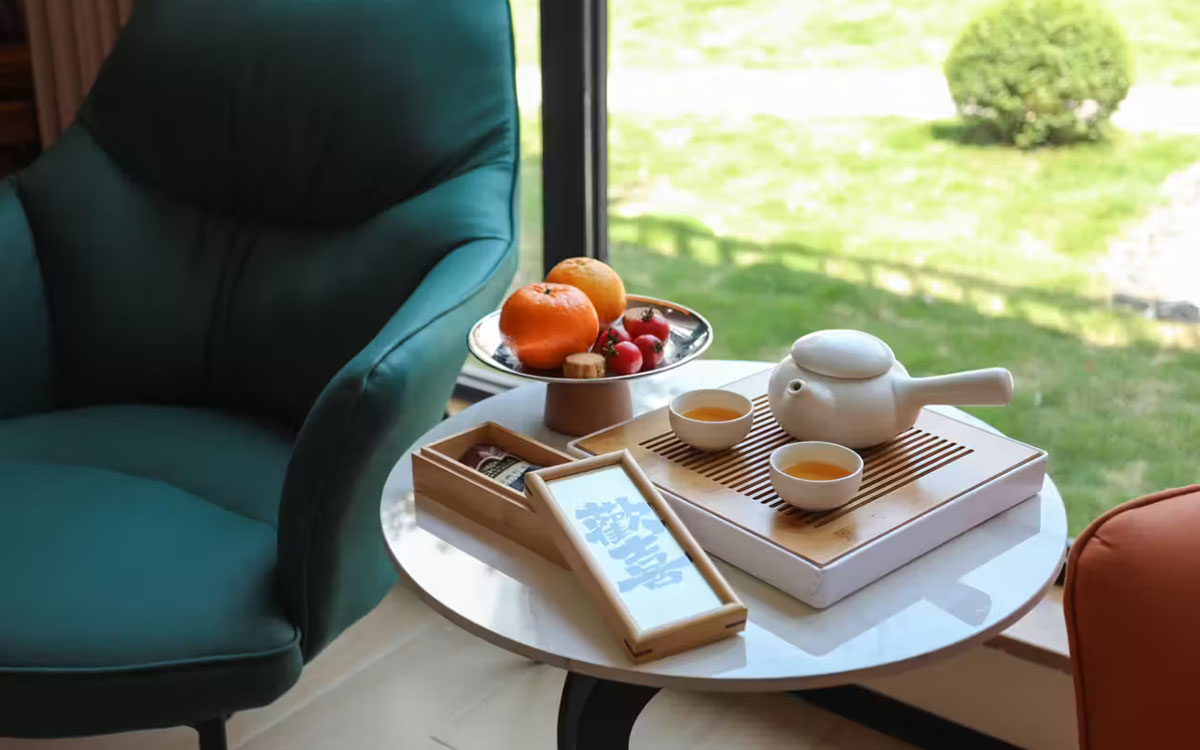
Private Room with Private Bathroom


Why Learn Chinese in Wuzhen?
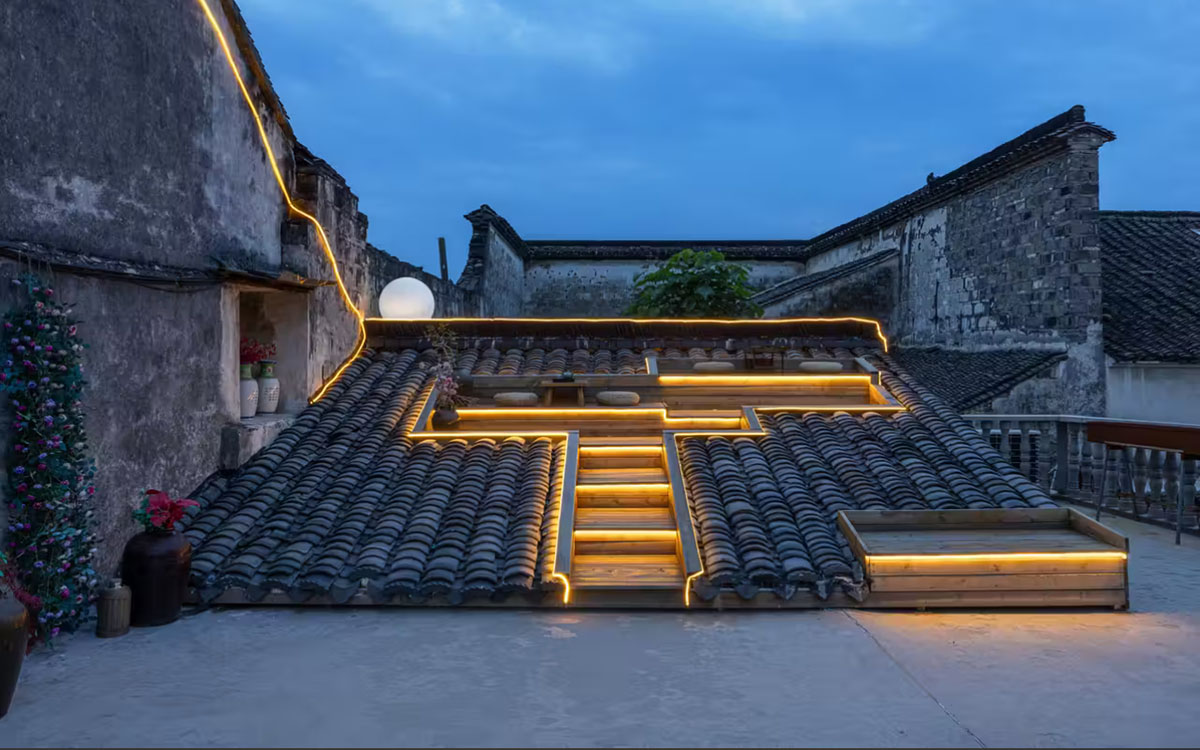
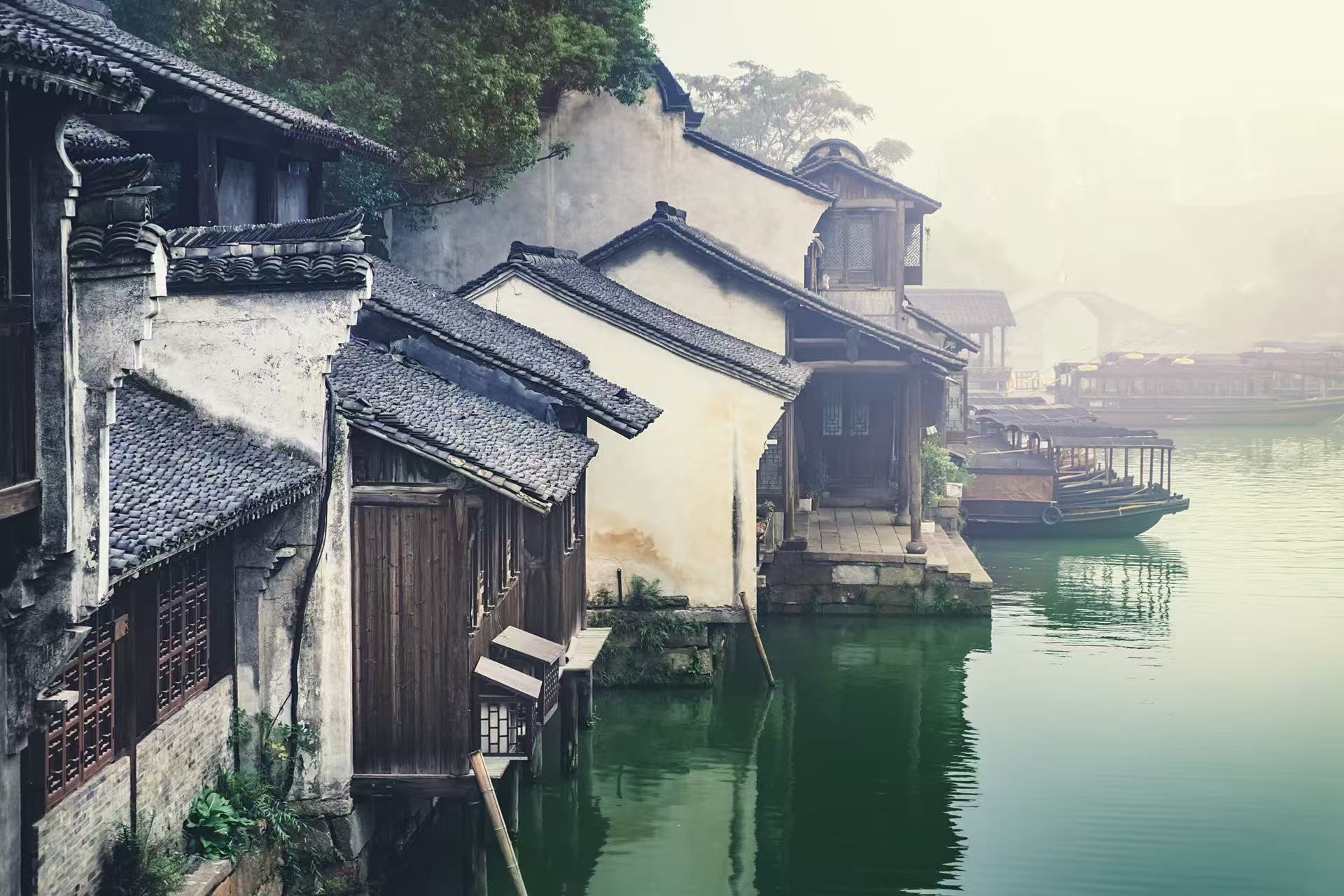
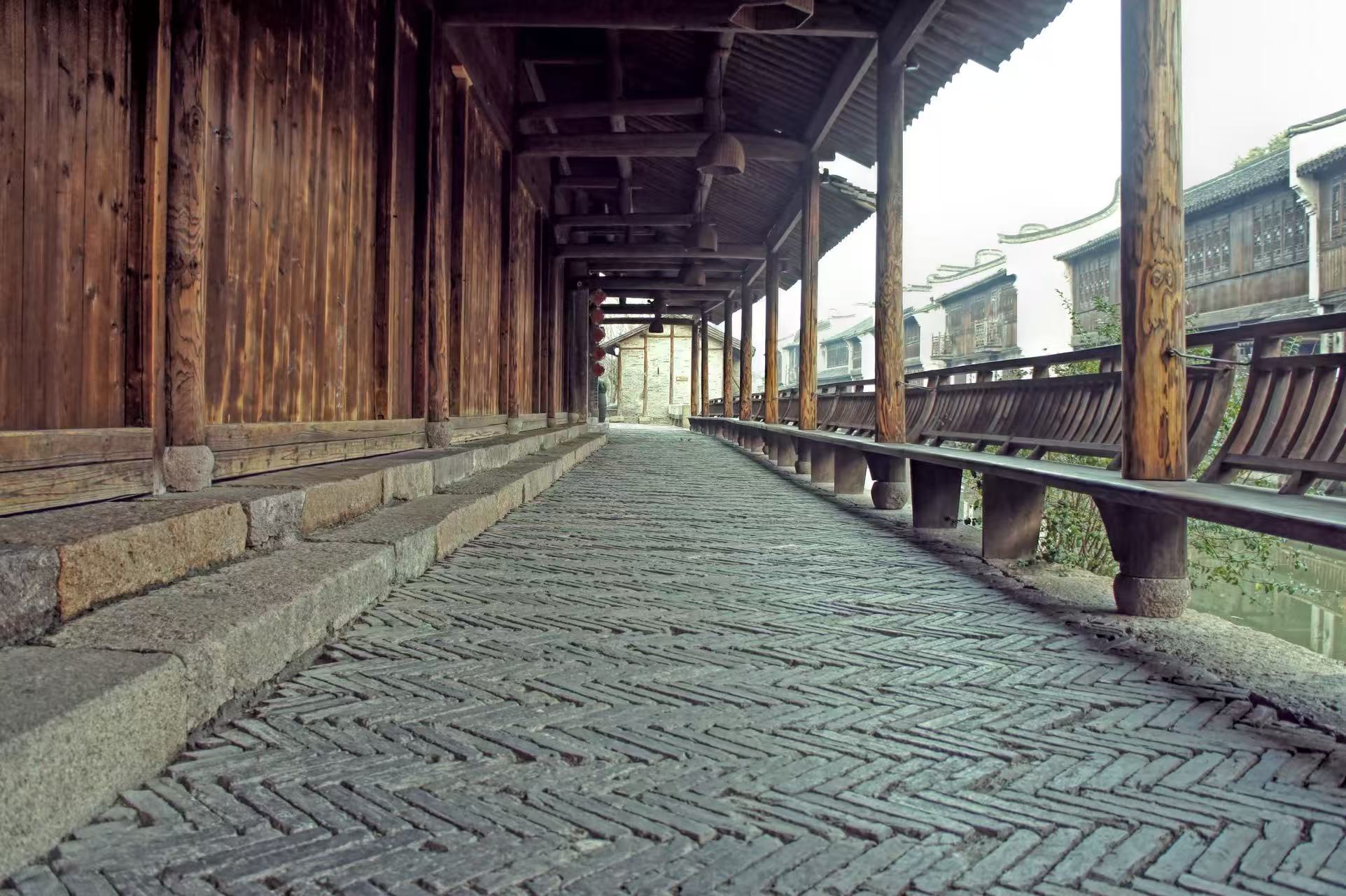
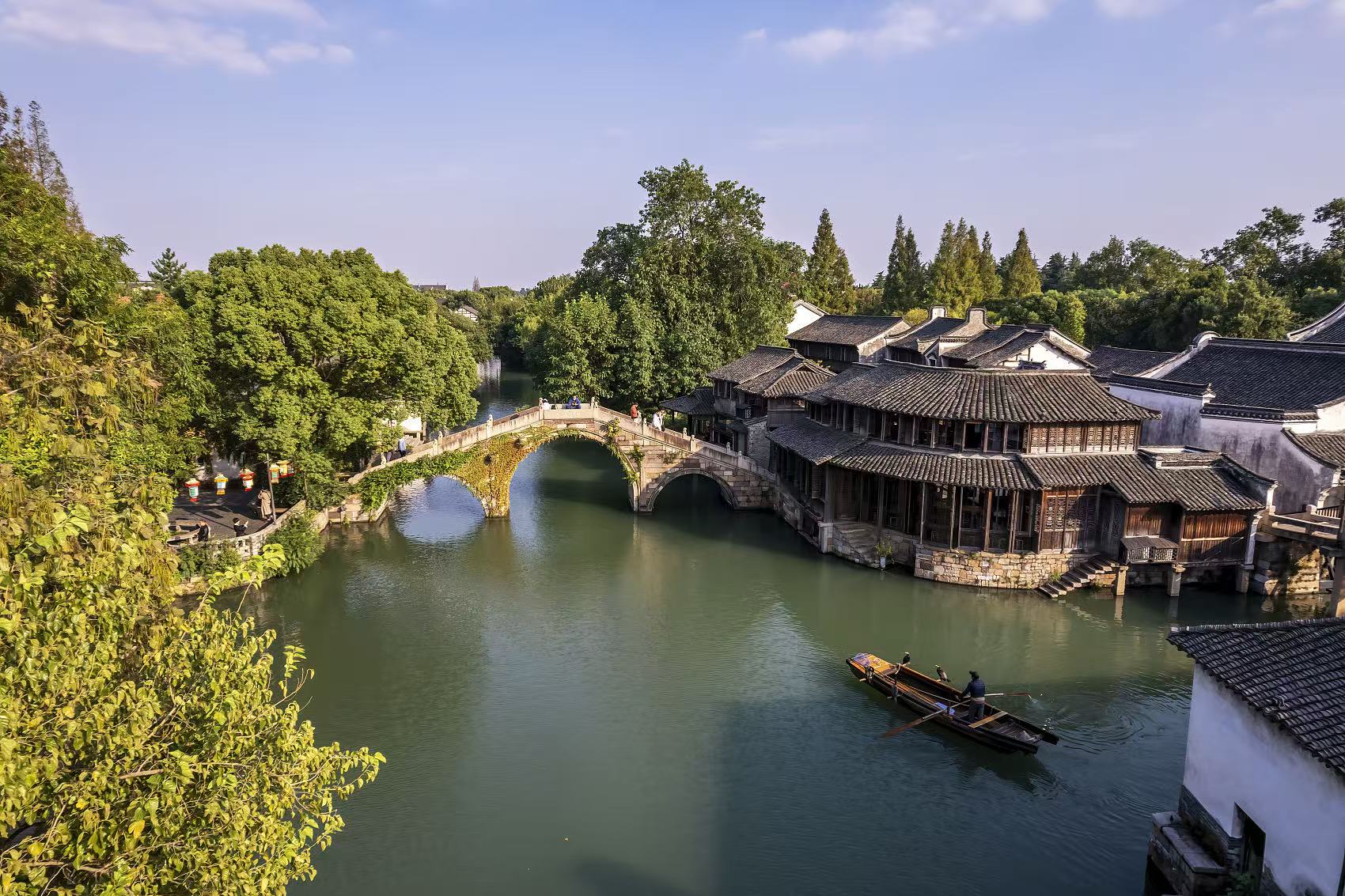
Immerse yourself in the timeless charm of Wuzhen, China’s iconic ancient water town. Glide along serene canals on a wooden boat, wander through centuries-old cobblestone alleys, and admire traditional architecture that whispers tales of the past. By day, explore bustling markets and quaint museums; by night, witness the magical glow of lanterns reflecting on the water. Whether you’re seeking cultural enrichment, breathtaking photography, or a peaceful escape, Wuzhen offers an unforgettable journey into the heart of classic Jiangnan beauty. Discover the soul of China where history and tranquility meet.

Sightseeing After Class with Your Teacher
- The best thing about studying in Wuzhen is that your teacher will accompany you to do sightseeing every day after class, to create a pure Chinese language environment for you. Your teacher will practice Chinese with you in real-life situations. Studying Chinese in Wuzhen not only focuses on the Chinese language but also offers a chance to explore the city with your teacher.
- Note: The entrance ticket and transportation fee (if there is any) for sightseeing after class are not included in the tuition fee.

Full Immersion in Chinese
- If you prefer to have an all-Chinese learning environment and not speak any English, Wuzhen is for you. Please don’t be surprised if you are the only student in Wuzhen because students come at different times throughout the year.
- If you prefer a big and vivid international student community or expect a school community experience, please choose to learn Chinese in Kunming at the Kunming campus or learn Chinese in Chengdu at the Chengdu campus.

How to Get to Wuzhen?
From Shanghai
By High-Speed Train (Scenic & Fast)
Take a train from Shanghai Hongqiao Railway Station to Tongxiang Railway Station (Around 30-40 minutes).
We will pick you up at the Tongxiang Station.
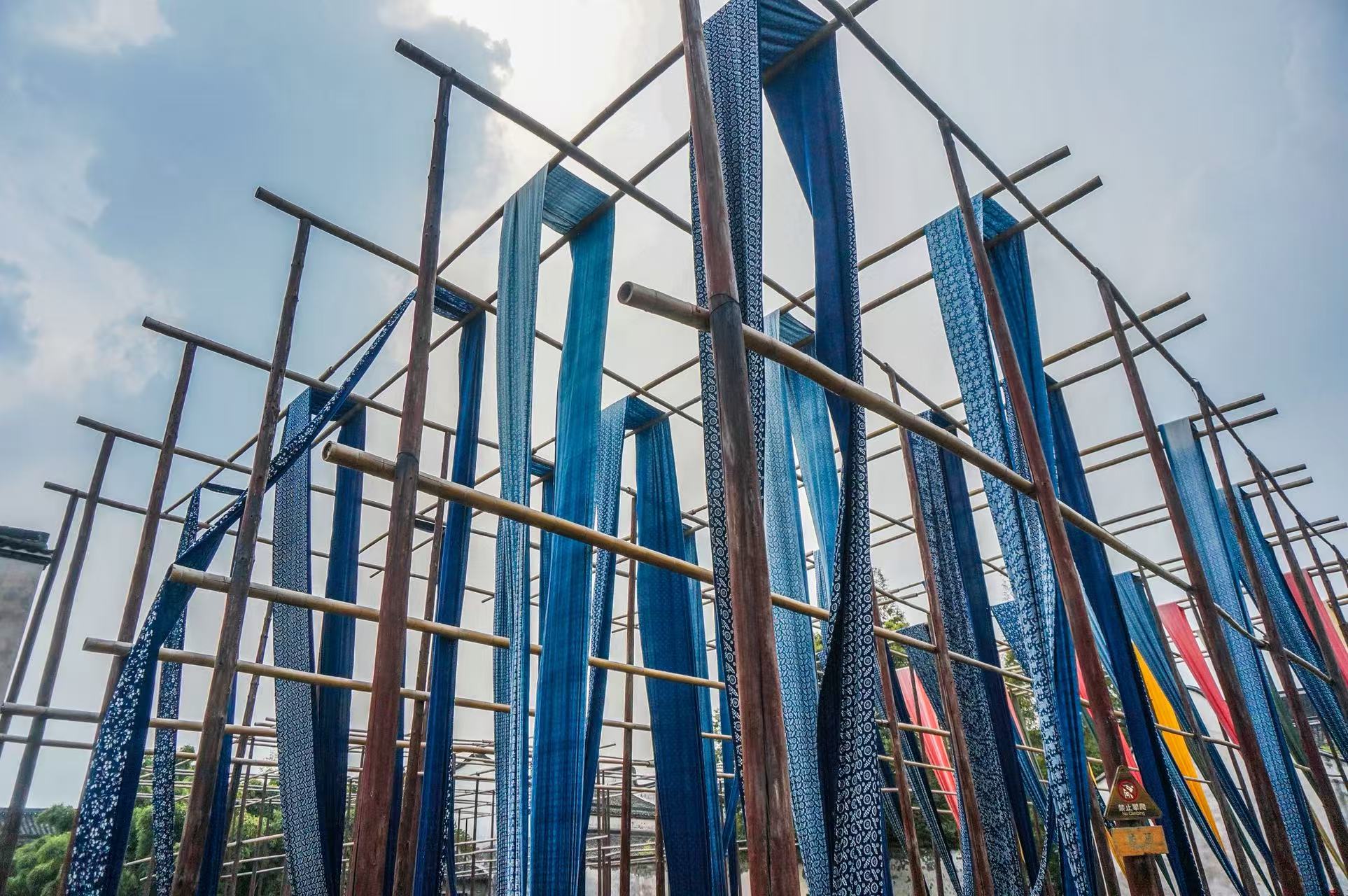
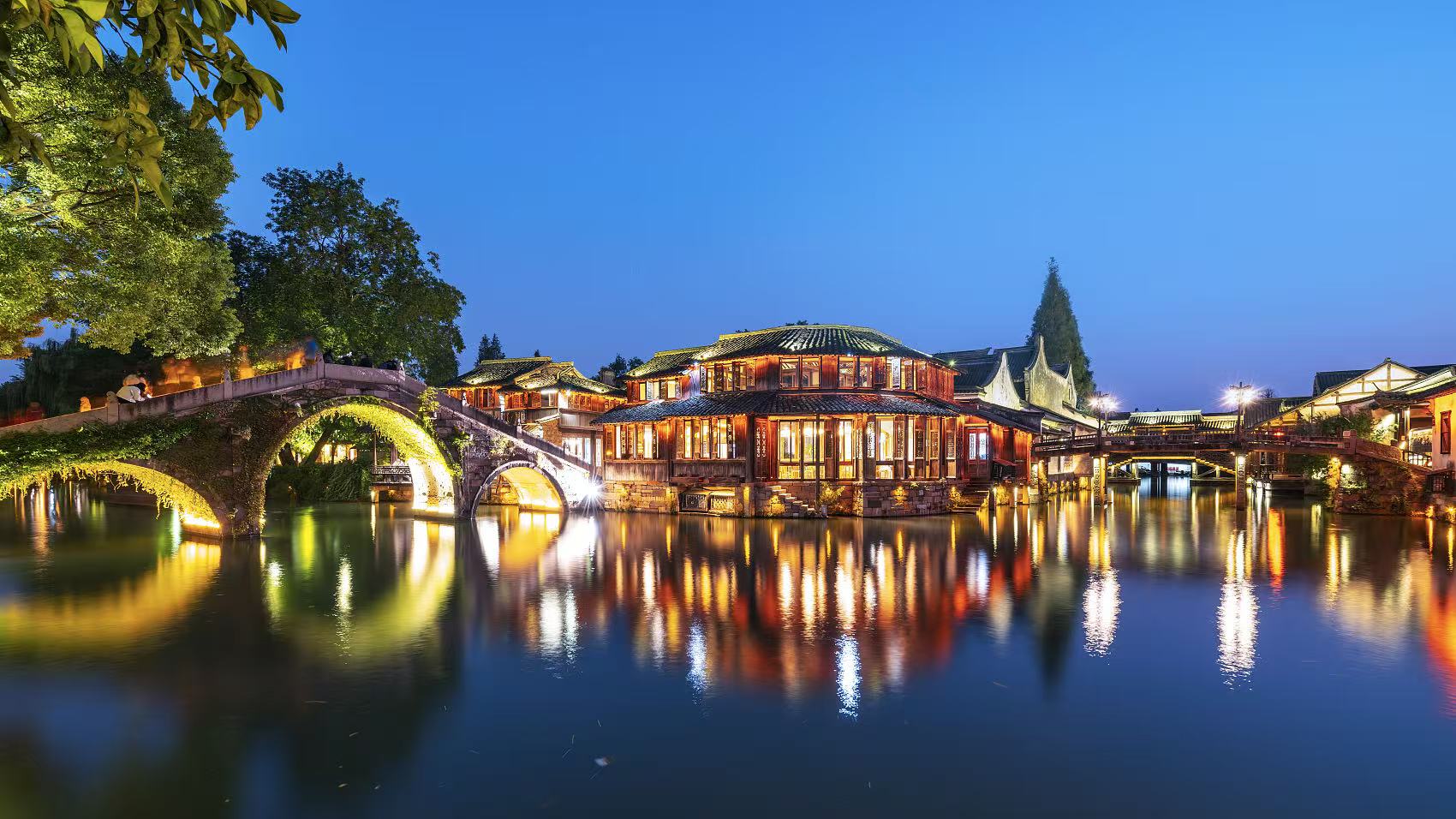
Beautiful Scenery in Wuzhen
Discover the timeless magic of Wuzhen, where ancient canals, cobblestone lanes, and illuminated nightscapes create a living dream of classic China.





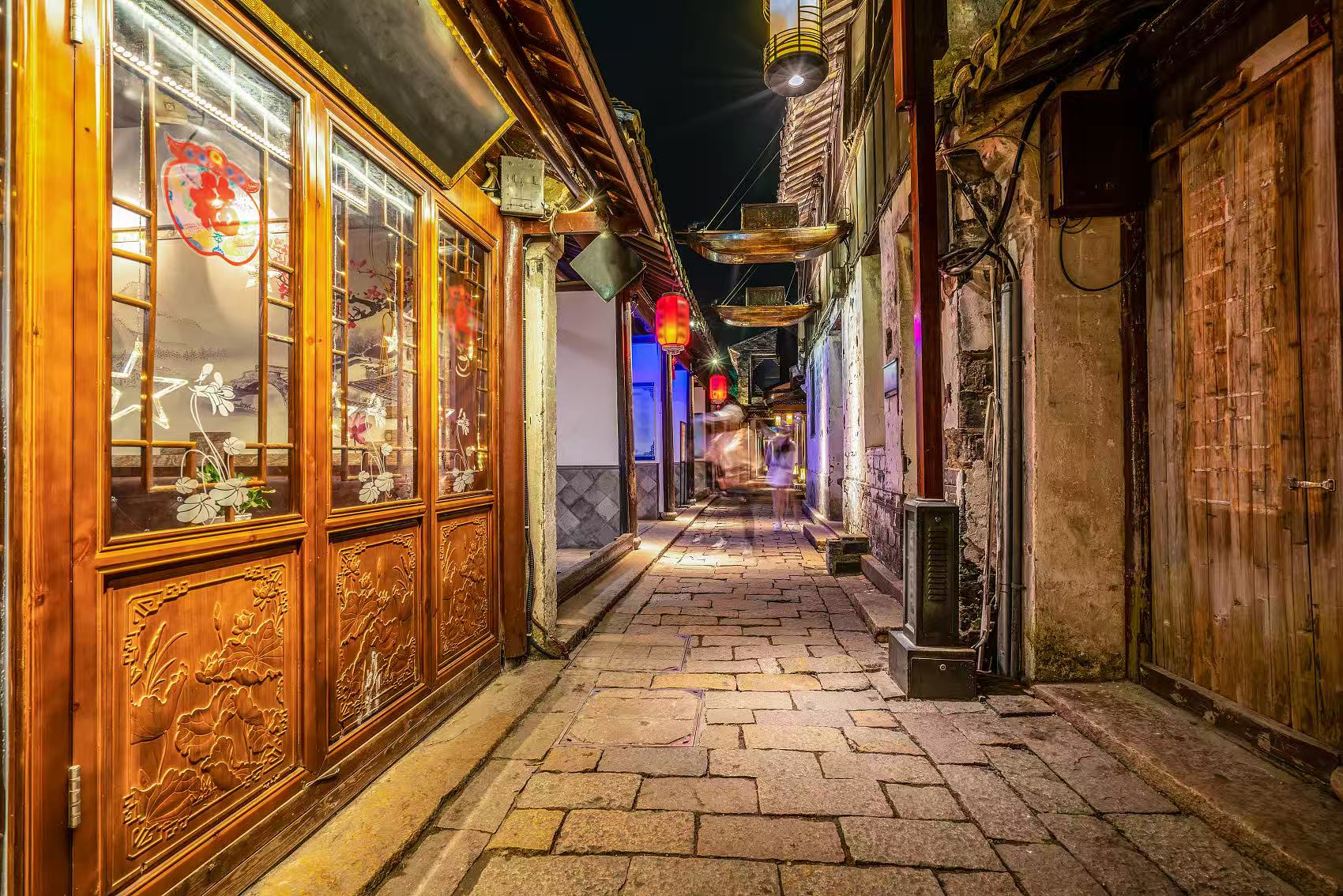



Learn Chinese in Wuzhen
10000+ Students Have Studied at Keats

Place to Visit in Wuzhen - Dongzha (East Scenic Area)
Dongzha is the quieter, more rustic side of Wuzhen, offering a glimpse into the town’s traditional industries and daily life. Here, you can wander through authentic workshops where artisans practice ancient crafts like making indigo-blue printed fabric, brewing rice wine, and forging iron. The area is less commercialized, allowing for a more intimate and peaceful exploration of Ming and Qing dynasty architecture. It’s a living museum where you can observe locals going about their day, making it perfect for photographers and culture enthusiasts seeking an authentic, less-crowded experience before it closes in the evening.

Place to Visit in Wuzhen - Xizha (West Scenic Area)
Xizha is the larger, more meticulously restored and vibrant section of Wuzhen, famous for its stunning night views. While it boasts beautiful daytime attractions like the ancient post office and elegant gardens, its true magic unfolds after dark. The canals and historic buildings are illuminated by thousands of lanterns, creating a breathtaking, dreamlike atmosphere. You can enjoy a serene boat ride under the glowing lights, watch open-air operas, and explore bustling waterside restaurants and bars. Xizha offers the complete, picturesque Wuzhen experience, seamlessly blending ancient charm with modern comforts and vibrant nightlife.

Place to Visit in Wuzhen - Wuzhen Woodcarving Hall
This magnificent hall is a standout attraction within Xizha, showcasing the pinnacle of Chinese woodcarving artistry. The centerpiece is a breathtaking, intricately carved archway from the late Qing Dynasty, depicting scenes from historical legends, operas, and folk tales with astonishing detail. Every figure, animal, and landscape is rendered with lifelike precision, telling stories that captivate the imagination. Visiting this hall is not just about admiring a craft; it’s about stepping into a narrative carved in wood, offering a profound appreciation for the patience, skill, and cultural depth embedded in Wuzhen’s heritage.

Cuisine in Wuzhen - Wuzhen Braised Duck (乌镇酱鸭)
Wuzhen’s most iconic dish features duck marinated in a rich, complex soy-based sauce with spices like star anise and ginger. Slowly braised until the meat is tender and the skin turns a dark, glossy mahogany, it achieves a perfect balance of savory and slightly sweet flavors. Unlike typical roasted duck, this version is uniquely moist and deeply aromatic, with the sauce penetrating every fiber. Served at room temperature, it’s a celebrated local specialty often enjoyed as an appetizer or paired with rice, embodying the refined, humble culinary heritage of the Jiangnan water towns.

Cuisine in Wuzhen - White Water Fish (清蒸白水鱼)

Cuisine in Wuzhen - Auntie's Cake (姑嫂饼)
This unique Wuzhen pastry is a delicate, square shortbread with a fascinating legend. Unlike flaky pastries, it has a crumbly, melt-in-your-mouth texture from a blend of glutinous and regular rice flours, mixed with lard, sugar, and crushed walnuts or sesame. The taste is subtly sweet and fragrant, not overpowering. Its name, meaning “Sisters-in-Law Cake,” originates from a folk tale of family rivalry. As a traditional snack passed down through generations, it represents local history and is perfectly enjoyed with a cup of Chinese tea for a genuine taste of Wuzhen’s home-style culture.
FAQ
What does the tuition fee include?
The tuition fee includes:
- 4/6 hours of one-on-one Chinese lessons per day Monday to Friday
- Accommodation (A clean and safe single/double room with private bathroom)
- Program Certificate
We also offer a list of free services for studying in Wuzhen:
- Train station pick-up and drop-off
- Internet access use without limit
- Saturday excursions
- Laundry
- A tour of the surroundings (bank, supermarket, post office etc.)
- Medicine for minor illnesses
- Advisors available to offer help
- 24/7 support
- Access to The Chairman’s Bao online learning platform
- Visa application assistance
- Room cleaning every day
How to Get to Wuzhen?
From Shanghai
By High-Speed Train (Scenic & Fast)
Take a train from Shanghai Hongqiao Railway Station to Tongxiang Railway Station (Around 30-40 minutes).
We will pick you up at the Tongxiang Station.
What's the year around temperature in Wuzhen?
Spring (March – May):
Temperature: Gradually warms up. Average highs range from 15°C (59°F) to 25°C (77°F). Nights can still be cool.
Weather: Generally pleasant, but can be rainy. This is a beautiful time to visit as everything turns green.
Summer (June – August):
Temperature: Hot and humid. Average highs are 30°C (86°F) to 35°C (95°F), but it can feel hotter with the humidity. Nights are warm.
Weather: This is the rainy season, with occasional heavy downpours and thunderstorms.
Autumn (September – November):
Temperature: Arguably the most pleasant season. Average highs are a comfortable 22°C (72°F) to 28°C (82°F) in early autumn, cooling down later.
Weather: Generally sunny with lower humidity. This is the peak tourist season for a reason.
Winter (December – February):
Temperature: Cold and damp. Average highs are 8°C (46°F) to 10°C (50°F), but lows can drop to near 0°C (32°F). The humidity makes the cold feel more penetrating.
Weather: Can be overcast with occasional rain or light snow (rare).
Where to eat in Wuzhen?
The best way to graze is by trying the local snacks, often found at small shops and stalls throughout both the East and West Scenic Areas.
-
Wuzhen Pork Knuckle (乌镇酱鸭, Wuzhen Jiangya): This is the most famous dish. It’s not actually a knuckle, but a braised duck that is dark, glossy, sweet, and savory. A must-try!
-
A’po Cake (姑嫂饼, Gusaobing): A traditional, mildly sweet walnut cake that is a classic local souvenir.
-
Mifen Gao (米粉糕): Steamed rice cakes, often with sweet or savory fillings like red bean or minced meat. They are soft, fluffy, and delicious.
-
Zongzi (粽子): Glutinous rice dumplings wrapped in bamboo leaves, a specialty of the Zhejiang/Jiangsu region. They can be filled with pork, salted egg, or beans.
-
Fried Tofuskin Rolls (响铃, Xiangling): Crispy, deep-fried bean curd skin rolls, often dipped in a sweet and sour sauce.
-
Steamed Bun with Bamboo Shoots (笋丁烧麦, Sunding Shaomai): A local variation of the classic steamed dumpling, filled with flavorful bamboo shoots.
Where to find these: Wander through the old streets in either scenic area. The West Scenic Area has a dedicated snack street where you can sample many of these at once.
LEARN CHINESE IN CHINA WITH KEATS
Jaq's Story at Keats
The Inspiration of Chinese Tea
OVER 10000+ STUDENTS
HAVE STUDIED AT KEATS
All teachers are really lovely. The teaching level at Keats is so much higher. I really love the city. It is very comfortable to get around. I fully recommend Keats. It is a great place to study Chinese in China. We are looking forward to coming back again later this year.
I’ve had a really great time here. I’ve studied a lot with my teacher who was fantastic. Keats School tried very hard to match its students with really good teachers that their personality works very well together. I really enjoy studying Chinese at Keats and I will definitely come back.
Since last semester, we started studying Chinese at Keats. It was the best choice we can ever make. It is a really good school. The classes are a lot of fun, you learn a lot, but very interactive, so you talk a lot which means it is not just books and writing. Kunming is a really pleasant city to live in, especially if you compare it to other cities in the east. If you like to travel, if you like to study Chinese in a fun way, Keats has the best Chinese language program for you.
I can’t tell you how much I liked it. The thing I liked about the teachers and the teaching method is that there is so much flexibility. The other thing I liked about the teaching is the combination of classic textbook learning and going outside. I loved it! I like getting to know other students. Everybody shared the same goal and that’s making their Chinese better. Kunming is a big city, but it is very safe to live here. Another thing I liked about Keats is the idea that people here help you. I can’t recommend it enough. I think it was a valuable experience. Looking forward to coming back!
I have 2 teachers, and I do 4 hours a day. So I have got Dong Laoshi and Jin Laoshi. Both of them are very good. They made the experience very nice to me. They are willing to help you whenever, so if you ever have a question here, the teachers are always there to help you whether it is visas, whether it is getting around the city. Everyone wants to talk to you.
My teachers are all excellent. They trained the teachers so professionally. I feel like I learn very quickly with my teacher. They are very serious about their students and I know every teacher is like this. I would highly recommend that you come to Keats if you are looking for the best Chinese school in China.
I think the Chinese learning environment here is great. The teaching methods are also very interactive and fun. What I particularly enjoy here is the fact that my teacher does not stick to the textbook. We spend a lot of time discussing general topics, such as Chinese culture, world news, typical expressions used by local people. We also discuss social and economic topics.
I decided to learn Chinese in Kunming because I like smaller cities and I like the climate here. We had four hours a day study here and my dear teacher taught me very much and never lost her patience with me. It was a really wonderful experience to be here and I recommend Keats school and the teachers here to everyone who likes to learn Chinese in China.