Chinese Language Courses in Sanya
Intensive One-on-One Chinese Classes


Intensive One-on-One Chinese Classes
- Personal study plans
- Best teachers and private lessons
- Full immersion experience
- Full services (study + single room accommodation)
- Start on any Monday
HSK Test Preparation Course


HSK Test Preparation Course
- Start anytime
- HSK experts with years of experience
- Get test scores improved significantly
- Intensive one-on-one Chinese class
- Full services (study + single room accommodation)
Chinese Language Course + Tour in China

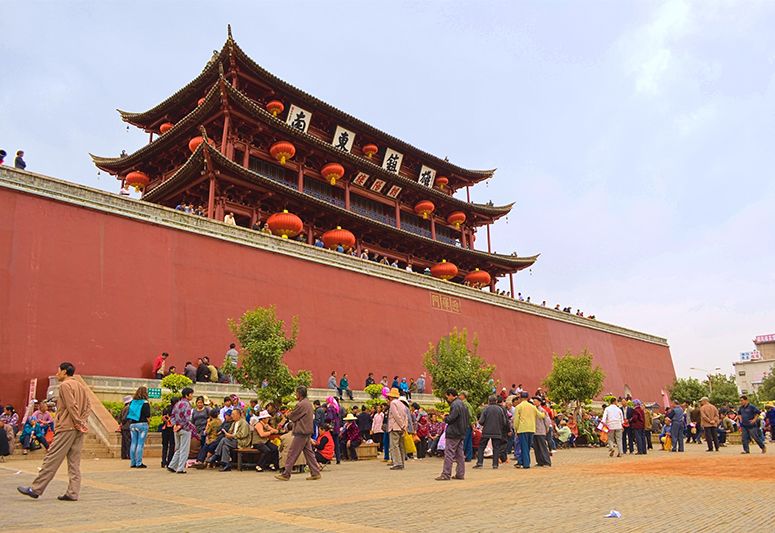
Chinese Language Course + Tour in China
- Private one-on-one Chinese lessons
- Full services (study + accommodation)
- Excursions and tours with your teacher
- Travel to Dali, Lijiang, Shangri-la, Beijing, Xi'an, Guilin, Shanghai, Zhangjiajie, etc.
Study Tour in China (for groups)

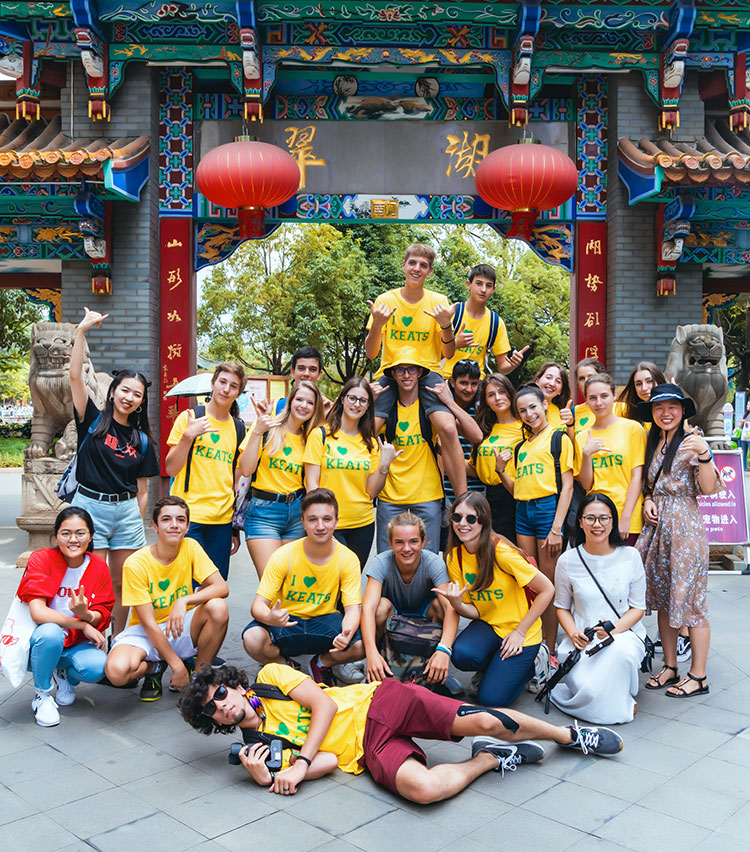
Study Tour in China (for groups)
- Designed for high schools, universities, companies, and organizations
- Chinese course with group activities
- Professional Chinese teachers
- A true Chinese immersion experience


Intensive One-on-one Chinese Lesson
Choose to study Chinese in Sanya at either 4 hours per day (20 hours/week) or 6 hours per day (30 hours/week). If you want to study Mandarin in China, the intensive one-on-one Chinese course is the fastest way to improve your Chinese.
We use unique teaching methods developed by Keats. Your Chinese teacher(s) will tailor your lessons to your Chinese level and learning goals, ensuring you learn the most Chinese in the shortest possible time.
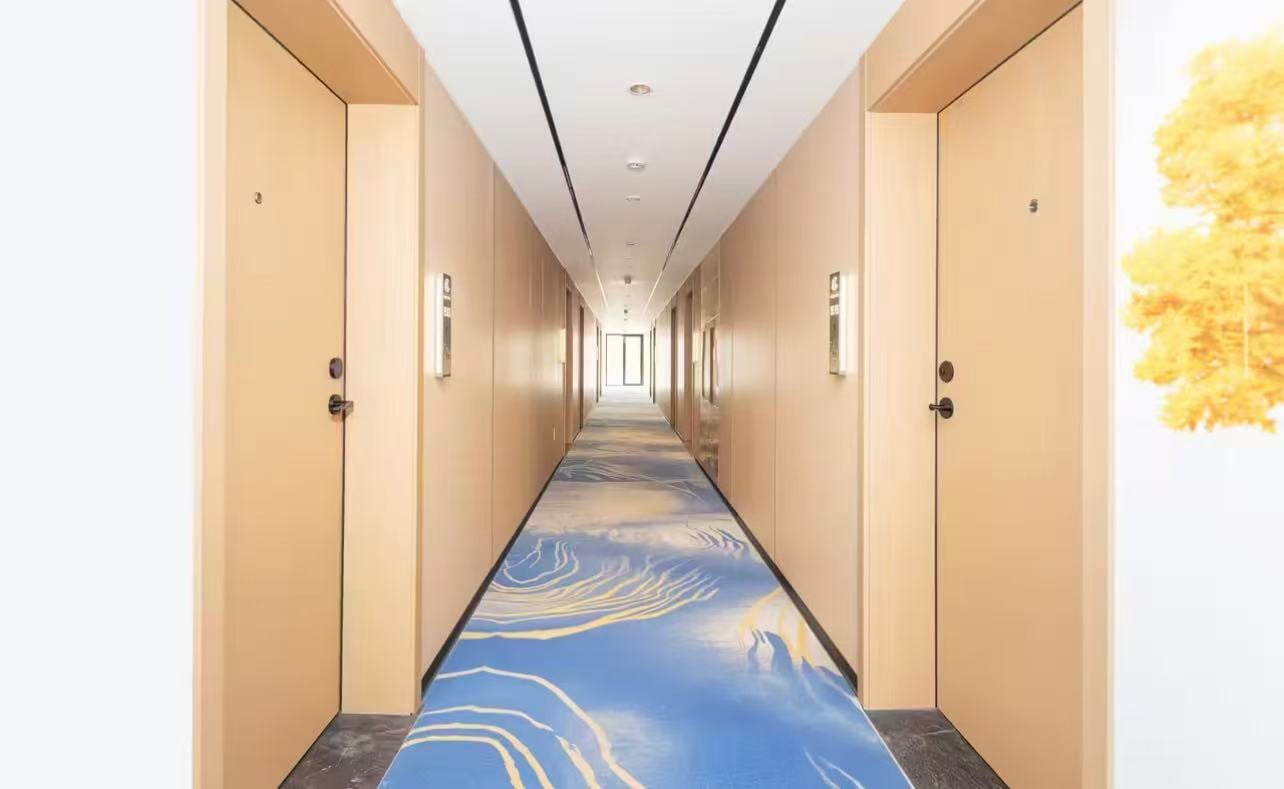
Hotel accommodation is included.

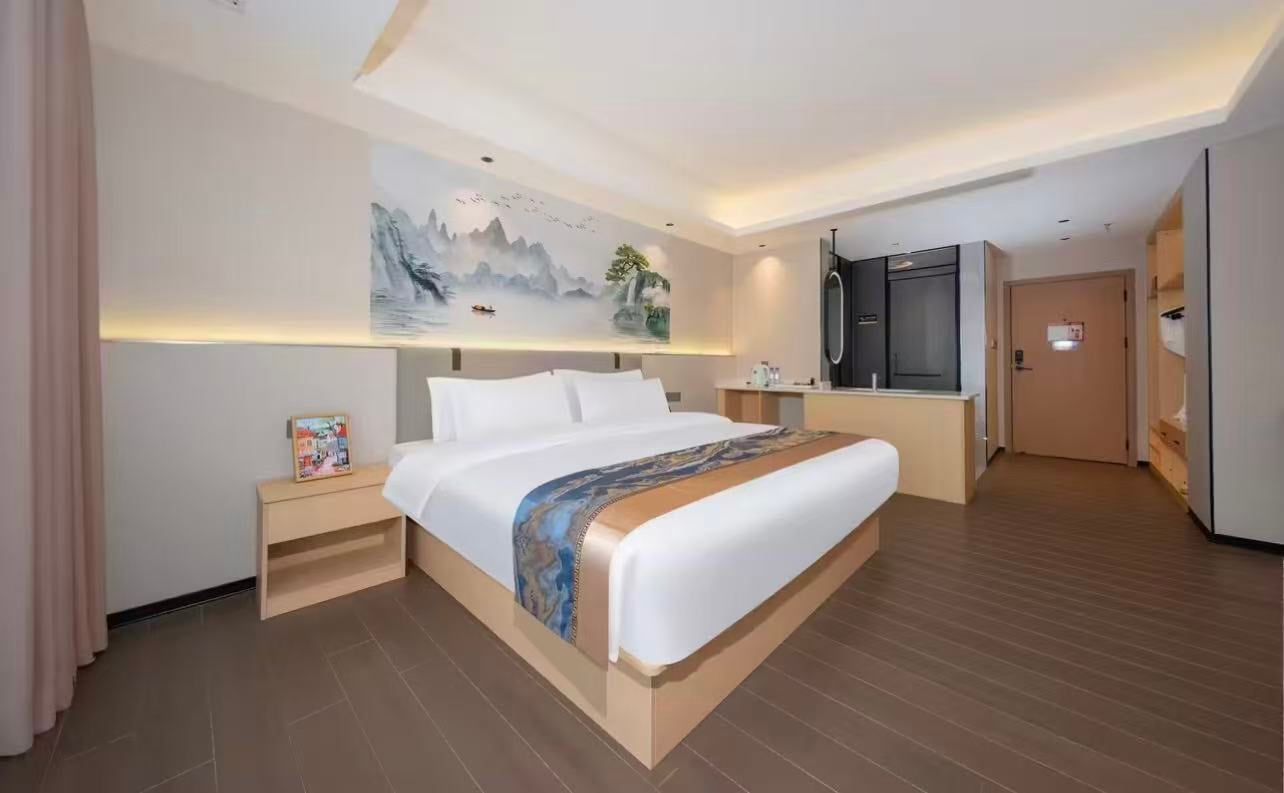
Accommodation in Sanya
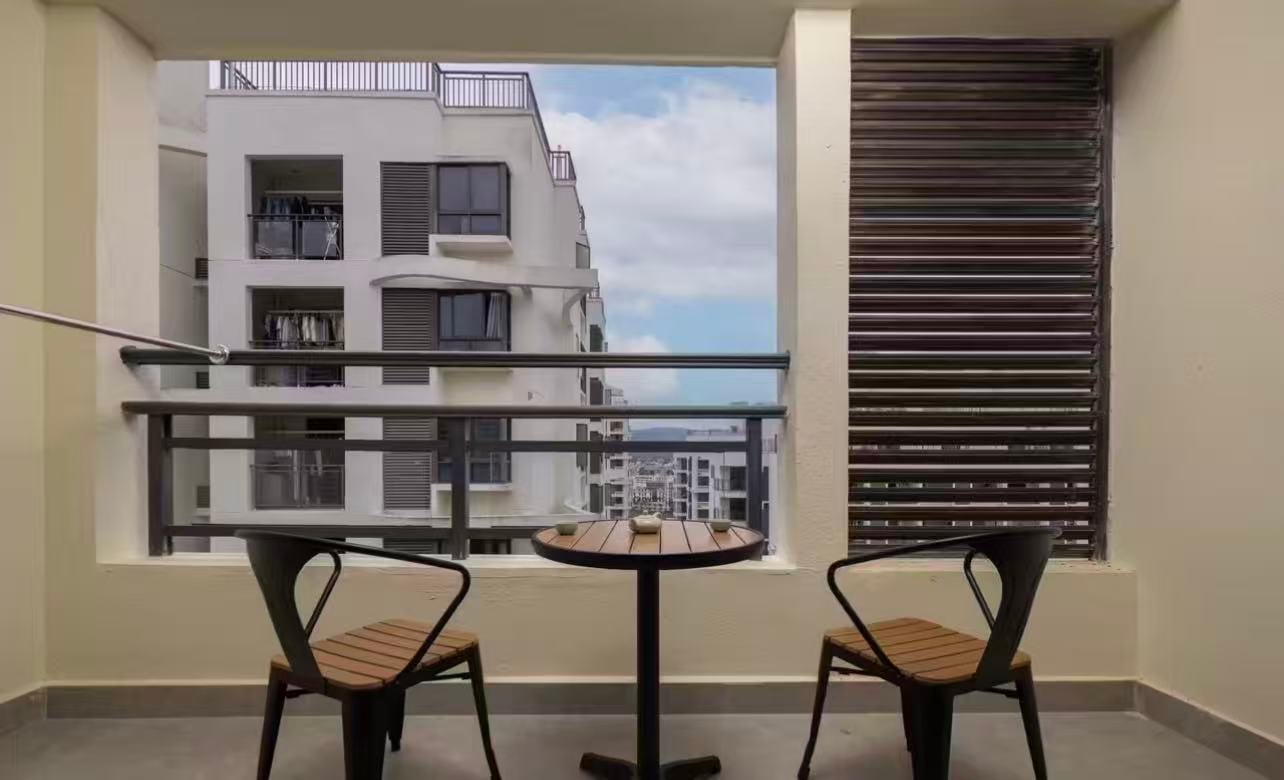
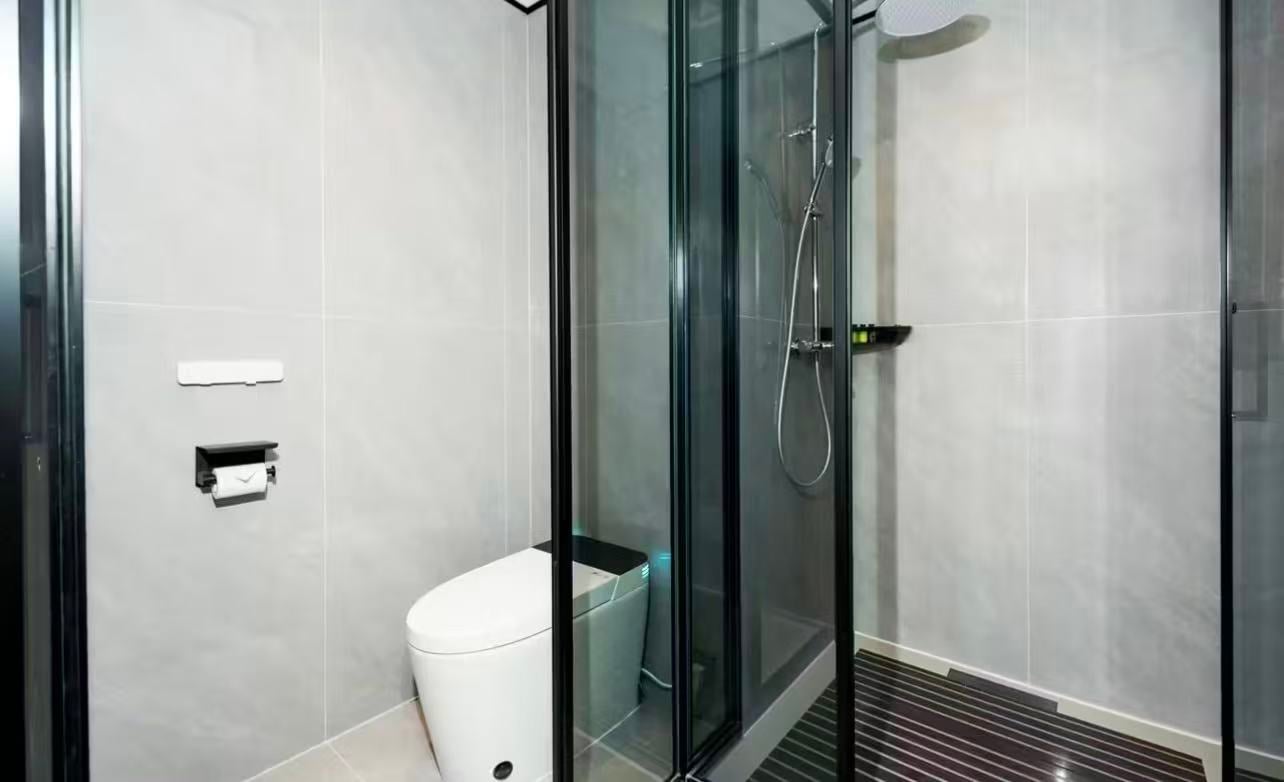
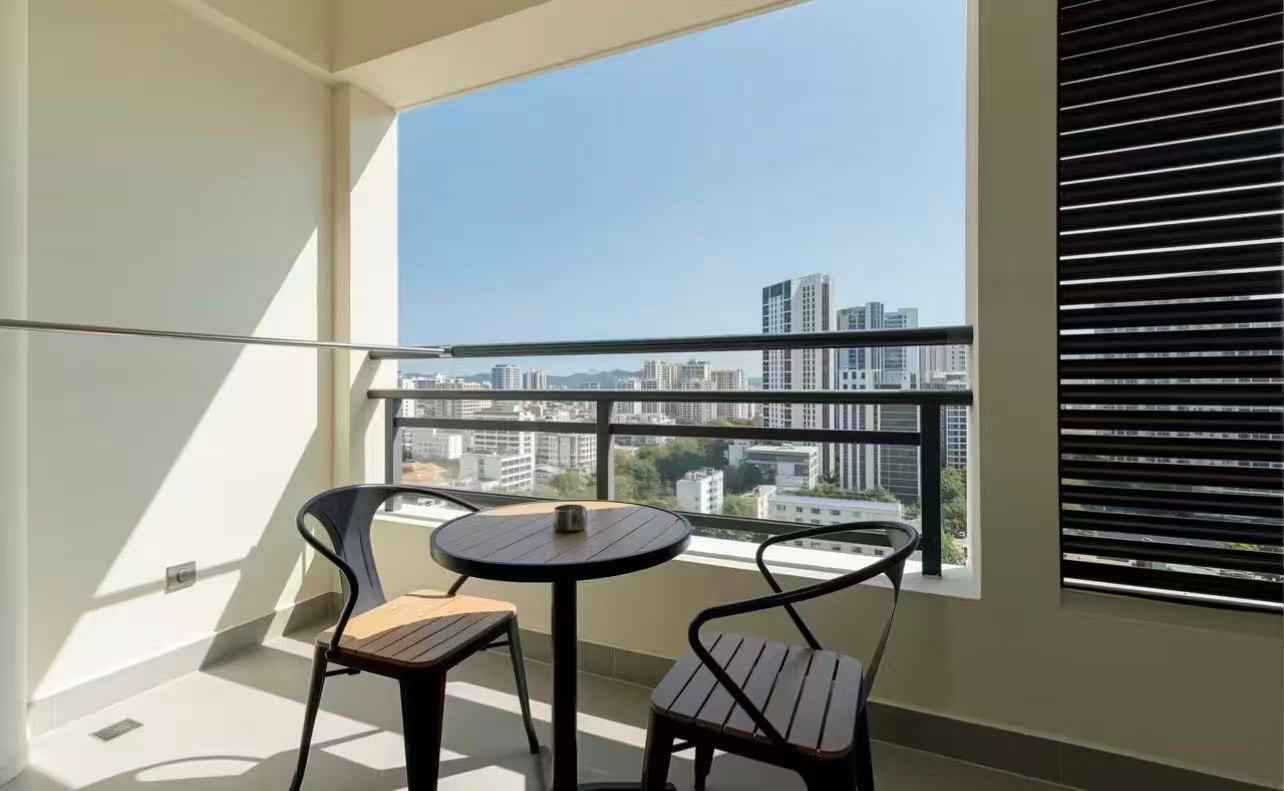
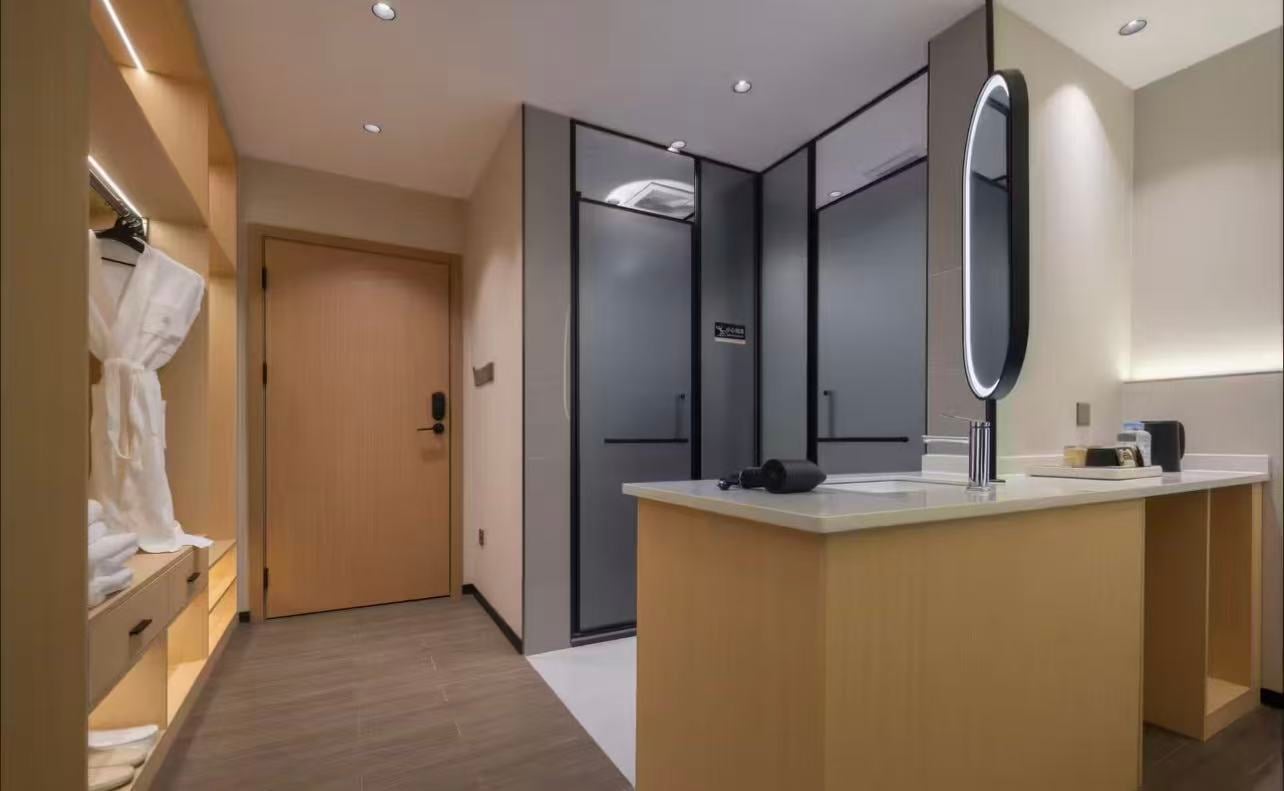
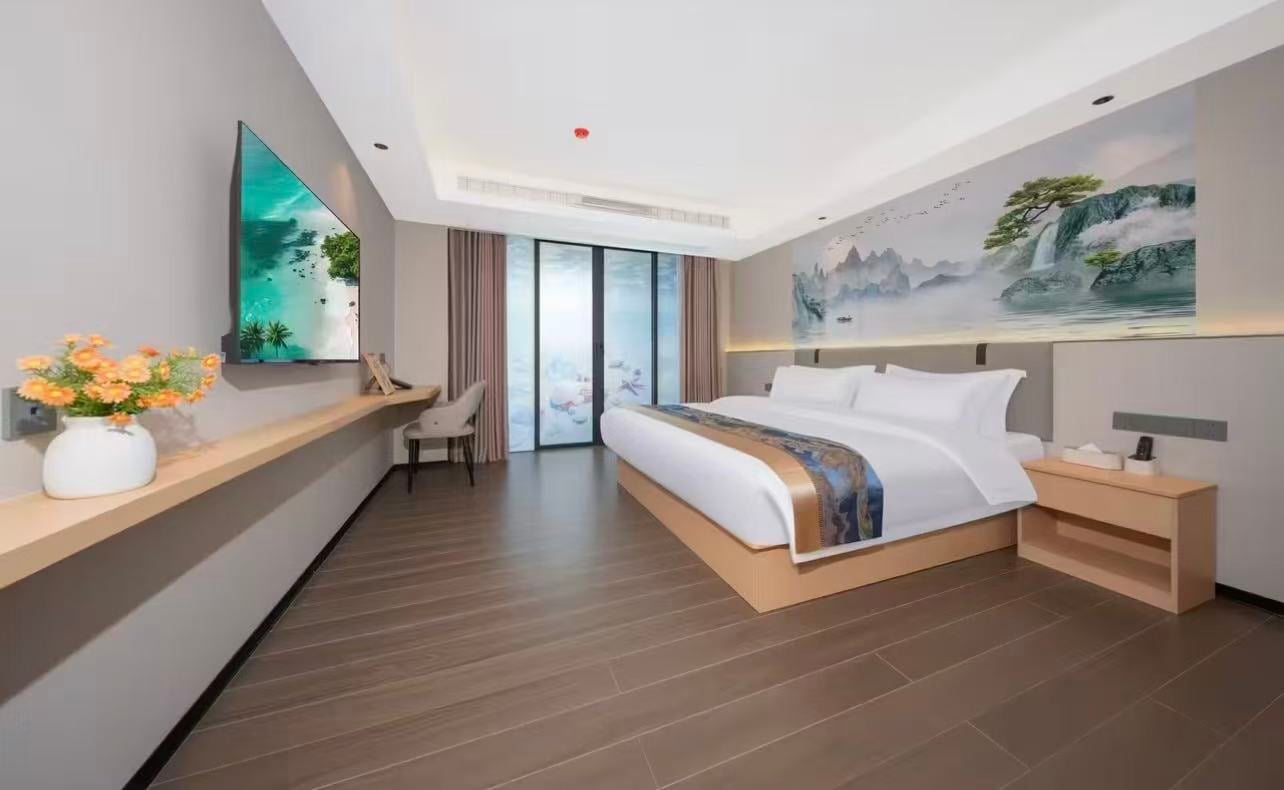
- Single/Double room accommodation with private bathroom
- Clean, safe and comfortable
- Room cleaning service every day
Accommodation in Sanya
Private Room with Private Bathroom

Why Learn Chinese in Sanya?
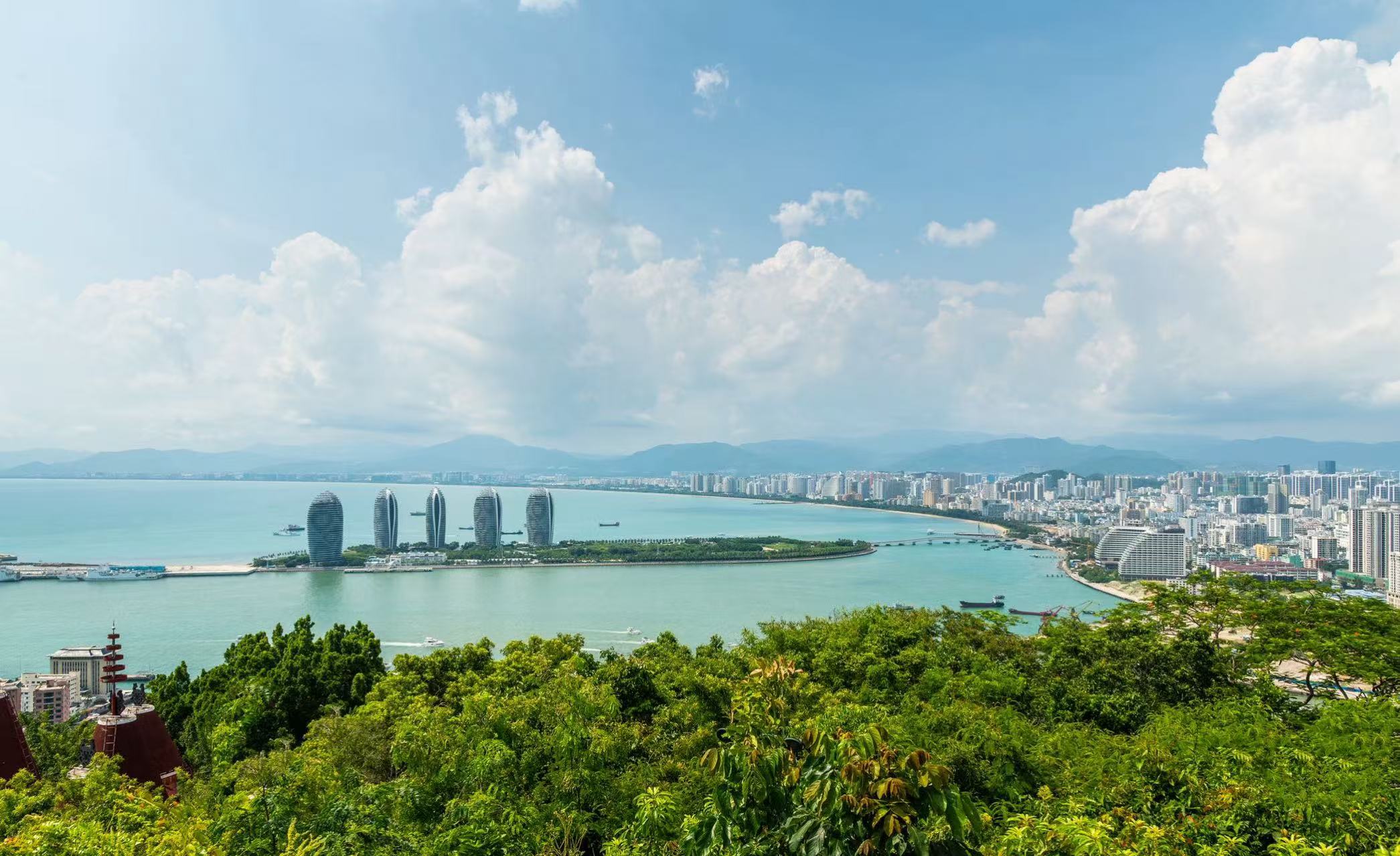
Learn Chinese in Sanya, China’s tropical paradise, where year-round sunshine meets immersive language study. Unlike crowded big cities, Sanya offers a relaxed, friendly environment perfect for practicing Mandarin every day. Study one-on-one with expert teachers, then unwind on beautiful beaches. The warm climate, clean air, and welcoming local culture make learning effortless and enjoyable. Whether you’re a beginner or advancing your skills, Sanya combines effective language education with an unforgettable tropical lifestyle. Escape the cold, embrace the sunshine, and master Chinese in paradise — an experience you’ll never forget.

Sightseeing After Class with Your Teacher
- The best part of studying in Sanya is that your teacher accompanies you on daily sightseeing after class, creating a pure Chinese language environment. Your teacher will practice Chinese with you in real-life situations. Studying Chinese in Sanya not only focuses on the language but also offers the chance to explore the city with your teacher.
- Note: Entrance tickets and transportation fees (if any) for after-class sightseeing are not included in the tuition fee.

Full Immersion in Chinese
- If you prefer a full Chinese immersion environment with no English, Sanya is for you. Don’t be surprised if you’re the only student there, as students arrive at different times throughout the year.
- If you prefer a large, lively international student community or a school community experience, choose to learn Chinese in Kunming at the Kunming campus or learn Chinese in Chengdu at the Chengdu campus.

How to Get to Sanya?
Getting to Sanya is easy for international travelers. The best option is flying into Sanya Phoenix International Airport (SYX), with direct or connecting flights from major Asian hubs like Hong Kong, Singapore, and Seoul. Many travelers fly via Beijing, Shanghai, or Guangzhou first. Hainan offers visa-free entry for citizens of 59 countries for up to 30 days. From the airport, taxis and ride-hailing apps reach downtown in 20–30 minutes. For those already in mainland China, trains cross the Qiongzhou Strait by ferry, though travel takes 24–40 hours. Flying remains the smoothest choice.
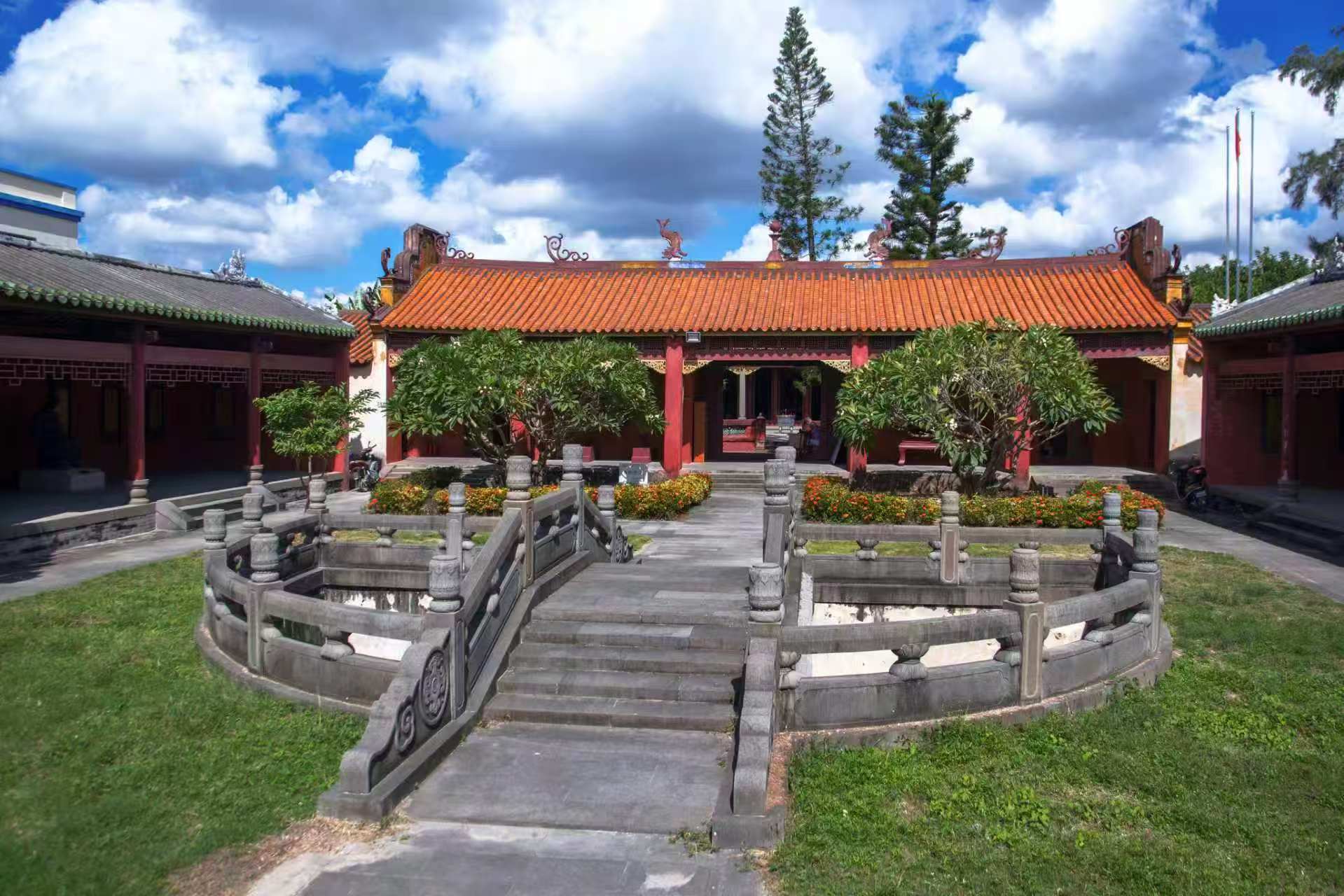
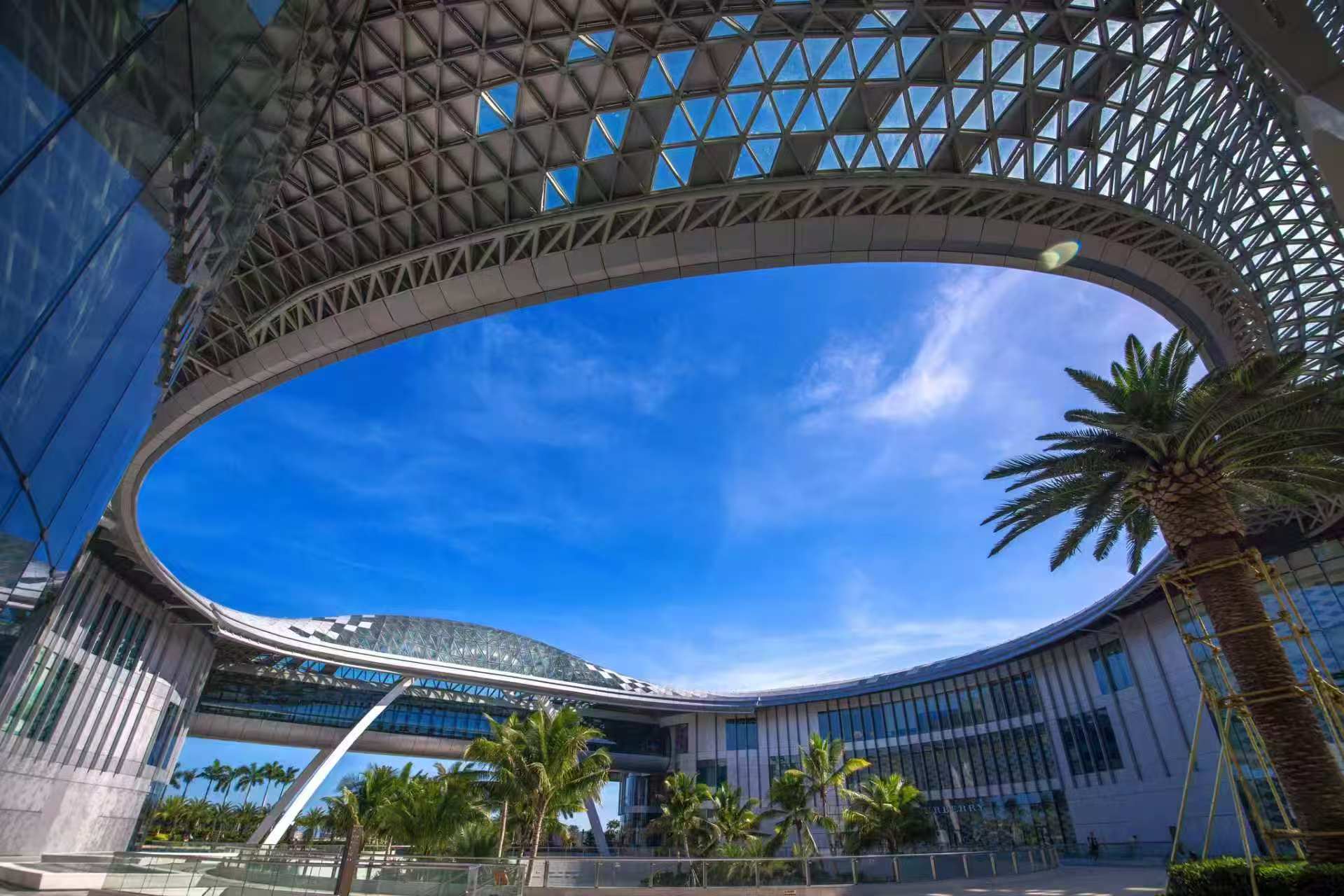
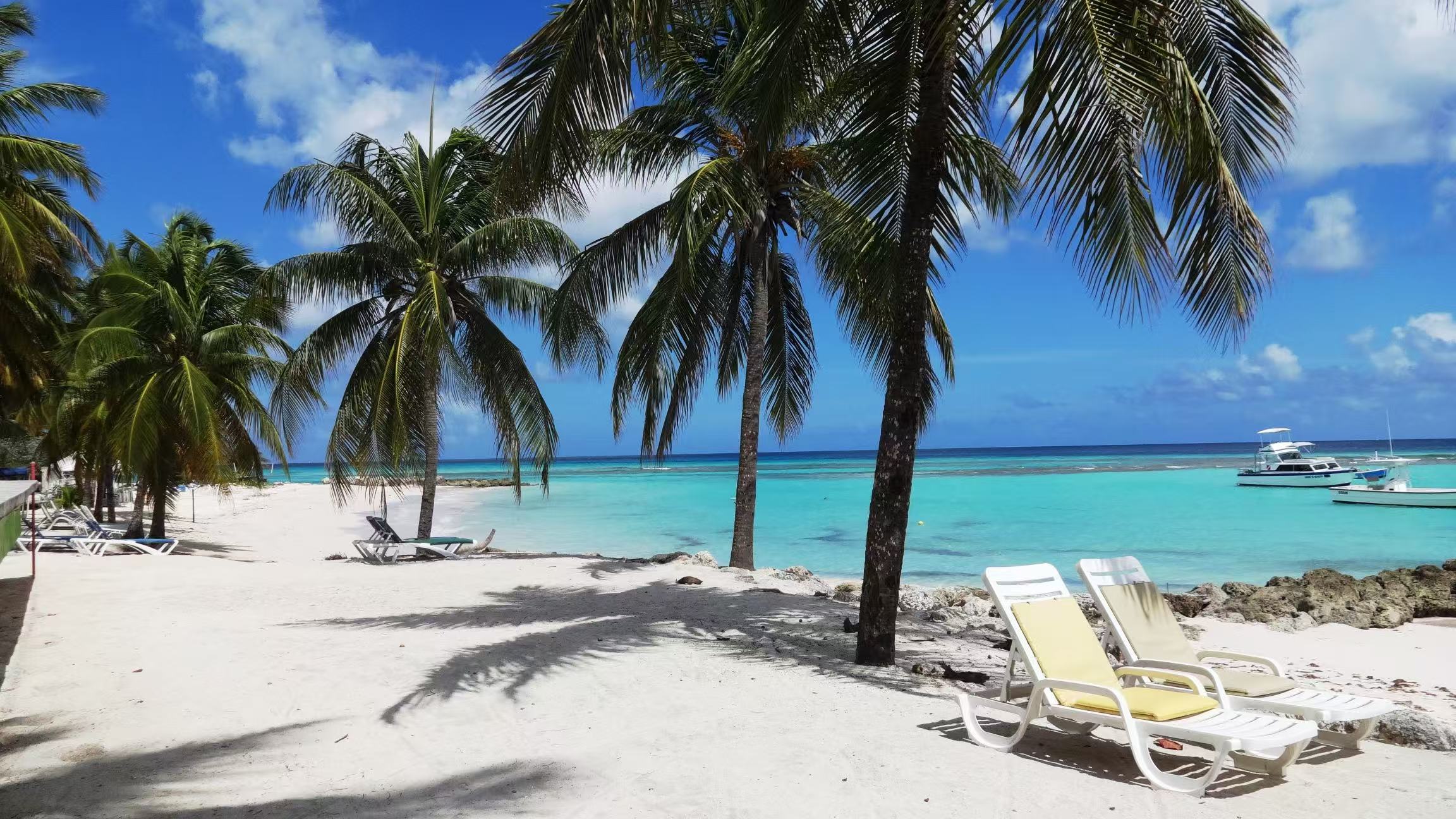
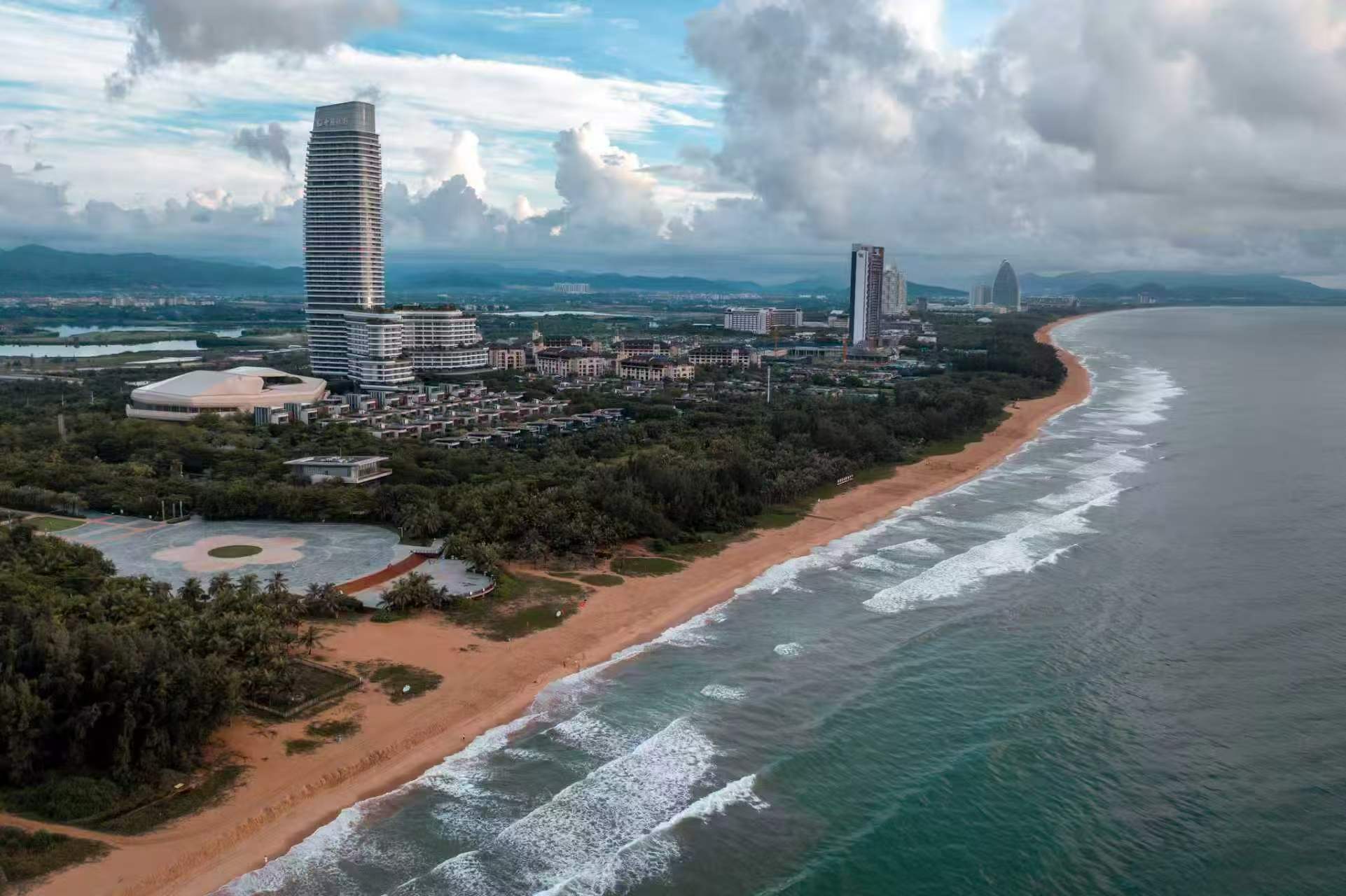
Beautiful Scenery in Sanya
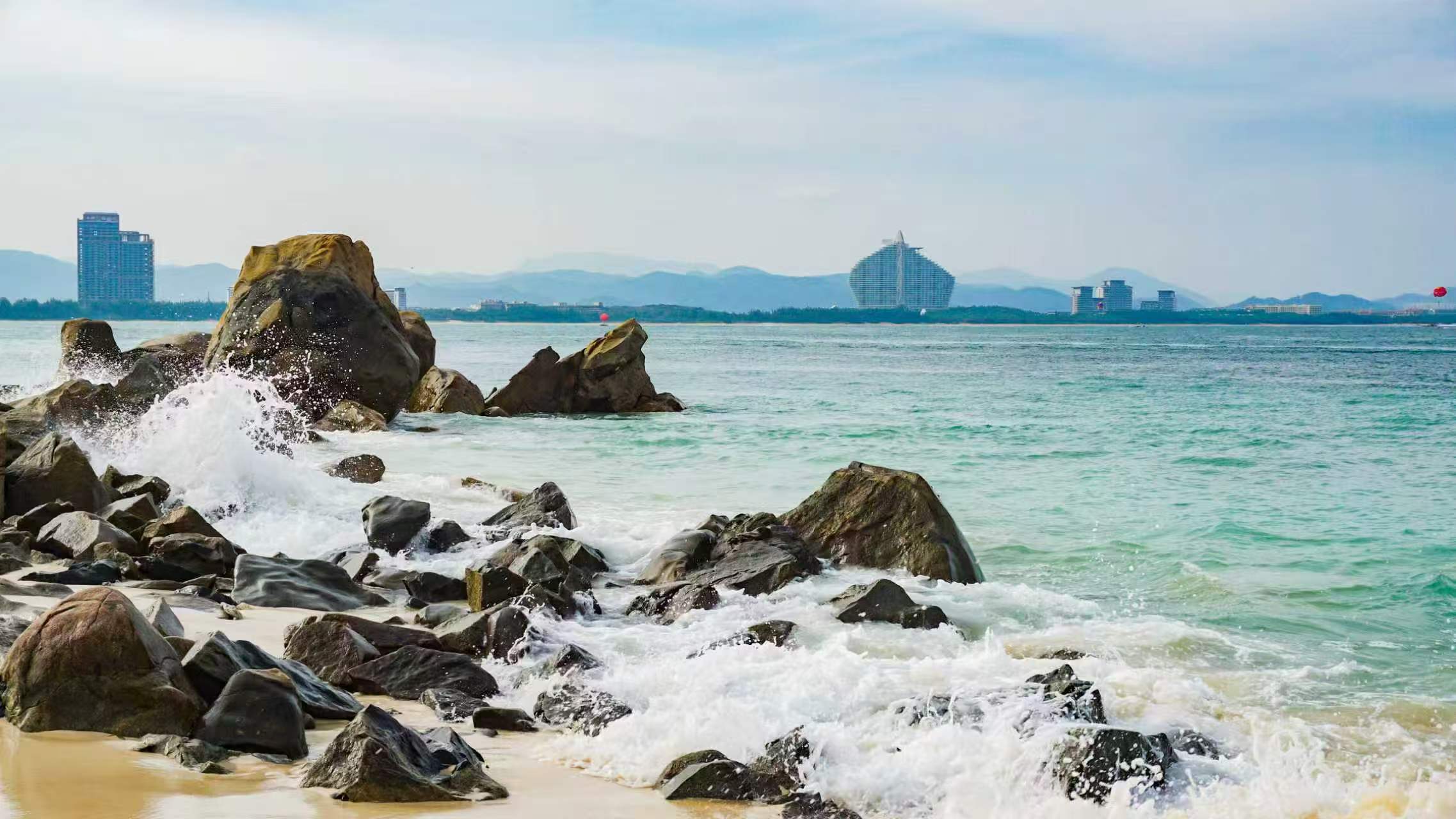
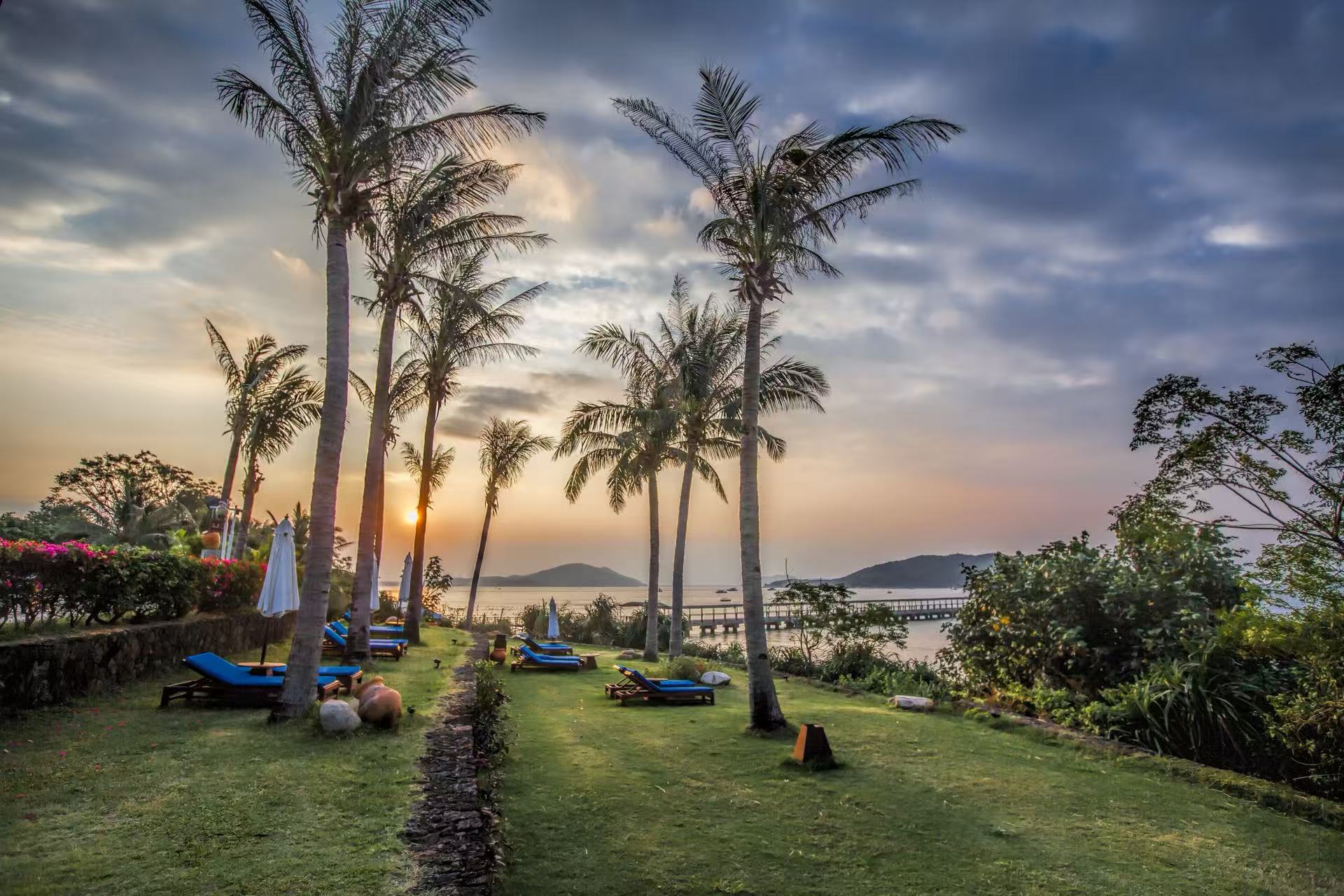
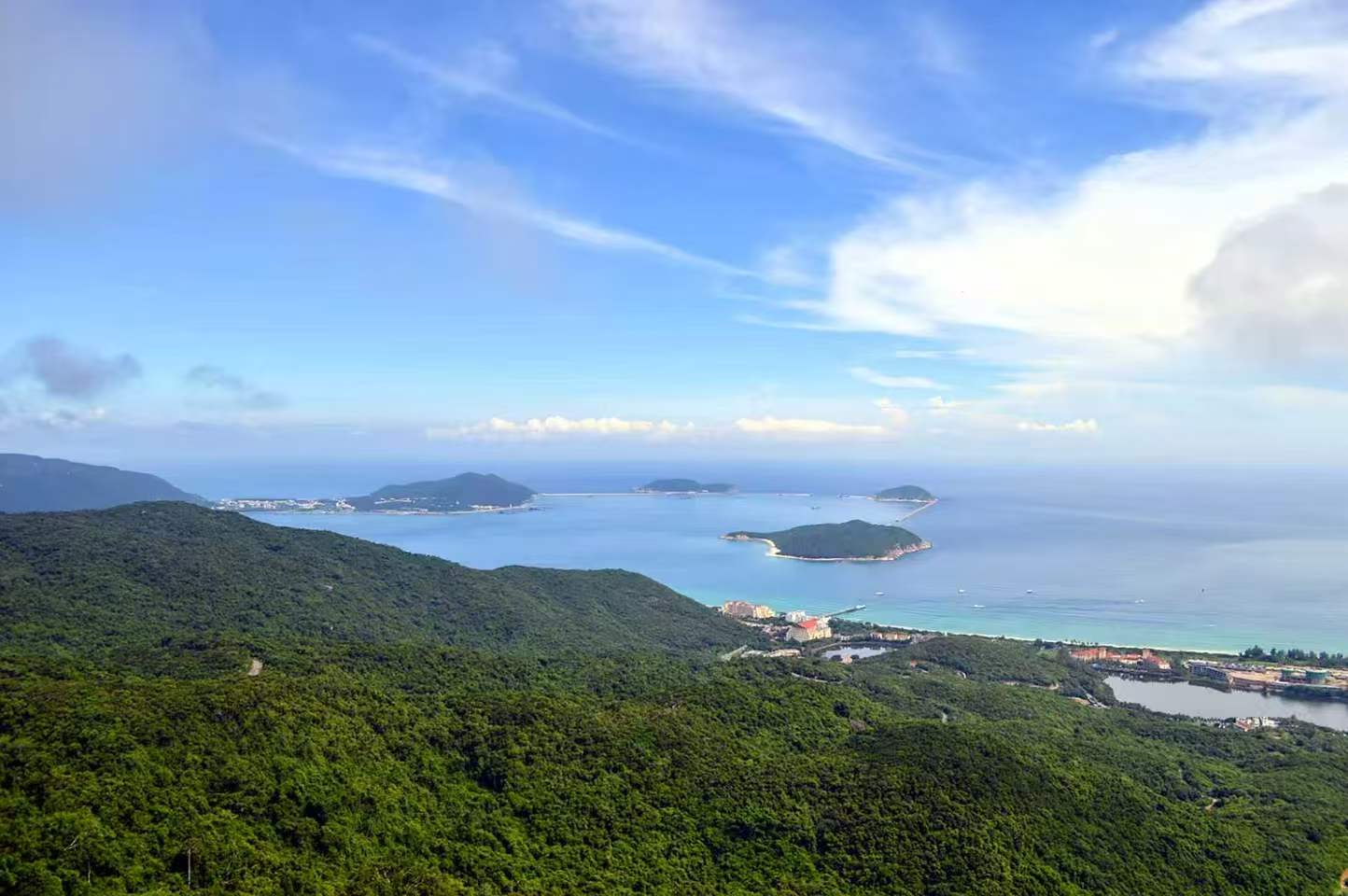
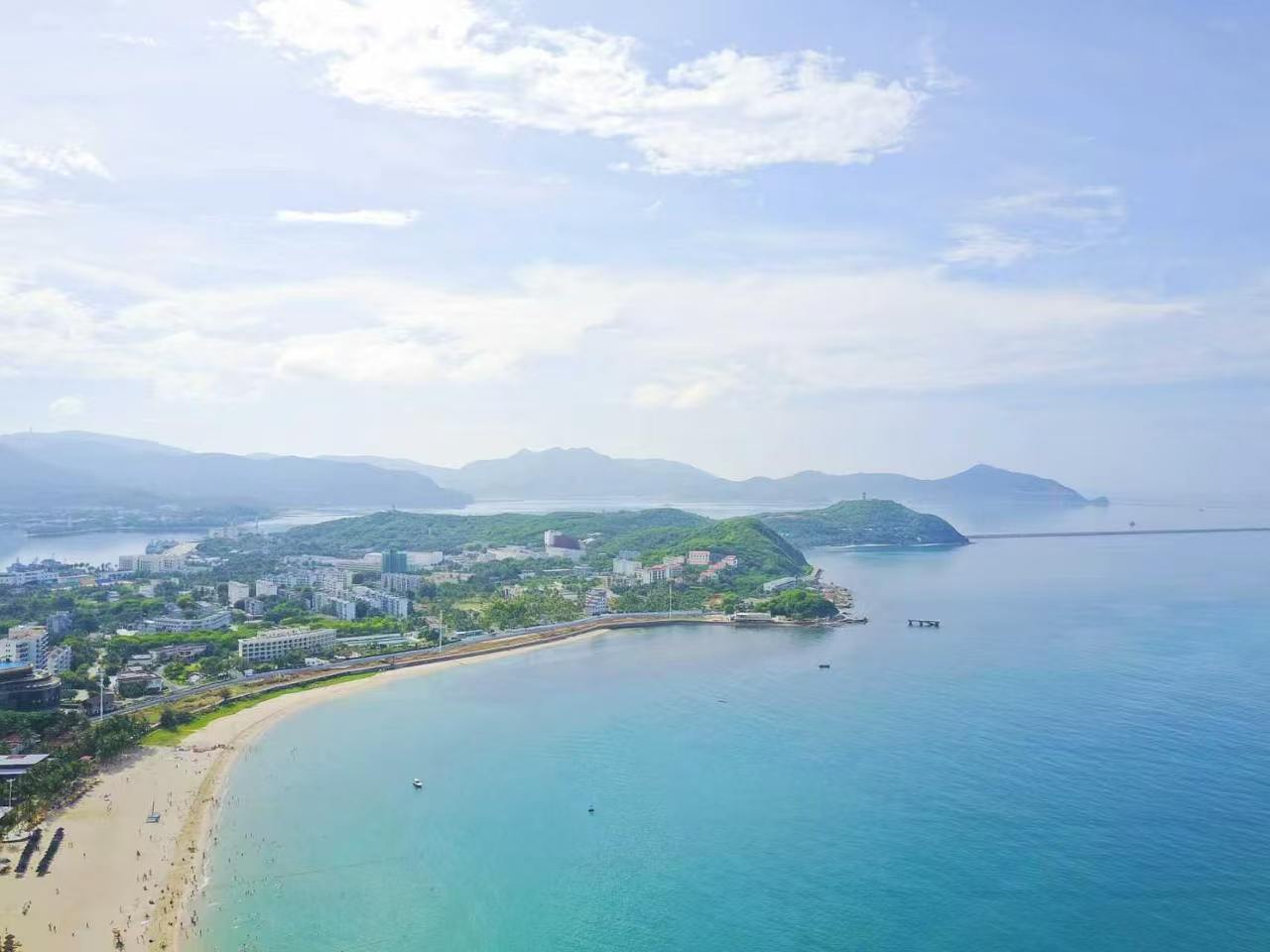
Learn Chinese in Sanya — where year-round tropical sunshine, beautiful beaches, and a relaxed island lifestyle come together with immersive language study, expert teachers, and daily opportunities to practice Mandarin, making your journey to fluency an unforgettable experience in China's own paradise.
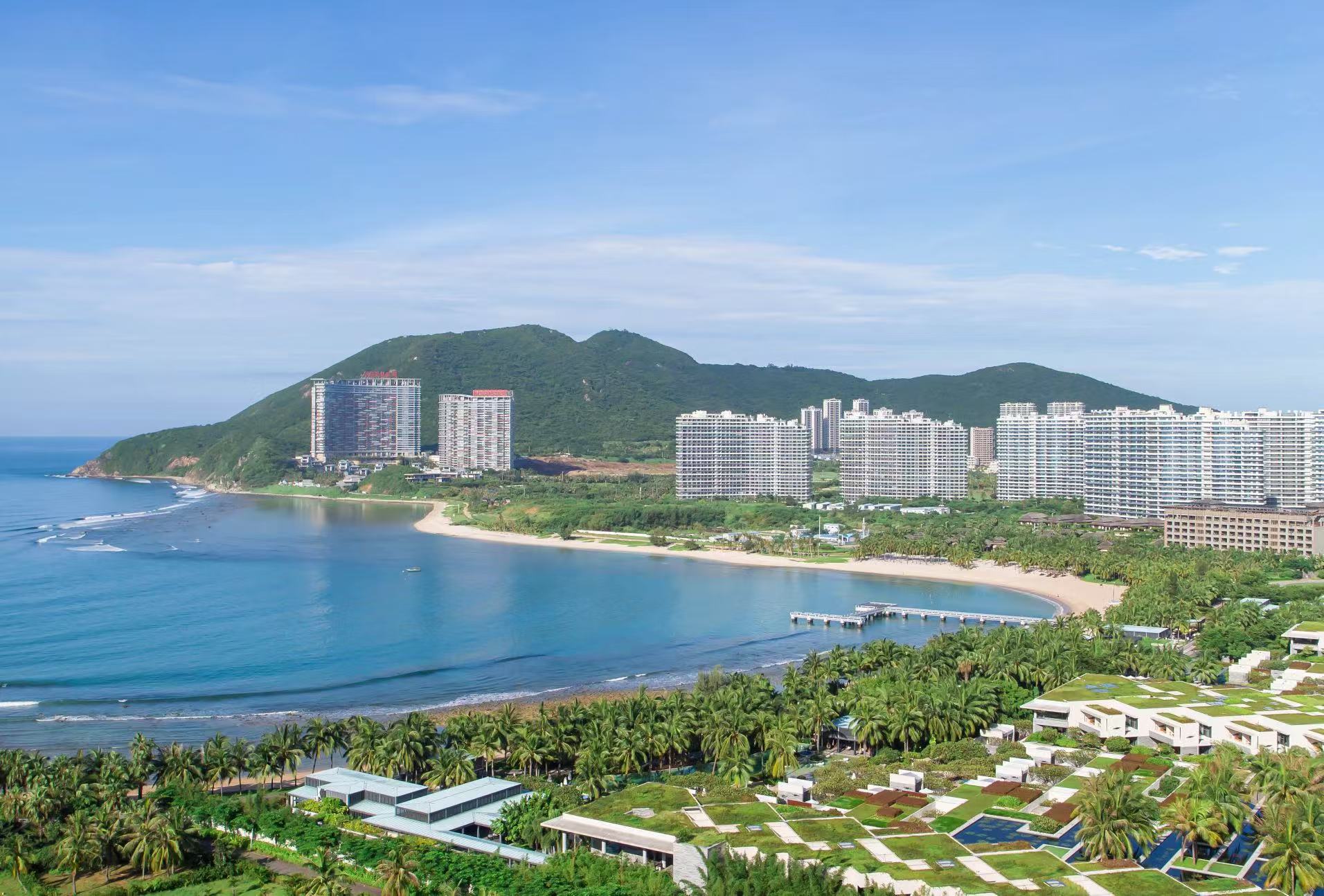

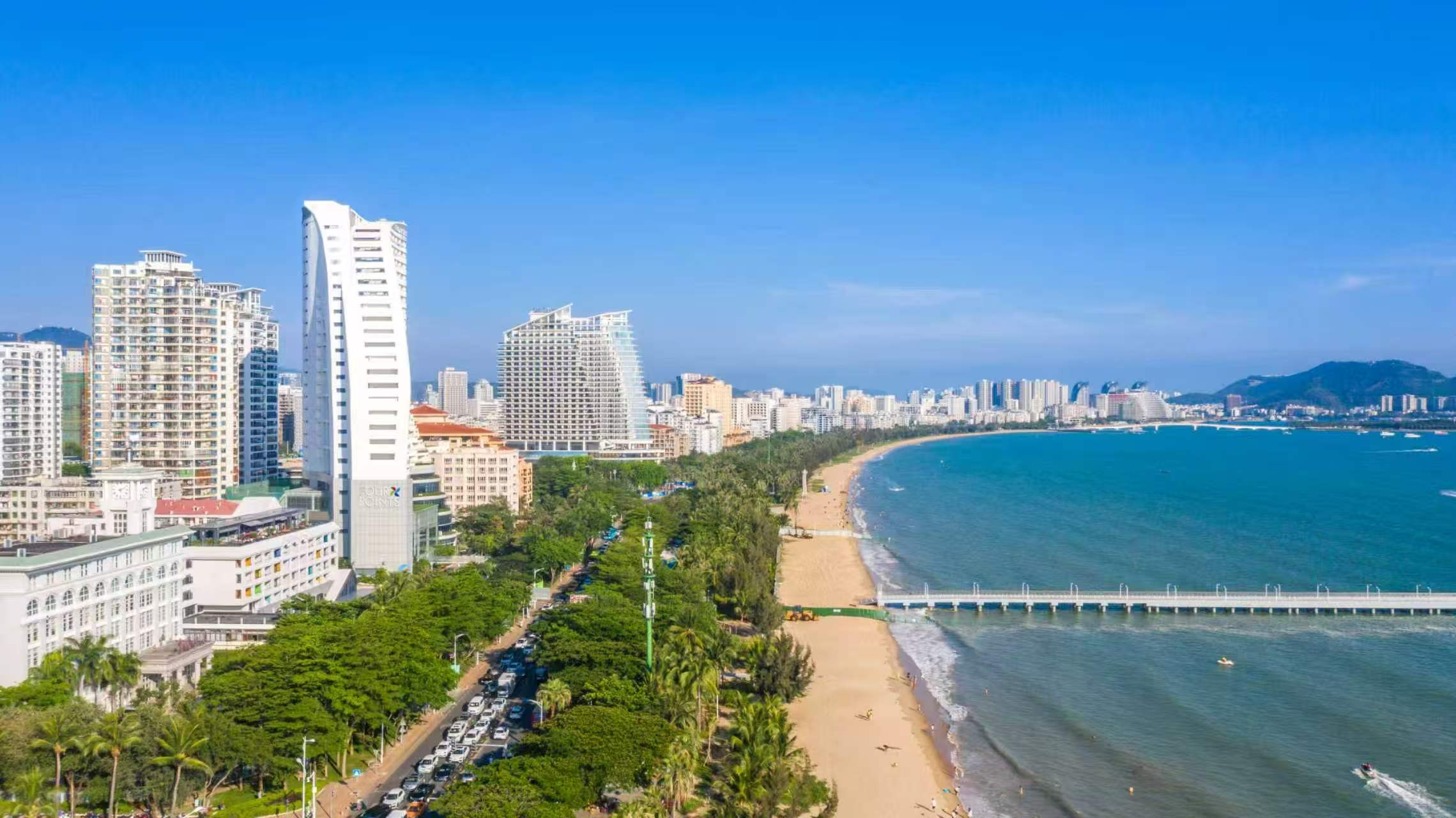
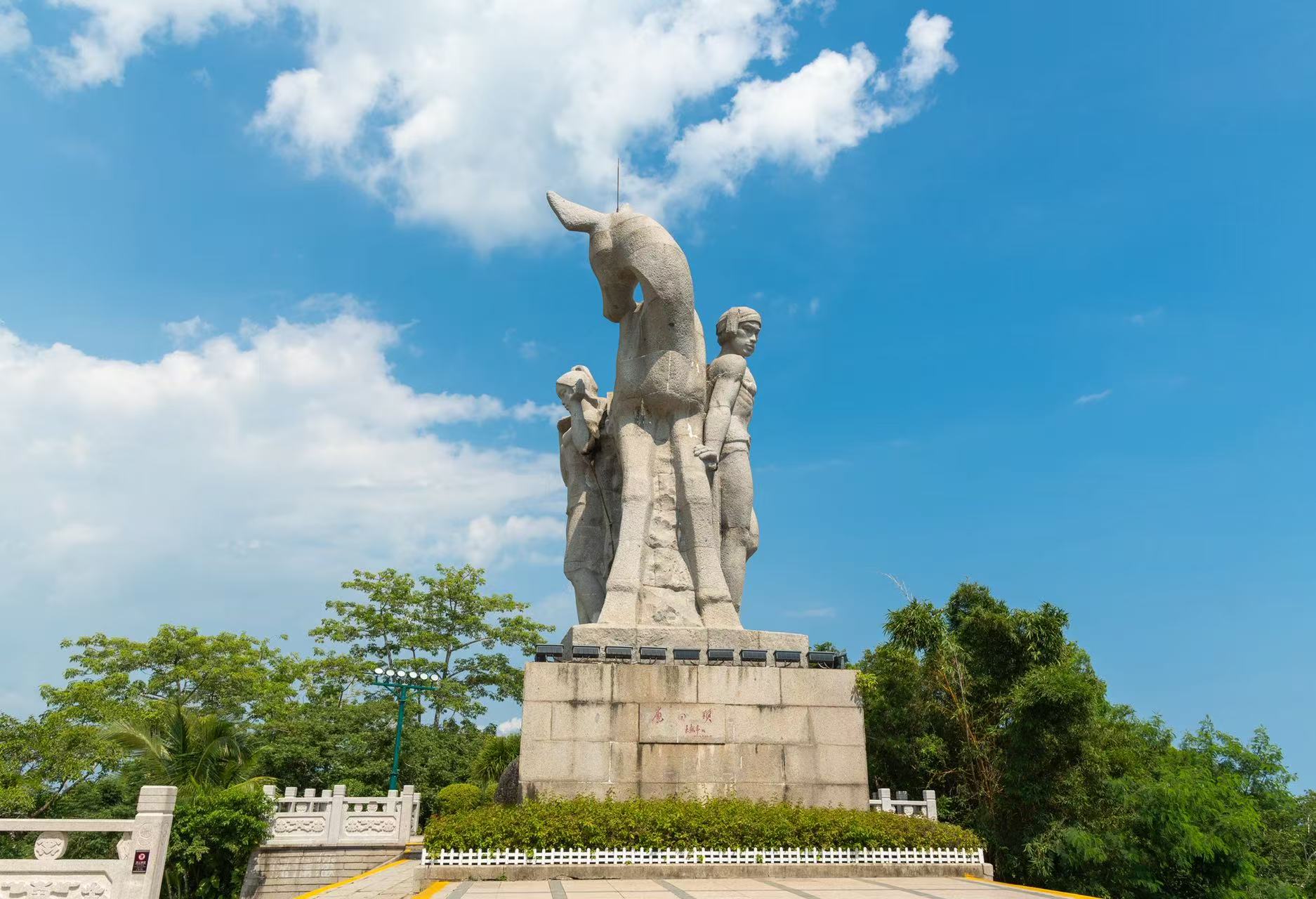
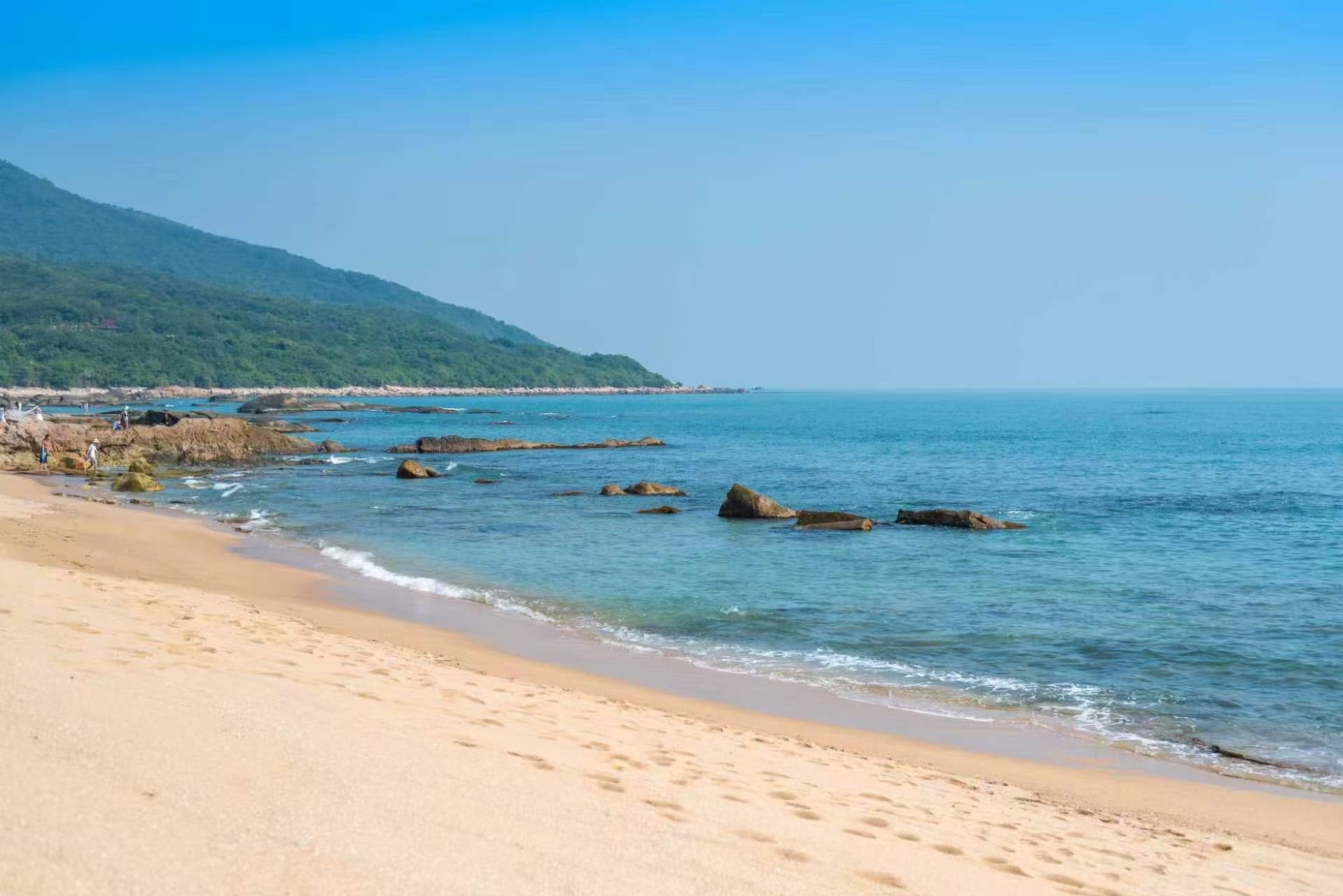



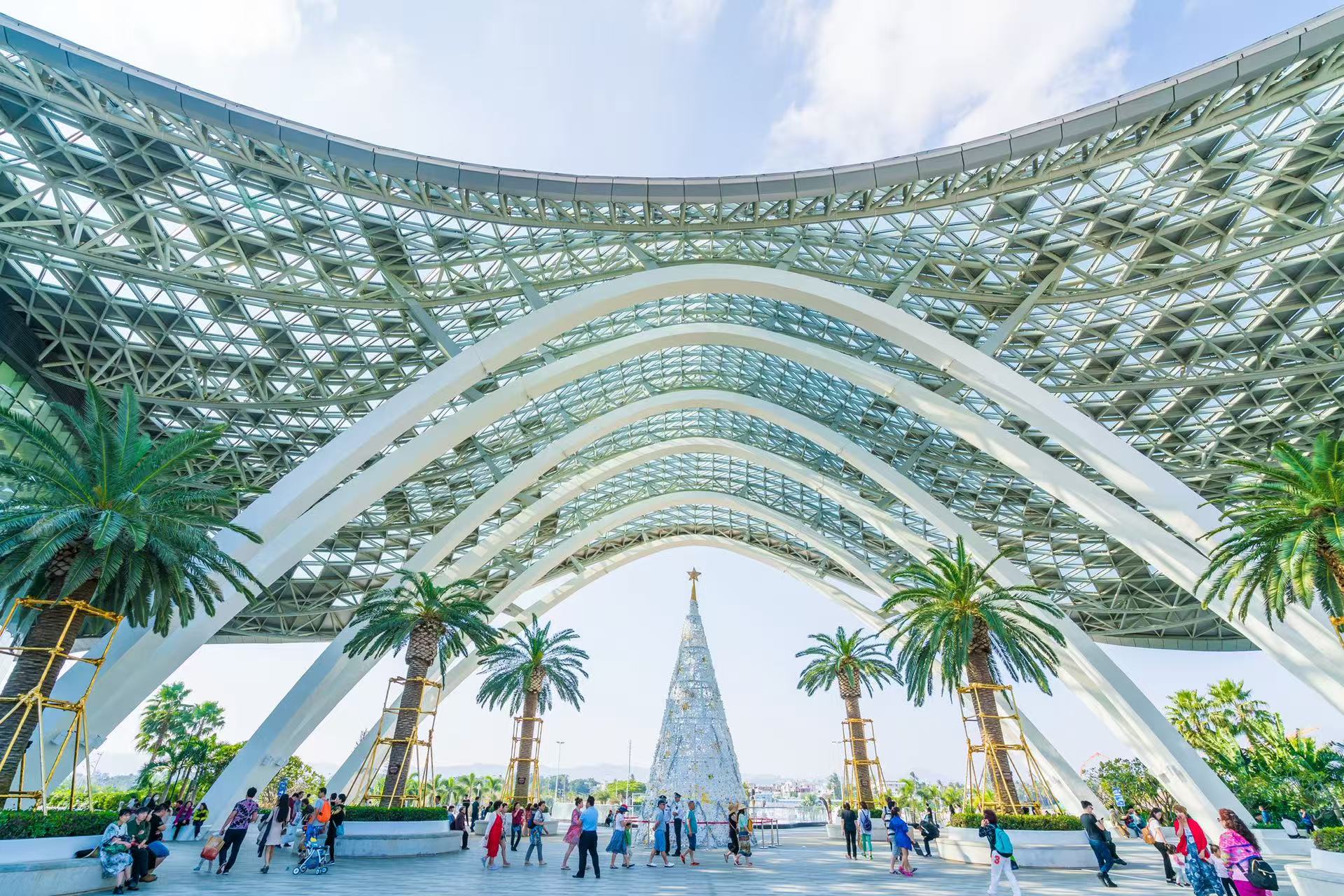

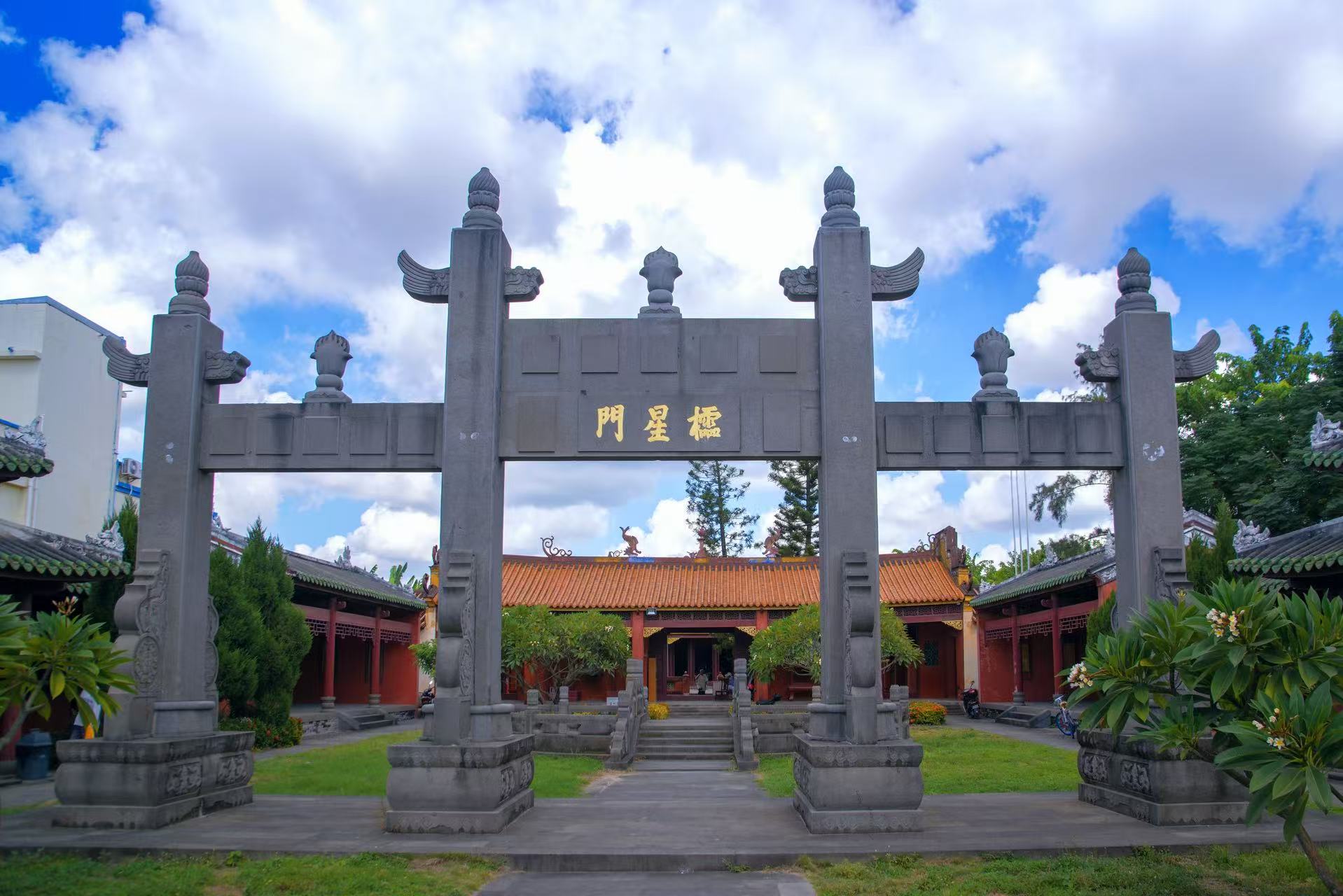
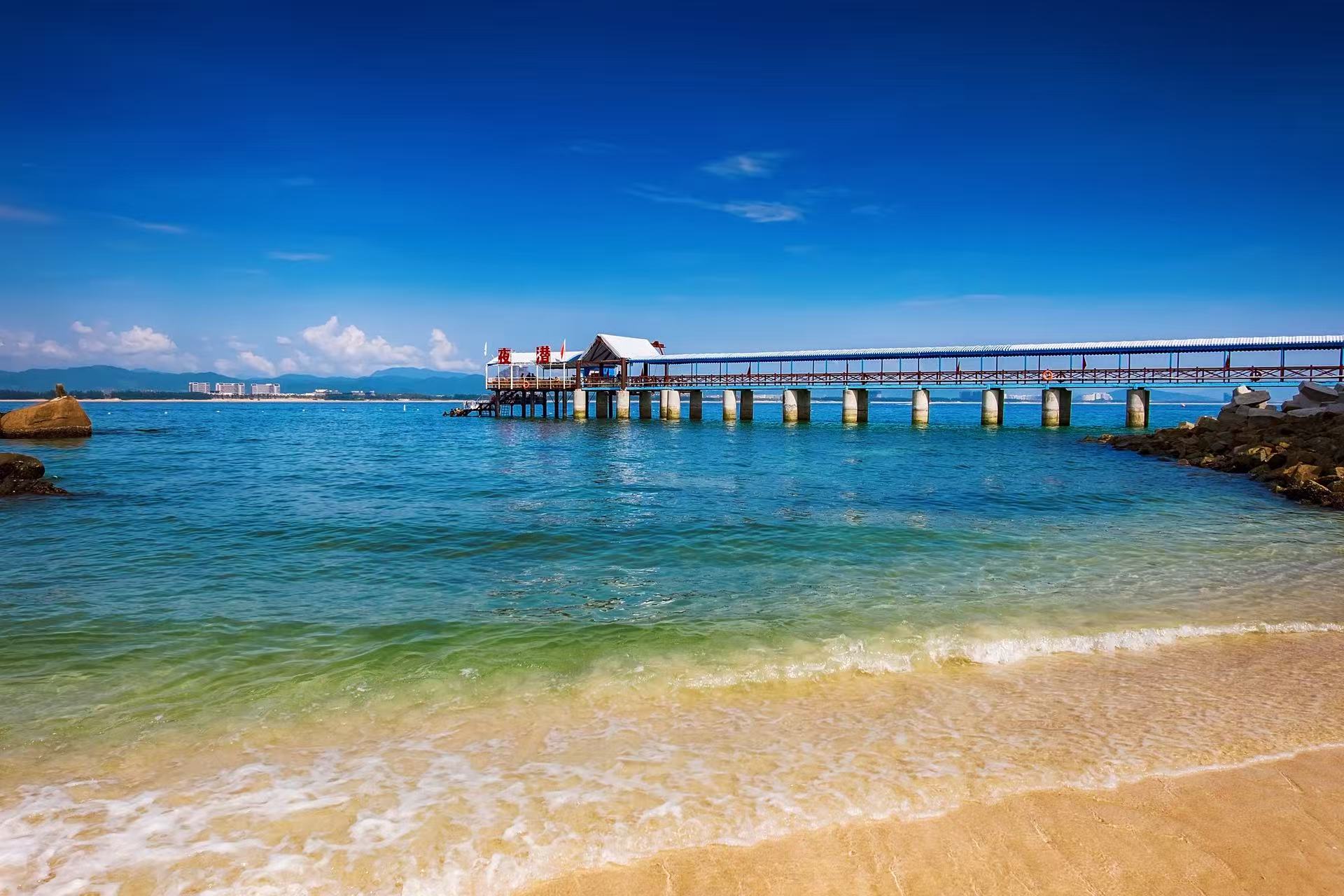
Learn Chinese in Sanya
10000+ Students Have Studied at Keats

Place to Visit in Sanya - Yalong Bay
Known as “The First Bay Under Heaven,” Yalong Bay boasts a 7-kilometer crescent-shaped beach with powdery white sand and crystal-clear, jelly-colored waters. Unlike crowded city beaches, it offers a serene, resort-style atmosphere perfect for swimming, sunbathing, and leisurely walks. The beach is free to access, and you can stroll along the shore from the central plaza to the high-end resort area, enjoying the quiet and picturesque scenery. It’s an ideal spot to simply relax and soak in the tropical vibe.

Place to Visit in Sanya - Wuzhizhou Island
Dubbed “China’s Maldives,” Wuzhizhou Island is the top destination for water sports and stunning underwater scenery. The island features a glass-clear sea, white sand beaches, and a vibrant coral reef. It’s the most comprehensive spot in Sanya for activities like diving, snorkeling, and sea walking. The iconic Lover’s Bridge and Sunrise Rock offer breathtaking views. While popular, its natural beauty justifies the visit. Taking the electric cart around the island is highly recommended to see its dramatic cliffside scenery without the exhausting walk.

Place to Visit in Sanya - Nanshan Cultural Tourism Zone
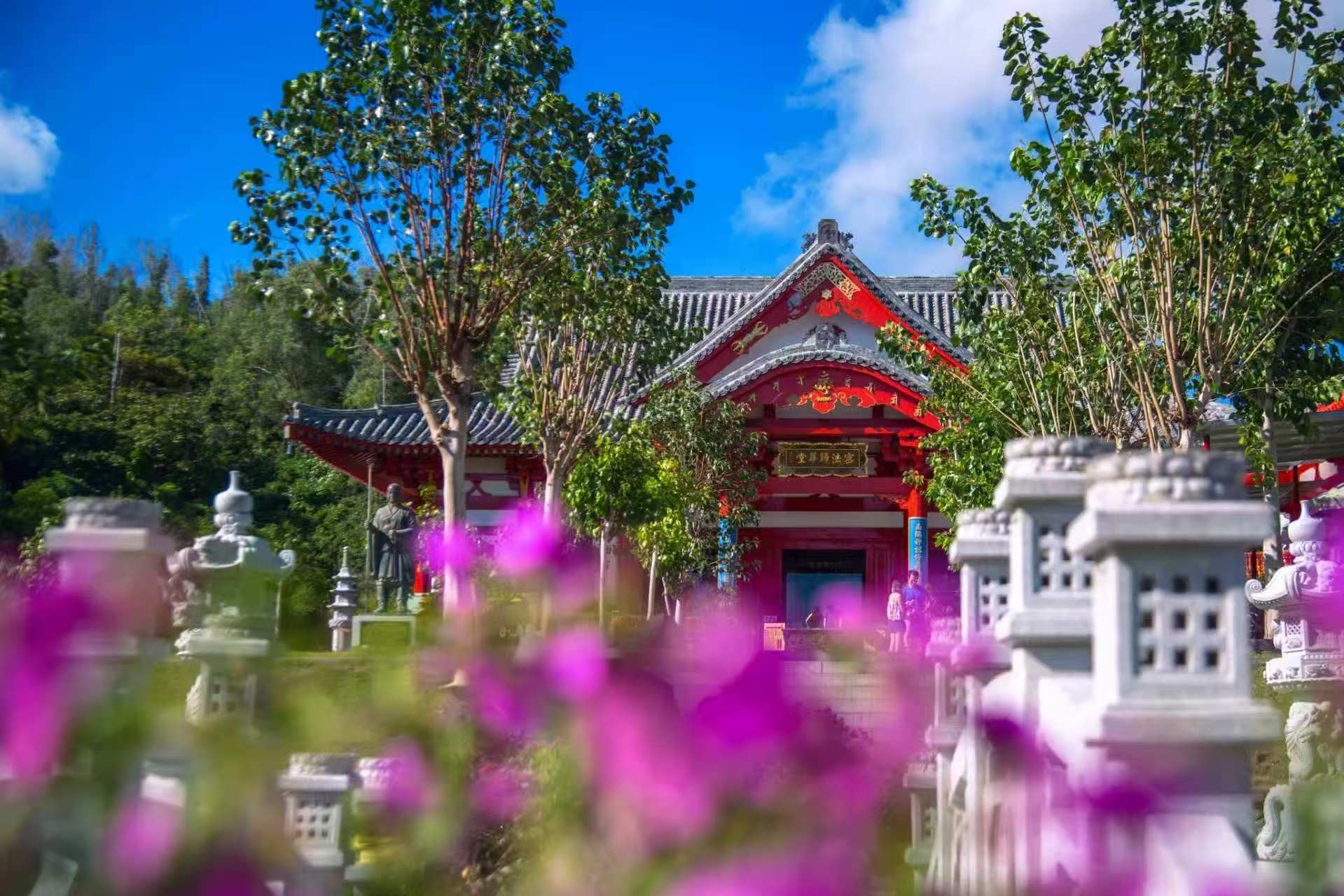
This is a significant cultural and spiritual site, most famous for its 108-meter-tall Guanyin statue standing in the sea. As the world’s tallest white Guanyin statue, it’s a breathtaking sight and a major pilgrimage destination. The expansive park also features the Nanshan Temple, a vegetarian restaurant, and beautiful coastal views. Visiting here offers a peaceful escape and a chance to learn about Buddhist culture. Be prepared for a lot of walking; purchasing the sightseeing cart ticket is essential to cover the vast area comfortably.

Place to Visit in Sanya - Tianya Haijiao
This is one of Sanya’s most iconic and romantic landmarks, symbolizing the “ends of the earth”. The main attraction is the giant “Tianya” and “Haijiao” boulders standing on the beach, a classic photo spot for couples. While some say it’s “just rocks,” the surrounding coastal scenery is beautiful, and the area has been upgraded to a free, scenic park with a relaxed atmosphere. It’s best visited in the late afternoon to avoid the heat and crowds, allowing you to enjoy a spectacular sunset over the South China Sea.

Place to Visit in Sanya - Luhuitou Park
For the best panoramic views of Sanya, head to Luhuitou Park. Located on a hilltop, this free park offers a 360-degree vista of the city, Sanya Bay, and the ocean. The highlight is the giant Luhuitou (Deer Turning Its Head) sculpture, which tells a romantic Li minority legend and is the origin of Sanya’s nickname, “Deer City”. The best time to visit is in the late afternoon; you can witness the stunning “orange sea” sunset followed by the sparkling city lights after dark.

Place to Visit in Sanya - Daxiaodongtian
As Sanya’s oldest scenic area, Daxiaodongtian is a unique blend of mountain, sea, and Taoist culture. This free 5A-level park features ancient Southern Song dynasty cliff inscriptions, a 30,000-strong forest of rare Dragon’s Blood Trees, and a natural sea-eroded cave called “Xiaodongtian”. The “South Sea Blessing Gate” is a popular photo spot, and the coastal views are magnificent. Taking the sightseeing train is recommended to comfortably explore this large park and learn about its 800-year history.

Cuisine in Sanya - Wenchang Chicken
Wenchang Chicken is the undisputed “King of Hainan’s Four Famous Dishes” and a must-try for every visitor. The chicken is prized for its thin, smooth skin and tender, subtly sweet meat. The traditional preparation is “white-cut” (poached), which best preserves the chicken’s natural flavor and texture. It is always served with a dipping sauce of ginger, garlic, and local small limes, alongside fragrant chicken rice cooked in chicken broth. In Hainan, no banquet is complete without it.

Cuisine in Sanya - Hele Crab 和乐蟹
Hele Crab is Sanya’s seafood pride, renowned for its hard shell and exceptionally rich, golden-orange roe that resembles salted duck egg yolk. It is one of Hainan’s “Four Famous Dishes” and is famous for its “fragrant, fresh, crispy, and tender” qualities. While it can be cooked in many ways, steaming is considered the best method to preserve its natural sweetness and beautiful color. The crab meat is firm and sweet, while the roe is rich and luxurious.

Cuisine in Sanya - Hainan Rice Noodles 海南粉
Hainan Rice Noodles are the soul of Sanya’s breakfast culture and a true taste of local life. This dish features thin rice noodles topped with a generous array of garnishes, including fish cake slices, crushed peanuts, fried shrimp skin, bean sprouts, and pickled vegetables. The magic lies in the broth—a rich, milky-white stock made from pork bones and sea clams that is poured over the noodles. The result is a bowl of savory, slightly sweet, and incredibly satisfying flavors that locals enjoy every morning.
FAQ
What does the tuition fee include?
The tuition fee includes:
- 4/6 hours of one-on-one Chinese lessons per day Monday to Friday
- Accommodation (A clean and safe single/double room with private bathroom)
- Program Certificate
We also offer a list of free services for studying in Sanya:
- Airport pick-up and drop-off
- Internet access use without limit
- Saturday excursions
- Teacher’s companion for afternoon excursions
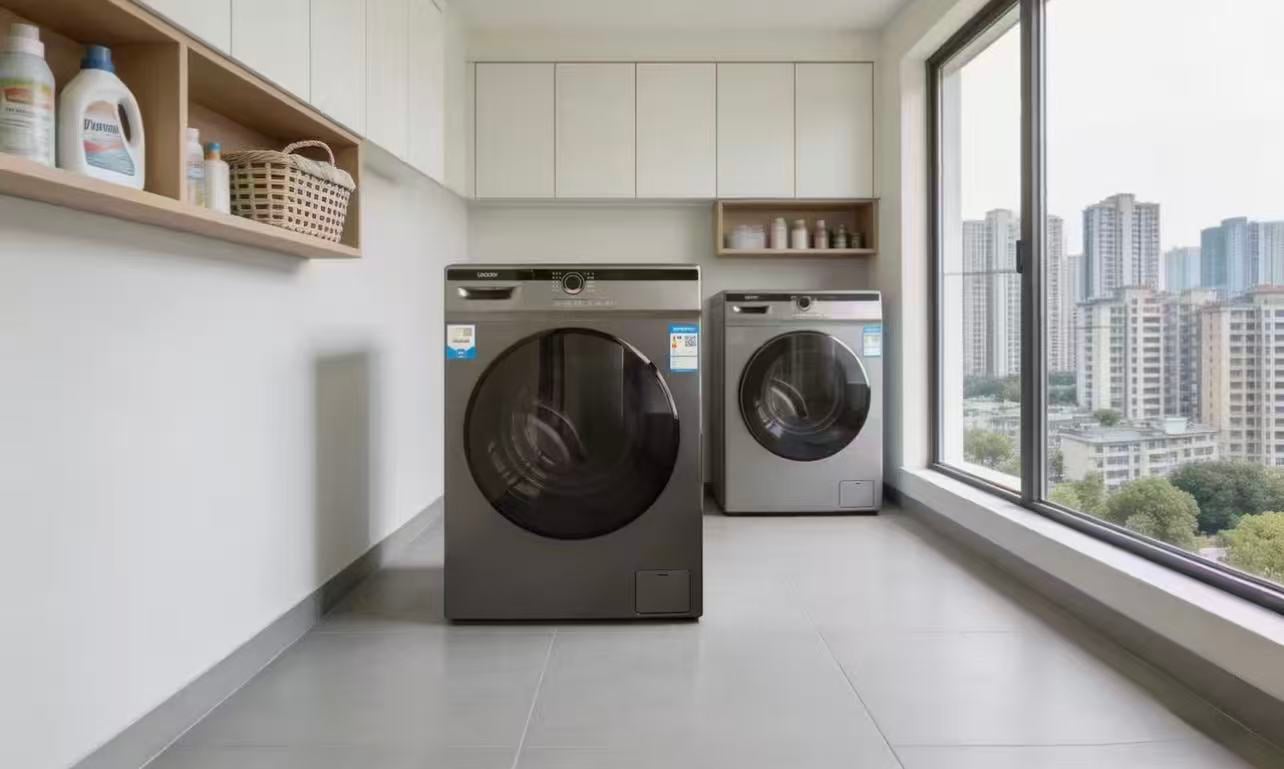
- Laundry
- A tour of the surroundings (bank, supermarket, post office etc.)
- Medicine for minor illnesses
- Advisors available to offer help
- 24/7 support
- Access to The Chairman’s Bao online learning platform
- Visa application assistance
- Room cleaning every day
How to Get to Sanya?
✈️ By Air (Most Recommended)
Sanya Phoenix International Airport (SYX) is the main gateway, and it’s the easiest option for most international visitors.
International flights: Sanya has direct or connecting flights from major Asian hubs like Hong Kong, Singapore, Bangkok, Kuala Lumpur, and Seoul. Many travelers also fly into Beijing, Shanghai, or Guangzhou first, then take a short domestic connection to Sanya (roughly 2.5–4 hours).
Visa note: China offers visa-free entry for citizens of many countries (including Japan, Singapore, and several European nations) for short stays. Sanya is also part of Hainan’s visa-free policy, which allows citizens of 59 countries to enter visa-free for up to 30 days for tourism. Check your nationality’s current status before booking.
From the airport to the city: Taxis, ride-hailing apps (like Didi), and airport shuttles are all available. The airport is about 20–30 minutes from downtown Sanya.
🚆 By Train (For Those Already in Mainland China)
There is no direct international train to Sanya, but if you’re already traveling within China, you can take the train.
Route: You’ll need to transfer at a mainland city such as Zhanjiang West, Maoming, or Yulin, then take a train that crosses the Qiongzhou Strait by ferry to reach Hainan Island.
Total travel time: Usually 24–40 hours depending on your starting point.
Highlight: The train actually boards a ferry to cross the sea — a unique experience, though slow.
What's the year around temperature in Sanya?
☀️ Seasonal Overview
Cool Season (December – February): This is Sanya’s peak tourist season. Average temperatures stay between 19°C and 26°C, making it pleasantly warm and dry with low humidity. It’s perfect for escaping colder climates.
Hot Season (May – September): Temperatures rise, with daily highs consistently around 30°C to 32°C. This period is also the rainy season, with high humidity and occasional typhoons, especially from July to September.
Shoulder Seasons (March-April & October-November): These months offer a great balance, with warm temperatures typically ranging from 22°C to 30°C and more comfortable humidity levels before or after the peak summer heat.
In short, you can expect warm weather anytime you visit, but the cooler, drier months from November to March are generally the most comfortable for travelers.
LEARN CHINESE IN CHINA WITH KEATS
Jaq's Story at Keats
The Inspiration of Chinese Tea
OVER 10000+ STUDENTS
HAVE STUDIED AT KEATS
It doesn’t matter what level of Chinese you have, or even you can start from the zero level. Your teacher will prepare the lessons according to your requirements. The advantage of living in the school is that you will have your tutoring, you will have your private accommodation with your own bathroom and all the meals provided. I highly recommend everybody to actually take the whole package because you get to meet other students.
I really enjoy this place because we have private Mandarin lessons. I took the 6-hour program, 4 hours in the morning, 2 in the afternoon. Even though it is quite a lot, the teaching is complimentary. This is very helpful because I could review what I did before and learn new things. My 2 teachers are fantastic. We live in the school, so it is convenient. It is interesting to me to meet people from all over the world.
I think the Chinese learning environment here is great. The teaching methods are also very interactive and fun. What I particularly enjoy here is the fact that my teacher does not stick to the textbook. We spend a lot of time discussing general topics, such as Chinese culture, world news, typical expressions used by local people. We also discuss social and economic topics.
I have been to Keats School to learn Chinese for 4 times now. The reason for coming back to this school is pretty much that the teachers I did work with were very good Chinese teachers. I make it a 5-year plan or even a 10-year plan to come back to this school. All the teachers have methods of looking at what your skills are. They are aware of at what level you are. I think it is worth for everyone.
My name is Sarah Fish. I am 81. I knew very little Chinese when I arrived. How was I going to survive 2 weeks of intensive Chinese course? I have to laugh when I think of that now. What a positive experience this has been! I really wish we could be here a little longer. The teachers are extremely encouraging, evaluating first how much someone knows, and then starting from there.
In the one-to-one intensive Chinese course, you can choose the learning method you like. The small group Chinese class in China at Keats follows the HSK textbook. Teachers often collect feedback from the students, teachers listen to our requirements and opinions. I felt that my oral level is better than before .
One thing I really liked was that I was able to work with my teacher to make an individual plan of study. Another really nice thing is that you live at the school, you feel completely safe. You always have a group of people who are willing to do things with you on the weekends or in the evenings. They are serving you all the 3 meals a day, the food was excellent.
Kunming’s scenery is very beautiful. It is the best place to study Chinese in China. My favorite learning method at Keats School is one-on-one because it is suitable for everyone. My teacher is very good, very caring, and lovely. My life when learning Chinese in Kunming is very good and the weather is very good. The air is very good. It is good for the elderly’s body.