Chinese Language Courses in Chongqing
Intensive One-on-One Chinese Classes


Intensive One-on-One Chinese Classes
- Personal study plans
- Best teachers and private lessons
- Full immersion experience
- Full services (study + single room accommodation)
- Start on any Monday
Small Group Chinese Class

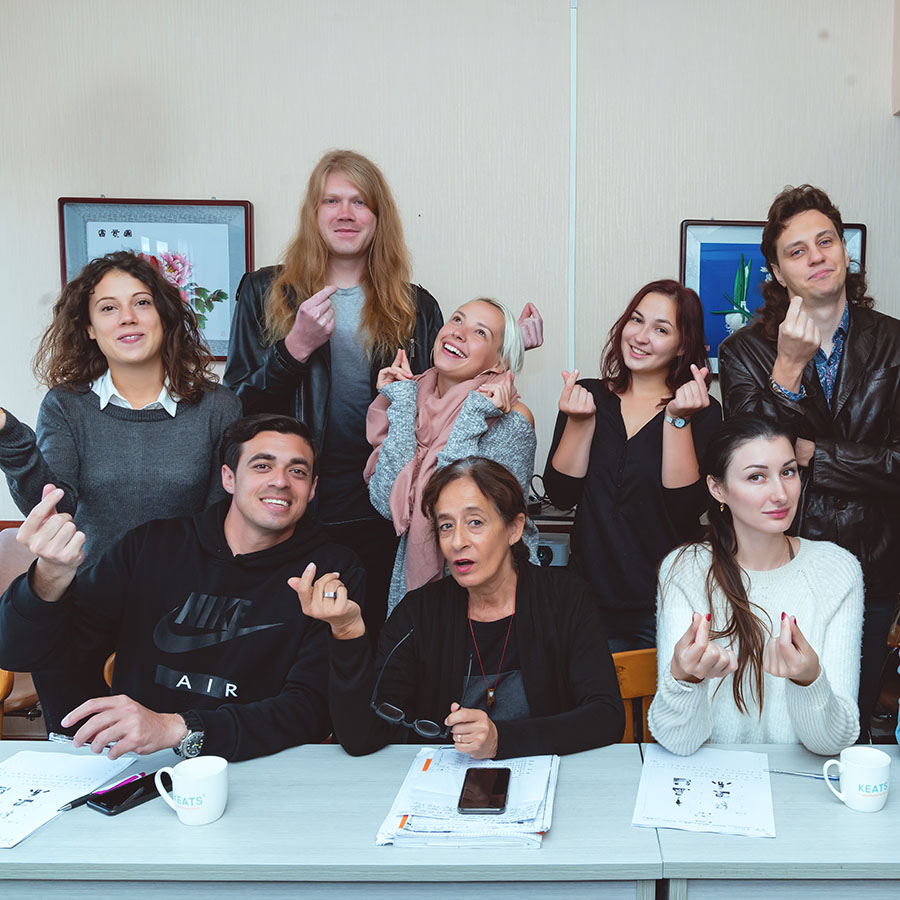
Small Group Chinese Class
- No more than 6 students in one class
- As low as USD 650/week
- Accommodation included
- 50% of students return
- Arrive on any Sunday and start the class on Monday
HSK Test Preparation Course

HSK Test Preparation Course
- Start anytime
- HSK experts with years of experience
- Get test scores improved significantly
- Intensive one-on-one Chinese class
- Full services (study + single room accommodation)
Summer Camp in China


Summer Camp in China
- Summer camp in China
- Interesting Chinese language classes
- Chinese cultural lessons + excursions
- Make friends from all over the world
Children Chinese Program

Children Chinese Program
- Summer/Family camp in China
- Interesting Chinese language classes
- Chinese cultural lessons + excursions
- Parents participate in all activities
- Beijing, Kunming, Chengdu, Chongqing
Chinese Language Course + Tour in China

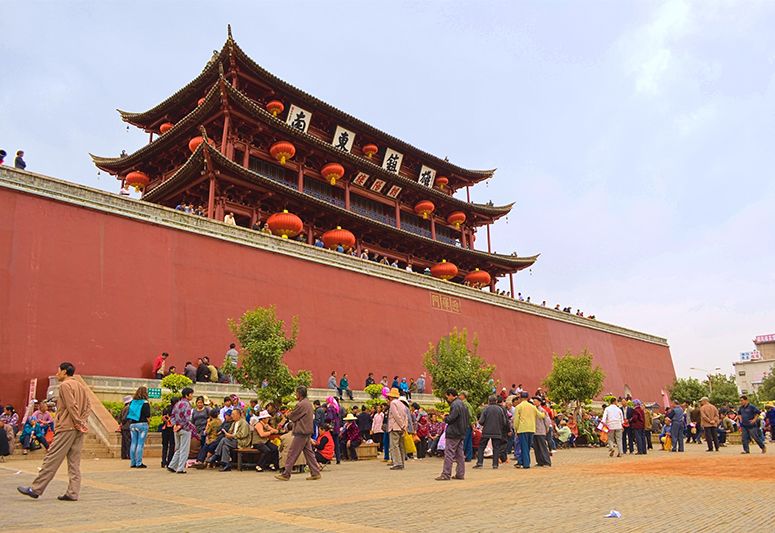
Chinese Language Course + Tour in China
- Private one-on-one Chinese lessons
- Full services (study + accommodation)
- Excursions and tours with your teacher
- Travel to Dali, Lijiang, Shangri-la, Beijing, Xi'an, Guilin, Shanghai, Zhangjiajie, etc.
Study Tour in China (for groups)

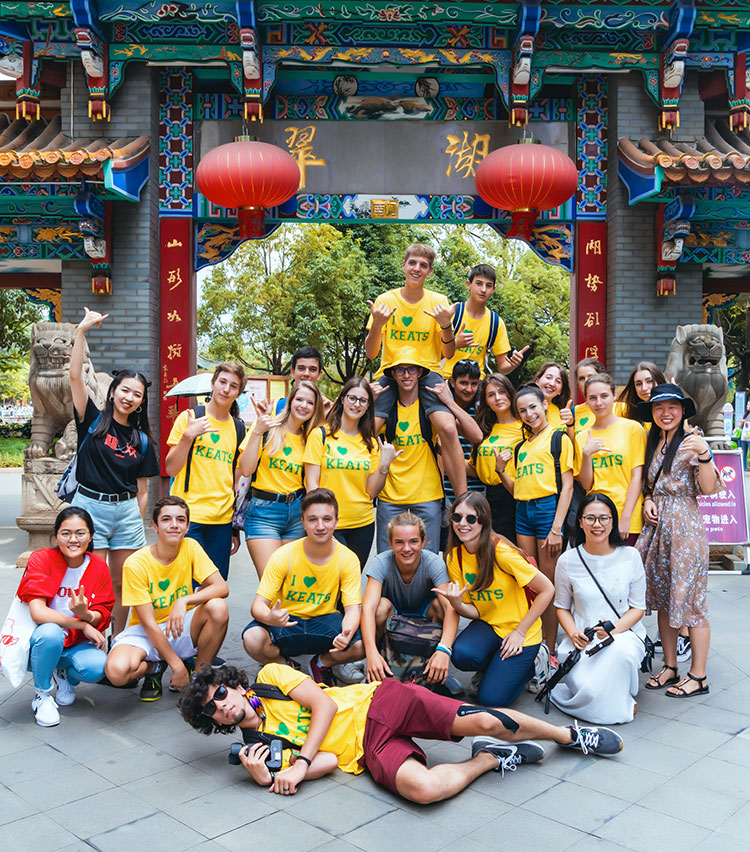
Study Tour in China (for groups)
- Designed for high schools, universities, companies, and organizations
- Chinese course with group activities
- Professional Chinese teachers
- A true Chinese immersion experience


Intensive One-on-one Chinese Course
You can choose to study Chinese in Chongqing for either 4 hours per day (20 hours/week) or 6 hours per day (30 hours/week). If you want to learn Chinese in China, the intensive one-on-one Chinese course is the fastest way to improve. Our unique teaching methods, developed by Keats, ensure your teacher tailors every lesson to your level and goals so you learn the most Chinese in the shortest time. Accommodation is included — you’ll study, live, and eat all in one building.


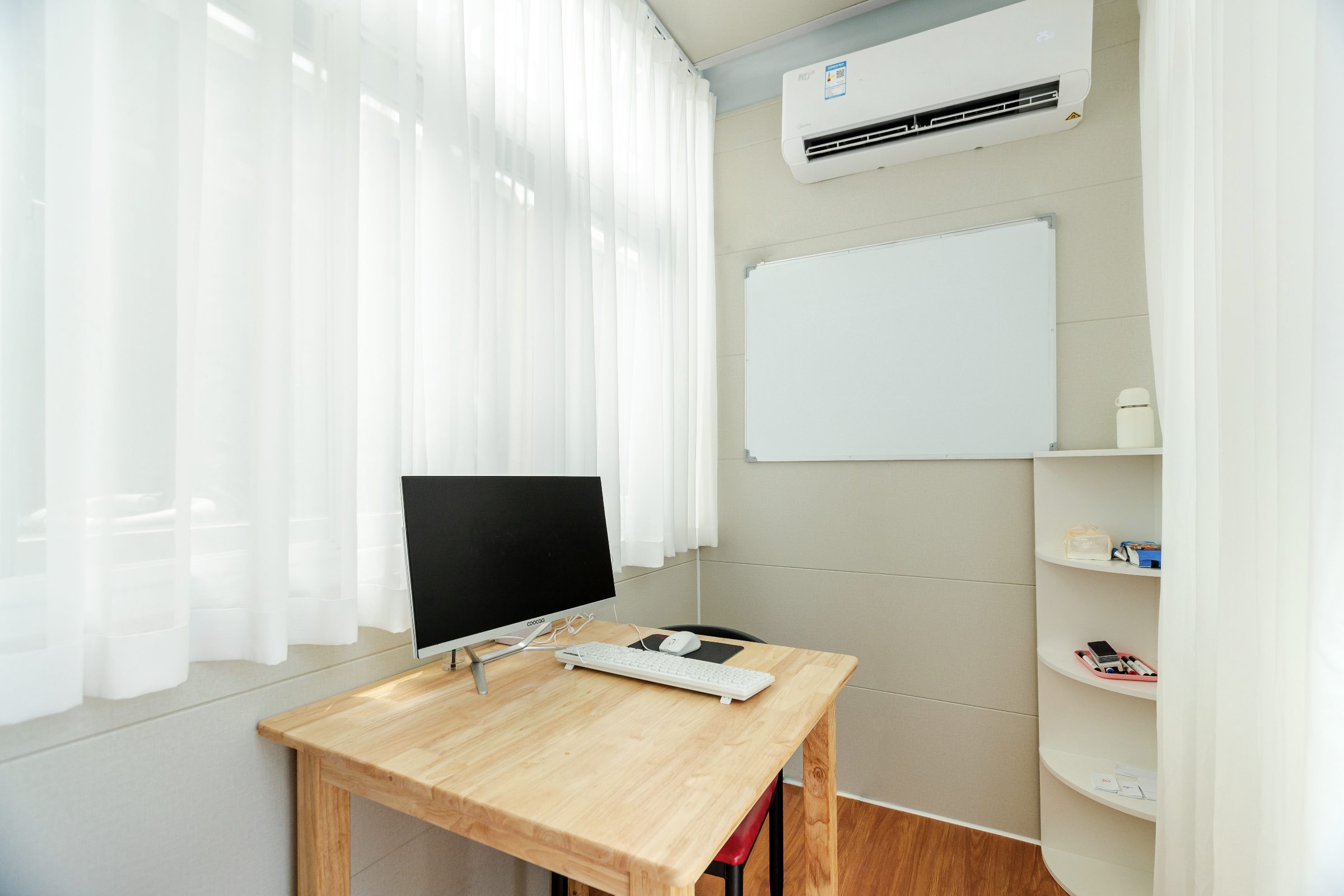
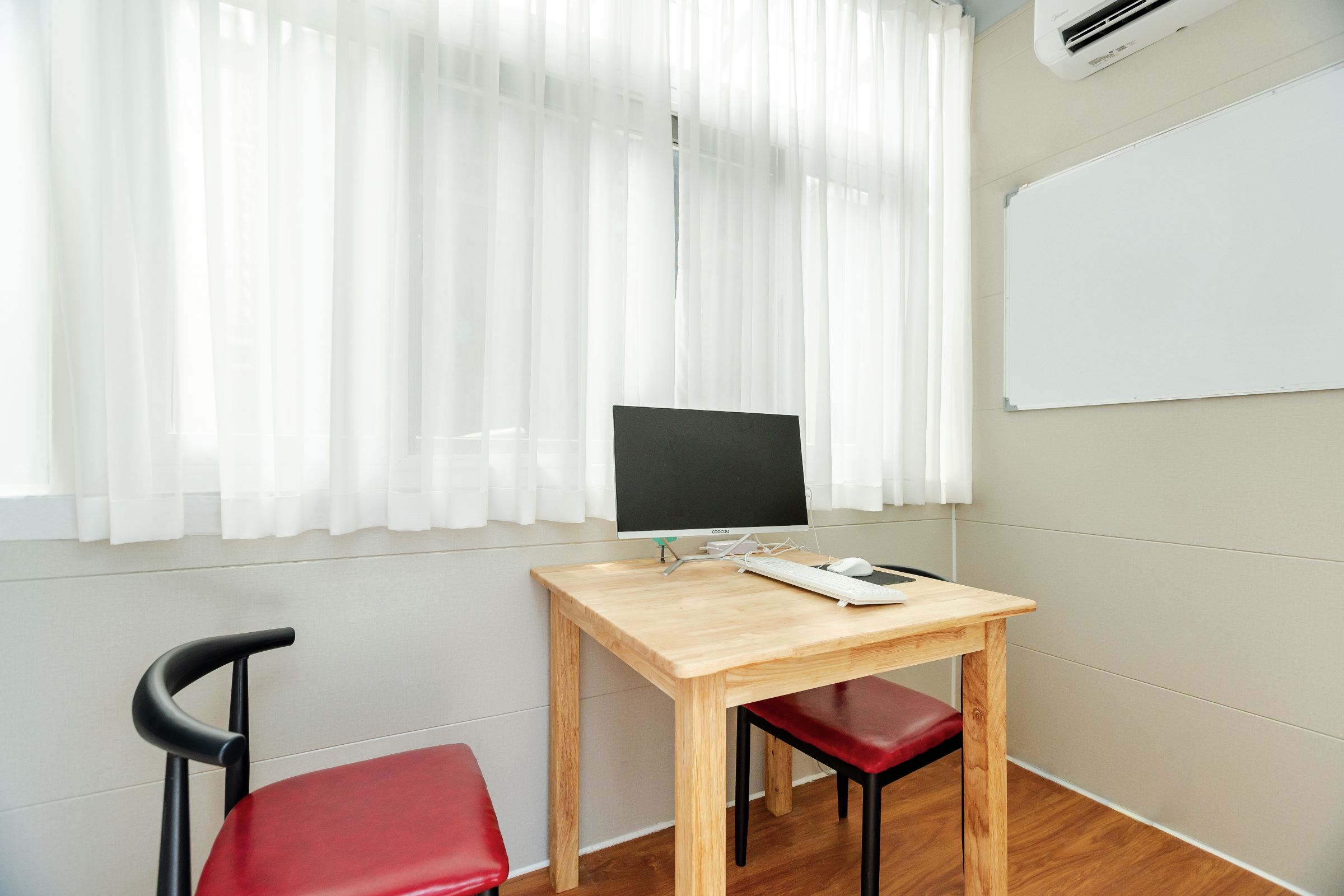
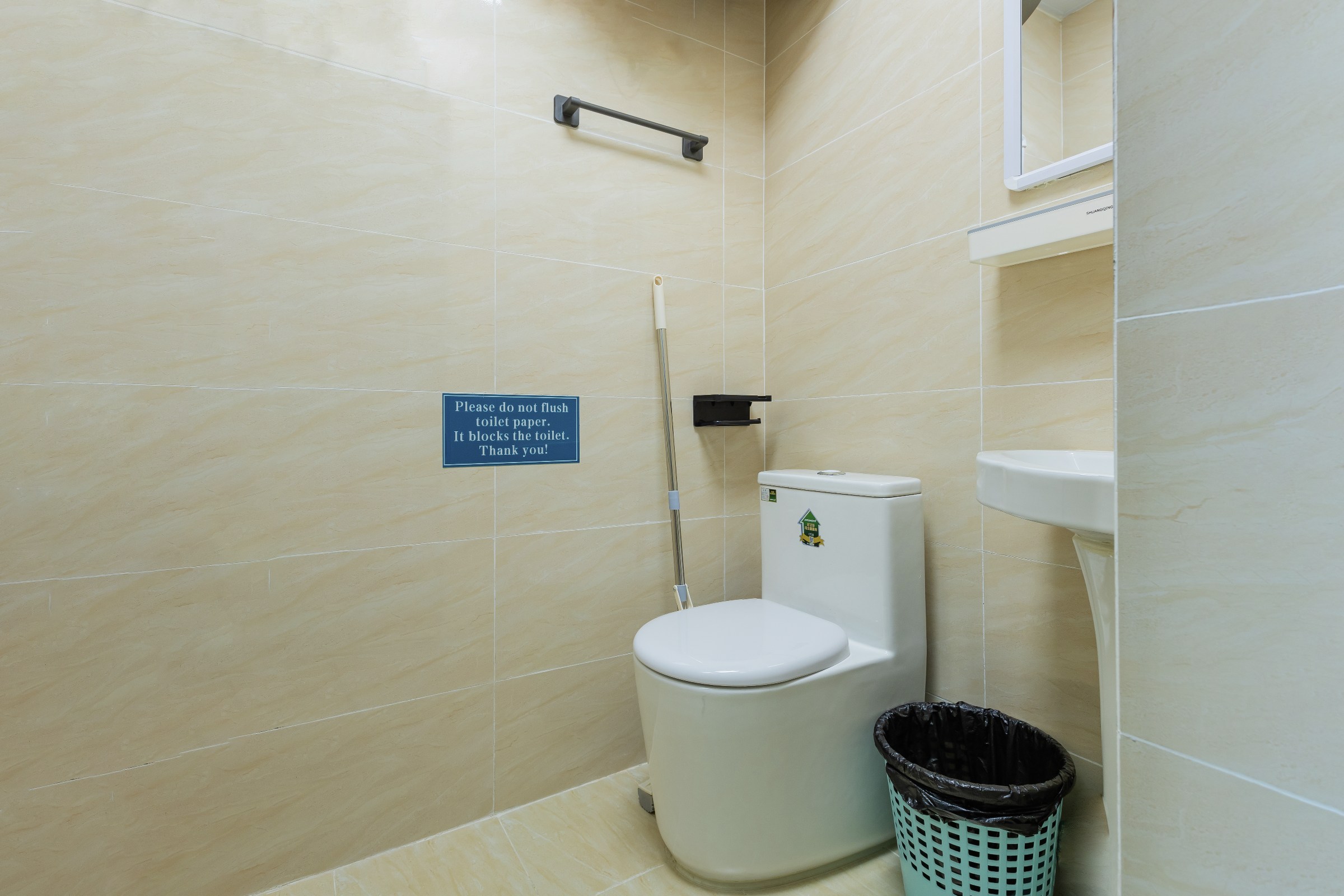
SINGLE ROOM WITH PRIVATE BATHROOM
- Located in the SAME building as the school.
- Clean, safe, convenient, and comfortable.
- The room contains a bed, bedsheets, desk and chair, wardrobe, fridge, 24-hour hot water, safe, and wifi.
- Free room cleaning service is offered once a week.
Keats Chongqing Campus and Lots of Fun
Single Room with Private Bathroom


Why learn Chinese in Chongqing?
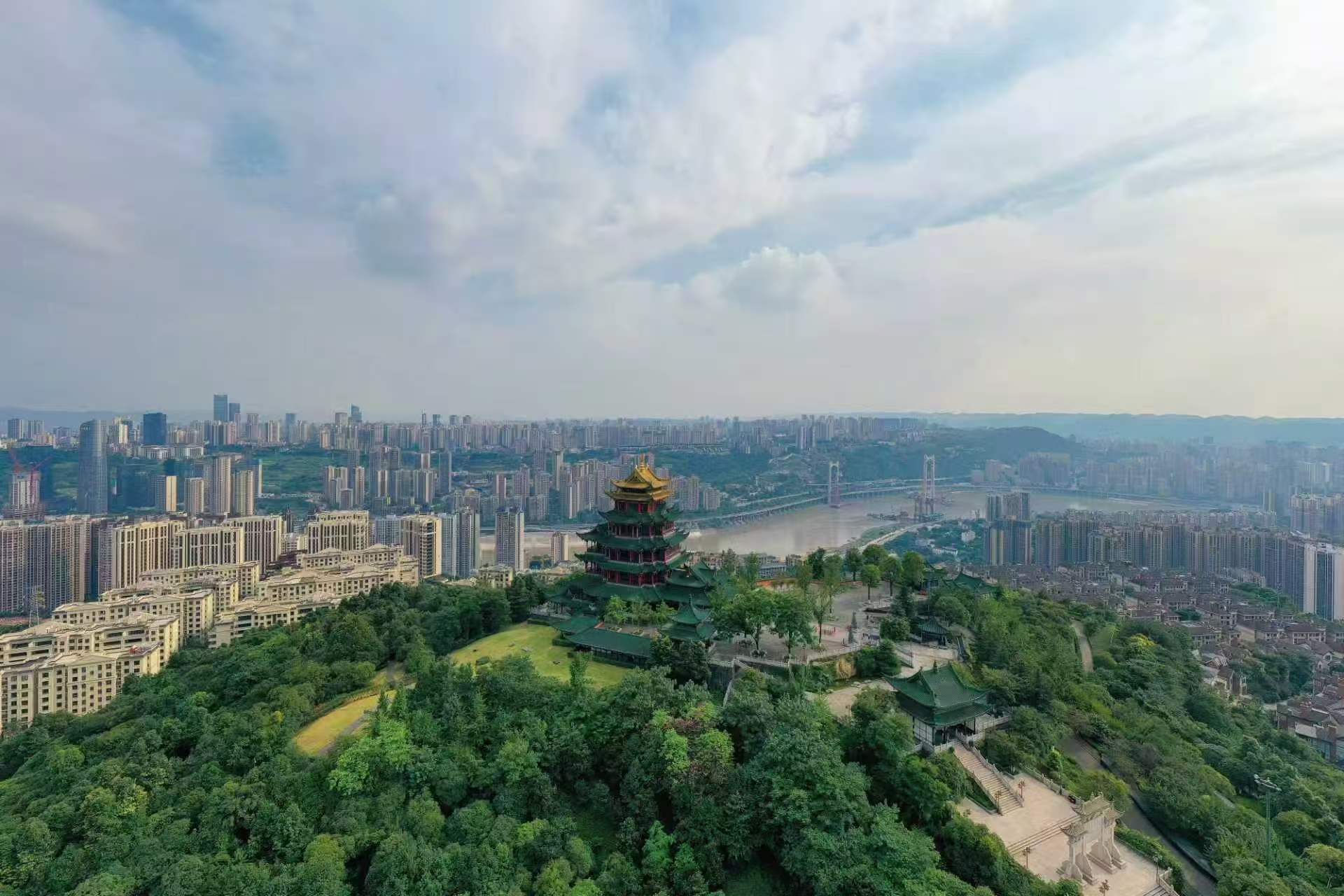
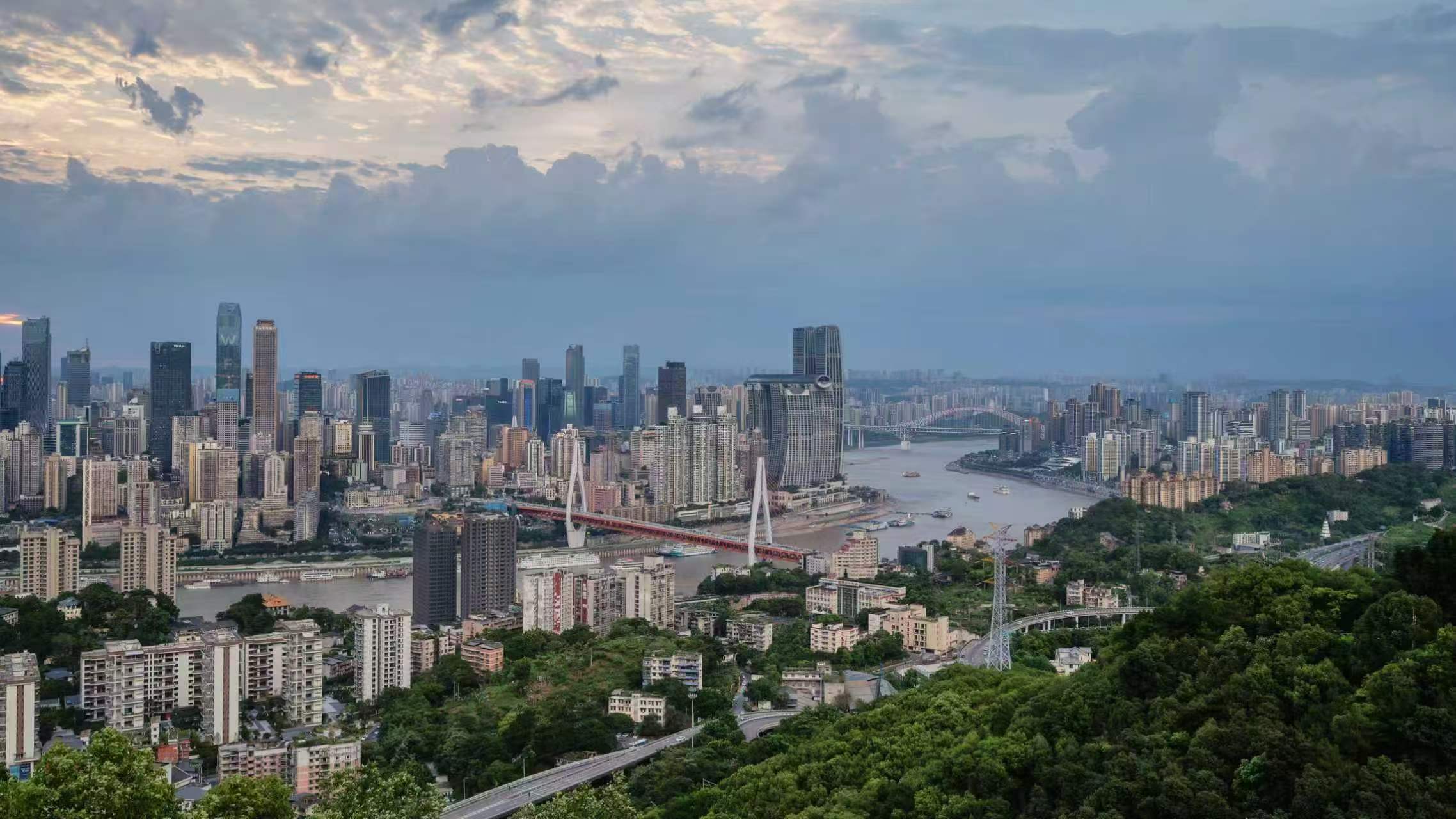
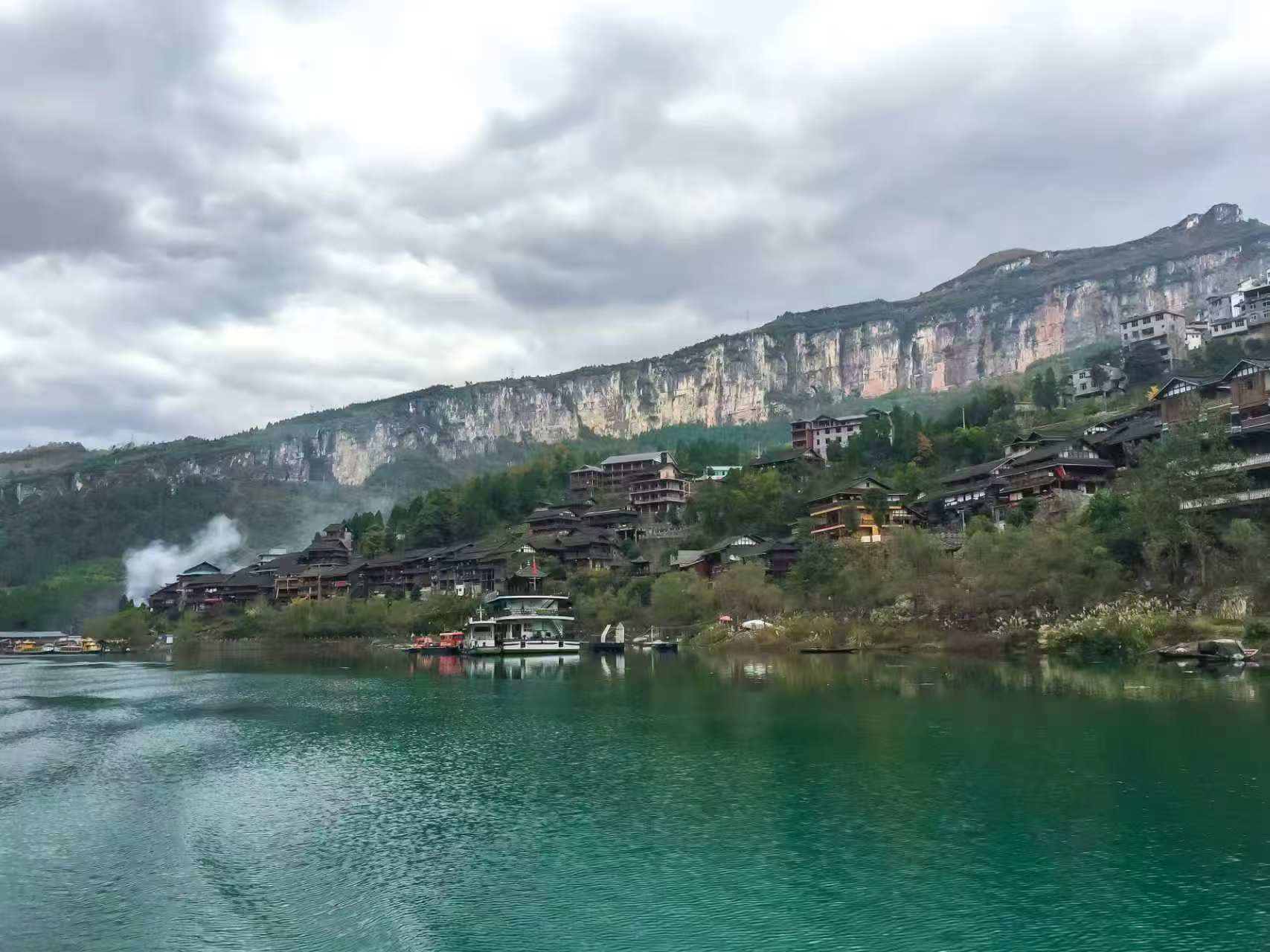
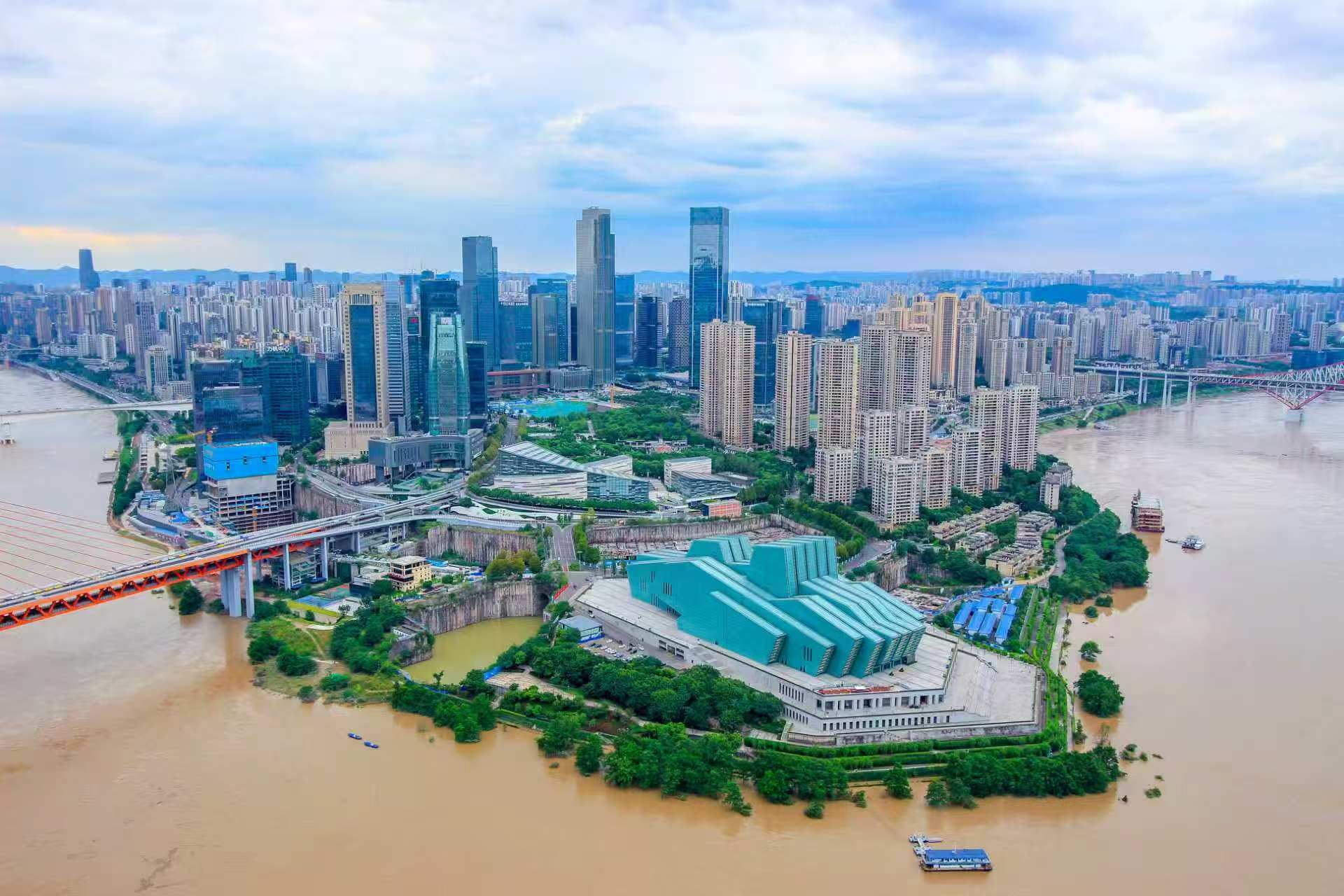
Learning Chinese in Chongqing means immersing yourself in a truly unique mountain city. Built on steep hills where two rivers meet, Chongqing’s dramatic landscape naturally pushes you to explore, interact, and practice daily. Winding streets, layered skylines, and vibrant local life keep you engaged beyond the classroom. Surrounded by bold culture, famous hotpot, and welcoming locals, you’ll learn real, living Chinese in an unforgettable setting. With intensive courses and full immersion, Chongqing turns language learning into an adventure — not just a classroom, but a mountain city that becomes your teacher.
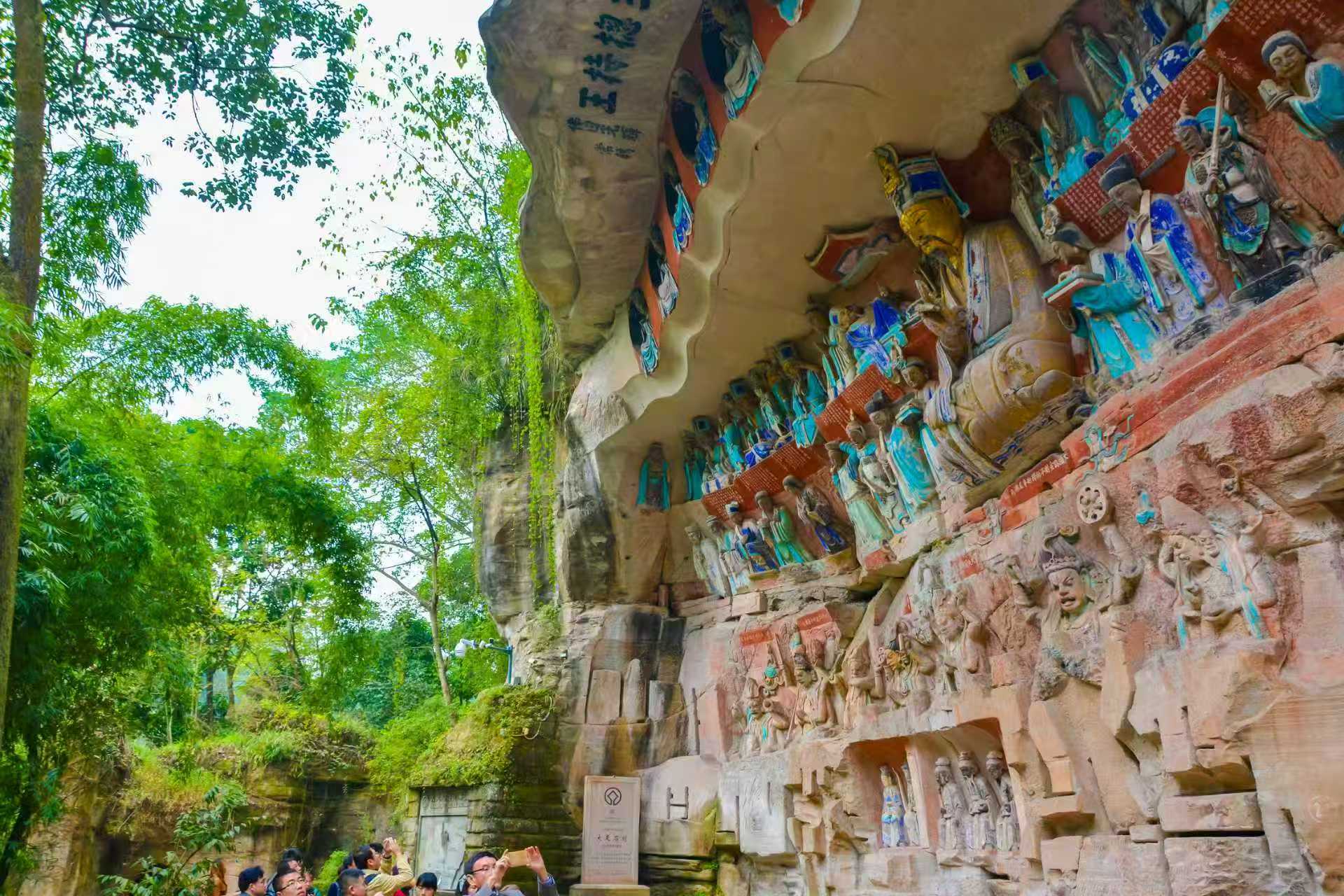
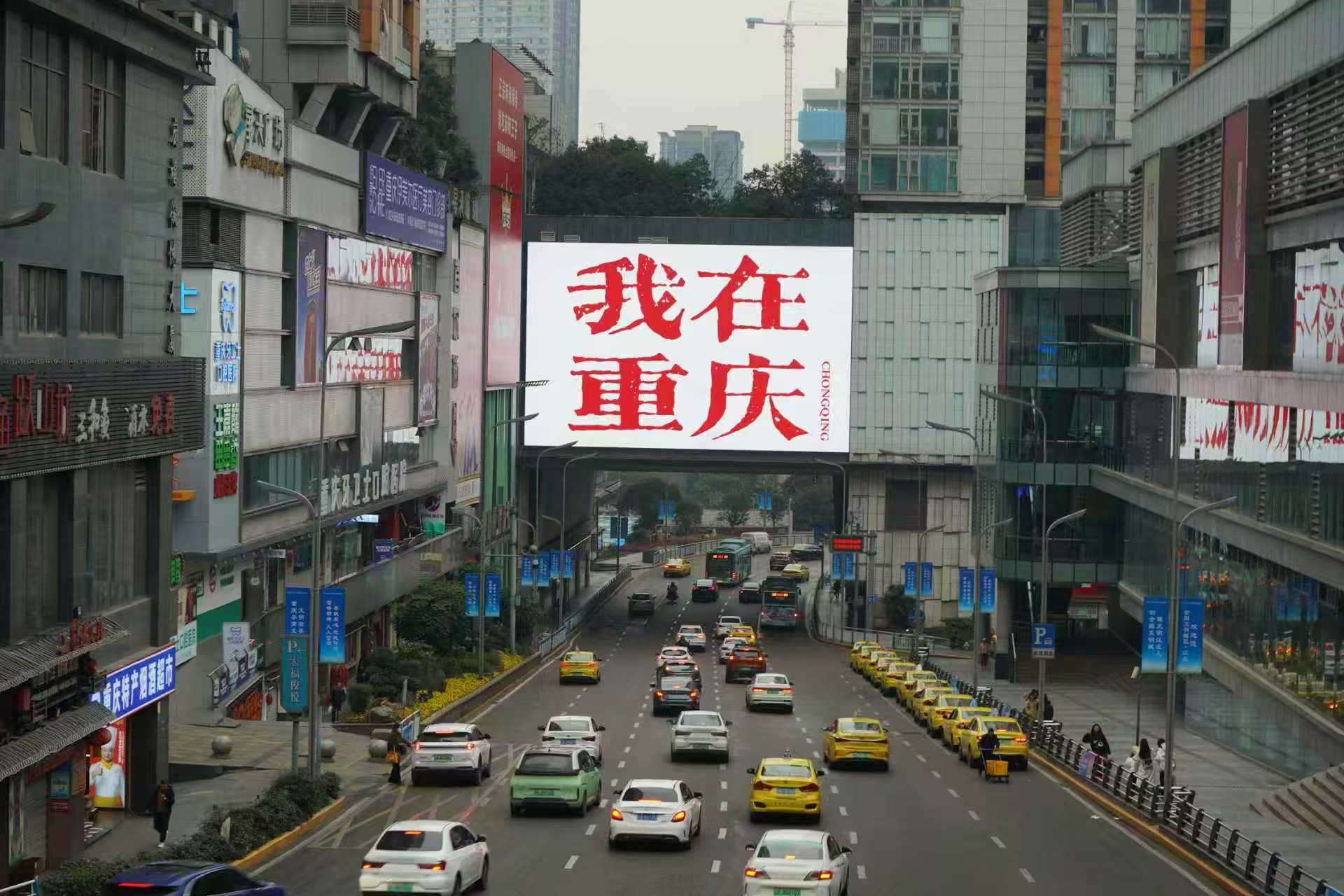
Beautiful Chongqing
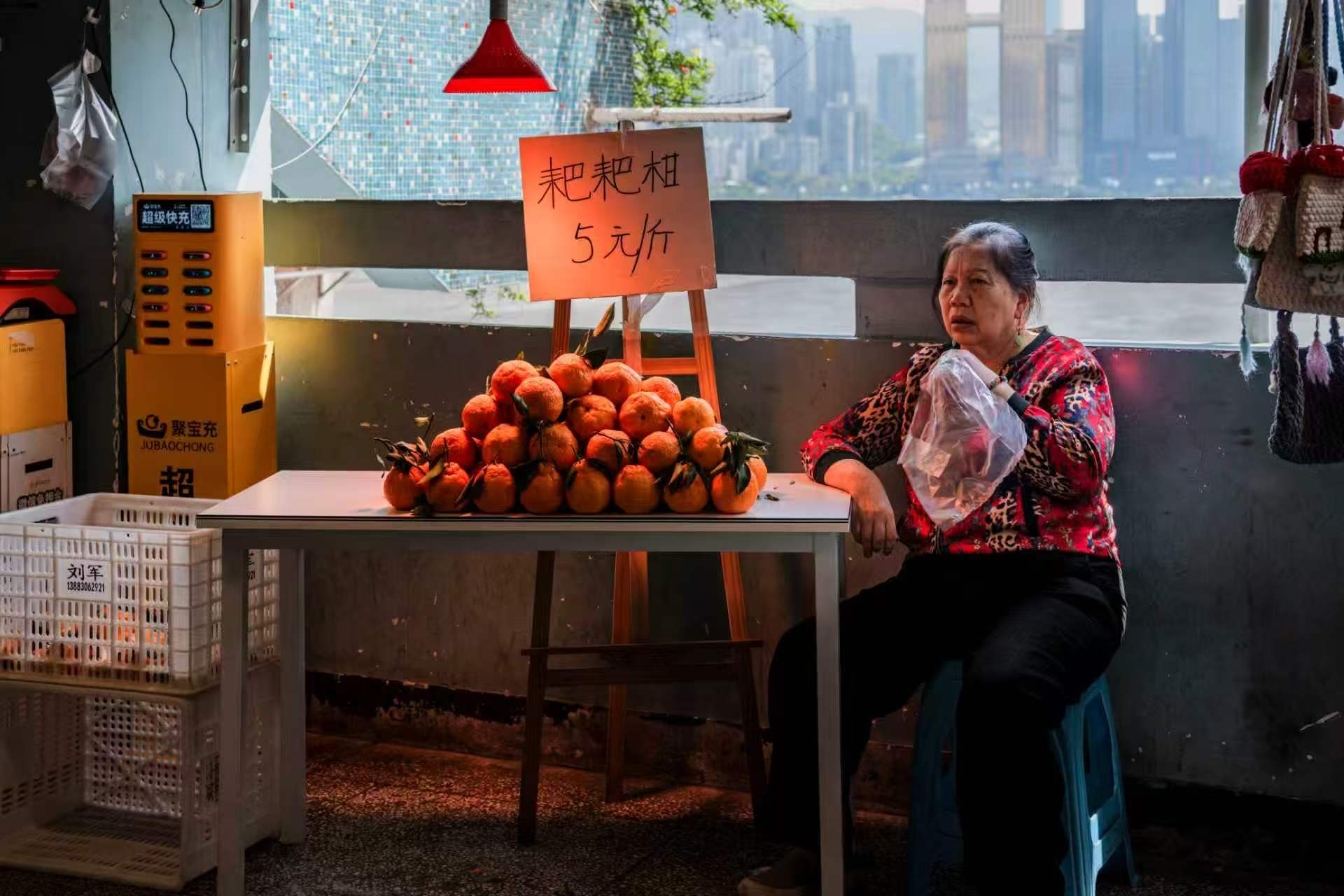
Study Chinese in Chongqing with Keats, where you'll learn surrounded by the city's famous spicy hotpot, dramatic mountain-and-river skyline, and vibrant street life—turning every corner into an unforgettable language lesson.















How to Get to Chongqing?
Getting to Chongqing is easy. Fly into Chongqing Jiangbei International Airport (CKG), which connects to major cities across Asia, Europe, and beyond. From the airport, Metro Line 10 takes you straight downtown. If you’re already in China, high-speed trains are a great option — Chengdu is just 1–1.5 hours away, Xi’an about 5 hours, and Kunming around 4.5 hours. Chongqing North Station offers direct metro access to the city center. Keats in Chongqing is two stops away from the North Station by metro.
Practical Manual for New Students in Chongqing

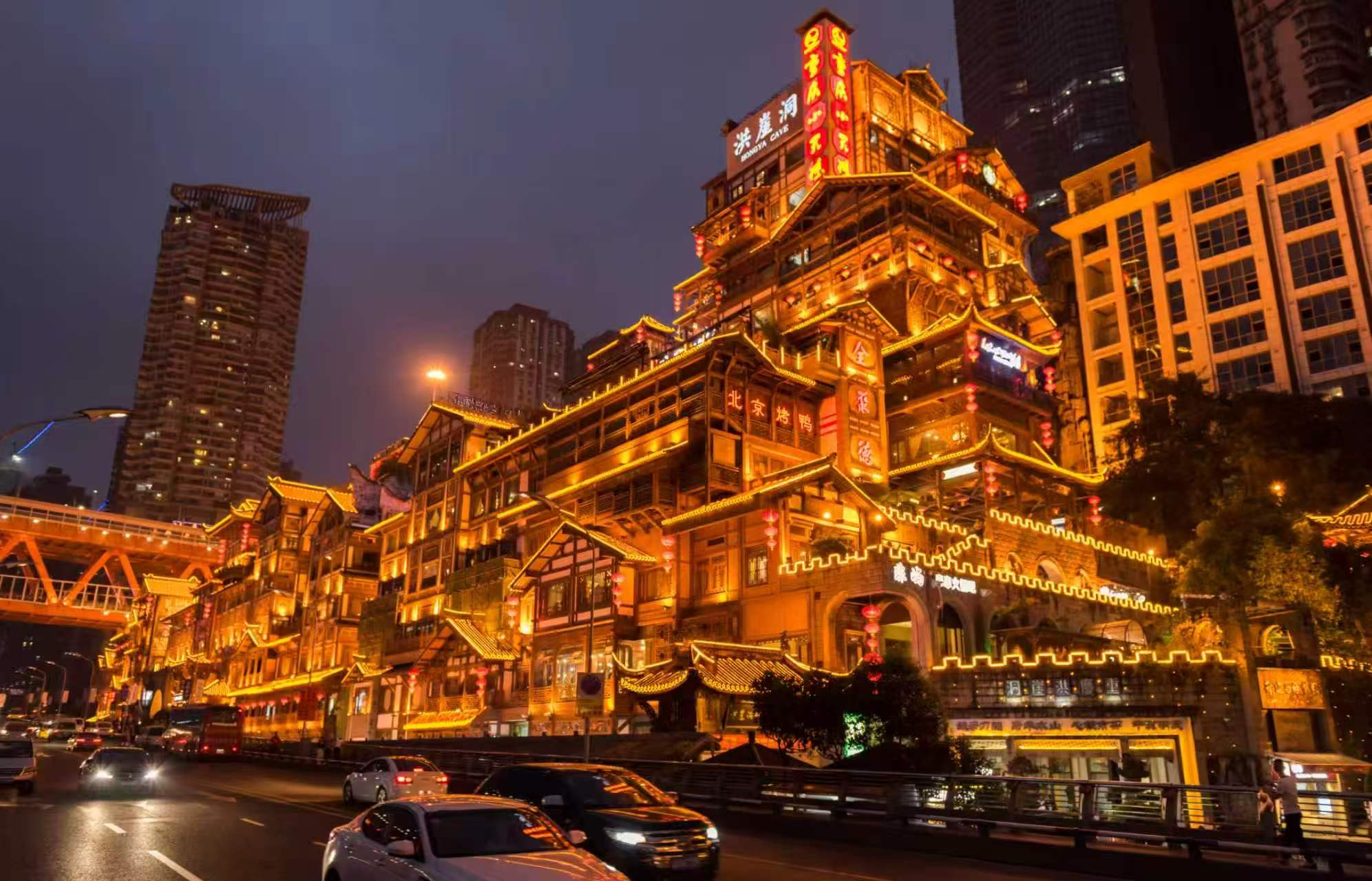
Place to Visit in Chongqing – Hongya Cave
Hongya Cave is Chongqing’s most iconic landmark, a stunning multi-level stilt building complex built into the riverside cliff. By day, it offers charming views of traditional architecture and the Jialing River. At night, the entire structure glows with golden lights, creating a magical scene often compared to Spirited Away. Inside, you’ll find restaurants, shops, and teahouses across eleven floors. The best view is from Qiansimen Bridge across the river, where you can capture the full illuminated facade reflected in the water. It’s crowded but absolutely worth experiencing.

Place to Visit in Chongqing – Yangtze River Cableway
The Yangtze River Cableway is a former commuter route that has become one of Chongqing’s most beloved experiences. This cable car glides across the Yangtze River, offering breathtaking panoramic views of the mountain city’s layered skyline, river traffic, and dramatic topography. The ride takes about five minutes, but the memories last far longer. For the best experience, ride during sunset when the city transitions from day to night. Purchase tickets in advance, as lines can be long. It’s a perfect way to understand why Chongqing is called a vertical city.

Place to Visit in Chongqing – Liziba Metro Station
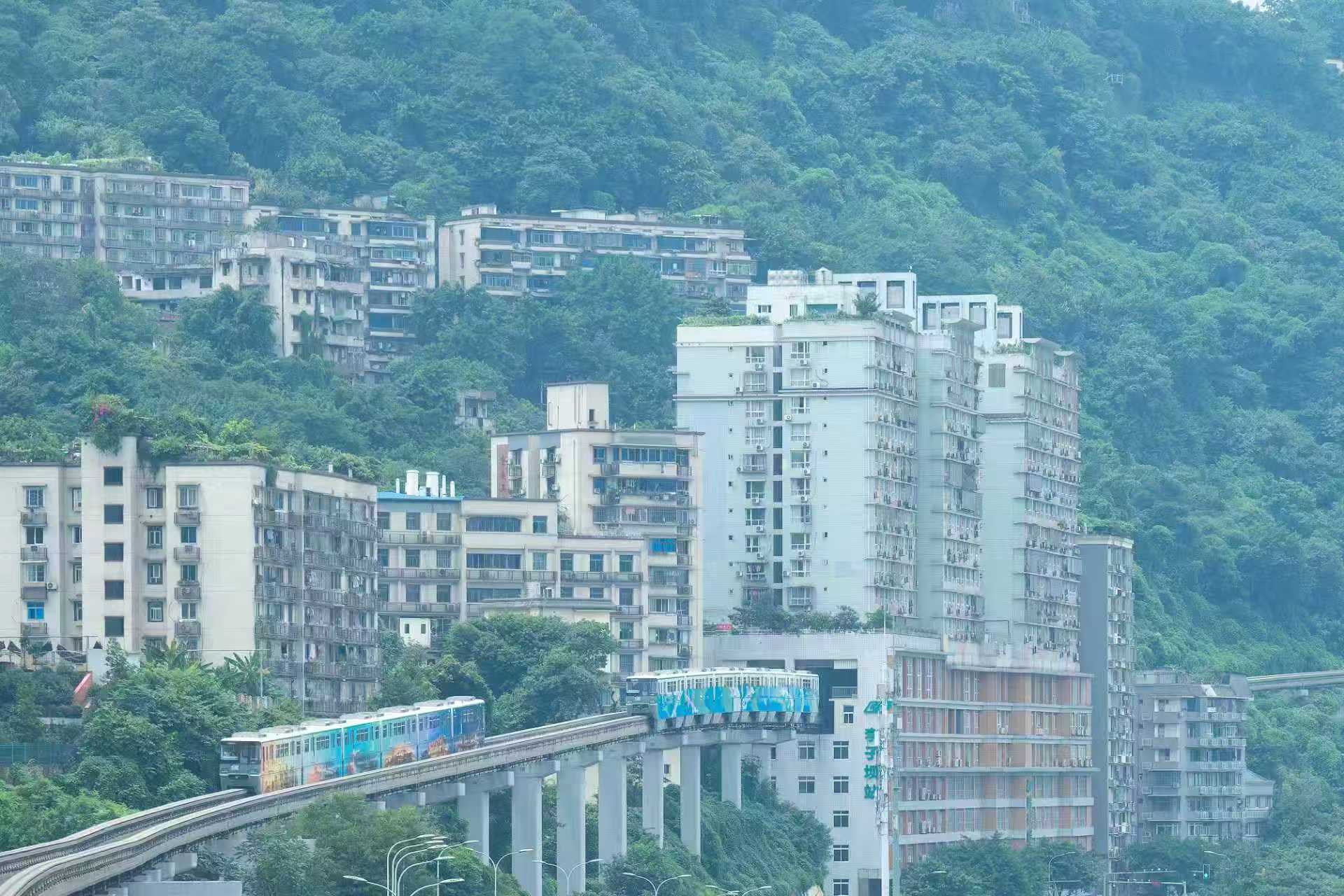
Liziba Metro Station is a surreal spectacle that could only exist in Chongqing. Here, Metro Line 2 passes directly through a nine-story residential building, with trains entering and exiting through the structure. The dedicated viewing platform below offers the perfect angle to capture this “8D city” phenomenon. Locals go about their daily lives above and below the tracks, making it a fascinating blend of everyday life and urban spectacle. It’s a quick stop but one of the most photographed spots in Chongqing.

Place to Visit in Chongqing – Ciqikou Ancient Town
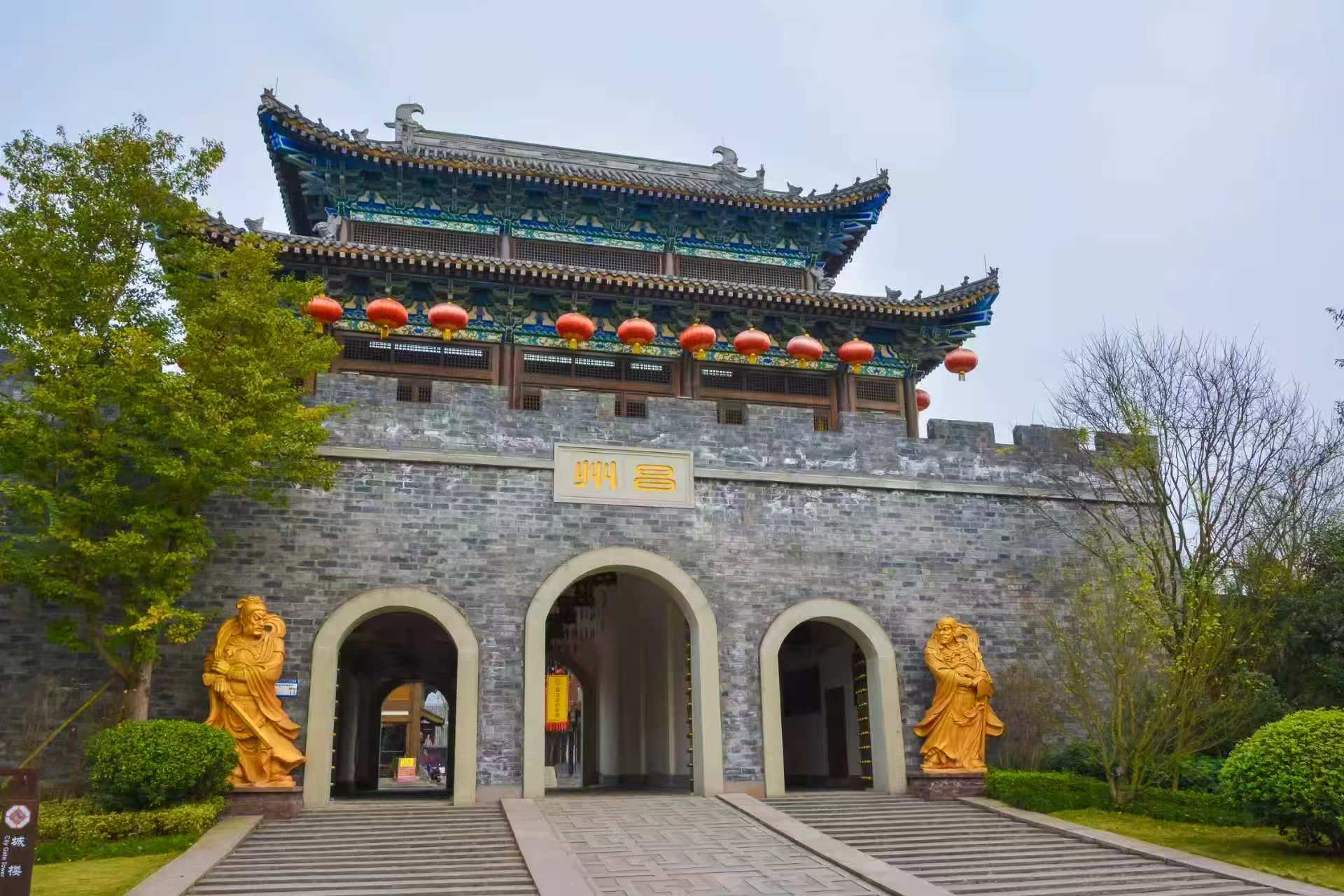
Ciqikou Ancient Town is a well-preserved Ming and Qing dynasty town on the banks of the Jialing River. Its stone-paved streets wind past traditional teahouses, craft shops, and endless stalls selling local snacks like mahua (fried dough twists) and spicy tofu. While the main street is bustling, quieter alleys reveal the authentic charm of old Chongqing. Visit in the morning to avoid crowds, and take time to sit in a teahouse for a traditional tea experience. It’s a glimpse into the city’s rich past.

Place to Visit in Chongqing – Jiefangbei
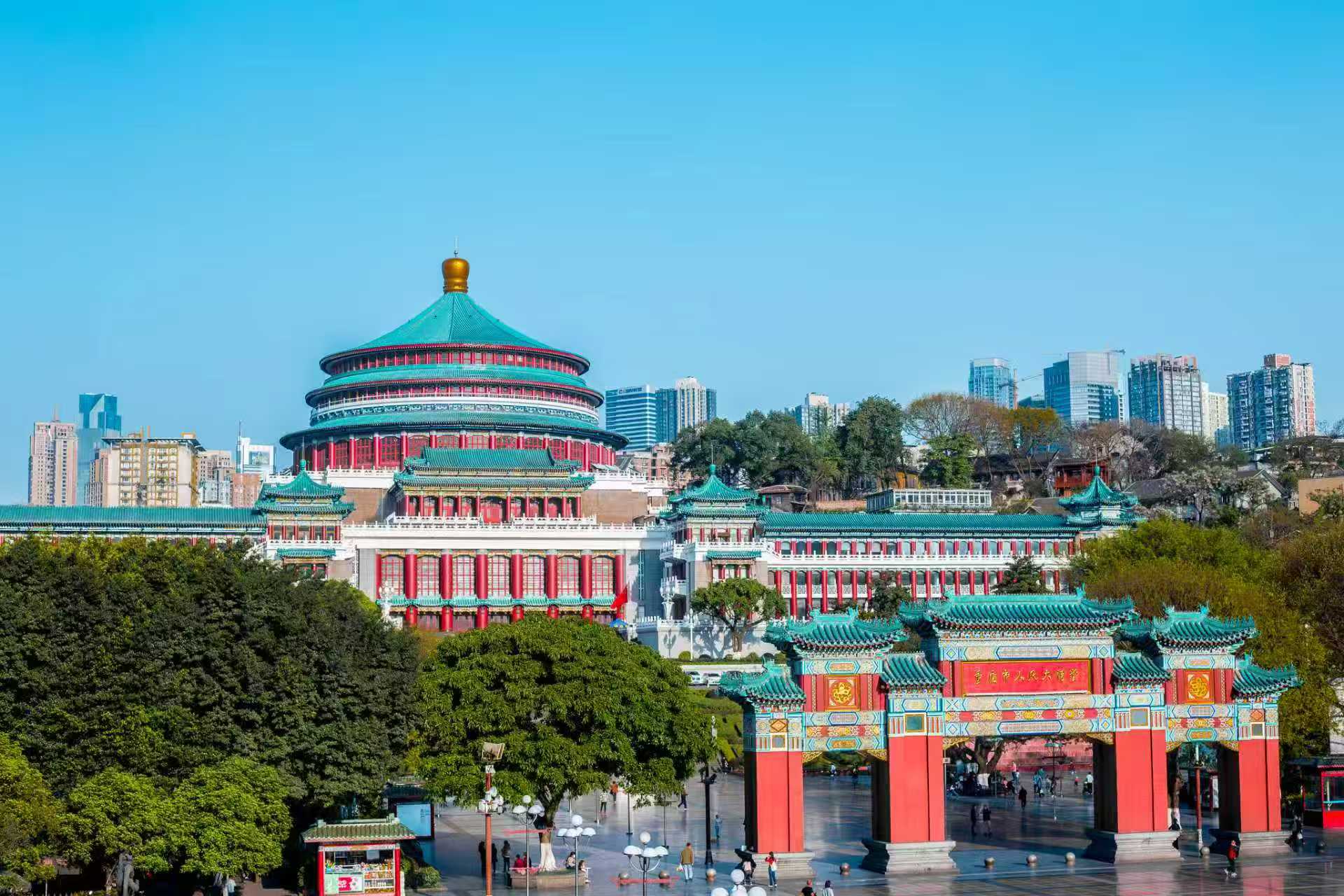
Jiefangbei is the commercial and cultural heart of Chongqing, centered around the People’s Liberation Monument. This pedestrian area is surrounded by modern shopping malls, luxury brands, and vibrant street life. It’s the perfect starting point for exploring the city center, with easy access to nearby food streets like Bayi Road. At night, the area comes alive with neon lights and endless dining options. Whether you’re shopping, people-watching, or grabbing a quick bite, Jiefangbei captures the energy of modern Chongqing.

Place to Visit in Chongqing – Shancheng Lane
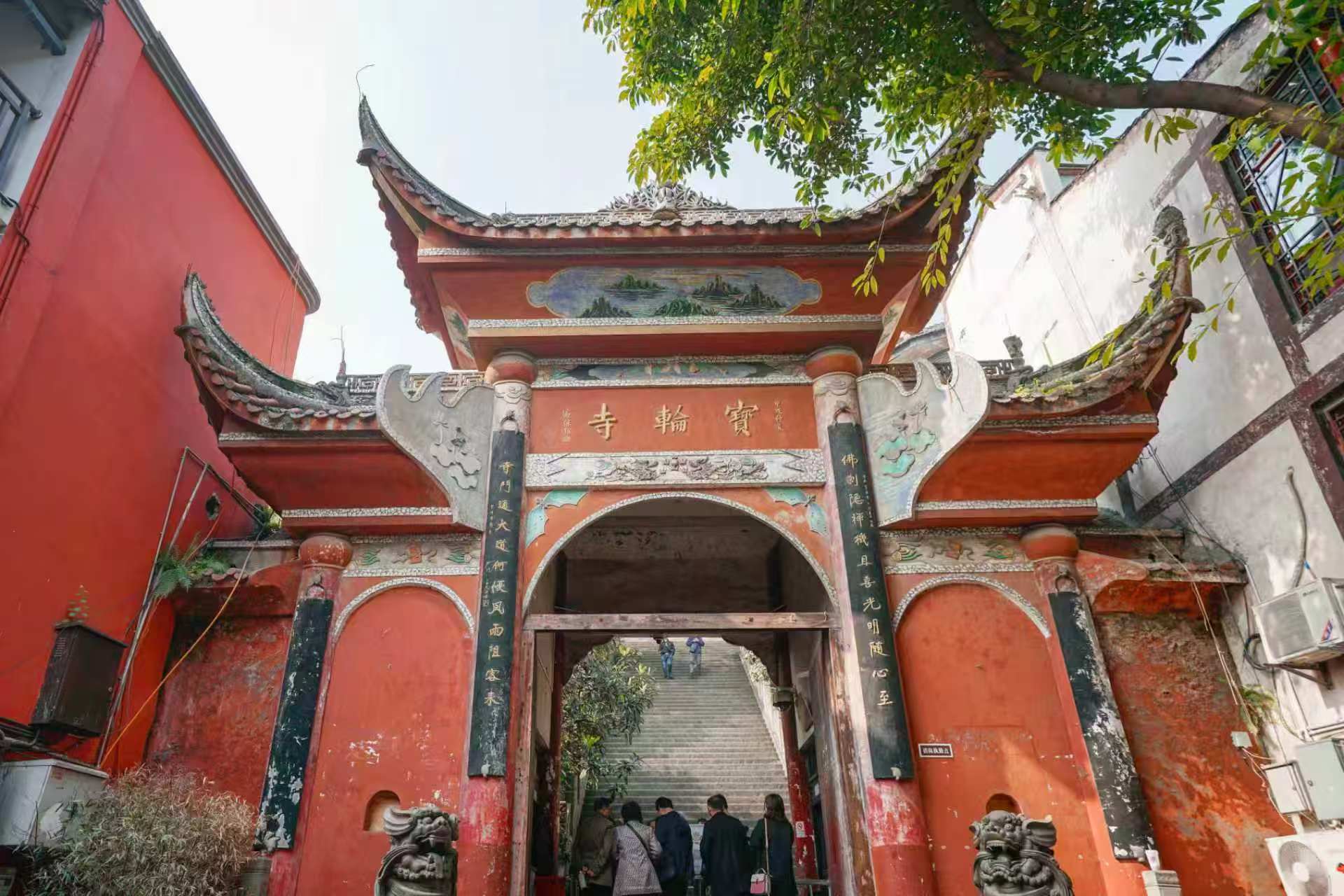
Shancheng Lane is a clifftop old street that showcases the most authentic side of Chongqing. Built along the mountain ridge, its stone steps wind past old houses, small shops, and cozy cafes with riverside views. It’s less commercialized than other attractions, retaining genuine local character and a slower pace. Ideal for a leisurely walk, especially in the late afternoon when the light softens and the city below begins to glow. This is where you feel the true spirit of the mountain city.

Place to Visit in Chongqing – Wulong Karst
Wulong Karst is a UNESCO World Heritage site and one of China’s most spectacular natural wonders. Its massive natural stone bridges, deep gorges, and lush forests create a landscape that feels otherworldly. Famous as a filming location for “Transformers: Age of Extinction” and “Curse of the Golden Flower,” the area offers well-maintained walking trails and breathtaking viewpoints. It’s about a two-hour drive from Chongqing’s city center, making it an ideal day trip. The scale and beauty of the karst formations are truly unforgettable.

Place to Visit in Chongqing - Wulong Fairy Mountain
Wulong Fairy Mountain is a stunning alpine meadow often called the “Swiss Alps of the East.” Rolling grasslands, pine forests, and cool fresh air provide a perfect escape from Chongqing’s summer heat. You can enjoy horseback riding, hiking, camping, and even skiing in winter. The scenery changes beautifully with the seasons, from vibrant green summers to snow-dusted winters. It’s an ideal destination for nature lovers and anyone seeking a peaceful retreat from the bustling mountain city.

Cuisine in Chongqing – Chongqing Hotpot 重庆火锅
Chongqing Hotpot is the city’s most famous culinary export and a defining part of local culture. Unlike other hotpots, it uses a rich, spicy beef tallow base loaded with Sichuan peppercorns and dried chilies, creating a numbing, fiery flavor that true locals crave. Diners cook fresh ingredients — thinly sliced beef, tripe, tofu skin, and vegetables — directly in the bubbling broth at the table. The experience is communal, lively, and often enjoyed late into the night. For an authentic taste, order the “nine-grid” pot and dip your food in a sesame oil and garlic sauce.

Cuisine in Chongqing – Chongqing Small Noodles 重庆小面
Chongqing Small Noodles is the city’s beloved breakfast staple and everyday comfort food. Simple yet deeply satisfying, this dish features chewy wheat noodles topped with a flavorful mix of chili oil, Sichuan peppercorns, garlic, soy sauce, and pickled vegetables. Variations include beef, pork ribs, or peas, but the spicy, numbing seasoning is always the star. Locals slurp them at tiny street stalls early in the morning, often ordering them “extra spicy” without hesitation. Affordable, quick, and intensely flavorful, Chongqing Small Noodles capture the bold, down-to-earth spirit of the city in a single bowl.

Cuisine in Chongqing – Shuizhu Yu 水煮鱼
Shuizhu Yu, or “water-boiled fish,” is a signature Chongqing dish that delivers serious heat. Despite its name, the fish is not boiled in plain water — it’s poached in a fragrant, spicy broth and then topped with a sizzling layer of hot oil, dried chilies, and Sichuan peppercorns. The result is tender, flavorful fish with a numbing, aromatic kick. Common varieties include grass carp or catfish, layered over bean sprouts and vegetables. It’s a dish that looks intimidating but is incredibly addictive, and it perfectly represents Chongqing’s bold, unapologetic approach to flavor.
FAQ
How to Get to Chongqing?
✈️ By Plane
Chongqing Jiangbei International Airport (CKG) is the main airport, located about 21 km northeast of the city center.
- International Flights: There are direct routes from various international destinations, including parts of Asia, Europe, North America, and Oceania.
- Domestic Flights: It connects to most major Chinese cities like Beijing, Shanghai, Guangzhou, and Xi’an.
- Airport to City: The most convenient way to get downtown is the Metro. Line 10 connects directly to the city center, and Line 3 also serves the airport . A taxi to downtown (like Jiefangbei) costs around ¥50-80.
🚄 By High-Speed Train
If you are already in China, the high-speed rail network is an excellent option. Chongqing has several major stations, but Chongqing North Station and Chongqing West Station are the most important for travelers.
- From Chengdu: Only about 1 to 1.5 hours.
- From Xi’an: Roughly 5 hours.
- From Kunming: About 4.5 to 5 hours.
- From Shanghai: Takes about 10-12 hours.
Station to City:
- Chongqing North Station is often recommended for tourists as it has direct metro access (Lines 3, 4, 10, and Loop Line) and is closer to core scenic spots like Jiefangbei and Hongyadong.
- Chongqing West Station is connected to Metro Lines 5 and Loop Line.
🚌 By Long-Distance Bus
This option is generally best for short trips from neighboring provinces like Sichuan or Guizhou, though high-speed trains are usually faster and more comfortable. Buses arrive at stations like Chongqing North Railway Station South Plaza Bus Station or Chenjiaping Bus Station.
To help you plan your arrival, it’s useful to know that the Metro is generally the best way to get around the city itself, especially since it connects directly to both the airport and train stations.
What's the year around temperature in Chongqing?
Chongqing has a humid subtropical climate with four distinct seasons and an annual average temperature of around 17–19°C. The weather is generally manageable year-round, making it a practical place to settle in for Chinese language study.
Mild Winters, Comfortable for Focused Learning
Winters (December–February) are mild, with average temperatures around 4–8°C and little to no snow. This means you can comfortably attend classes, explore the city, and practice Chinese with locals without extreme cold interrupting your routine.
Warm Summers with Indoor Study Options
Summers (June–August) are hot and humid, with highs often above 35°C. However, this is not a barrier for students — Keats in Chongqing is air-conditioned. The heat also encourages a slower pace, which can actually support intensive indoor study and language practice.
Pleasant Spring and Autumn
Spring (March–May) and autumn (September–November) are the most comfortable seasons, with moderate temperatures and pleasant conditions. These months are ideal for practicing Chinese outside the classroom — chatting with locals in parks, joining language exchange meetups, or simply navigating the city.
Rain and Fog: Part of the Experience
Chongqing receives moderate rainfall, mostly in summer, and is known for its foggy days, especially in autumn and winter. While this may seem gloomy, it doesn’t disrupt daily life or study schedules. Many students find the misty atmosphere adds to the city’s unique character and makes indoor study time feel cozy and focused.
Year-Round Suitability for Language Learners
With no extreme cold and manageable heat, Chongqing offers a climate that supports a consistent study routine throughout the year. The weather rarely forces long disruptions, and the city’s infrastructure — air conditioning, heating, and covered walkways — is well adapted to its climate. For students of Chinese, this means more time learning and less time worrying about the elements.
What does the tuition fee include?
The tuition fee includes:
- 4/6 hours of one-on-one Chinese lessons per day Monday to Friday
- Accommodation (A clean and safe single room with private bathroom)
- Program Certificate
We also offer a list of free services for studying in Chongqing:
- 3 meals a day Monday to Friday (Chinese food)
- Airport pick-up and drop-off
- Internet access use without limit
- Tuesday market night & Wednesday Chinese cultural seminars/DIY classes
- Saturday excursions
- Laundry
- A tour of the surroundings (bank, supermarket, post office etc.)
- Medicine for minor illnesses
- Advisors available to offer help
- 24/7 support
- Access to The Chairman’s Bao online learning platform
- Visa application assistance
- Room cleaning once a week
LEARN CHINESE IN CHINA WITH KEATS
Rients's Story at Keats
Kunming, My Second Hometown
OVER 10000+ STUDENTS
HAVE STUDIED AT KEATS
All my classmates stay together for one year and we improved so much! The teachers at Keats are all very great. They like to organize a lot of activities to help us learn Chinese. I like Keats! I like Kunming!
I found Keats School and I am so glad that I did. When you learn Chinese in China at Keats, you are fully being taken care of. My teacher is really great and we become lovely friends.
I have studied at Keats for 2 semesters. I highly recommend Keats School. If you are very interested in taking a Mandarin course in China, I would suggest you come to Kunming. Kunming people are very friendly. The weather in Kunming is great. So I recommend that you study Chinese at Keats in Kunming.
I have been to Keats School to learn Chinese for 4 times now. The reason for coming back to this school is pretty much that the teachers I did work with were very good Chinese teachers. I make it a 5-year plan or even a 10-year plan to come back to this school. All the teachers have methods of looking at what your skills are. They are aware of at what level you are. I think it is worth for everyone.
Kunming’s scenery is very beautiful. It is the best place to study Chinese in China. My favorite learning method at Keats School is one-on-one because it is suitable for everyone. My teacher is very good, very caring, and lovely. My life when learning Chinese in Kunming is very good and the weather is very good. The air is very good. It is good for the elderly’s body.
It is very comfortable studying at Keats. The teachers are very friendly. I welcome you to come to study Chinese in China at Keats.
I decided to learn Chinese in Kunming because I like smaller cities and I like the climate here. We had four hours a day study here and my dear teacher taught me very much and never lost her patience with me. It was a really wonderful experience to be here and I recommend Keats school and the teachers here to everyone who likes to learn Chinese in China.
Since last semester, we started studying Chinese at Keats. It was the best choice we can ever make. It is a really good school. The classes are a lot of fun, you learn a lot, but very interactive, so you talk a lot which means it is not just books and writing. Kunming is a really pleasant city to live in, especially if you compare it to other cities in the east. If you like to travel, if you like to study Chinese in a fun way, Keats has the best Chinese language program for you.