Chinese Language Courses in Chengdu
Intensive One-on-One Chinese Classes


Intensive One-on-One Chinese Classes
- Personal study plans
- Best teachers and private lessons
- Full immersion experience
- Full services (study + single room accommodation)
- Start on any Monday
Small Group Chinese Class


Small Group Chinese Class
- No more than 6 students in one class
- As low as USD 650/week
- Accommodation included
- 50% of students return
- Arrive on any Sunday and start the class on Monday
HSK Test Preparation Course

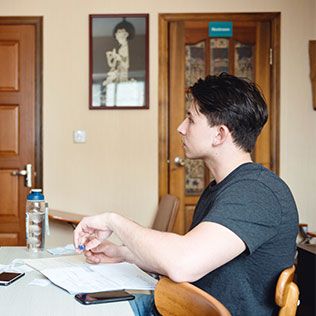
HSK Test Preparation Course
- Start anytime
- HSK experts with years of experience
- Get test scores improved significantly
- Intensive one-on-one Chinese class
- Full services (study + single room accommodation)
Summer Camp in China


Summer Camp in China
- Summer camp in China
- Interesting Chinese language classes
- Chinese cultural lessons + excursions
- Make friends from all over the world
Children Chinese Program

Children Chinese Program
- Summer/Family camp in China
- Interesting Chinese language classes
- Chinese cultural lessons + excursions
- Parents participate in all activities
- Beijing, Kunming, Chengdu, Chongqing
Chinese Language Course + Tour in China

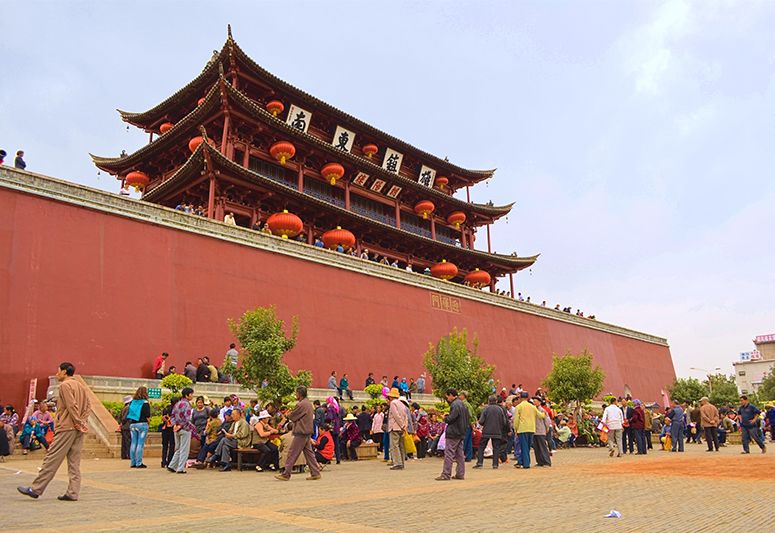
Chinese Language Course + Tour in China
- Private one-on-one Chinese lessons
- Full services (study + accommodation)
- Excursions and tours with your teacher
- Travel to Dali, Lijiang, Shangri-la, Beijing, Xi'an, Guilin, Shanghai, Zhangjiajie, etc.
Study Tour in China (for groups)

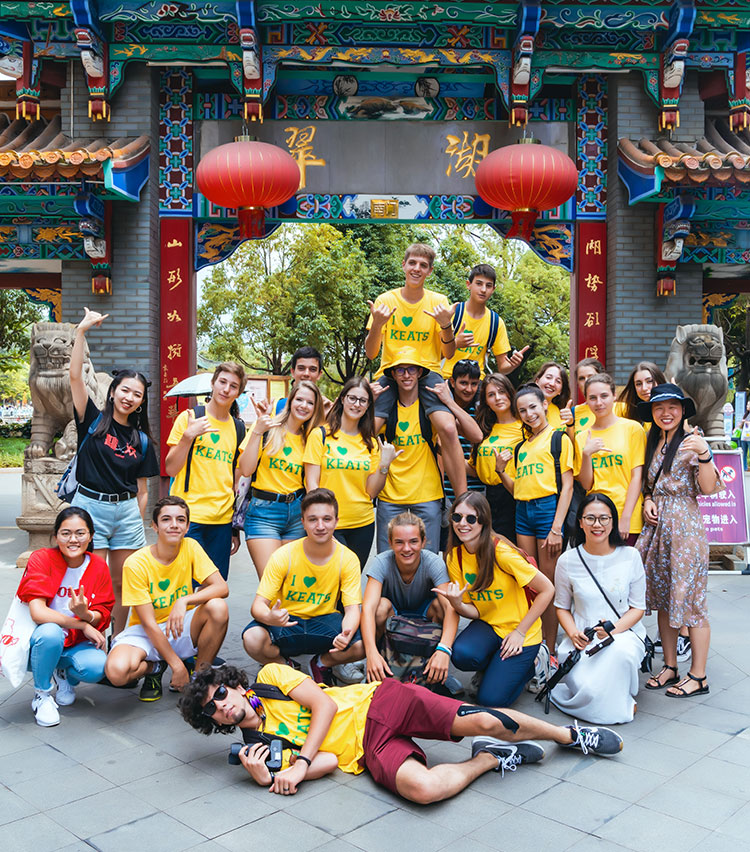
Study Tour in China (for groups)
- Designed for high schools, universities, companies, and organizations
- Chinese course with group activities
- Professional Chinese teachers
- A true Chinese immersion experience


Intensive One-on-one Chinese Course
You can choose to study Chinese in Chengdu for 4 hours per day (20 hours/week) or 6 hours per day (30 hours/week). If you want to learn Chinese in China, the intensive one-on-one Chinese course is the fastest way to improve your Chinese. We use unique teaching methods developed by Keats. Your Chinese teacher(s) will prepare your lessons according to your level of Chinese and your learning goals to ensure that you learn the most Chinese in the shortest possible time. Accommodation is included. You will study, live, and eat in one building.

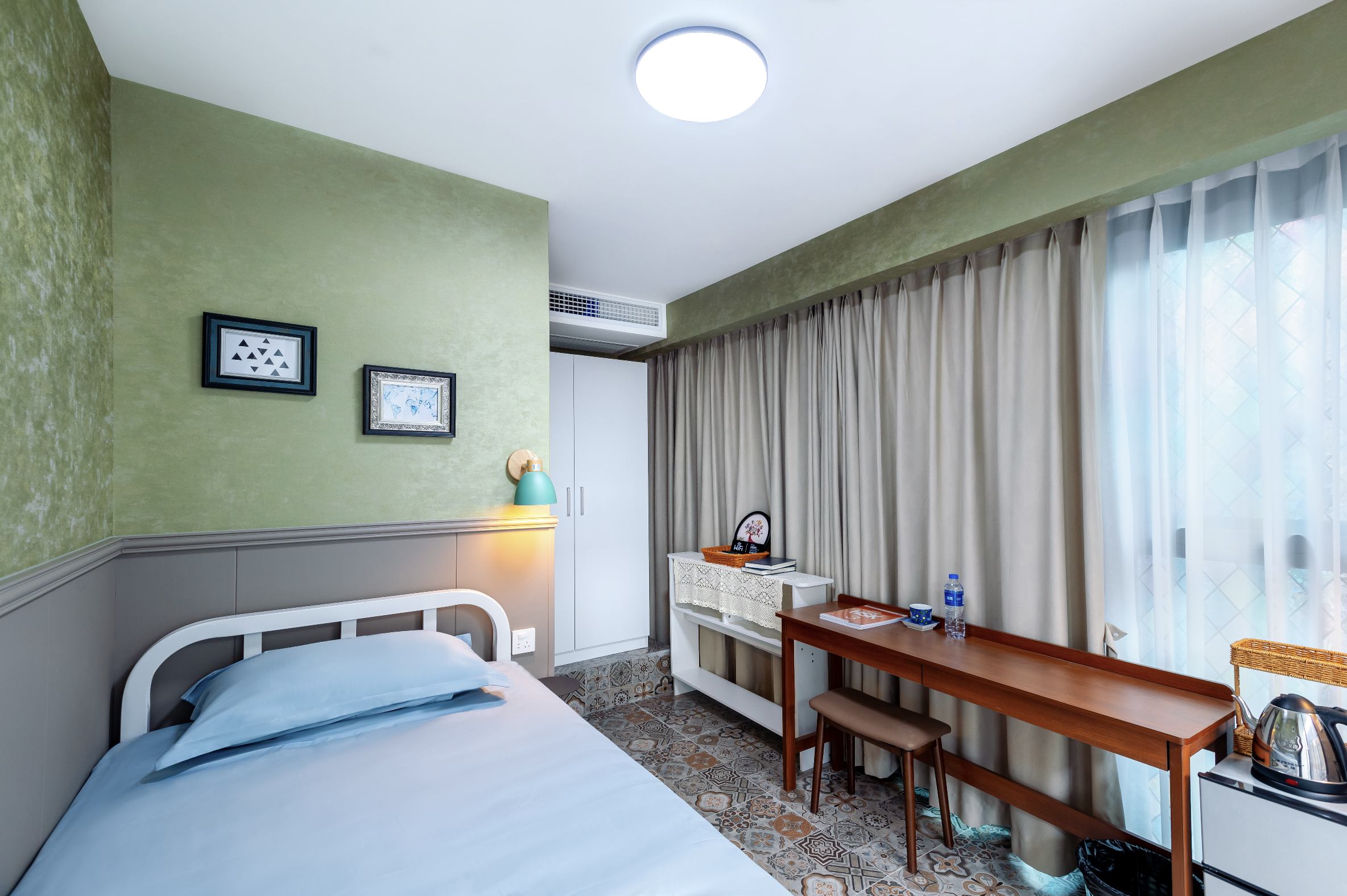
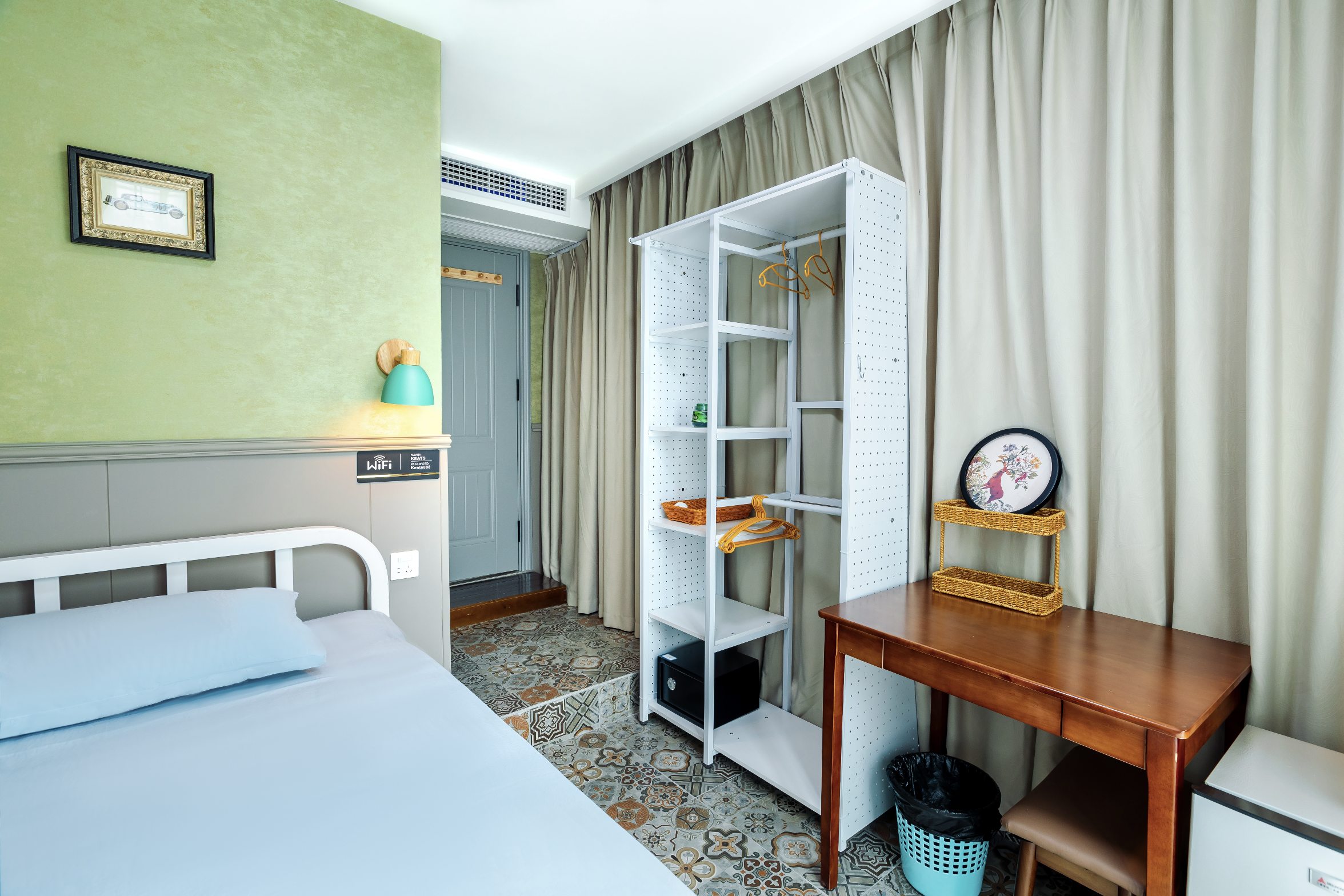
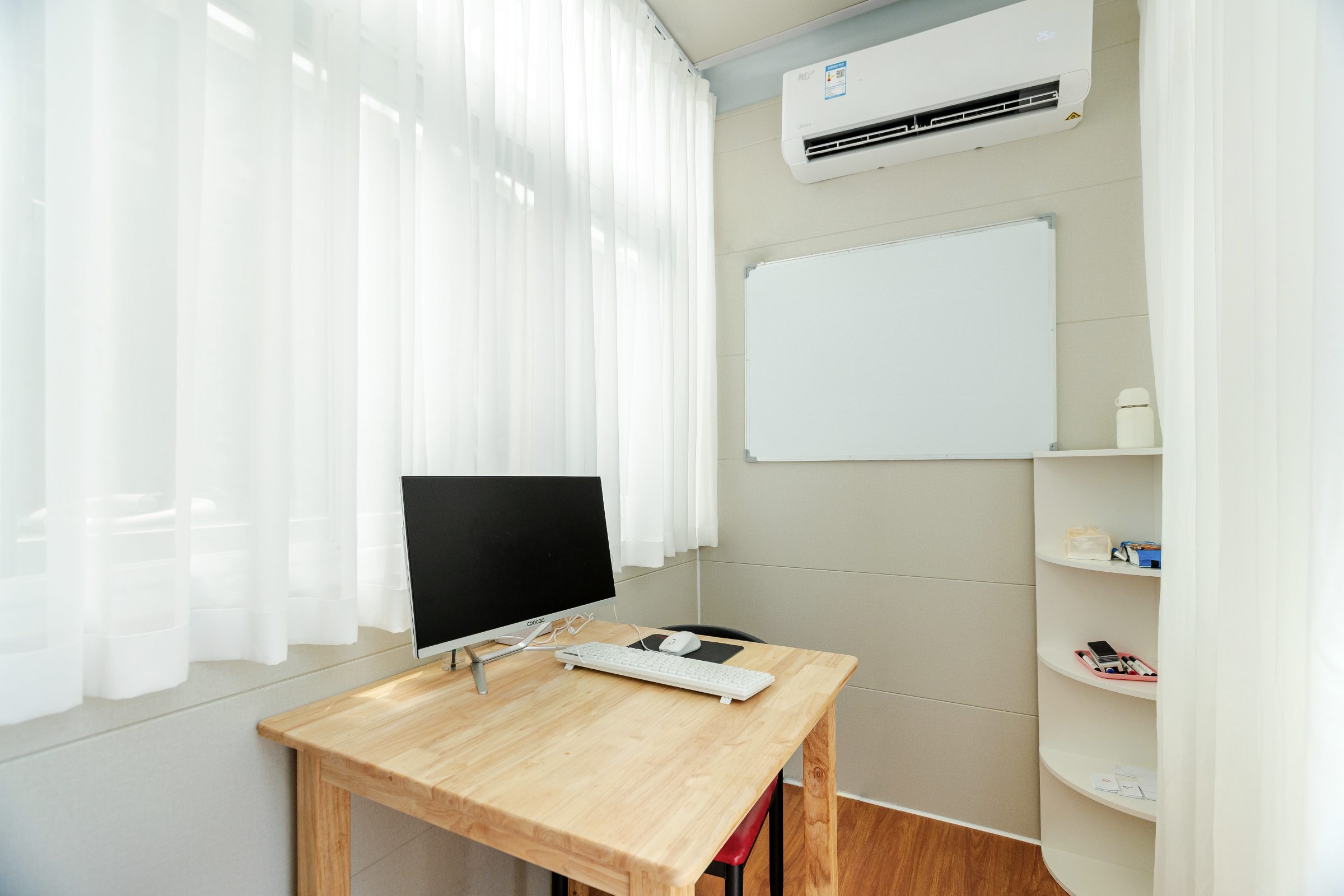
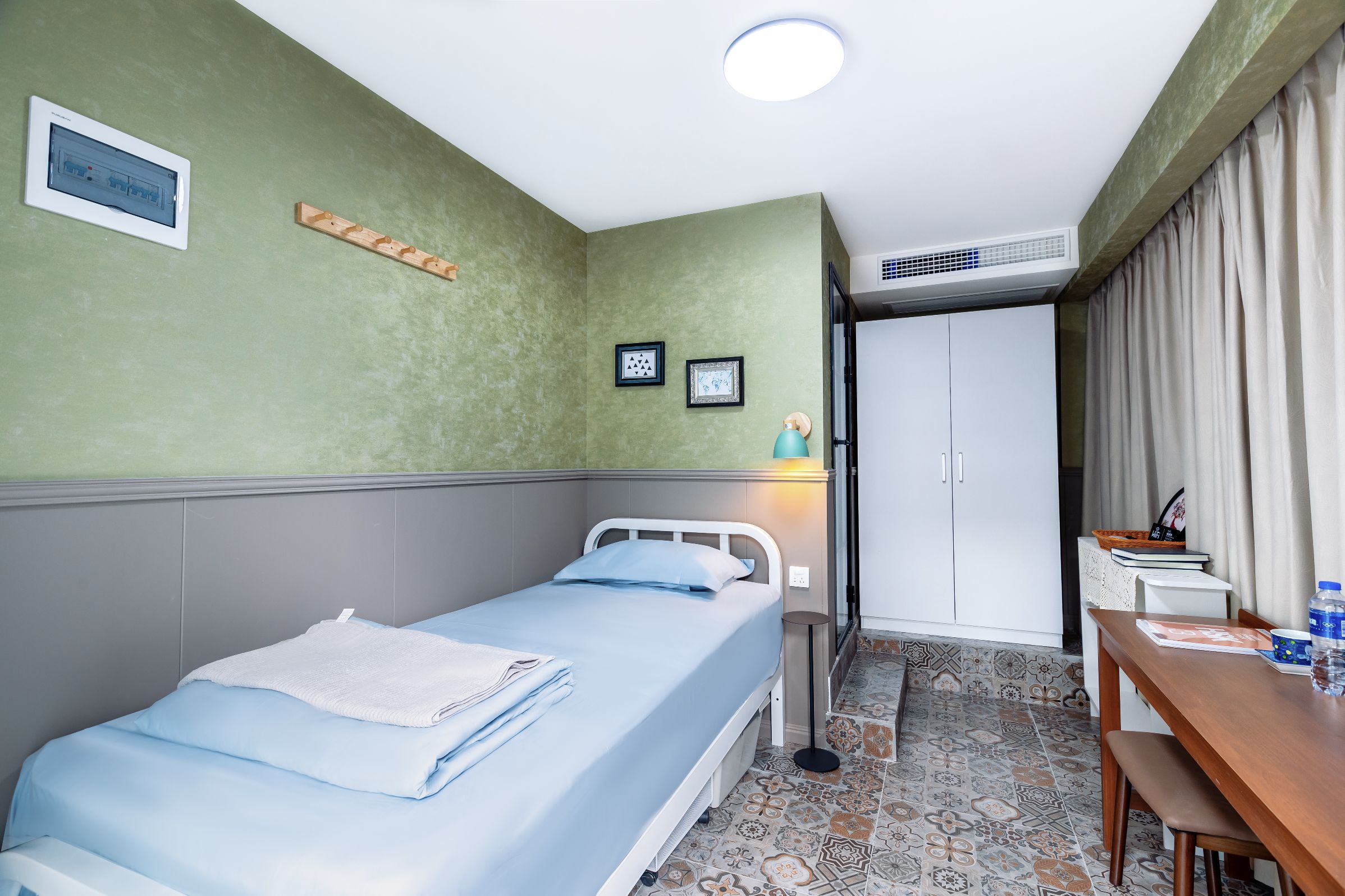
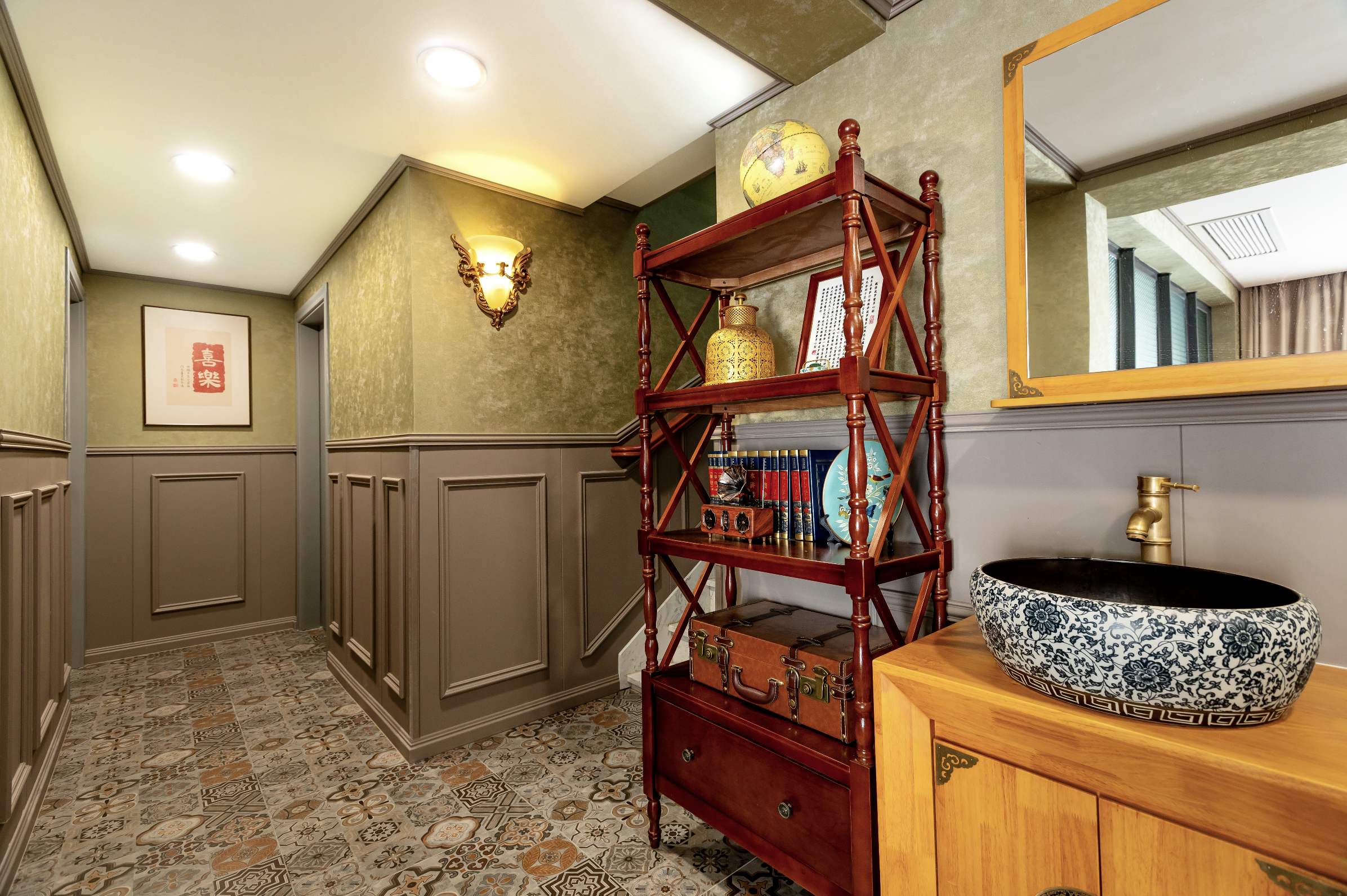
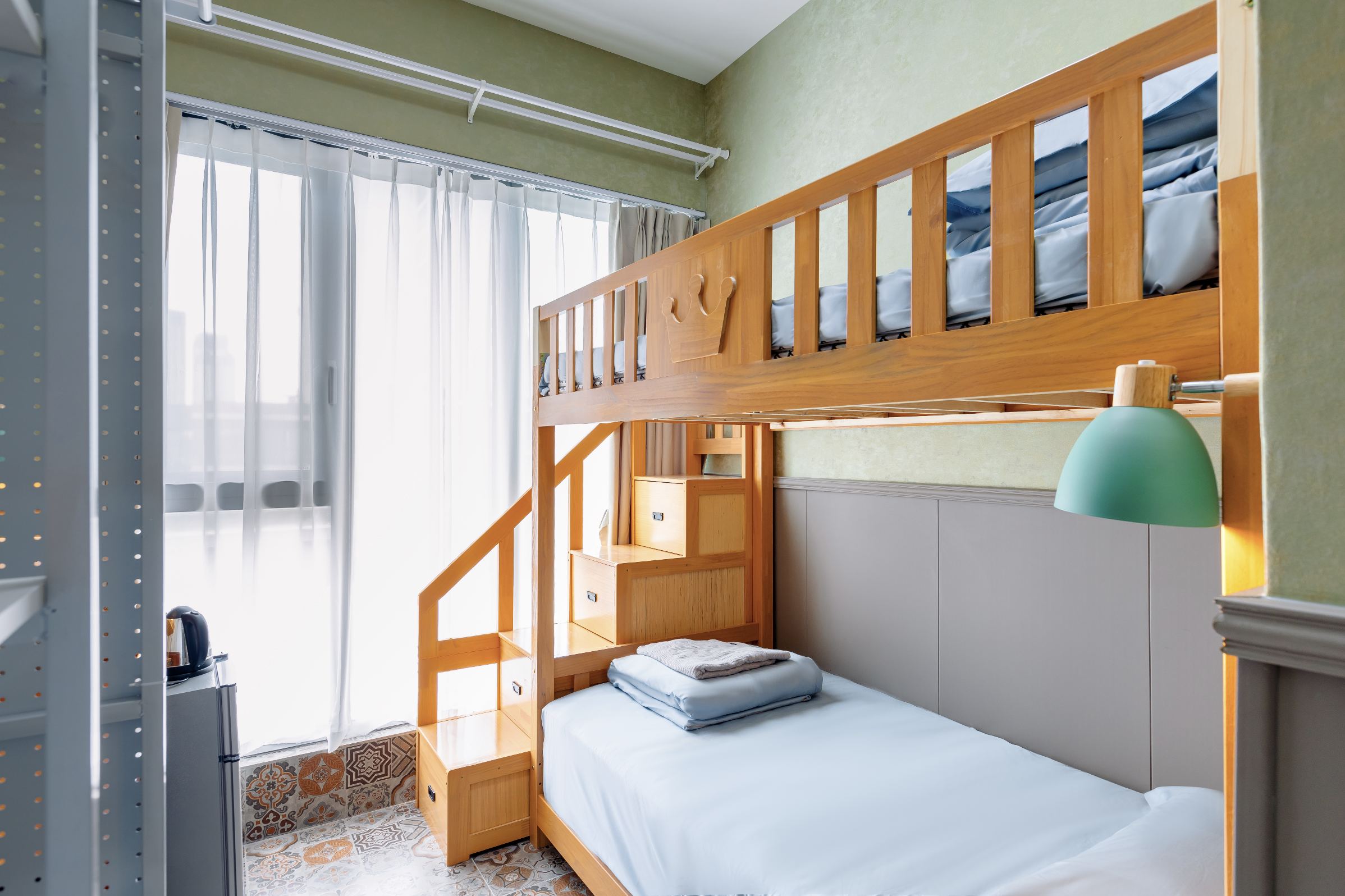
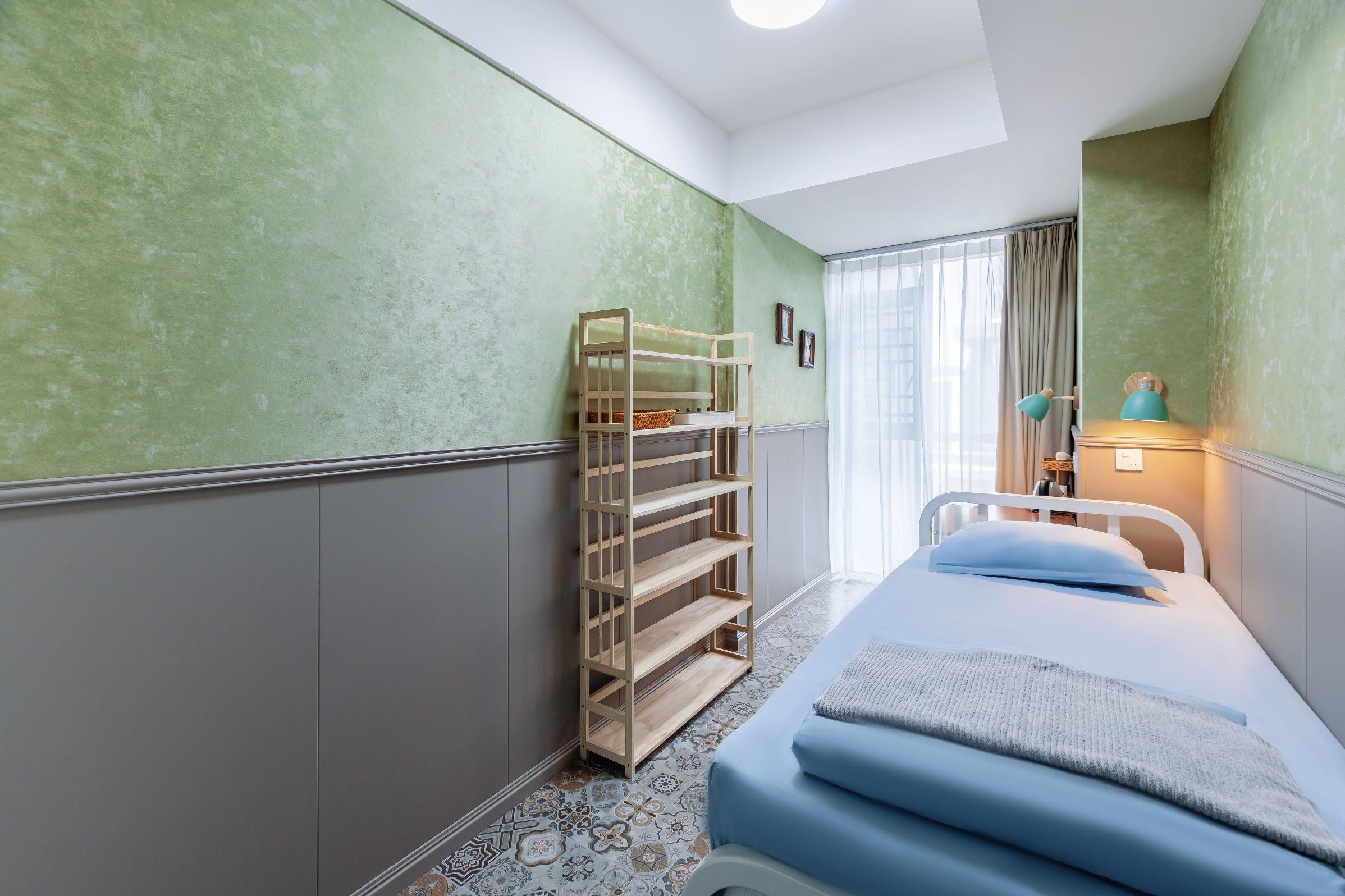
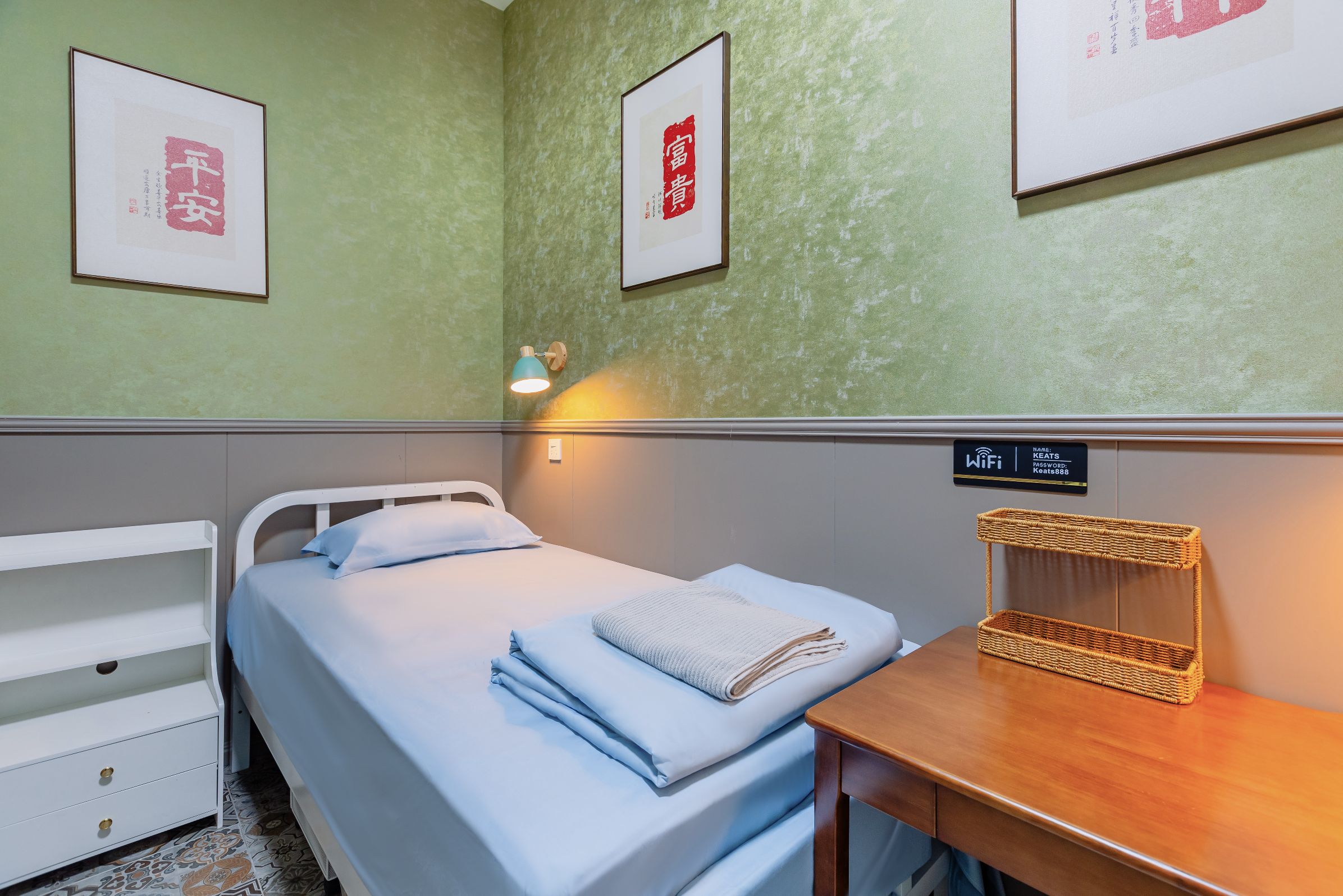
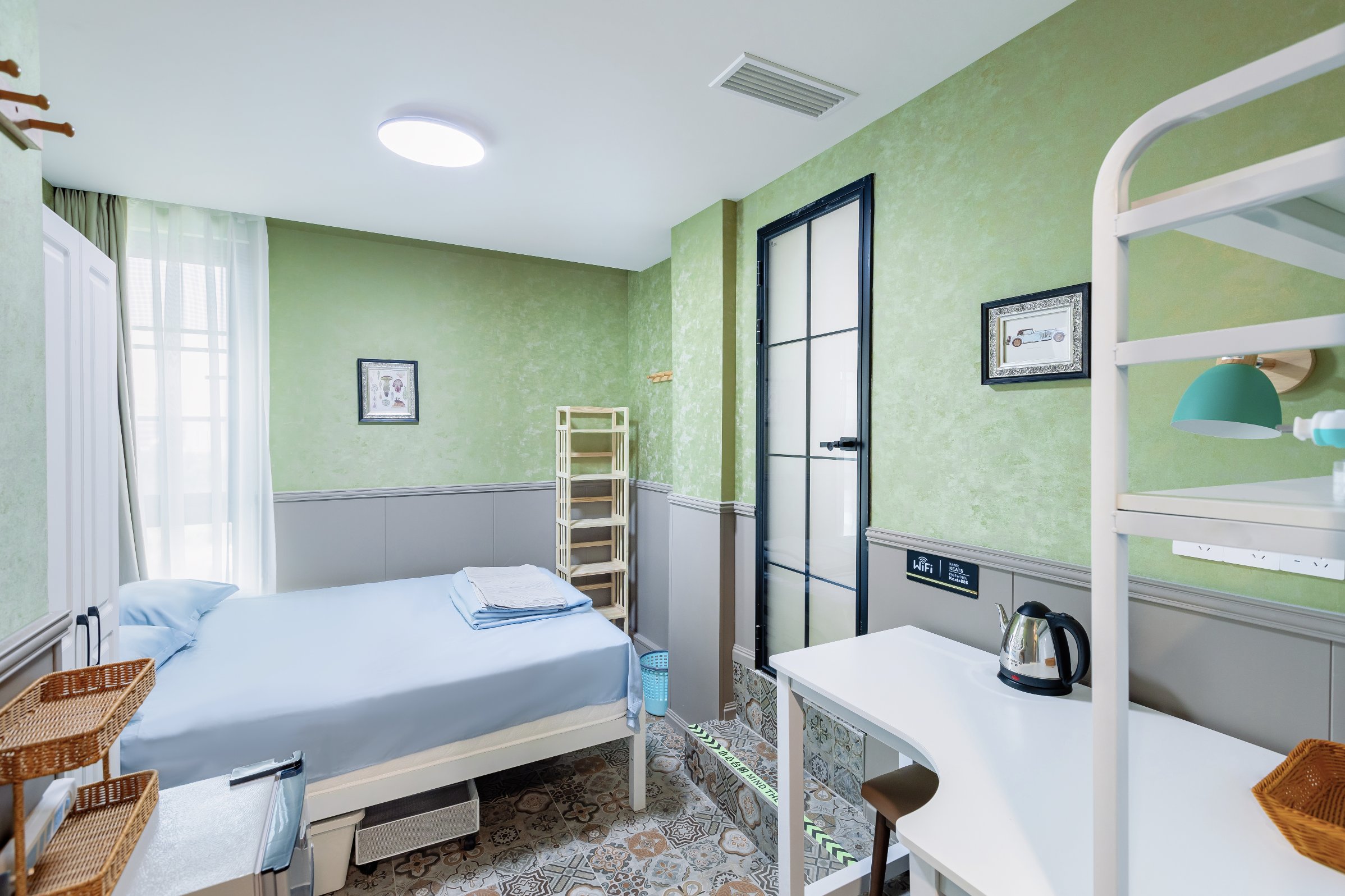
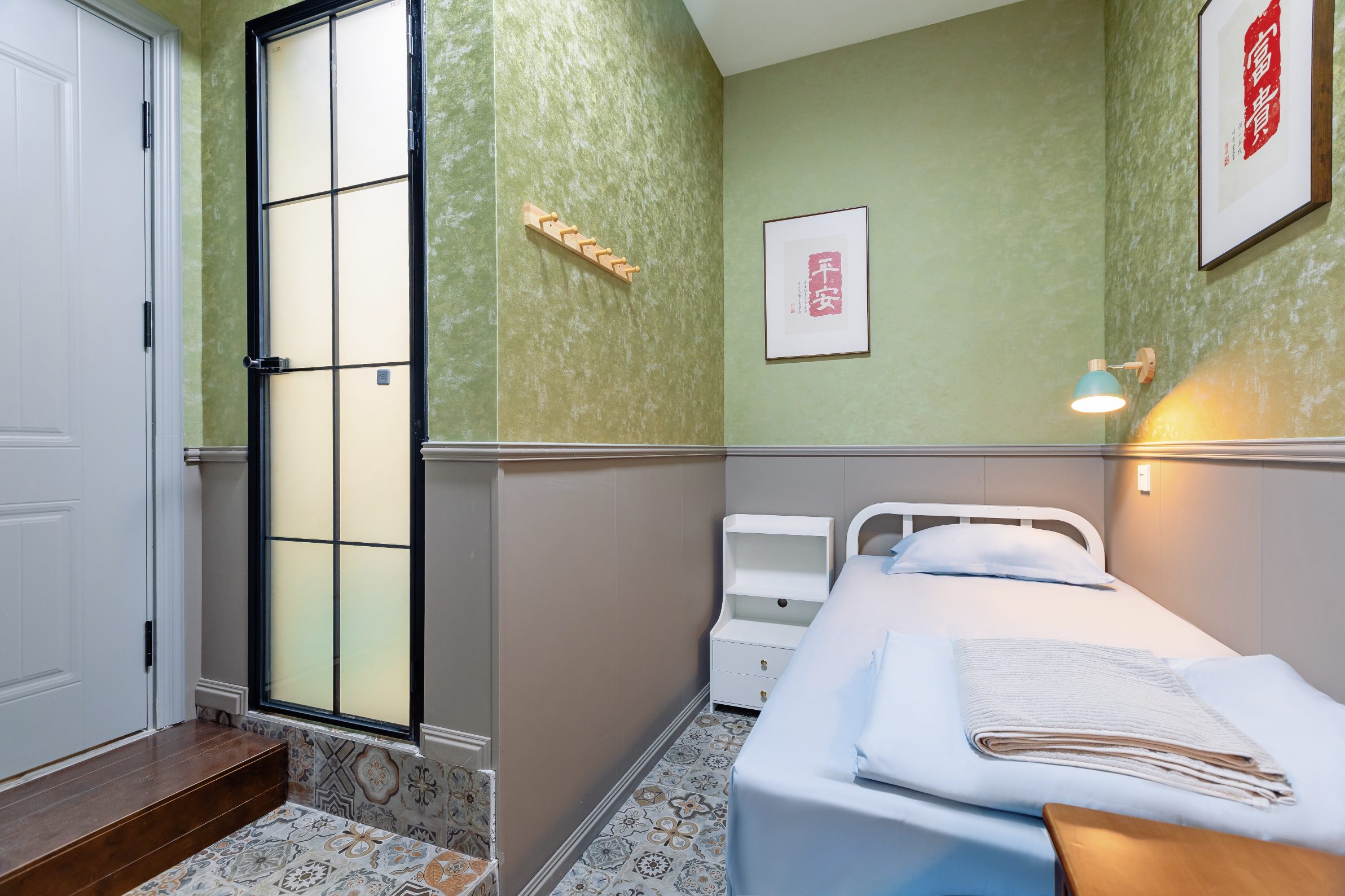
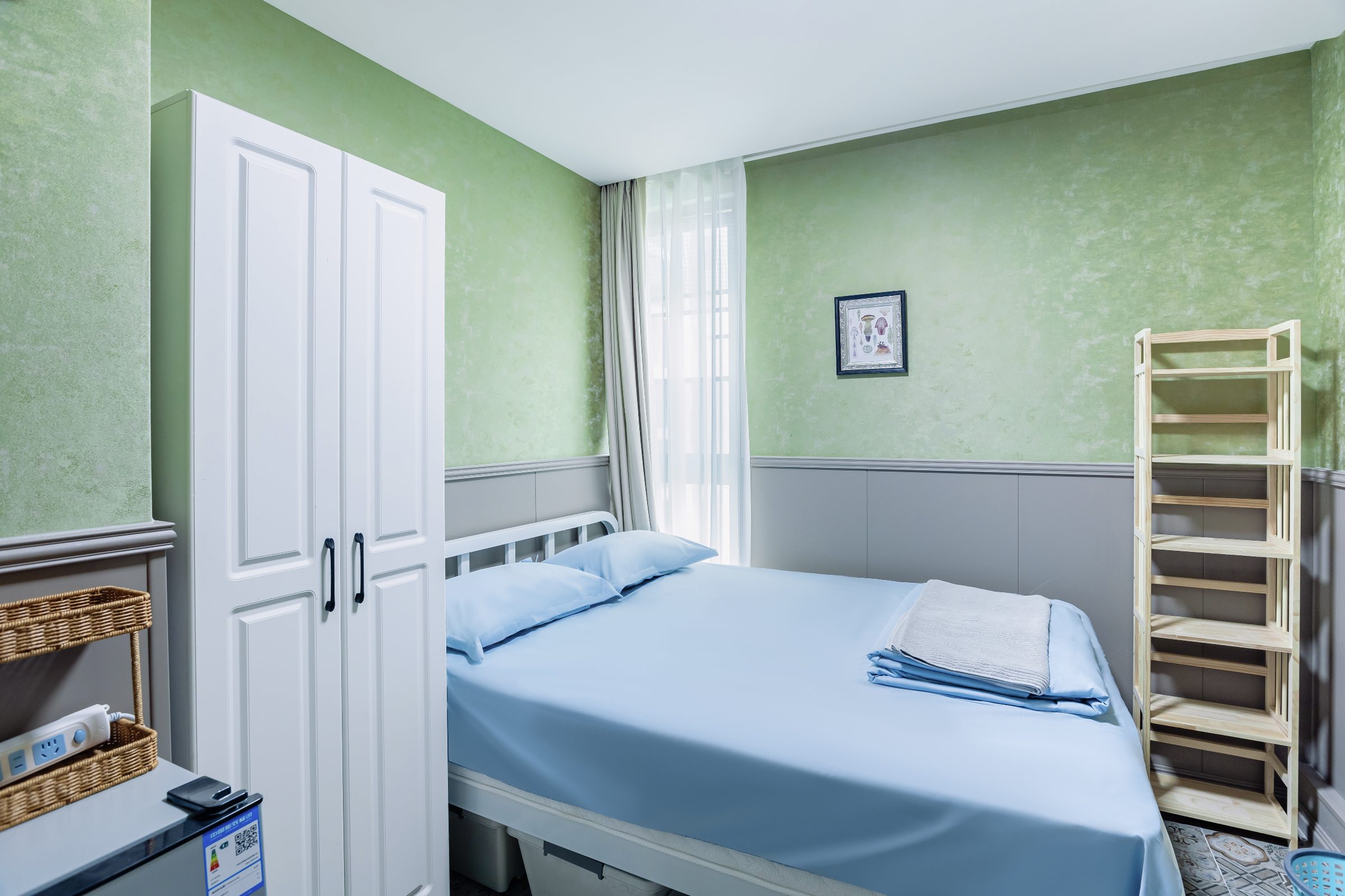
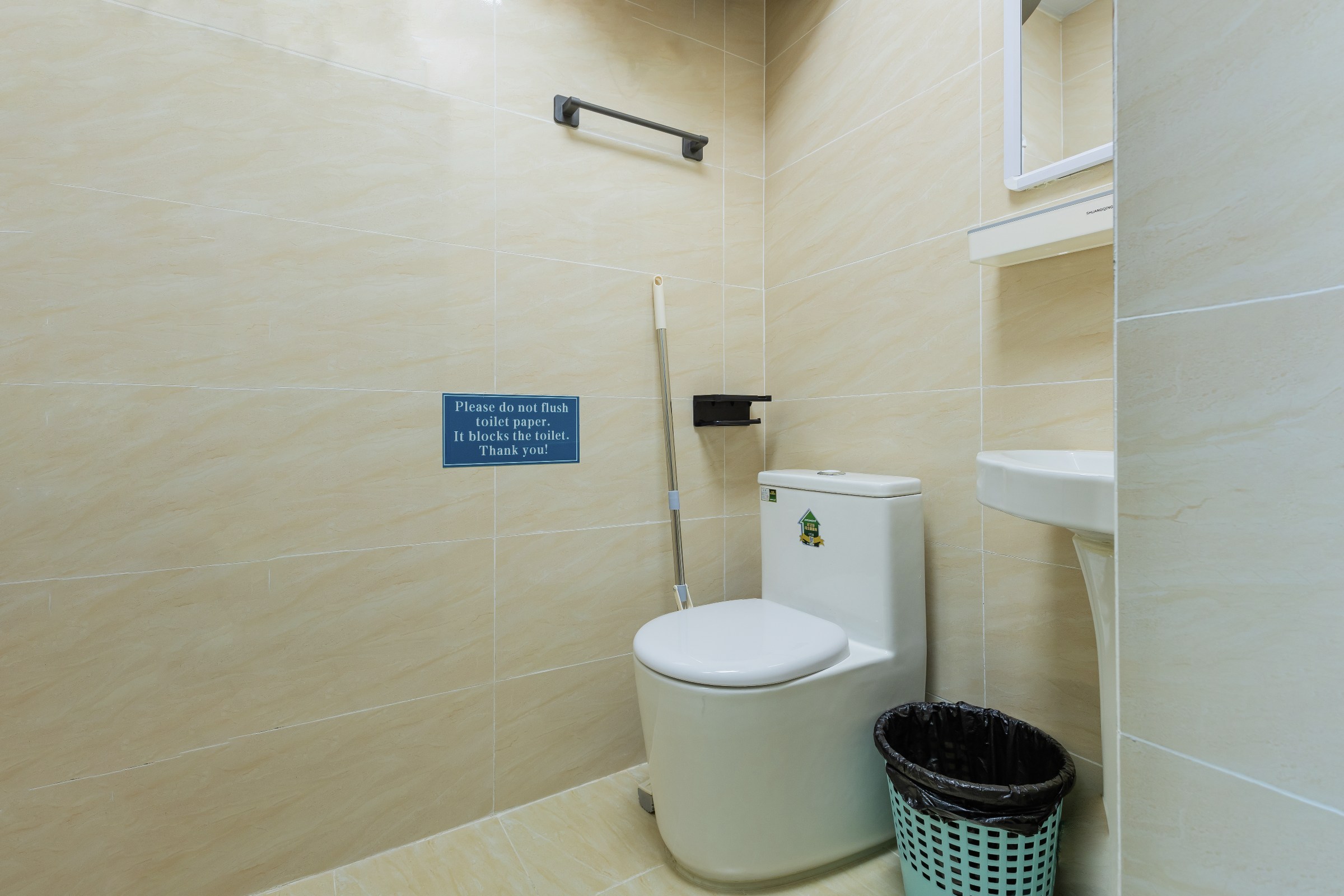
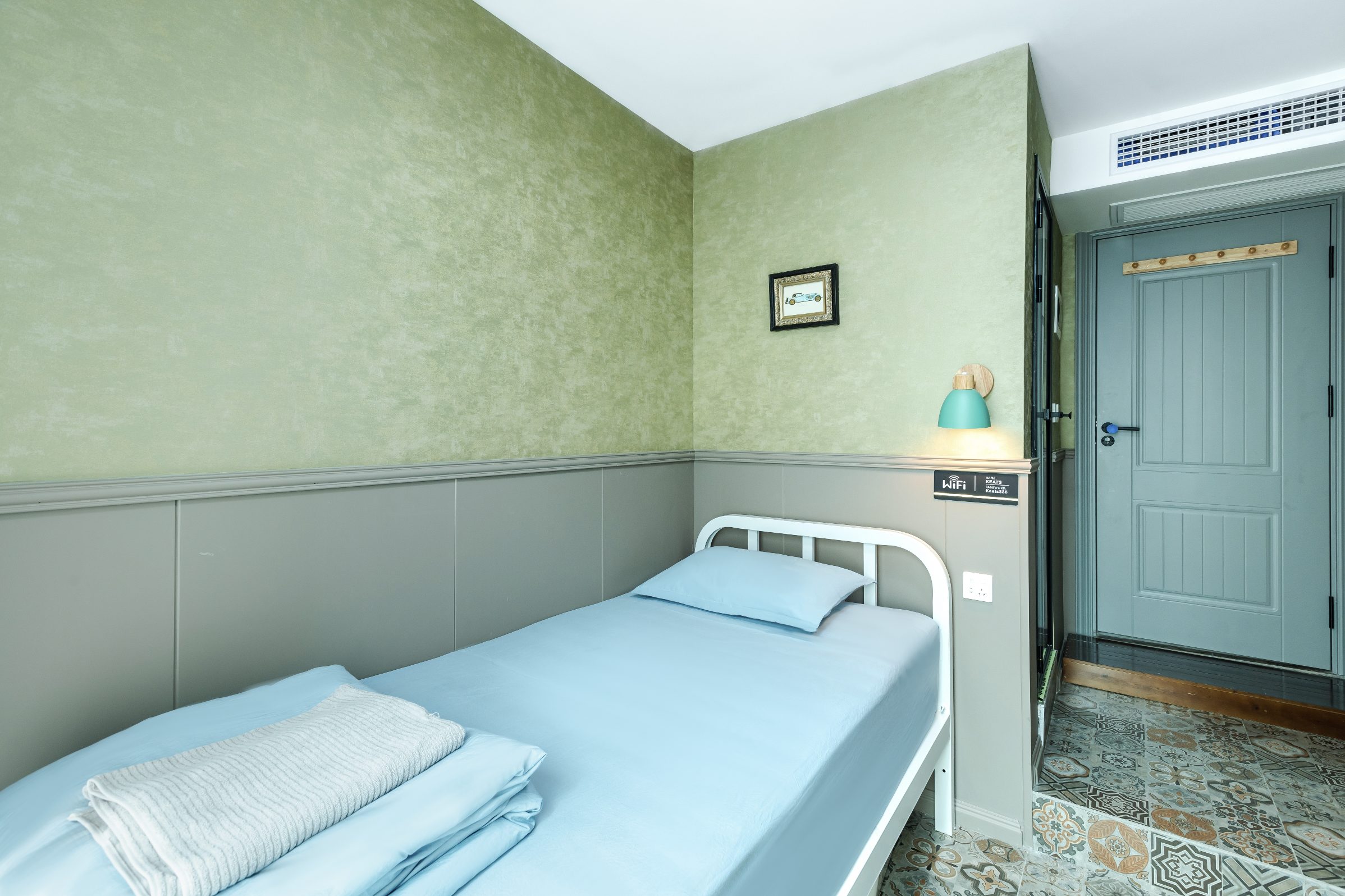
SINGLE ROOM WITH PRIVATE BATHROOM
- Located in the SAME building as the school.
- Clean, safe, convenient, and comfortable.
- The room contains a bed, bedsheets, desk and chair, wardrobe, fridge, 24-hour hot water, safe, and wifi.
- Free room cleaning service is offered once a week.
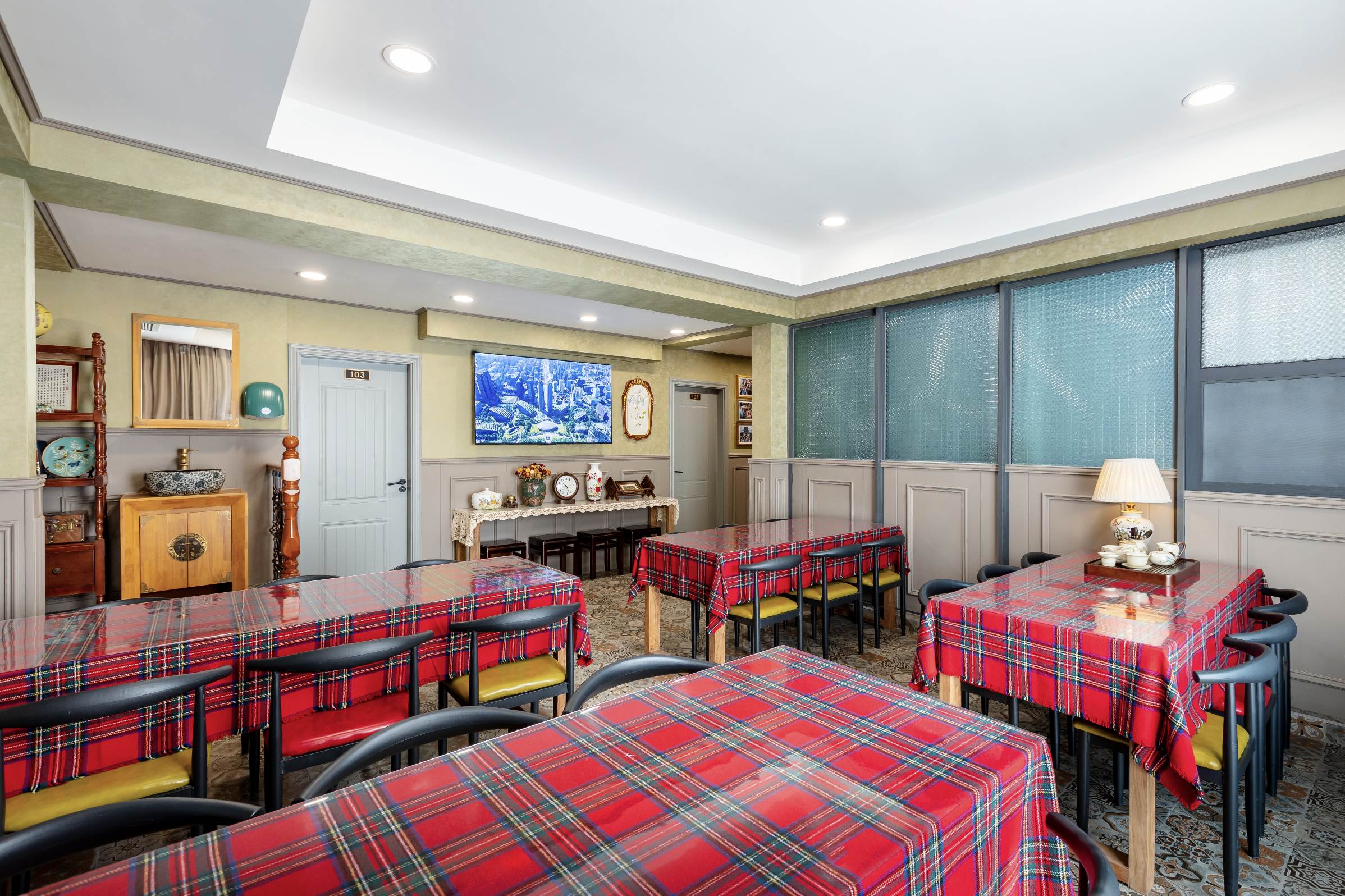
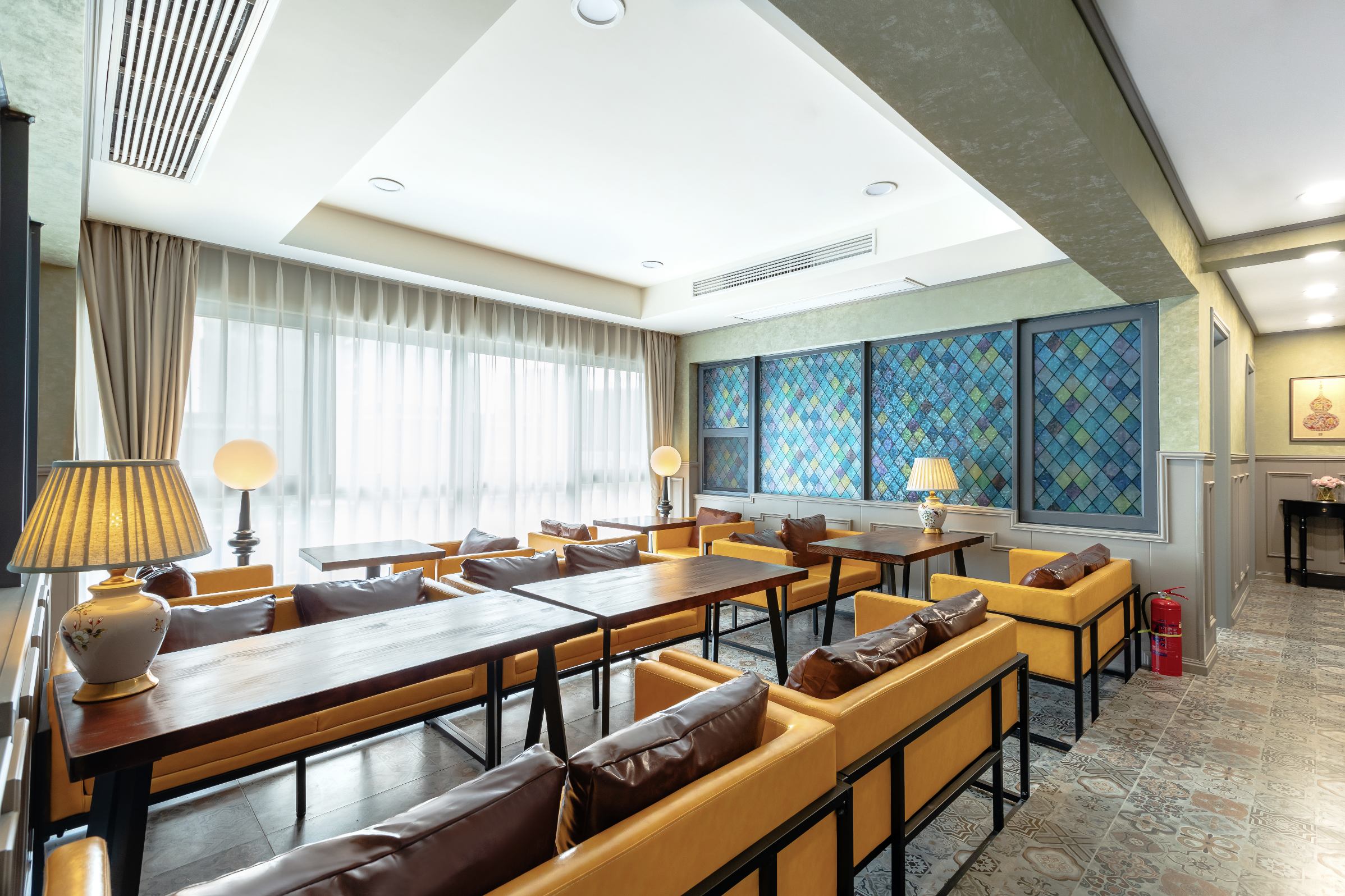
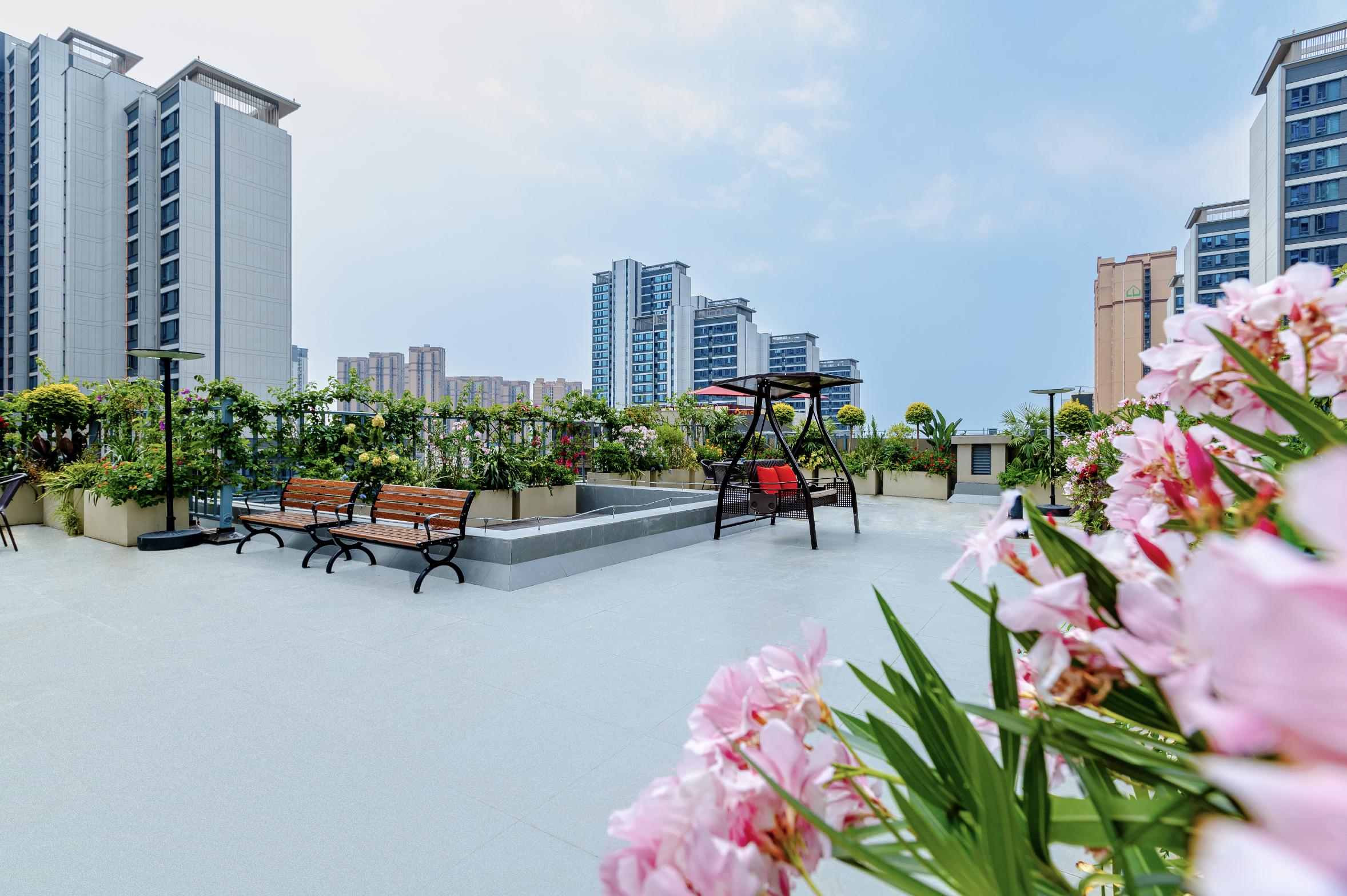
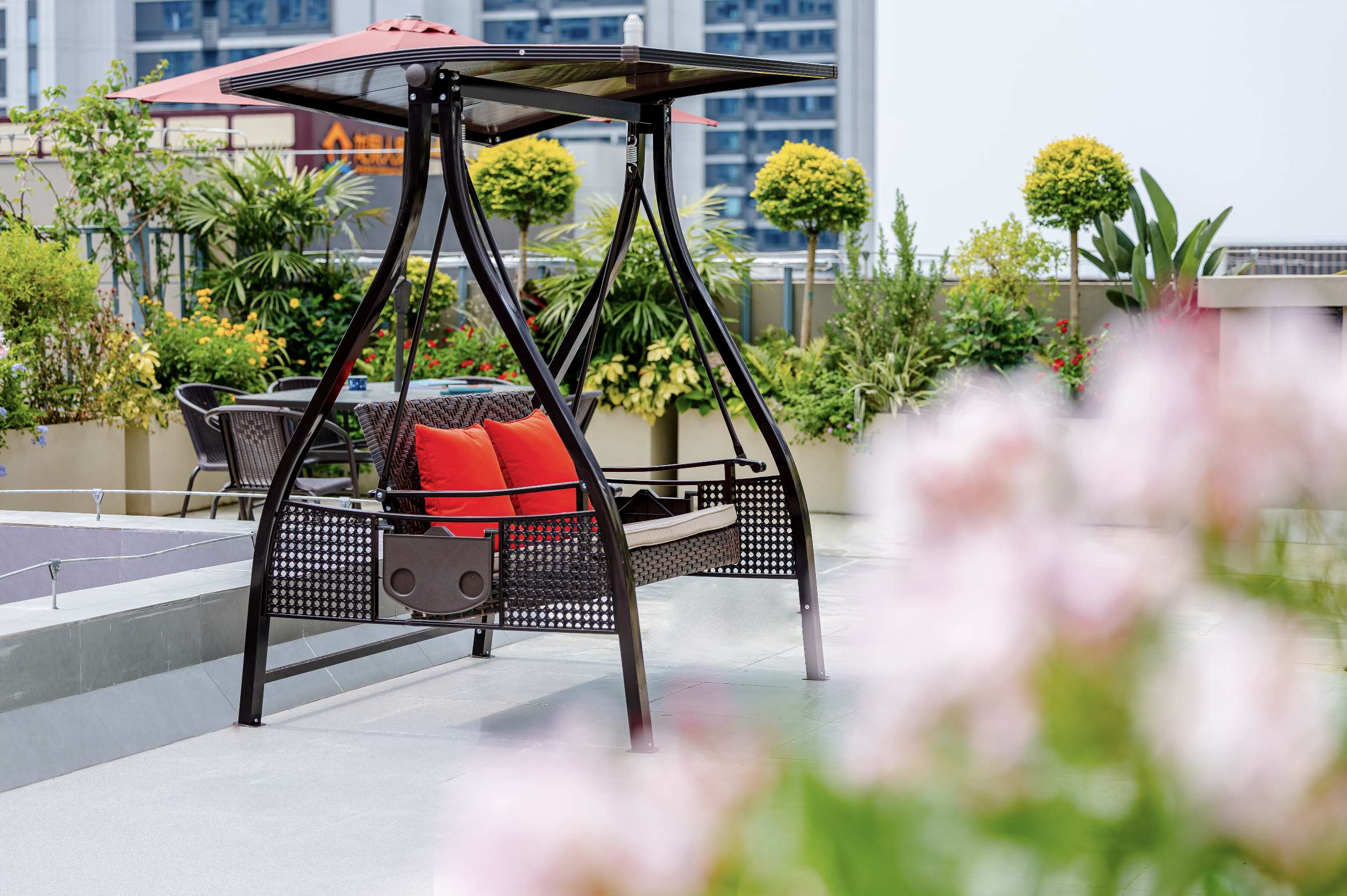
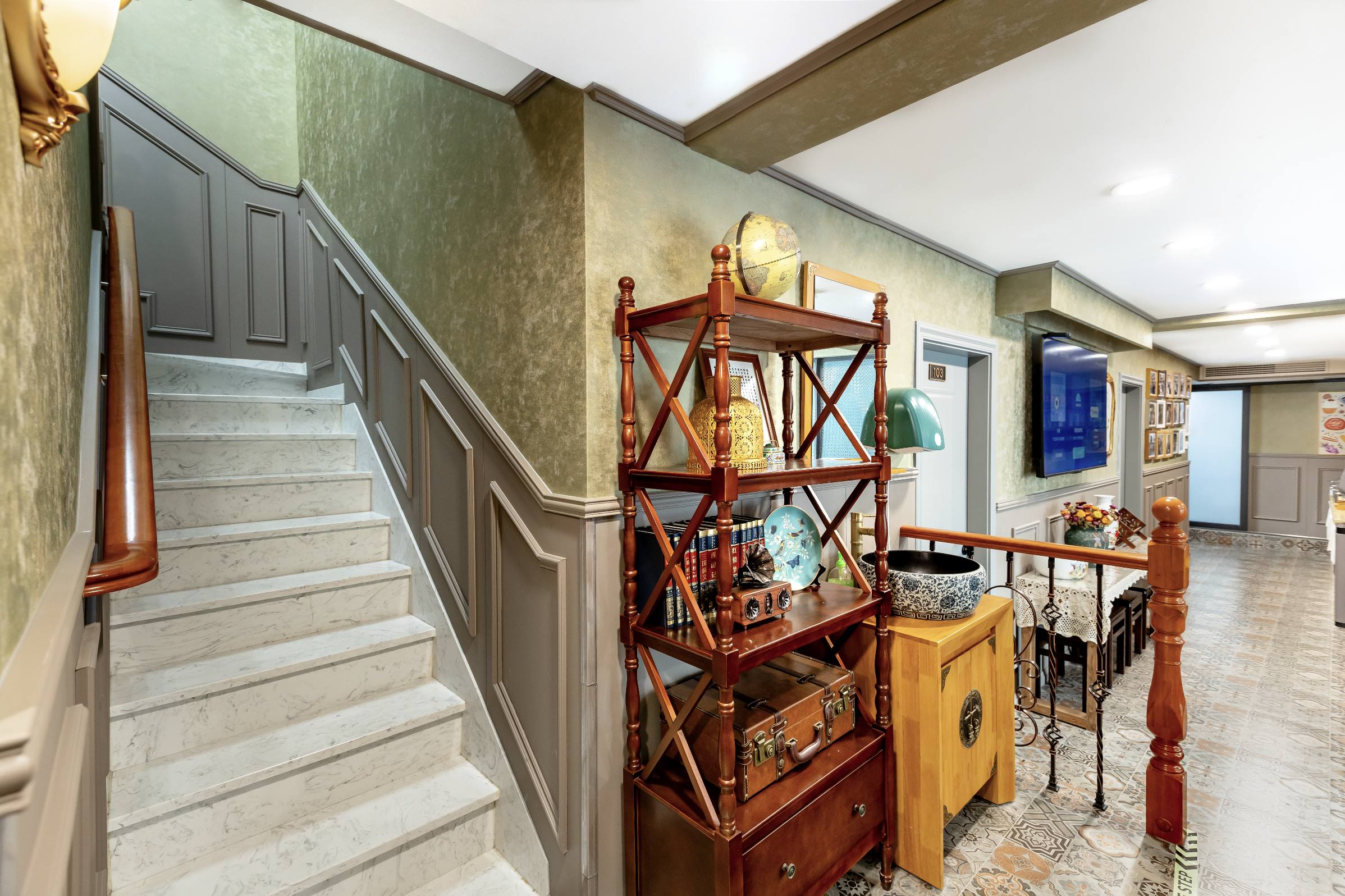
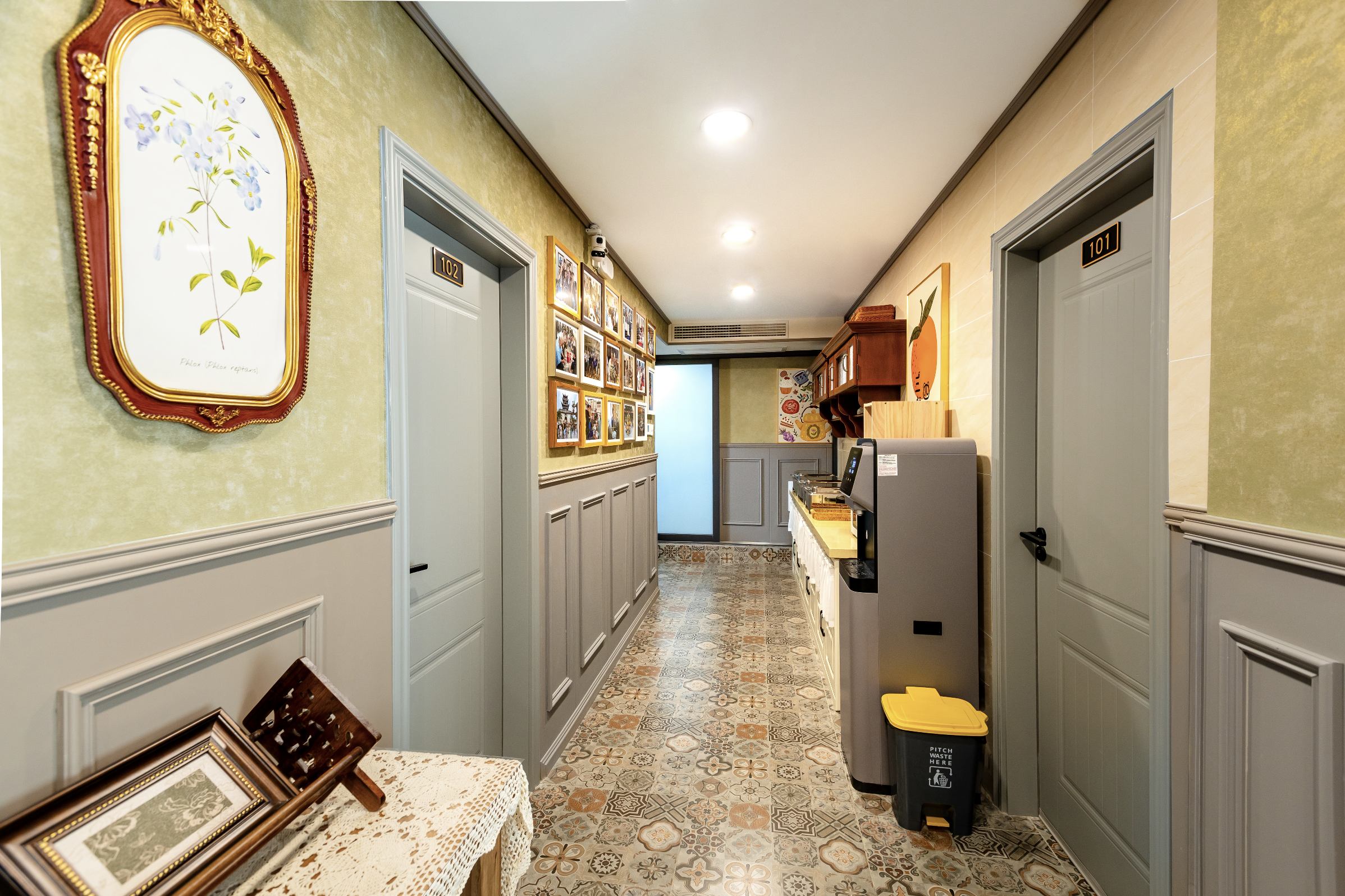
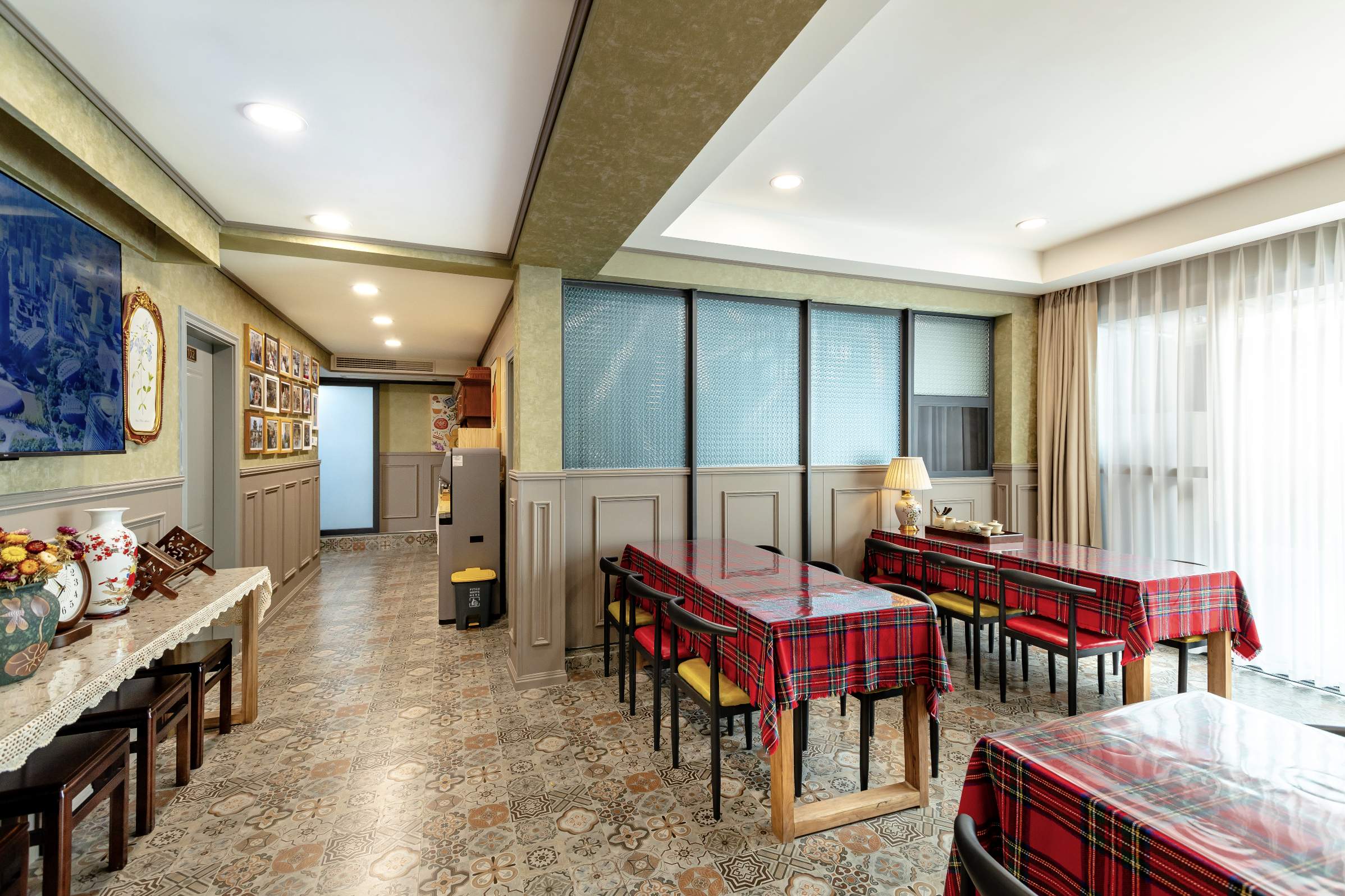
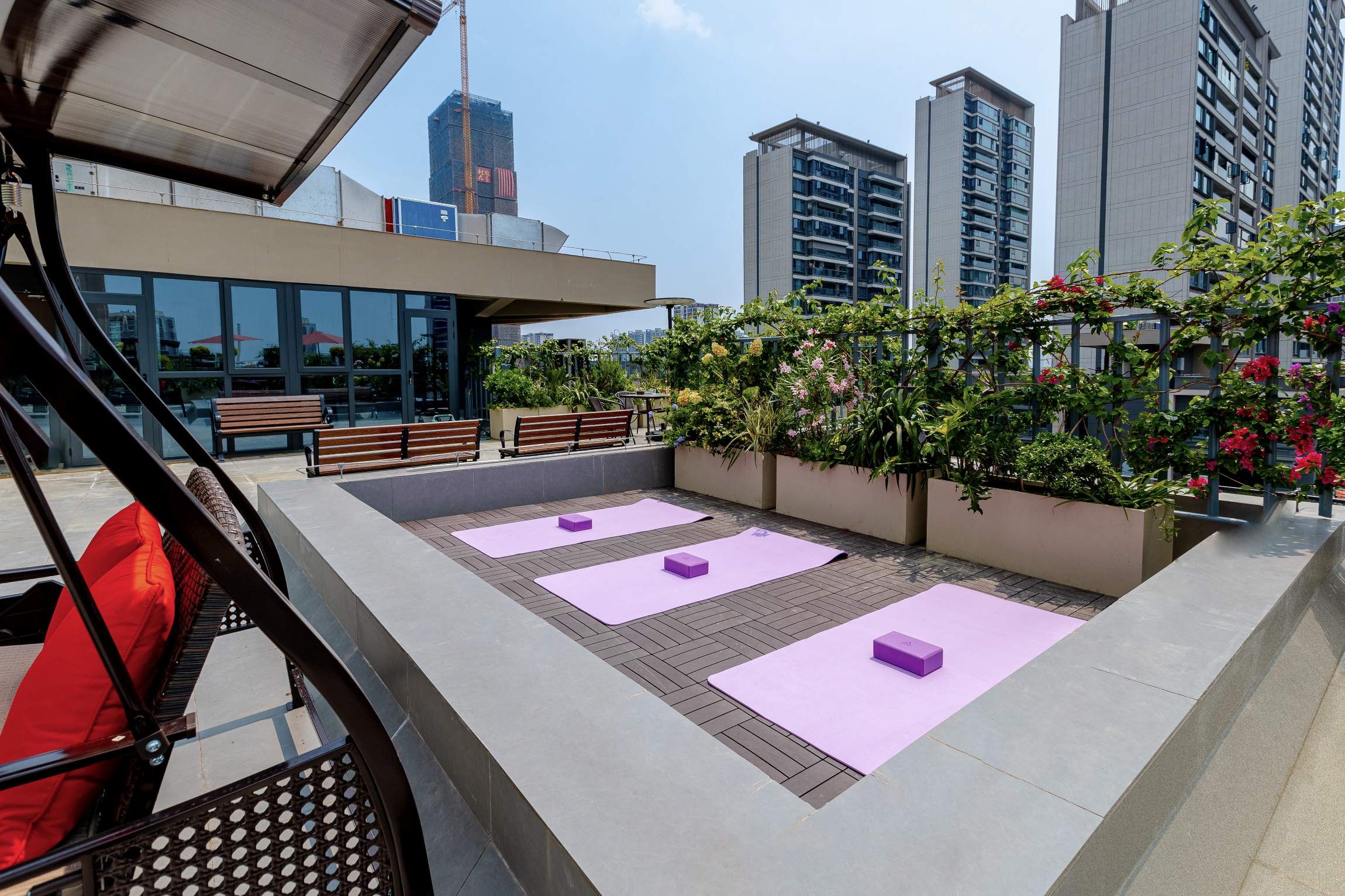
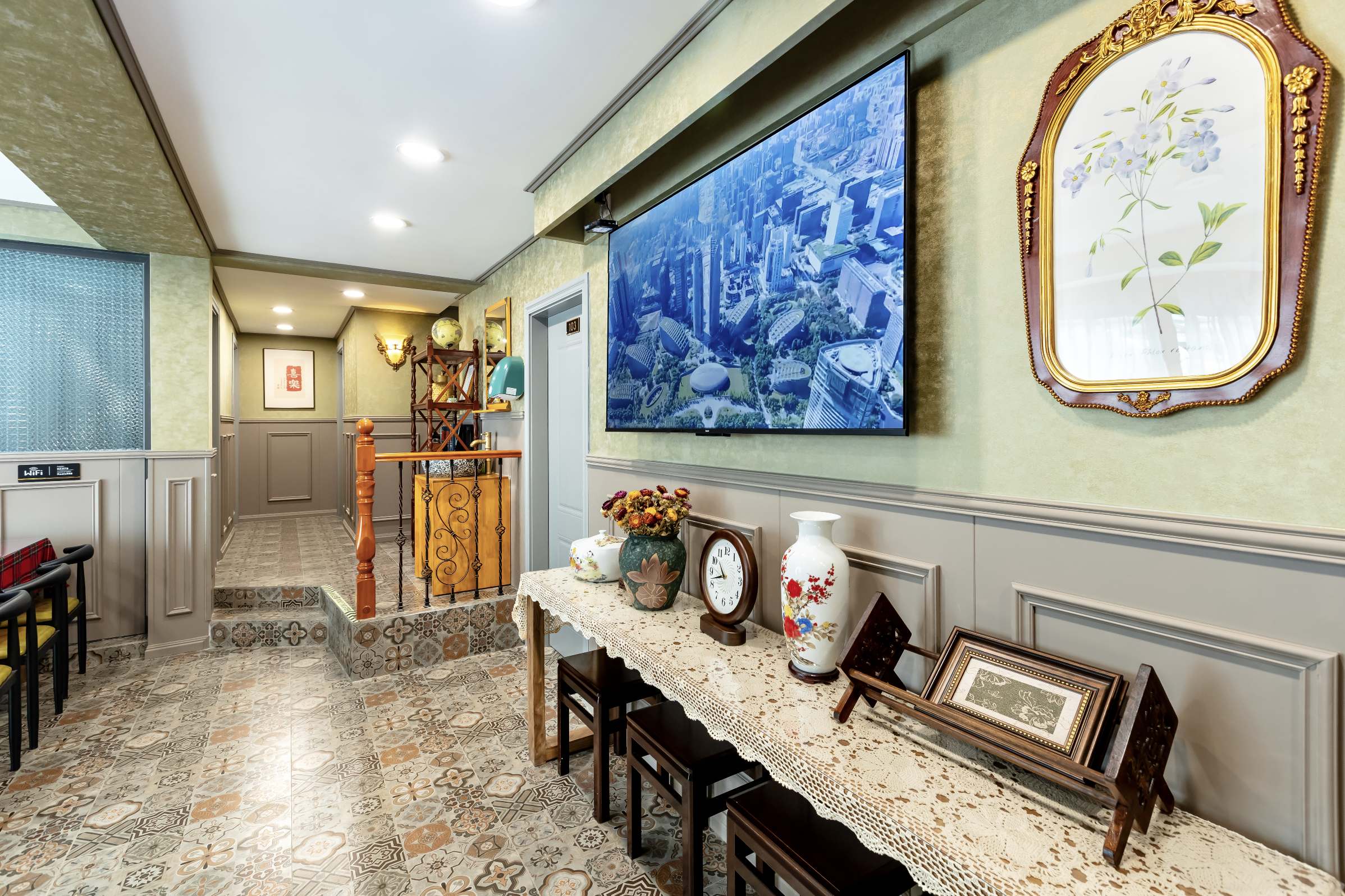
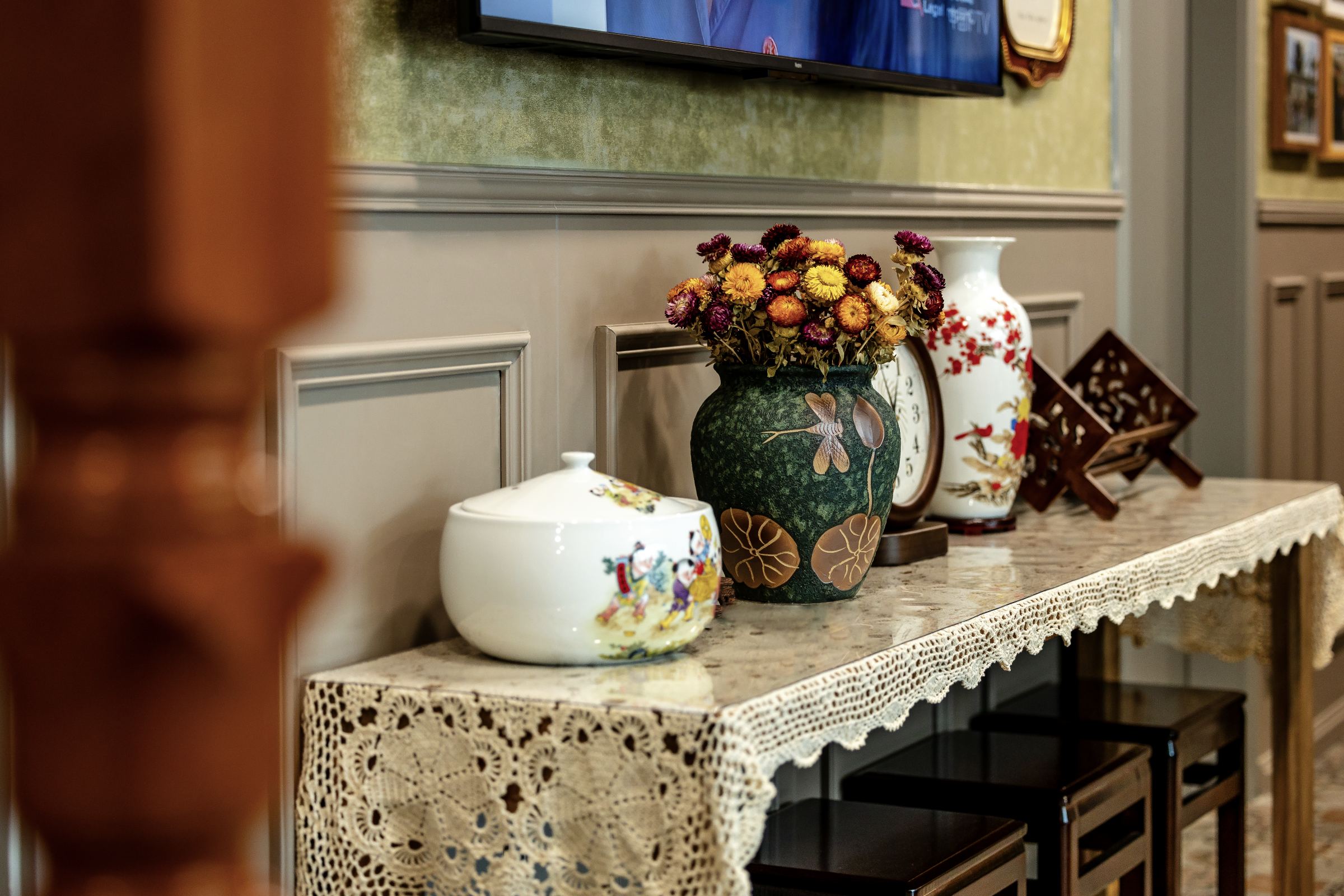
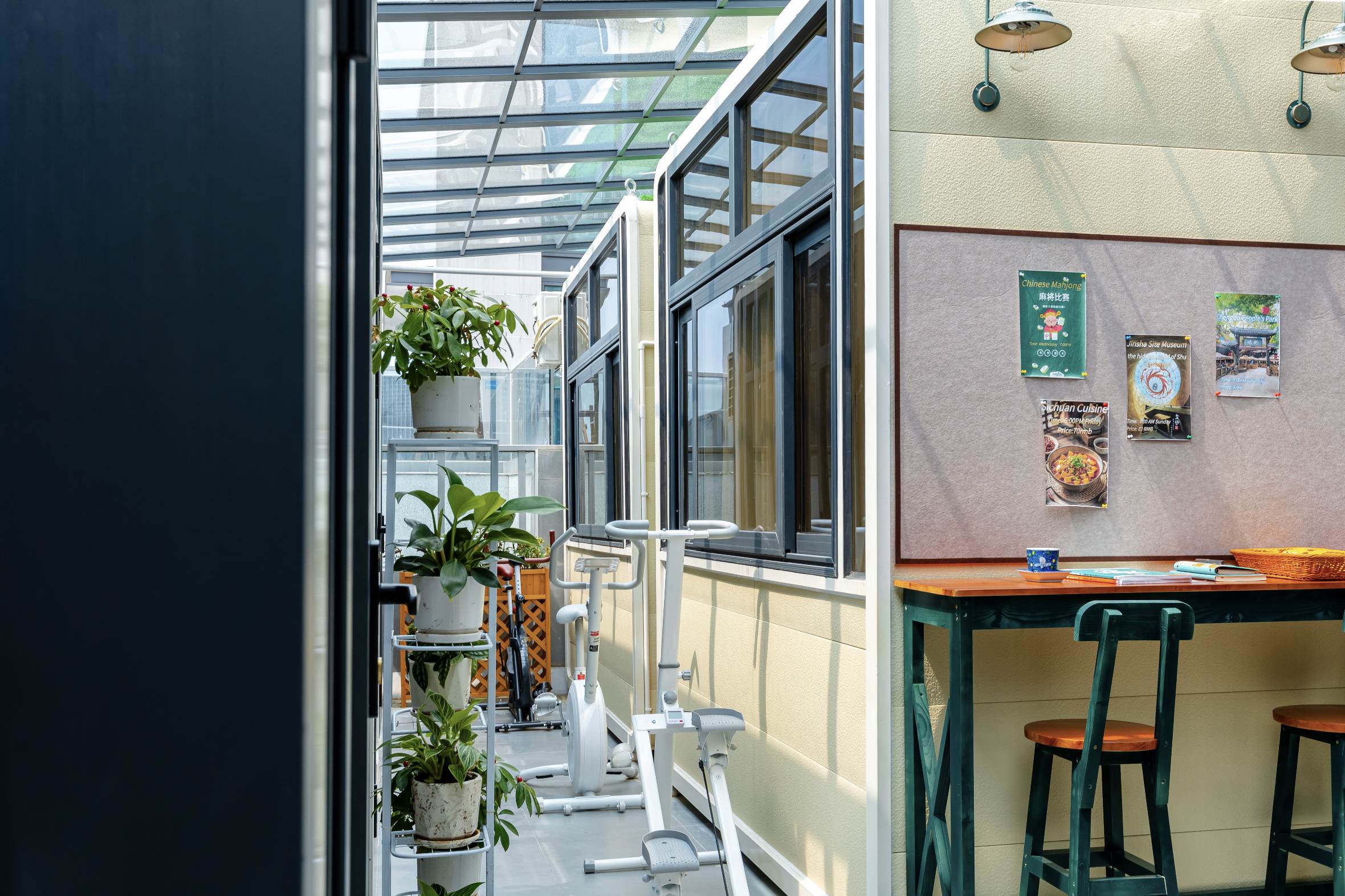
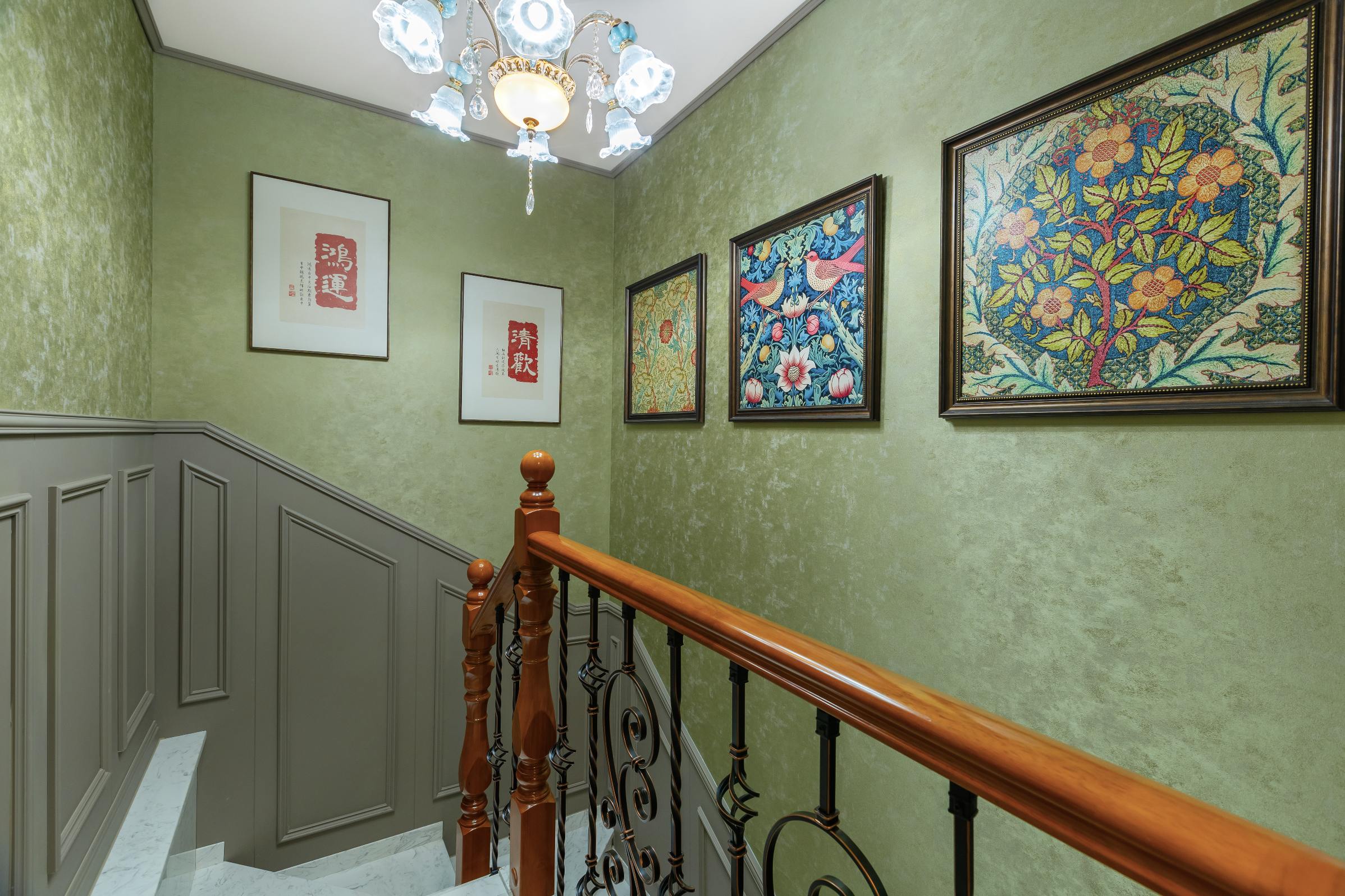
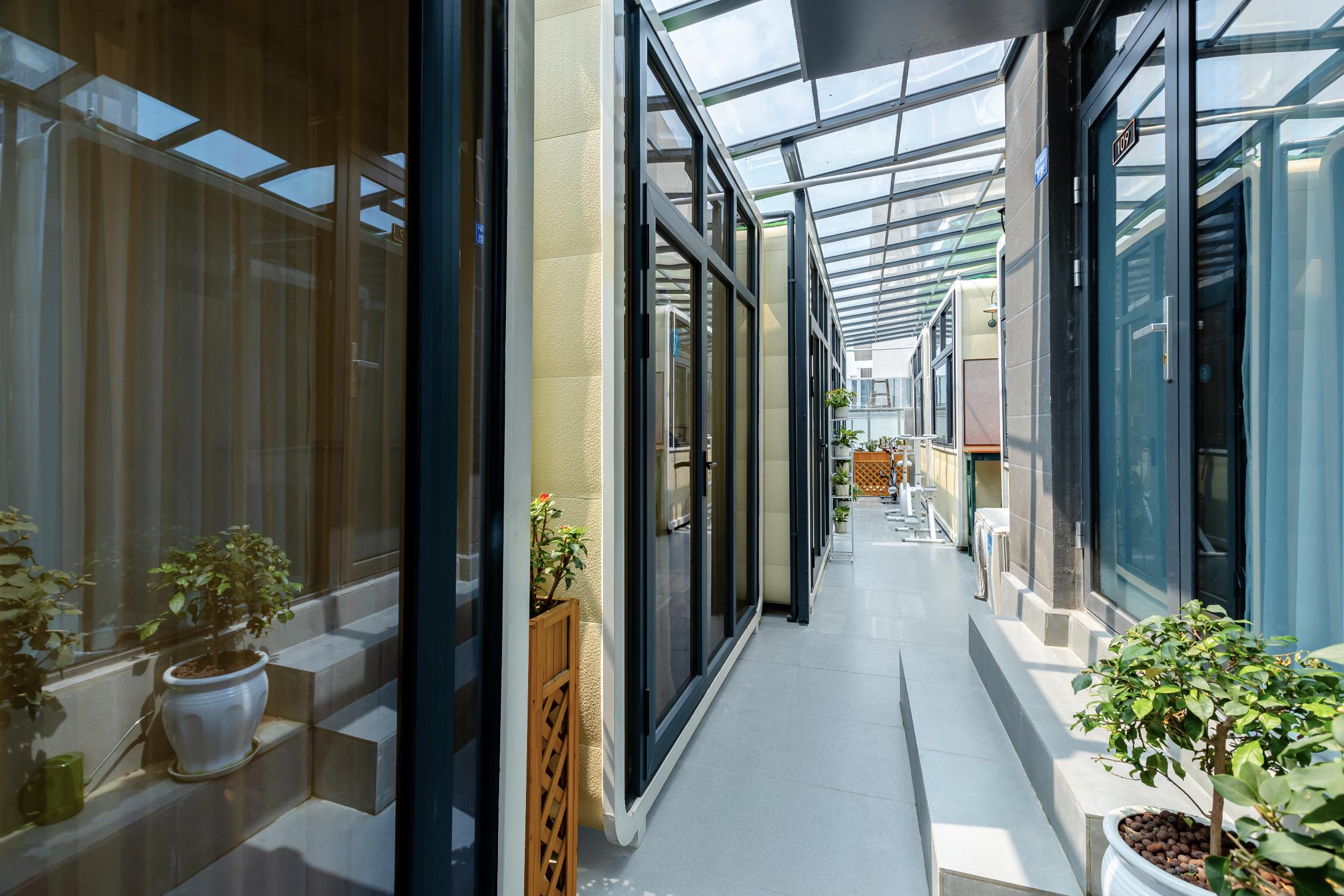
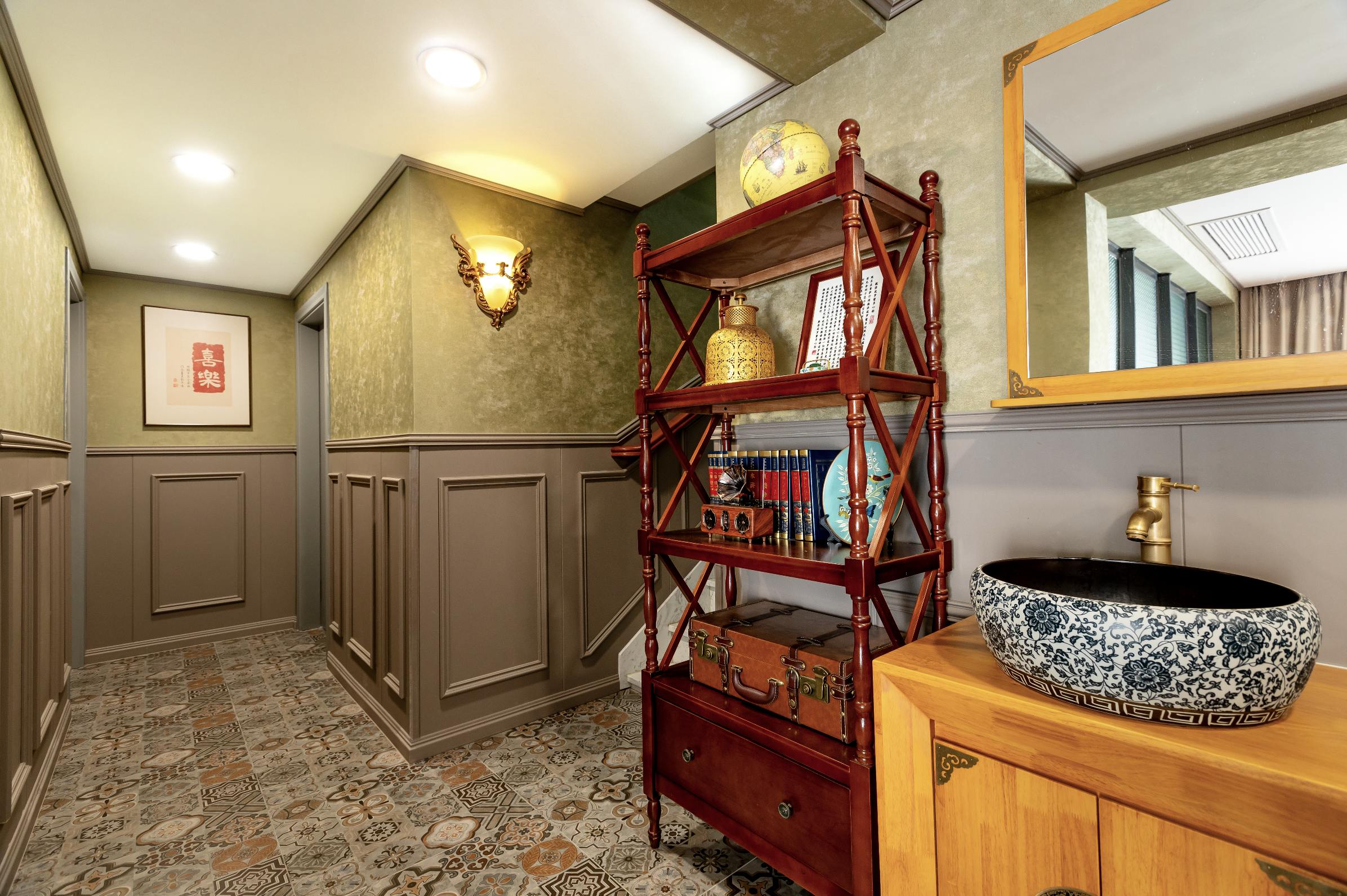
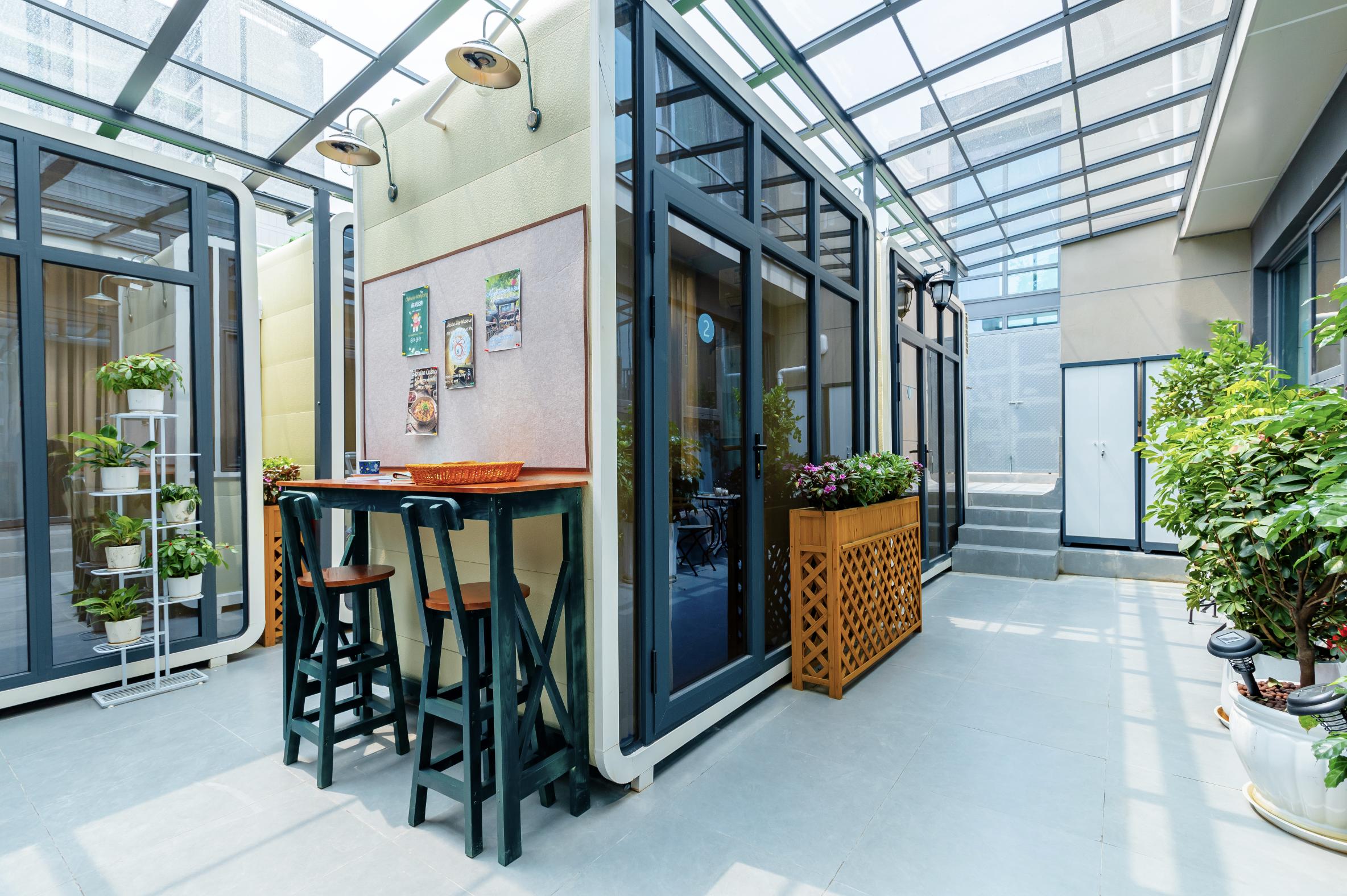
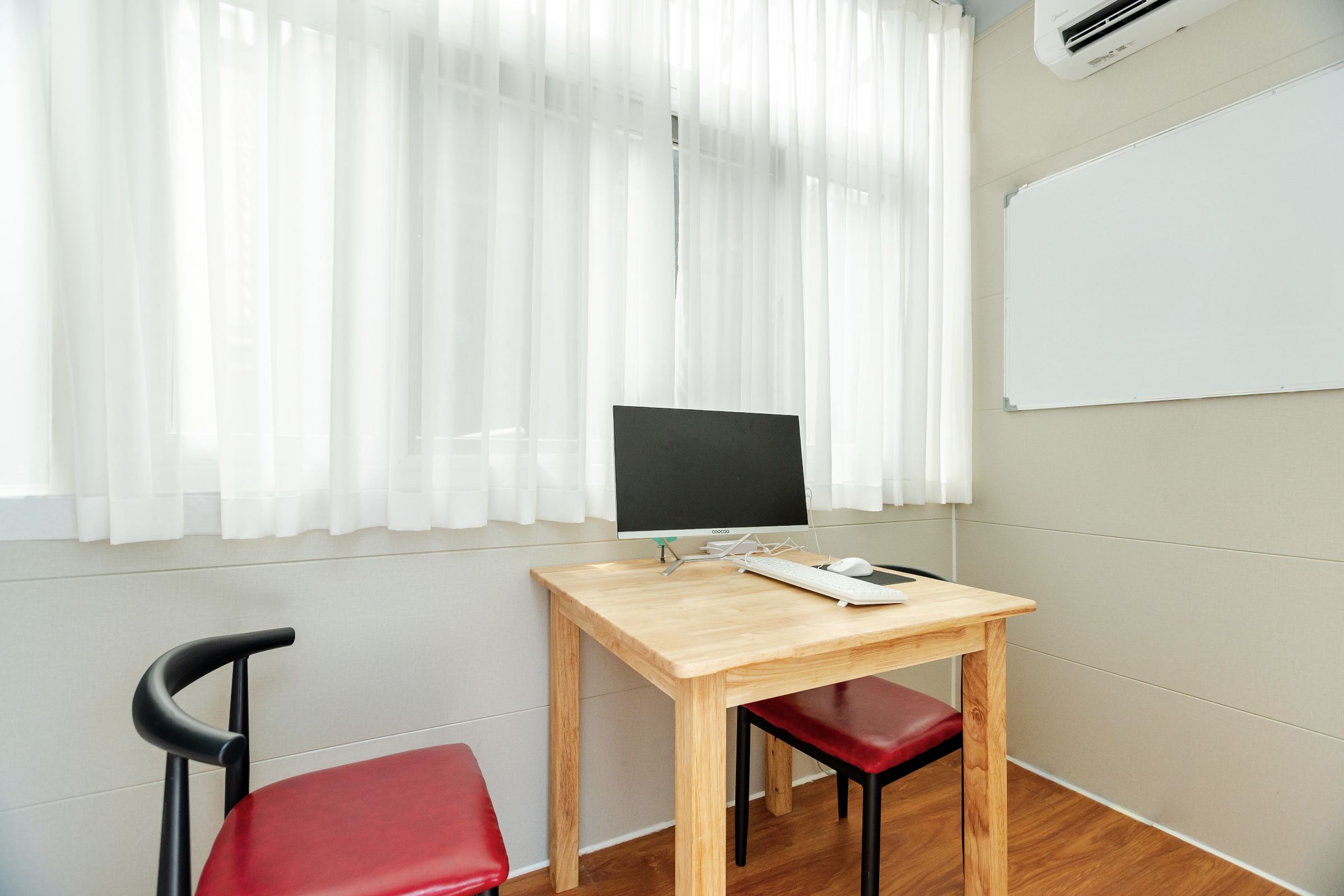
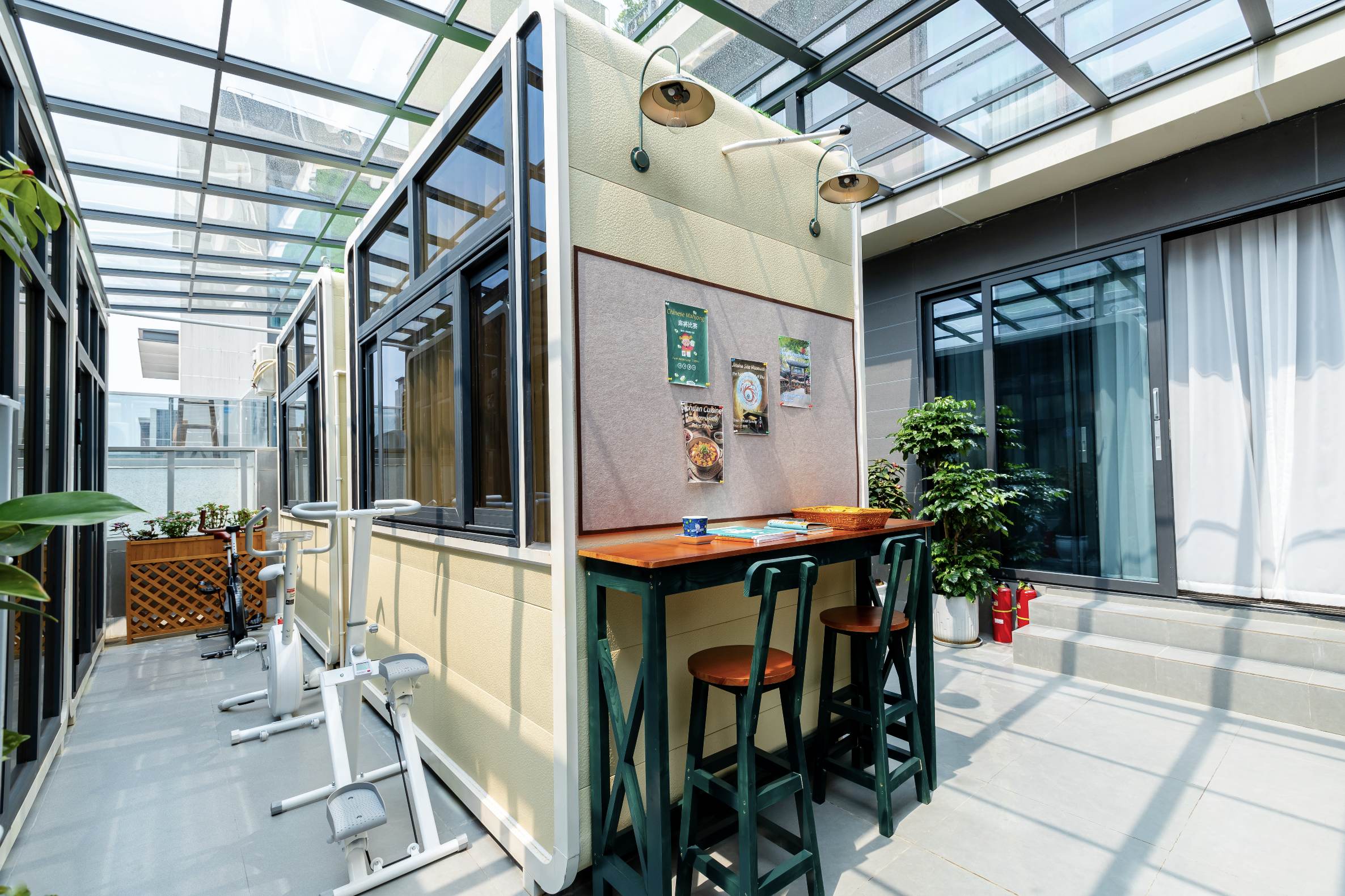
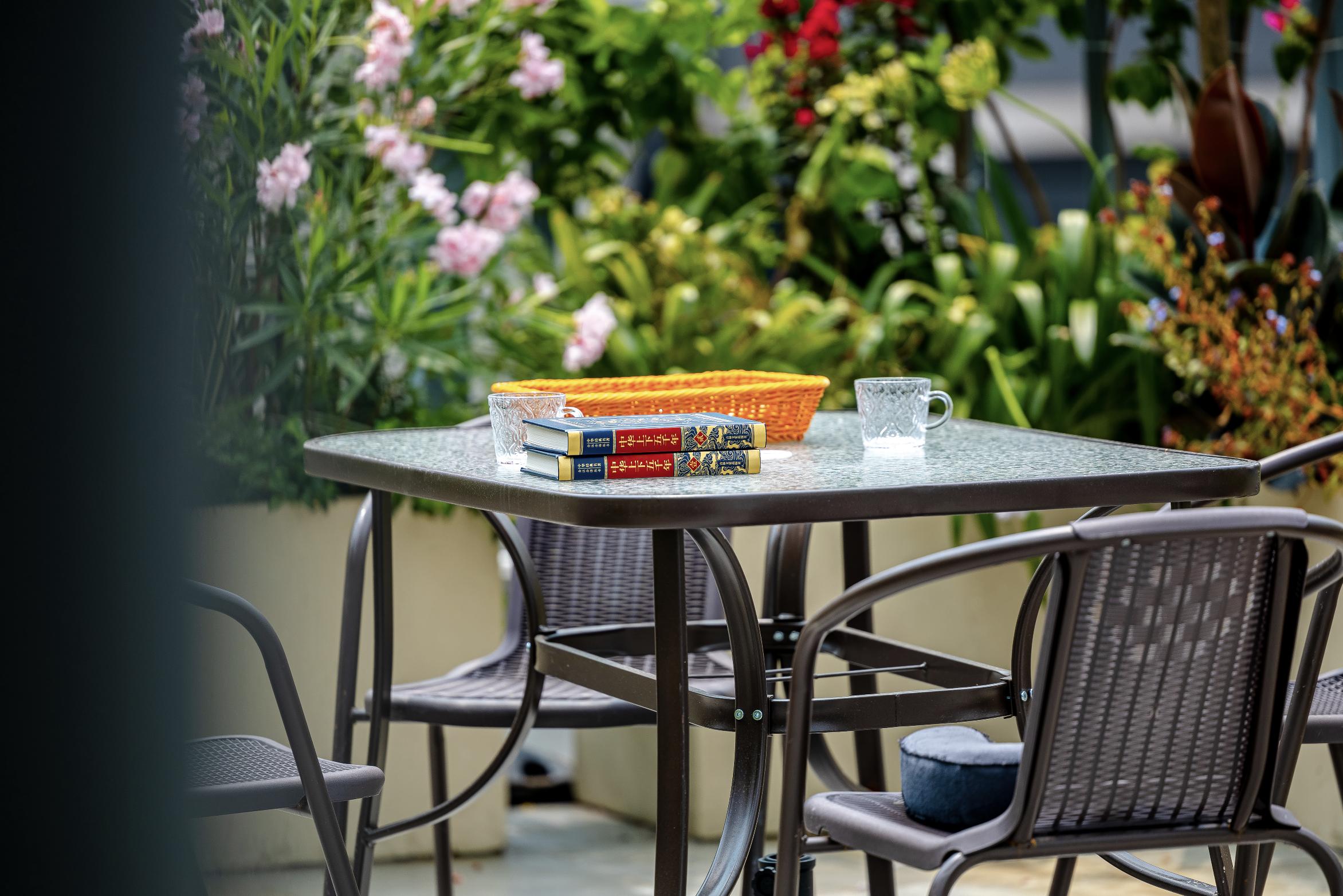
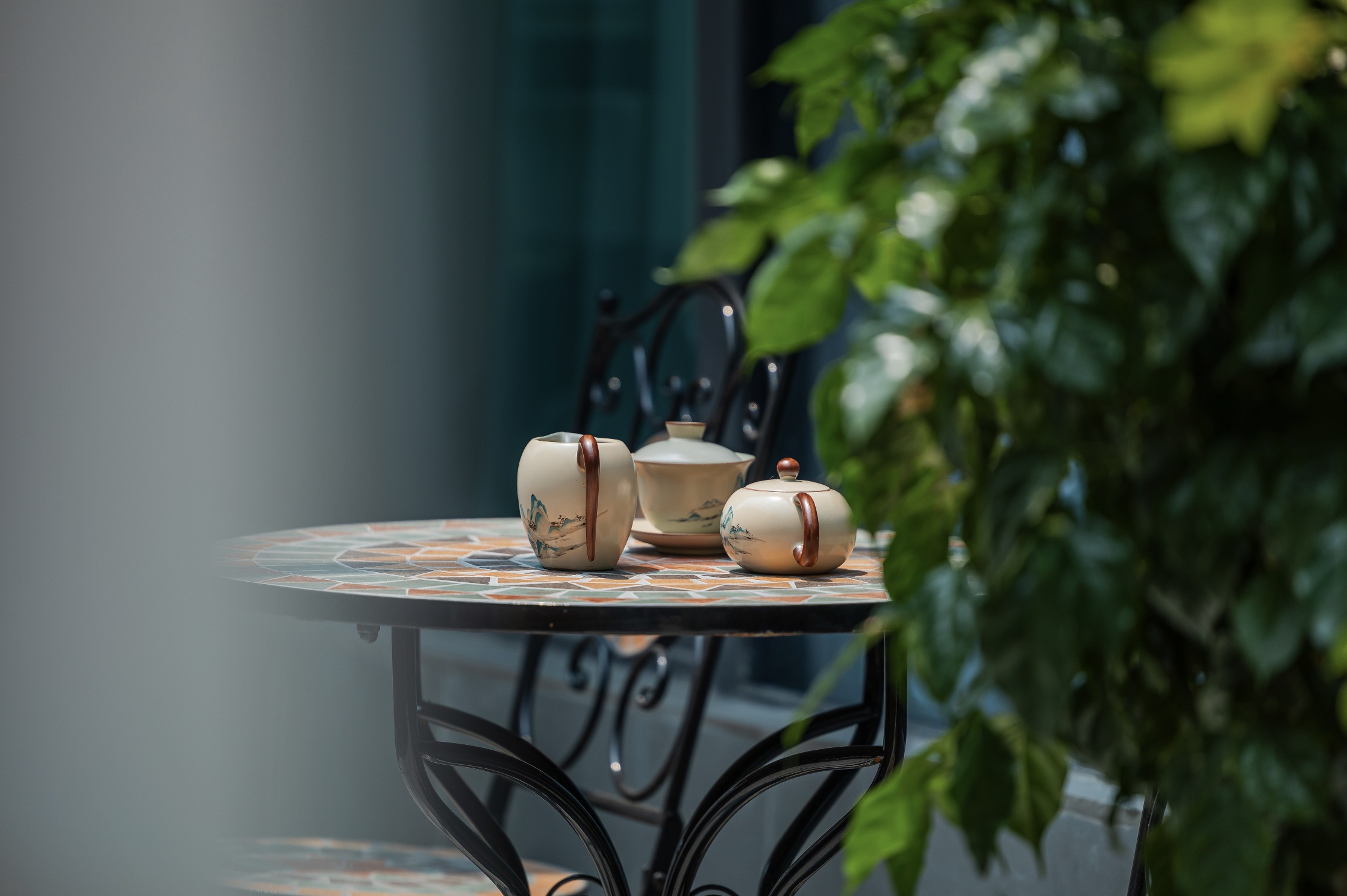
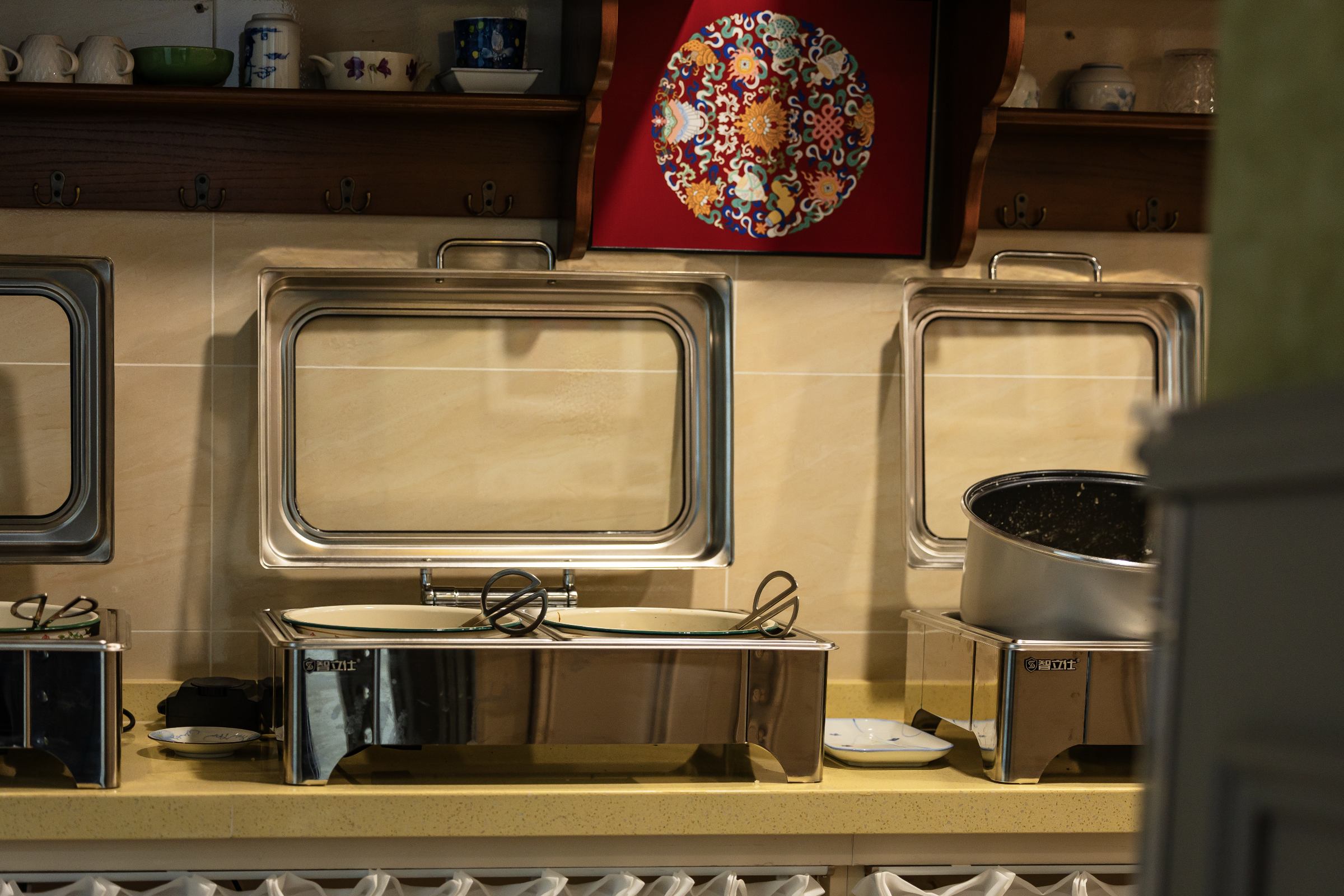
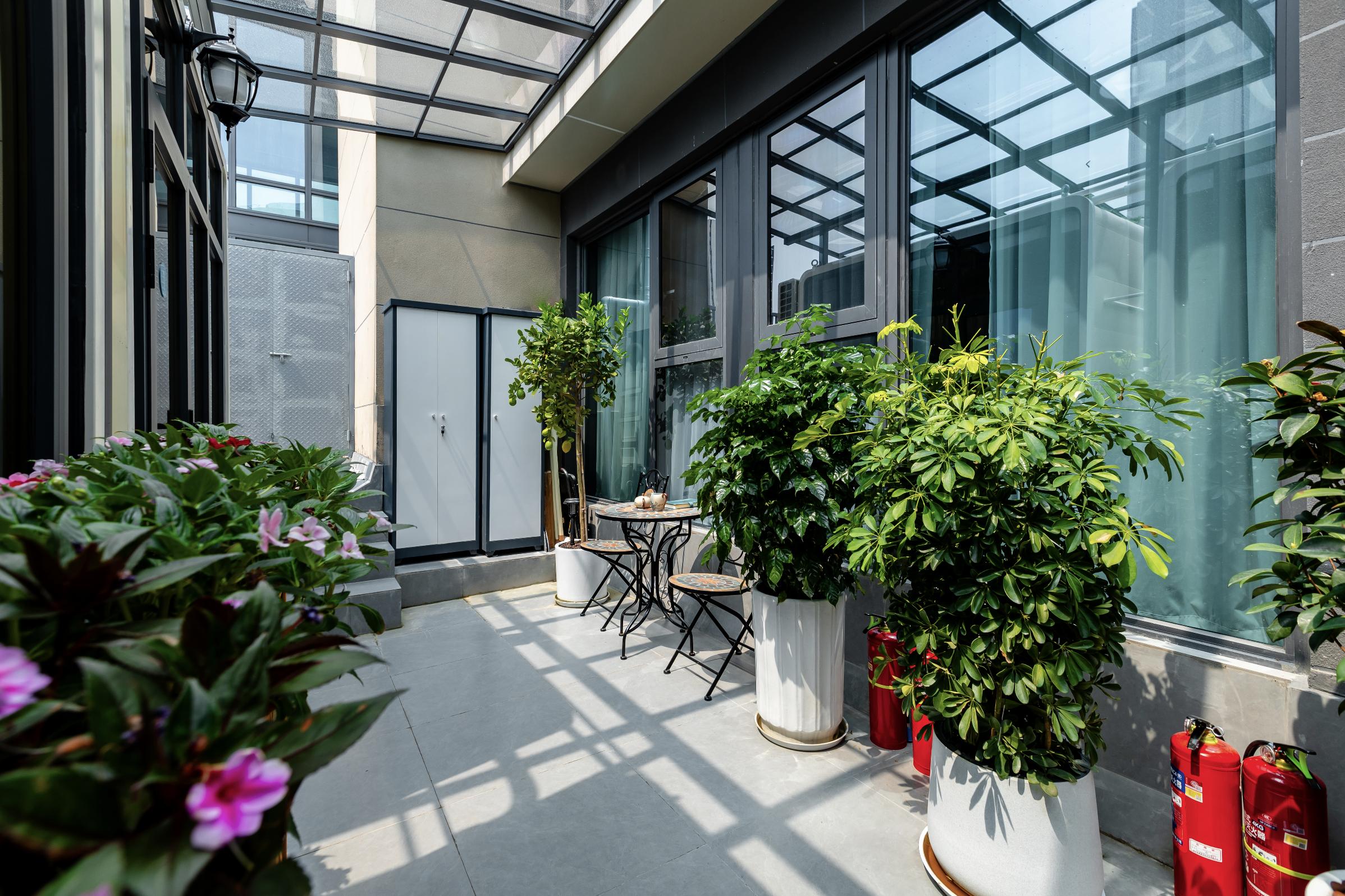
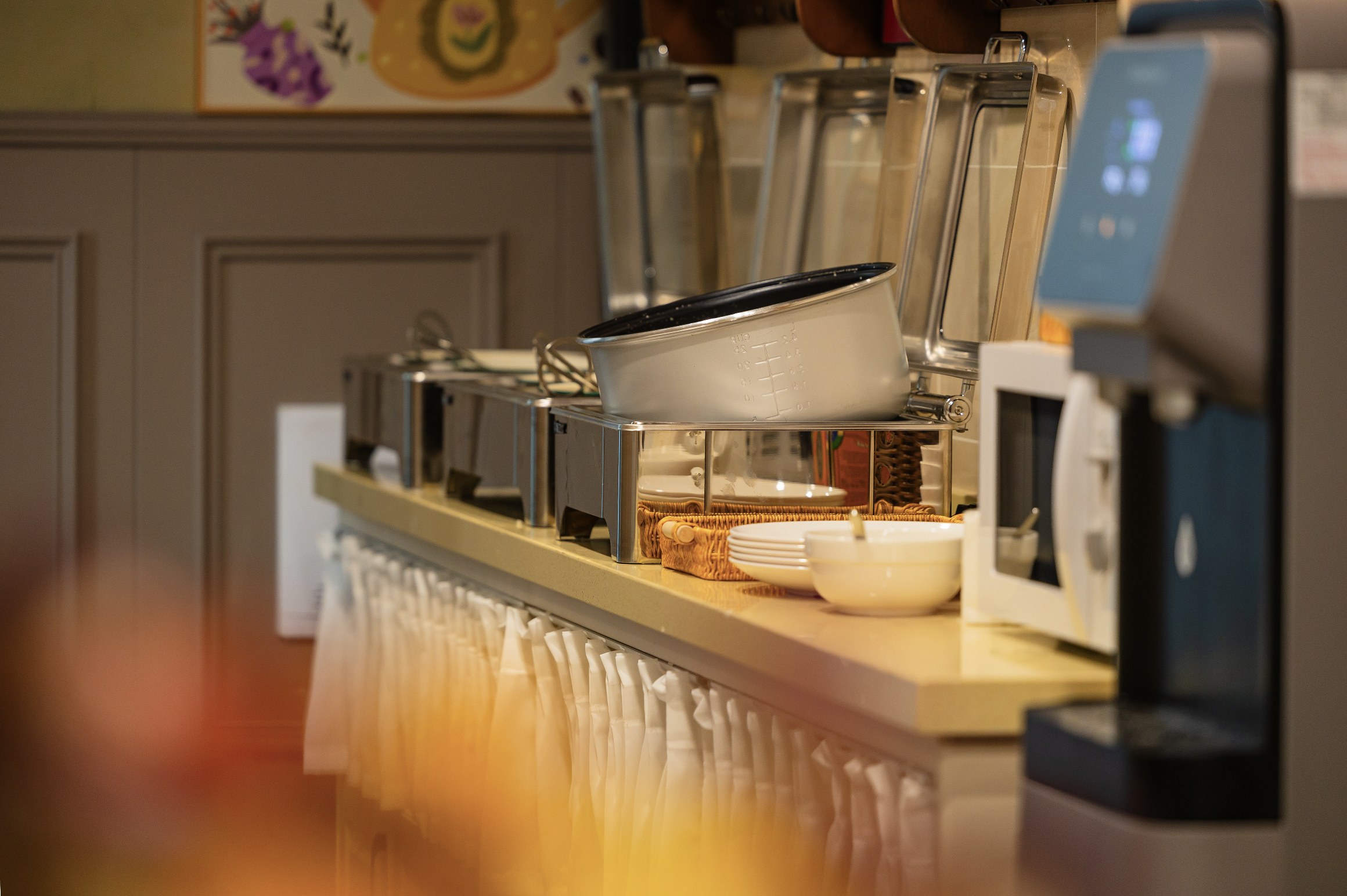
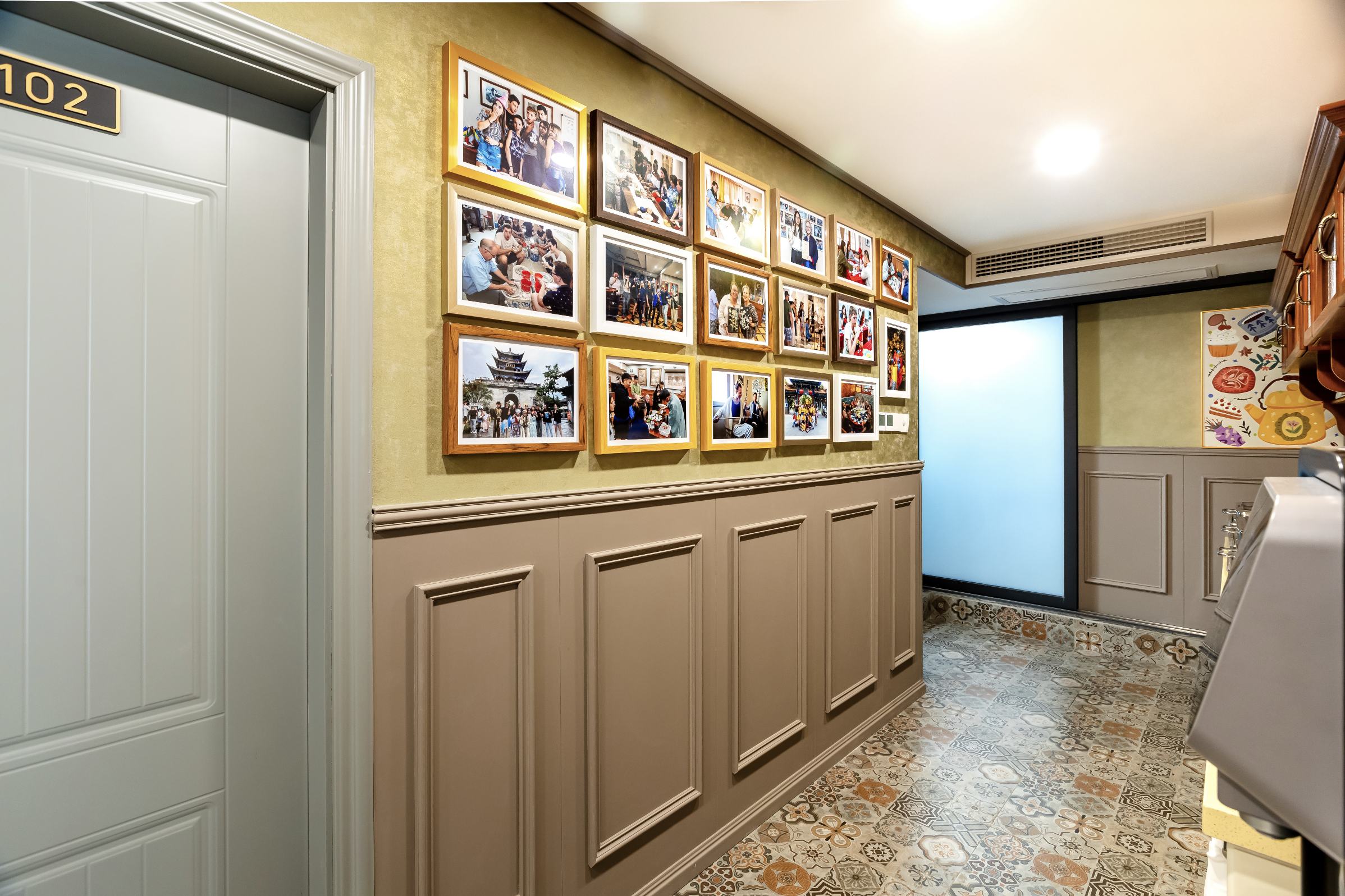
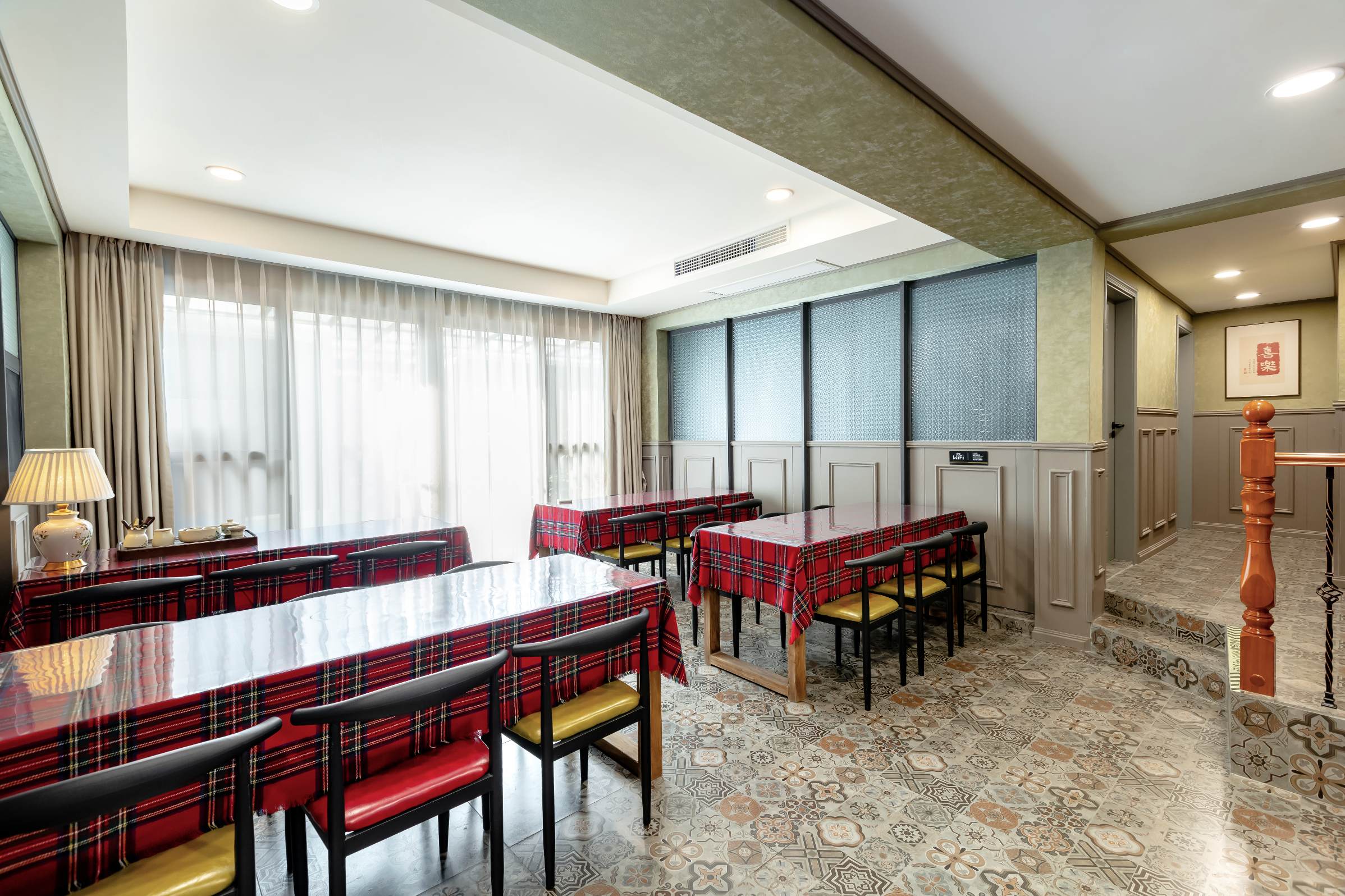
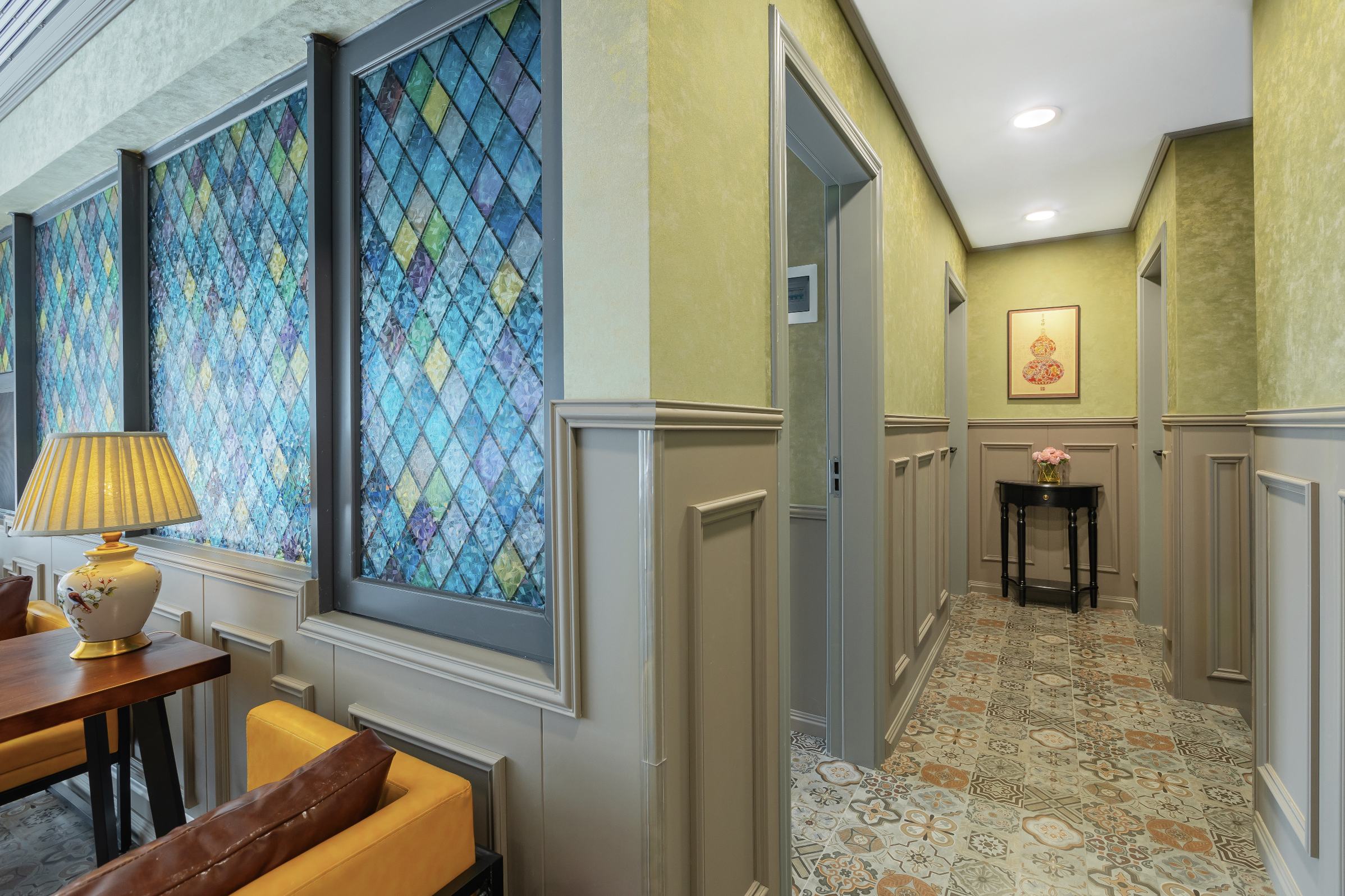
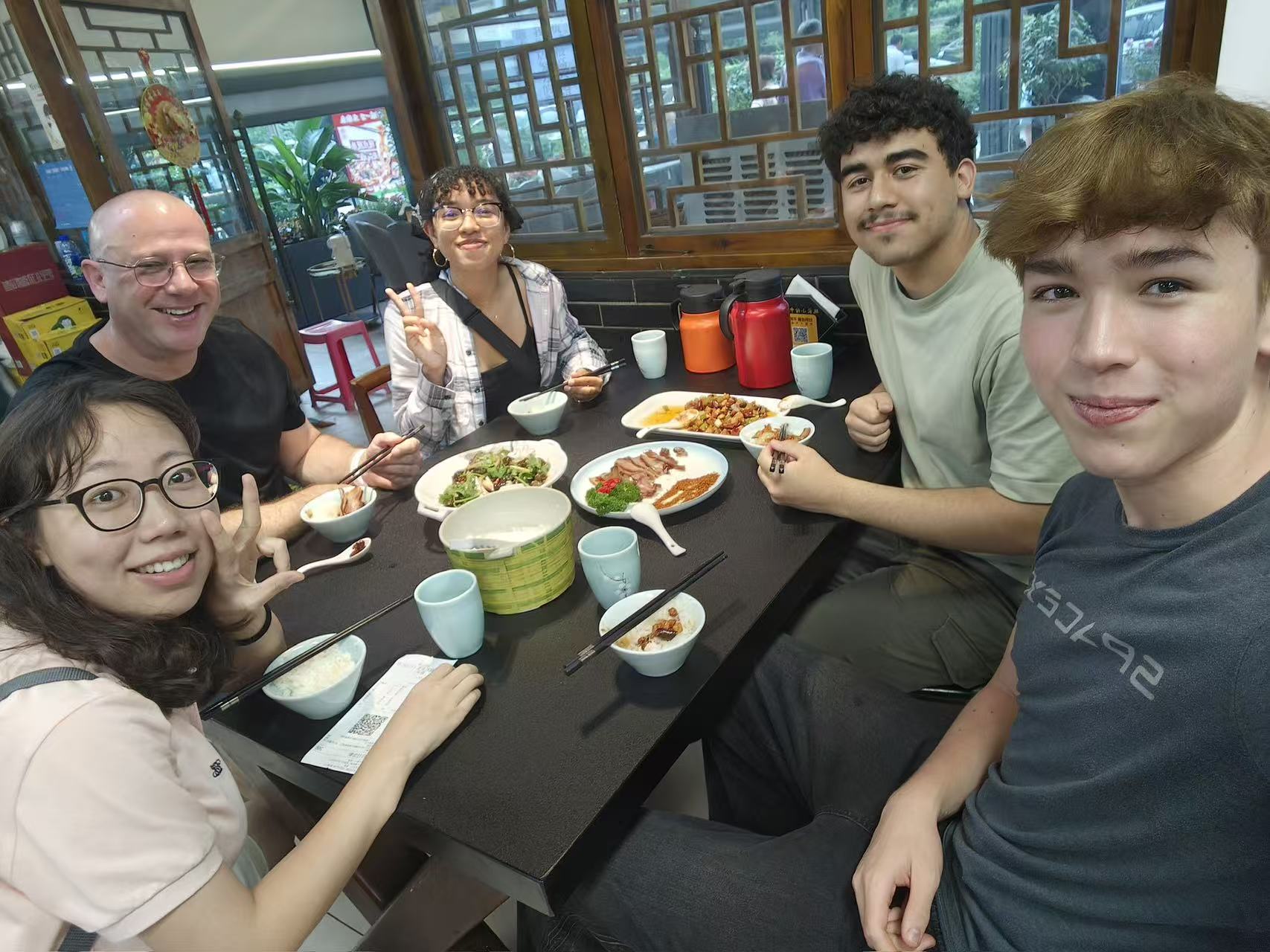
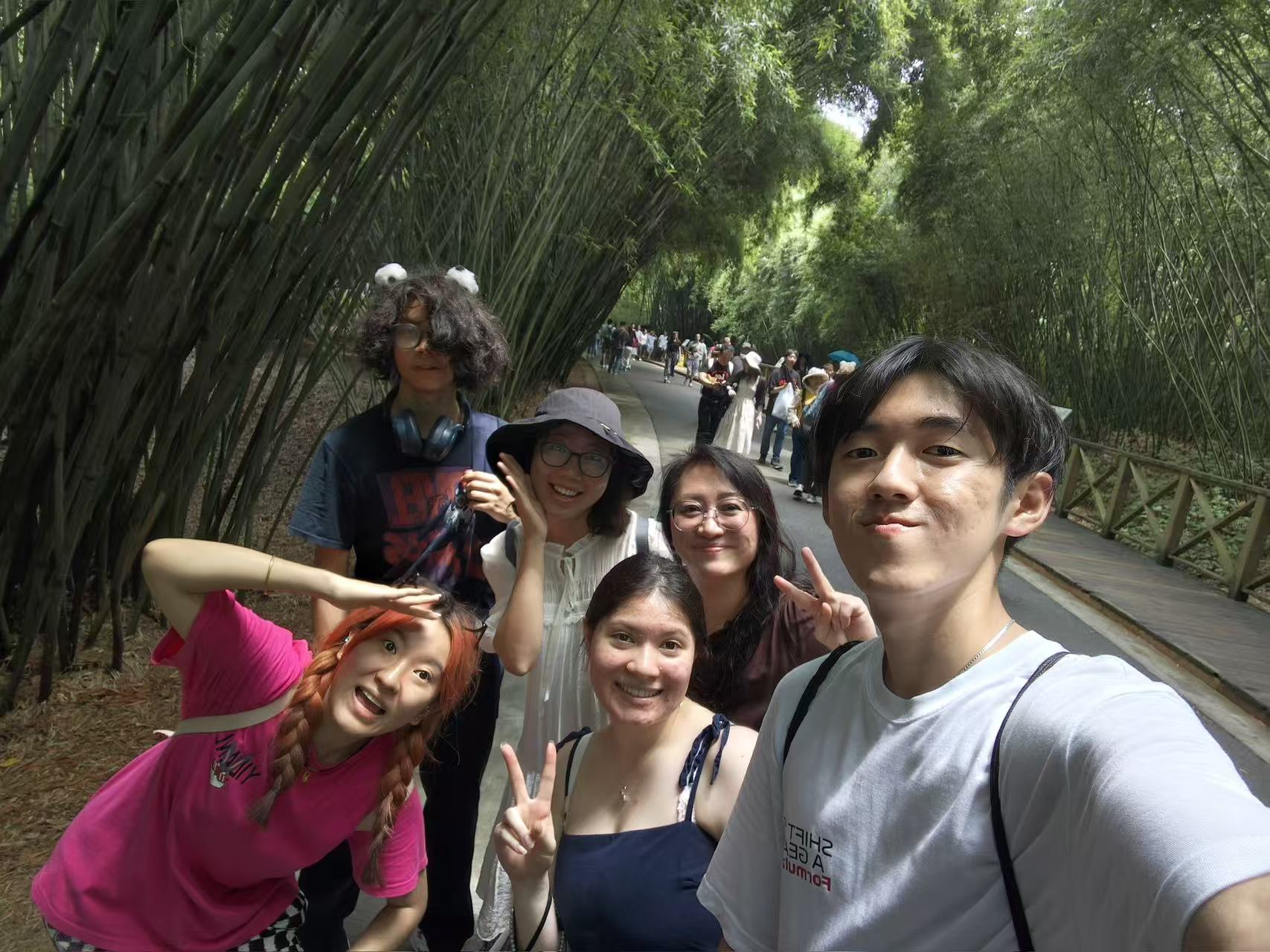
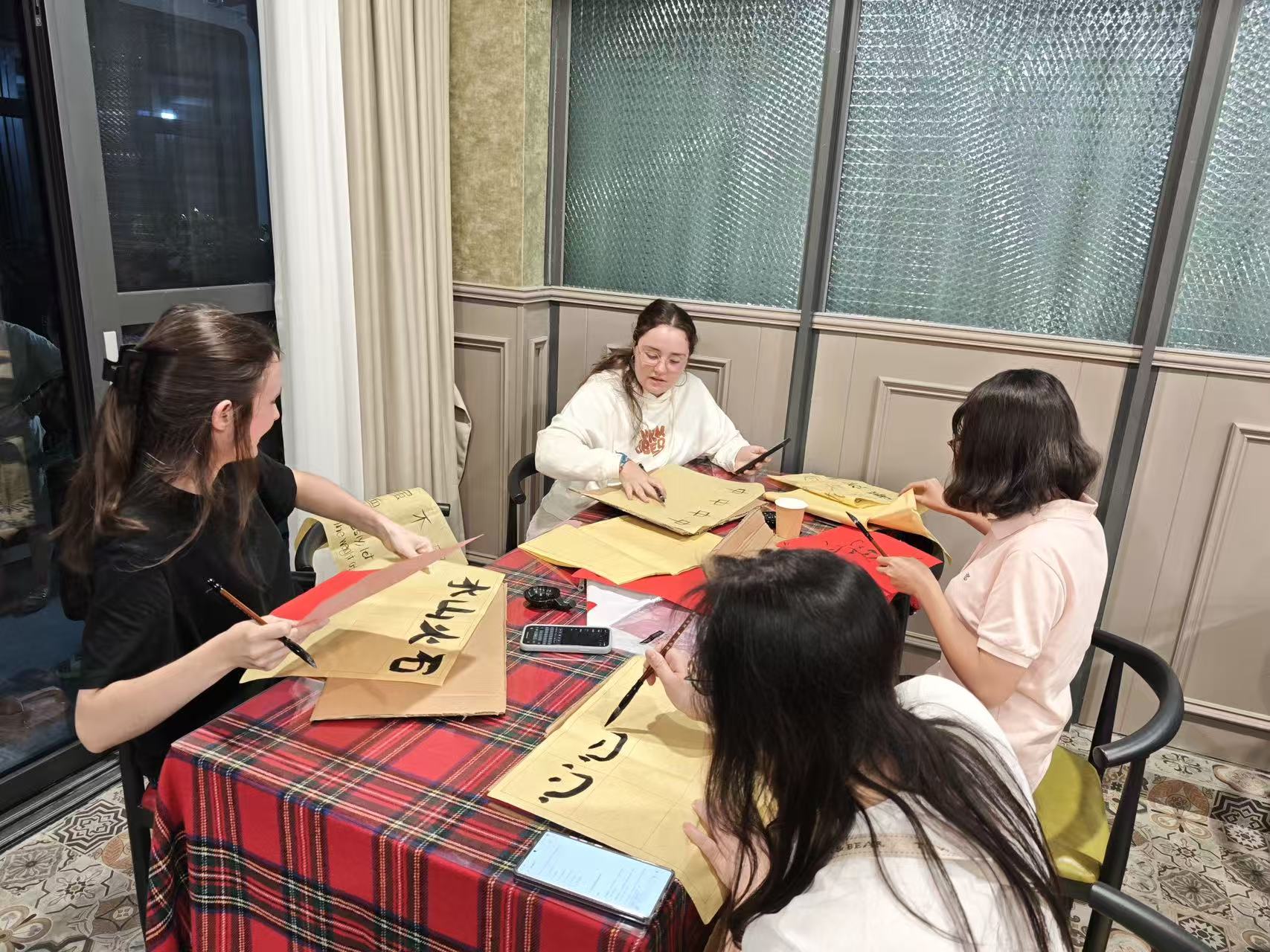
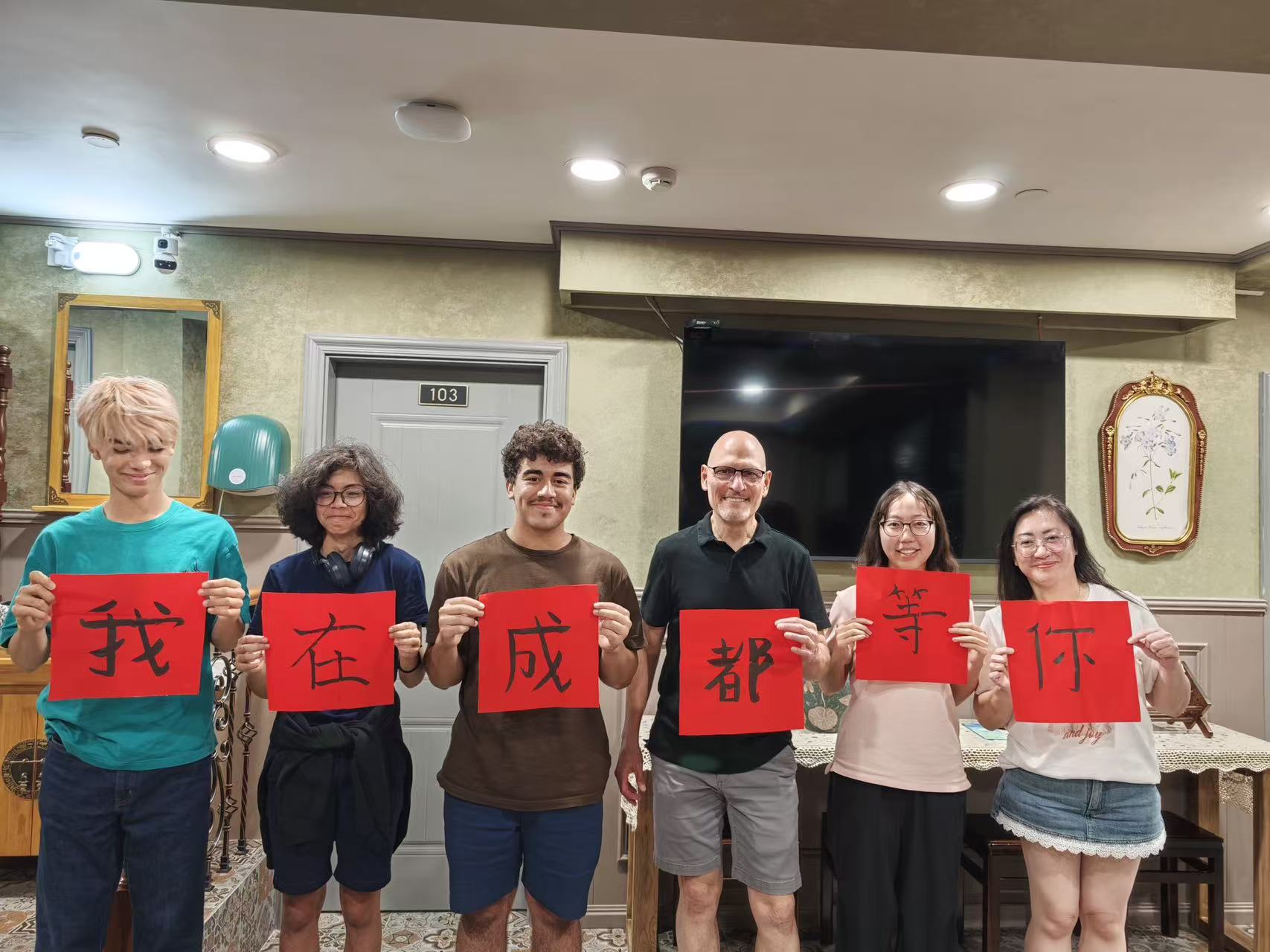
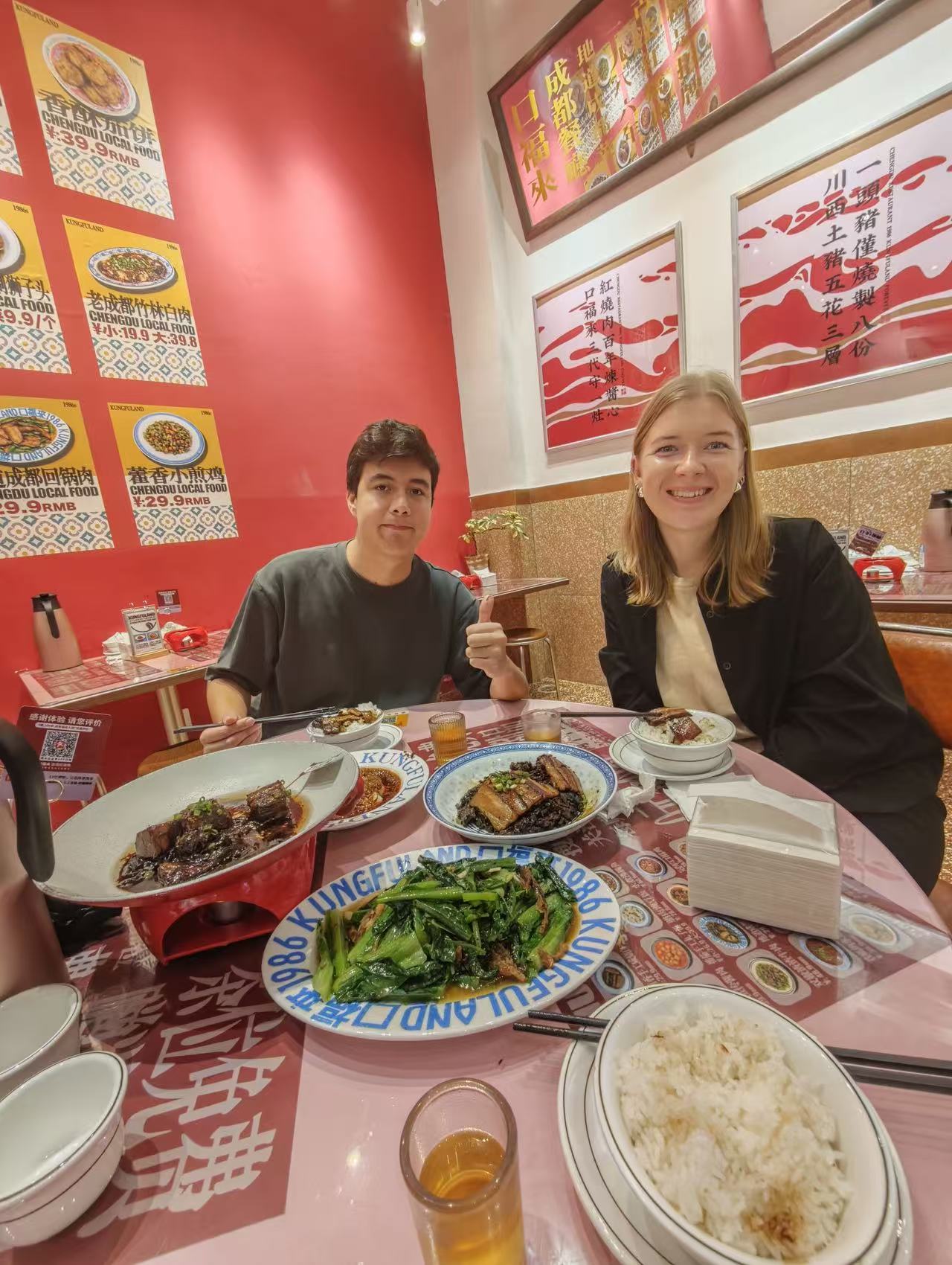
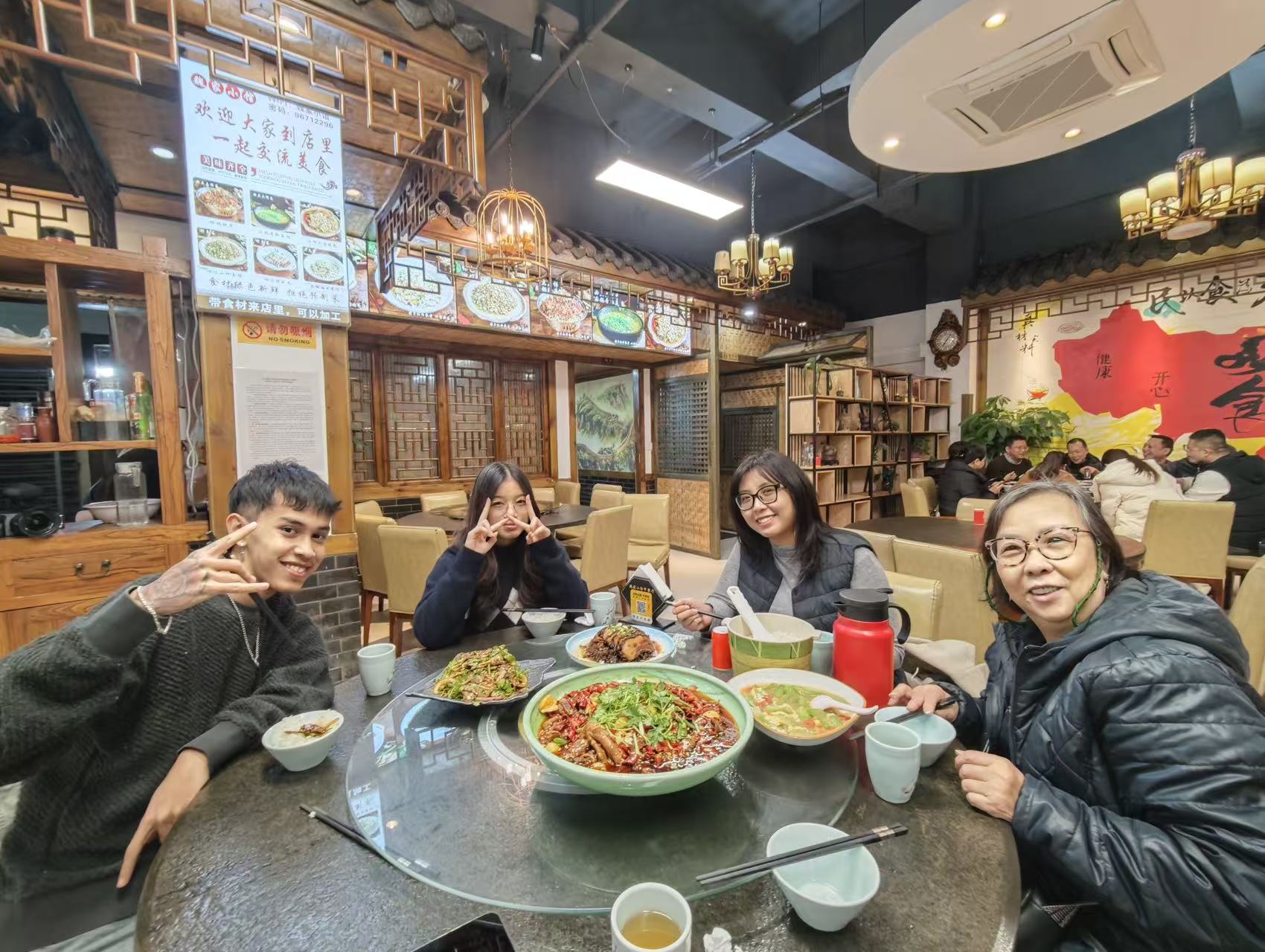
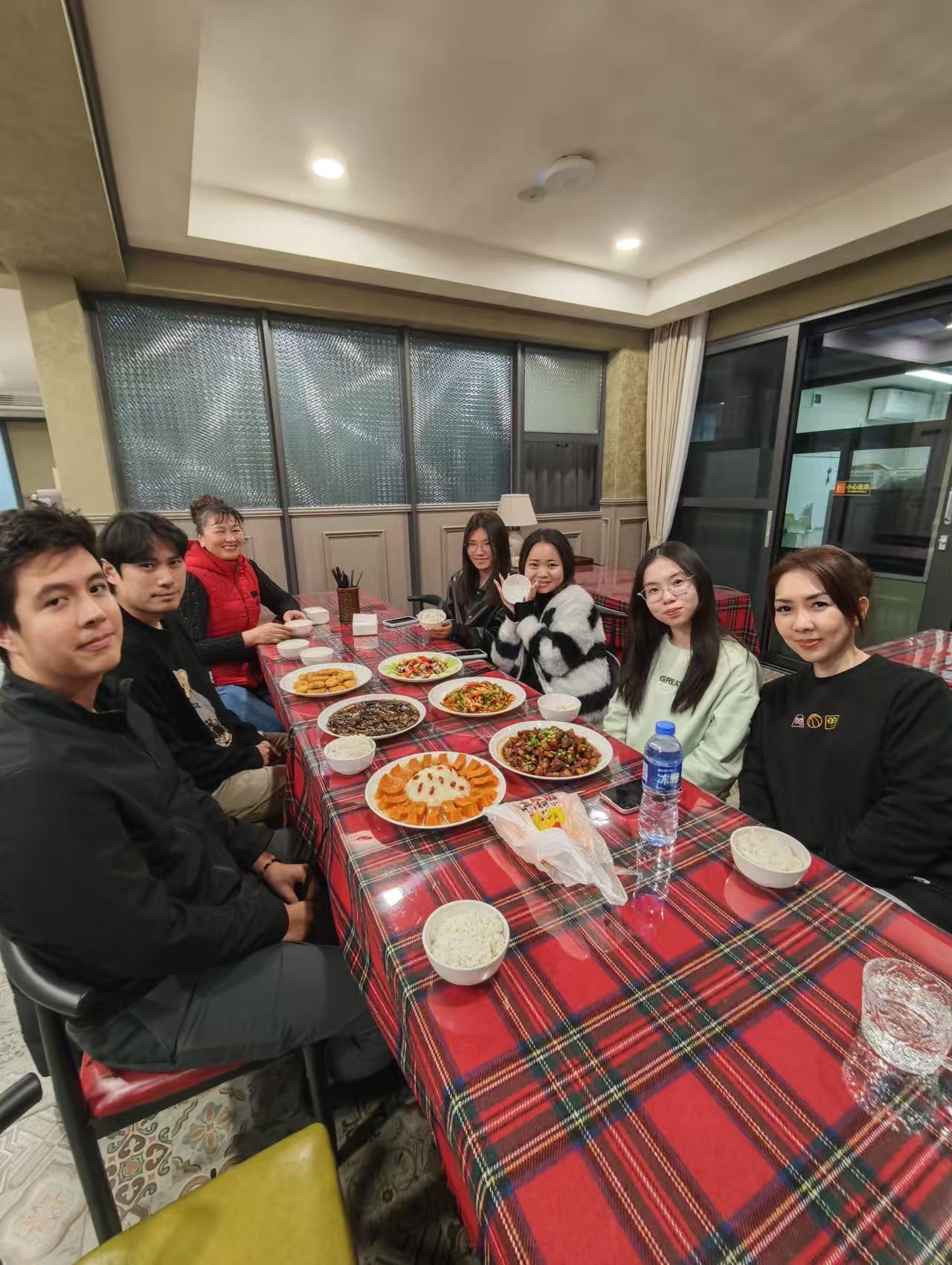
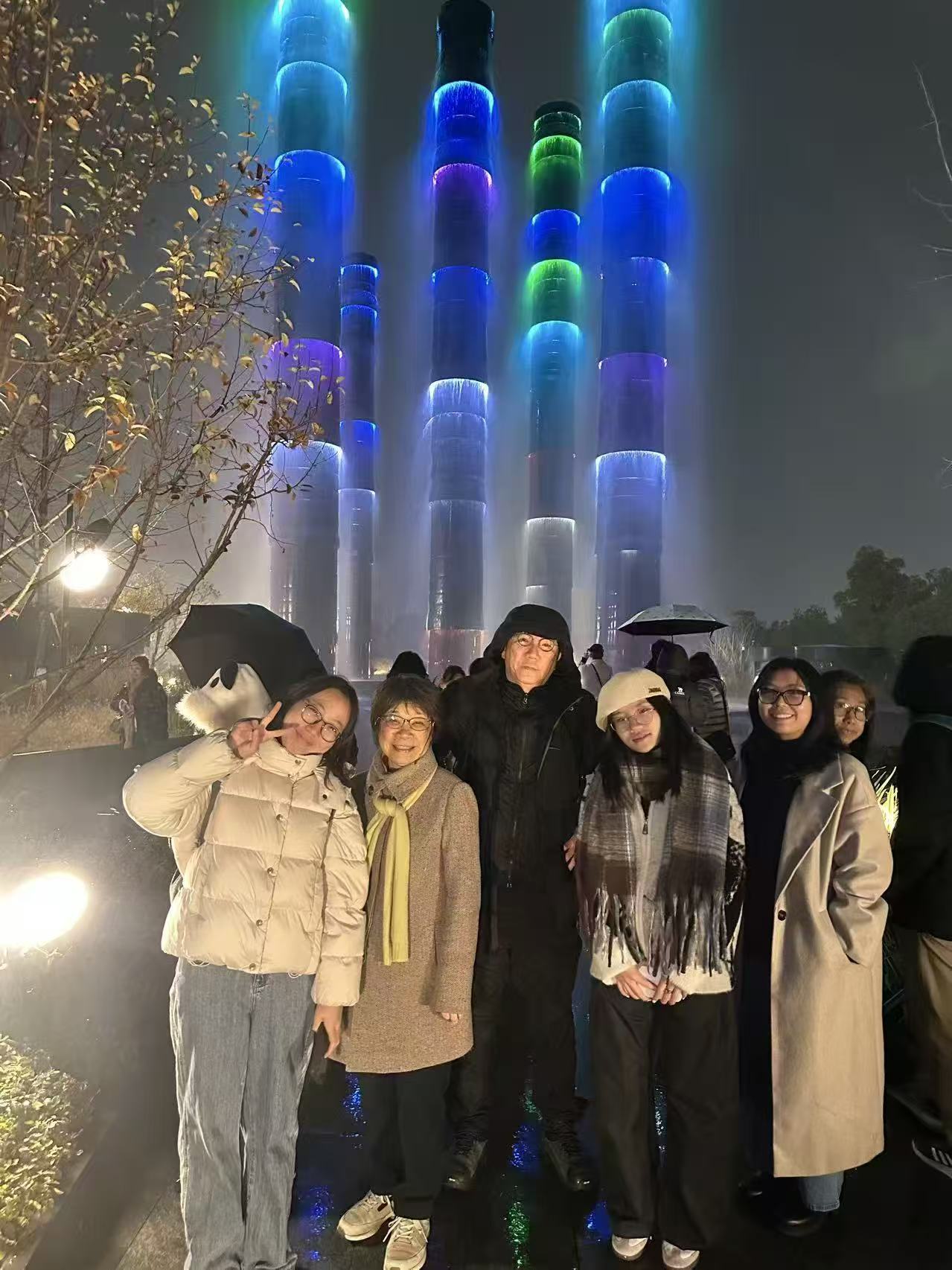
Keats Chengdu Campus and Lots of Fun
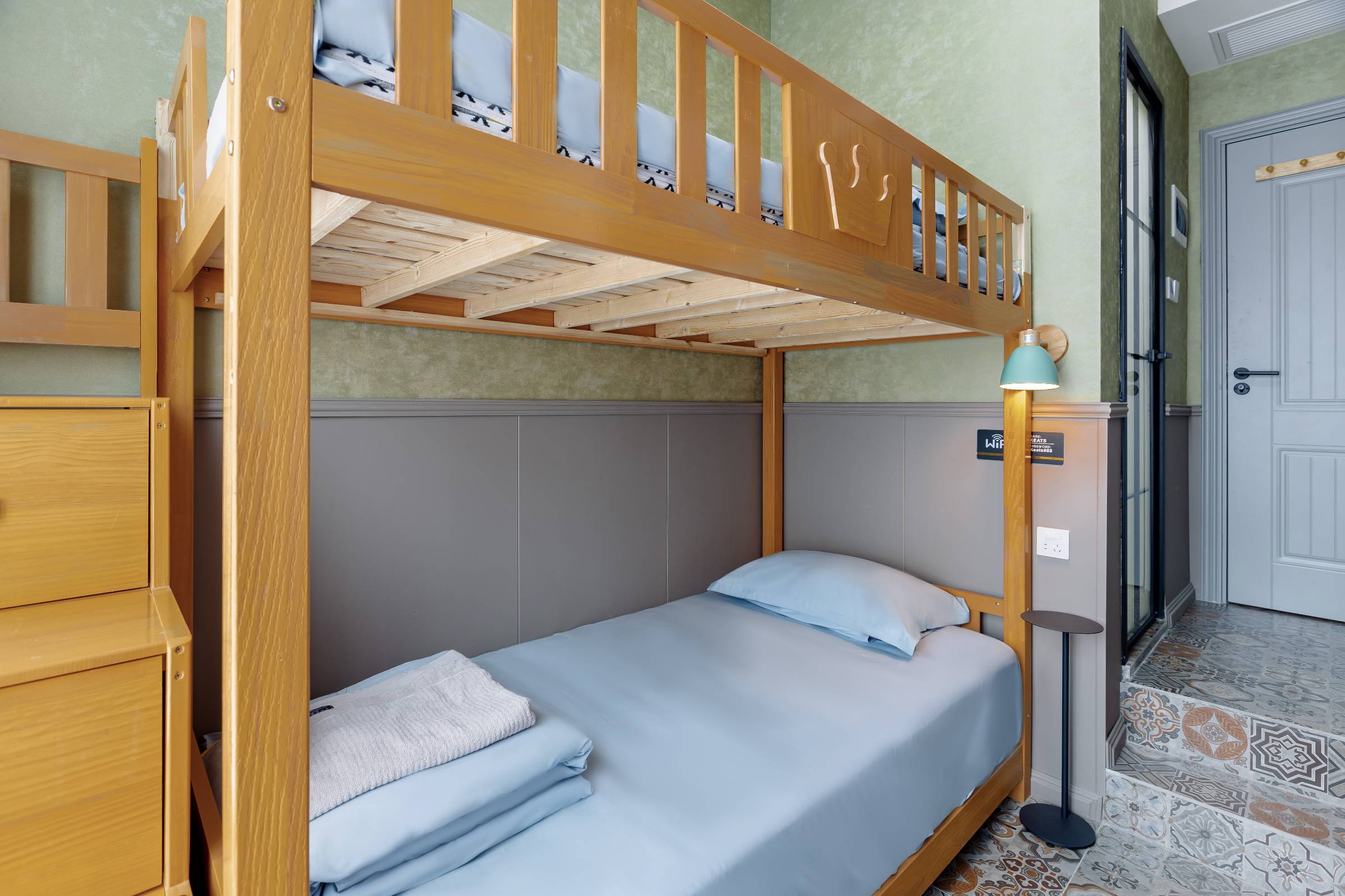
Single Room with Private Bathroom




Why learn Chinese in Chengdu?
Learning Chinese in Chengdu offers a unique blend of advantages that make it an ideal destination for Chinese language students. Unlike the fast-paced environments of Beijing or Shanghai, Chengdu’s relaxed atmosphere makes learning more enjoyable while offering lower living costs. The city’s limited English usage forces better language immersion, and you can experience both standard Mandarin and the local Sichuan dialect. Chengdu’s rich cultural heritage, world-famous food scene, and friendly locals create an engaging learning environment. As a growing international hub, Chengdu provides practical opportunities to use Chinese in real-world settings while maintaining a perfect balance between modern conveniences and traditional Chinese lifestyle.
Beautiful Chengdu
Learn Chinese in Chengdu, where rich cultural heritage, friendly locals, and a relaxed atmosphere create the perfect environment for mastering the language.







How to Get to Chengdu?
Chengdu has two major airports:
- Chengdu Shuangliu International Airport (CTU) – Located about 20 km southwest of the school, it’s the older airport with domestic and limited international flights. Travel time by car is around 30-40 mins.
- Chengdu Tianfu International Airport (TFU) – Opened in 2021, it’s around 60 km southeast of the school, serving as the city’s new international hub. The drive takes around 1-1.5 hours.
Practical Manual for New Students in Chengdu

Places to Visit in Chengdu – Chengdu Research Base of Giant Panda Breeding
The Chengdu Panda Base is a world-renowned conservation center dedicated to the protection and breeding of giant pandas, one of China’s most beloved national treasures. Located just 18 kilometers from Keats Chengdu, this sprawling park offers you the chance to observe pandas of all ages in a naturalistic environment. From playful cubs to adult pandas munching on bamboo, the base provides an unforgettable experience for animal lovers. The facility also features red pandas, educational exhibits, and a museum showcasing panda conservation efforts. It’s a must-visit for anyone wanting to see these gentle giants up close while supporting their preservation.

Places to Visit in Chengdu – Jinli Ancient Street
Jinli Ancient Street is a vibrant pedestrian street that immerses visitors in the charm of Sichuan’s history and culture. Known for its traditional Qing Dynasty-style architecture, the street is lined with shops selling local handicrafts, souvenirs, and Sichuan delicacies. It’s a great place to sample famous snacks like spicy tofu, dumplings, and sweet rice balls. At night, the street comes alive with glowing red lanterns, creating a magical atmosphere. Jinli is also a hub for cultural performances, including shadow puppetry and Sichuan opera. Whether you’re shopping, eating, or simply soaking in the ambiance, Jinli offers a quintessential Chengdu experience.

Places to Visit in Chengdu – Wuhou Shrine (Wuhou Temple)
Wuhou Shrine is a historic temple complex dedicated to Zhuge Liang, the legendary strategist and statesman of the Three Kingdoms period. Located in southern Chengdu, the shrine is surrounded by lush gardens and features ancient statues, inscriptions, and relics that tell the story of this fascinating era in Chinese history. The temple also honors Liu Bei, the emperor of Shu Han, and other key figures from the period. Visitors can explore the tranquil courtyards, admire the intricate architecture, and learn about the legacy of Zhuge Liang. Wuhou Shrine is a must-visit for history buffs and fans of Chinese culture.

Places to Visit in Chengdu – Kuanzhai Alley (Wide and Narrow Alleys)
Kuanzhai Alley is a historic district that blends traditional Sichuan architecture with modern urban culture. The area consists of three parallel alleys: Wide Alley, Narrow Alley, and Well Alley, each offering a unique experience. Wide Alley is known for its traditional courtyards and tea houses, while Narrow Alley features boutique shops and trendy cafes. Well Alley showcases Chengdu’s modern lifestyle with art galleries and bars. The alleys are a great place to enjoy local snacks, shop for souvenirs, and experience Chengdu’s laid-back vibe. With its mix of old and new, Kuanzhai Alley is a favorite spot for both locals and tourists.

Places to Visit in Chengdu – Mount Qingcheng
Mount Qingcheng, a UNESCO World Heritage Site, is one of the most important centers of Taoism in China. Located about 70 kilometers from Chengdu, this lush, forested mountain is known for its serene beauty and spiritual significance. The area is dotted with ancient Taoist temples, pavilions, and caves, making it a peaceful retreat for meditation and exploration. Visitors can hike through scenic trails, take a cable car for stunning views, or visit the Jianfu Palace and Shangqing Palace. The mountain’s tranquil atmosphere and cultural heritage make it a perfect escape from the city and a must-visit for nature and spirituality enthusiasts.

Places to Visit in Chengdu – Dujiangyan Irrigation System
The Dujiangyan Irrigation System, a UNESCO World Heritage Site, is an ancient engineering marvel built over 2,000 years ago. Located about an hour from Chengdu, this system was designed to control flooding and provide irrigation to the Chengdu Plain, and it is still in use today. Visitors can explore the site’s key features, including the Fish Mouth Levee, Flying Sand Weir, and Anlan Suspension Bridge. Surrounded by beautiful mountains and rivers, the area is also a great spot for hiking and photography. The Dujiangyan Irrigation System is a testament to ancient Chinese ingenuity and a fascinating destination for history lovers.

Places to Visit in Chengdu – People’s Park
People’s Park is a lively green space in the heart of Chengdu, offering a glimpse into the city’s relaxed lifestyle. The park is a popular gathering spot for locals, who come here to drink tea, play mahjong, dance, and sing. Visitors can enjoy a cup of traditional Sichuan tea at one of the park’s many tea houses, stroll through the gardens, or take a boat ride on the lake. The park is also home to the Monument to the Martyrs of the Railway Protection Movement. With its vibrant atmosphere and cultural activities, People’s Park is a great place to unwind and experience local life.

Places to Visit in Chengdu - Leshan Giant Buddha
Located about 120 kilometers from Chengdu, the Leshan Giant Buddha is the world’s largest stone Buddha statue and a UNESCO World Heritage Site. Carved into a cliff overlooking the confluence of three rivers, the 71-meter-tall statue was built during the Tang Dynasty to calm the turbulent waters. Visitors can marvel at the Buddha’s immense size from a boat or climb the steep stairs to view it up close. The surrounding area also features temples, pavilions, and scenic hiking trails. The Leshan Giant Buddha is a breathtaking testament to ancient Chinese craftsmanship and a must-see for anyone visiting the region.
Practical Manual for New Students in Chengdu

Cuisine in Chengdu – Sichuan Hotpot 火锅
Sichuan hotpot is a fiery and flavorful dining experience that’s a must-try in Chengdu. Known for its numbing and spicy broth made with Sichuan peppercorns, chili oil, and a variety of aromatic spices, diners cook fresh ingredients like thinly sliced meats, vegetables, tofu, and seafood in the bubbling pot. The experience is highly customizable, with options for milder broths and a wide range of dipping sauces. Hotpot is more than just a meal—it’s a social event that embodies Chengdu’s love for bold flavors and communal dining. Be prepared for a spicy, mouth-tingling adventure that’s quintessentially Sichuan.

Cuisine in Chengdu – Mapo Tofu 麻婆豆腐
Mapo Tofu is one of Chengdu’s most iconic dishes, celebrated for its bold, complex flavors. This dish features silky tofu cubes simmered in a spicy, savory sauce made with fermented bean paste, minced pork, garlic, and Sichuan peppercorns, which create the signature numbing sensation. The name “Mapo” refers to the dish’s origin, attributed to a pockmarked (ma) old woman (po) who created it. Served with steamed rice, Mapo Tofu is a perfect example of Sichuan cuisine’s balance of heat, aroma, and umami. It’s a must-try for anyone looking to experience the authentic taste of Chengdu.

Cuisine in Chengdu – Dan Dan Noodles 担担面
Dan Dan Noodles are a beloved street food in Chengdu, offering a perfect combination of spicy, savory, and nutty flavors. This dish features thin wheat noodles topped with a flavorful sauce made from minced pork, chili oil, Sichuan peppercorns, soy sauce, and preserved vegetables. Often garnished with crushed peanuts or sesame paste, the noodles are tossed together before eating, creating a rich and aromatic dish. Originally sold by street vendors carrying poles (dan dan), the dish has become a staple of Sichuan cuisine. It’s a quick, affordable, and delicious way to experience Chengdu’s culinary heritage.
FAQ
How to Get to Chengdu?
You can take a flight that directly goes to Chengdu Tianfu International Airport.
Chengdu Tianfu International Airport, opened in June 2021, is China’s newest major international aviation hub. Located in Jianyang, about 50km from downtown Chengdu, it’s one of the largest airports in China. The airport features three runways, two terminals, and can handle up to 60 million passengers annually. It’s connected to downtown via high-speed rail and expressway. The airport’s design incorporates elements of Sichuan culture, including the sunbird motif. Along with Shuangliu Airport, it makes Chengdu the third Chinese city with two international airports, after Shanghai and Beijing.
What's the year around temperature in Chengdu?
Unlike the scorching summers of Beijing or the freezing winters of Shanghai, Chengdu offers you a uniquely comfortable climate year-round. Here’s why you’ll love it:
✨ Mild Winters: Forget heavy winter coats! Our winters are gentle, rarely dropping below 5°C (41°F)
🌸 Pleasant Summers: While other Chinese cities swelter, Chengdu stays relatively comfortable around 30°C (86°F)
☔ Natural Air Conditioning: Our famous “Fog City” atmosphere keeps things cool and mysterious
🍃 Extended Spring & Autumn: Enjoy longer periods of perfect weather for outdoor activities
Perfect for:
- Year-round outdoor dining
- Leisurely tea house culture
- Panda watching any season
- Street food exploration
- Garden and park visits
Come to Chengdu – where every season welcomes you with comfort!
What does the tuition fee include?
The tuition fee includes:
- 4/6 hours of one-on-one Chinese lessons per day Monday to Friday
- Accommodation (A clean and safe single room with private bathroom)
- Program Certificate
We also offer a list of free services for studying in Chengdu:
- 3 meals a day Monday to Friday (Chinese food)
- Airport pick-up and drop-off
- Internet access use without limit
- Tuesday market night & Wednesday Chinese cultural seminars/DIY classes
- Saturday excursions
- Laundry
- A tour of the surroundings (bank, supermarket, post office etc.)
- Medicine for minor illnesses
- Advisors available to offer help
- 24/7 support
- Access to The Chairman’s Bao online learning platform
- Visa application assistance
- Room cleaning once a week
LEARN CHINESE IN CHINA WITH KEATS
Rients's Story at Keats
Kunming, My Second Hometown
OVER 10000+ STUDENTS
HAVE STUDIED AT KEATS
I’ve had an amazing time at Keats. I am amazed at how much I’ve learned over the last 3 weeks and I will be really sad to go. We are already planning on our next trip of coming back because we had such a fantastic time here. They really tailor the Chinese language course to you and your individual needs.
Listening and speaking in the classroom every day has improved my communication skills. After three weeks, my new words and sentences became more and more natural and fluent. Now I am used to thinking in Chinese, and I understand better what other people say, to be able to have real conversations with other people.
I’ve been at Keats school and Kunming now for one month doing the one-on-one Chinese lessons with two different teachers. I really enjoy it. Both of my teachers are very friendly and patient. They really helped me to improve my Chinese, both of my reading and speaking. I really enjoy studying Chinese in Kunming as well. This city is really beautiful and the weather is nice, the air is clean. It’s one of the best cities in China to study Chinese.
Last year I started studying Chinese at University. The reason that I came here is that currently, I’m preparing for the HSK 5 test. Also, I heard that this is one of the best schools to study Mandarin in China. After I came here I realized that Kunming is a pretty cool city to live in and with regards to the teachers’ teaching methods, I think they’re very professional. And I think the language environment is good so now I’m ready to take the HSK 5.
I have really enjoyed the Chinese course in China at Keats and meeting the teachers here and the students. We have a lot of fun in class. It is a really great school to learn with good teaching methods and a really good textbook, examples and games, and everything.
At Keats, I have a lot of opportunities to practice what I have learned. I really like this school, because I can learn Chinese in one-on-one style, so I think this is the best immersion program in China and my teacher is the best teacher. I feel that without my teacher, my Chinese will definitely not improve so much. I’m very happy because, at Keats, I have improved my Chinese significantly.
I found Keats School and I am so glad that I did. When you learn Chinese in China at Keats, you are fully being taken care of. My teacher is really great and we become lovely friends.
I decided to learn Chinese in Kunming because I like smaller cities and I like the climate here. We had four hours a day study here and my dear teacher taught me very much and never lost her patience with me. It was a really wonderful experience to be here and I recommend Keats school and the teachers here to everyone who likes to learn Chinese in China.