Chinese Language Courses in Beijing
Intensive One-on-One Chinese Classes


Intensive One-on-One Chinese Classes
- Personal study plans
- Best teachers and private lessons
- Full immersion experience
- Full services (study + single room accommodation)
- Start on any Monday
Summer Camp in China


Summer Camp in China
- Summer camp in China
- Interesting Chinese language classes
- Chinese cultural lessons + excursions
- Make friends from all over the world
Children Chinese Program

Children Chinese Program
- Summer/Family camp in China
- Interesting Chinese language classes
- Chinese cultural lessons + excursions
- Parents participate in all activities
- Beijing, Kunming, Chengdu, Chongqing
HSK Test Preparation Course

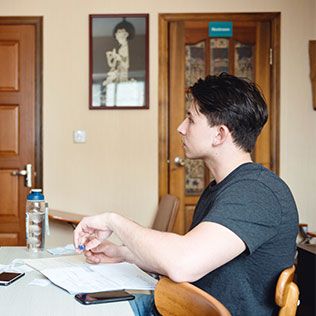
HSK Test Preparation Course
- Start anytime
- HSK experts with years of experience
- Get test scores improved significantly
- Intensive one-on-one Chinese class
- Full services (study + single room accommodation)
Chinese Language Course + Tour in China

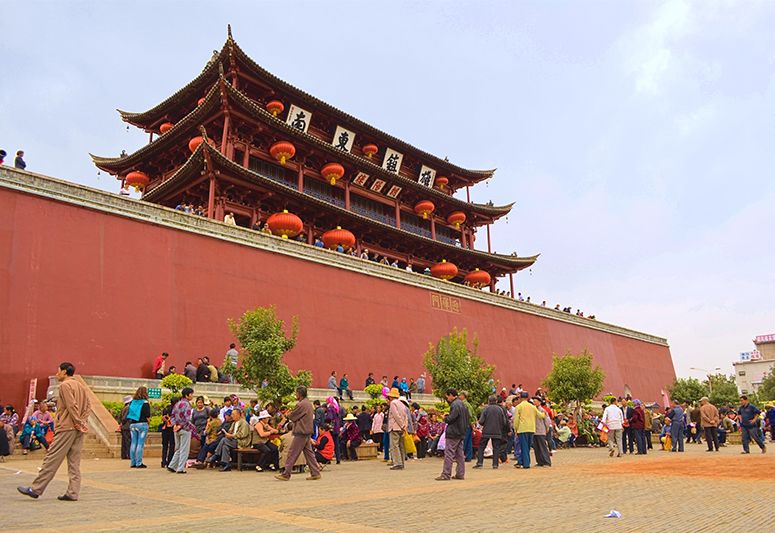
Chinese Language Course + Tour in China
- Private one-on-one Chinese lessons
- Full services (study + accommodation)
- Excursions and tours with your teacher
- Travel to Dali, Lijiang, Shangri-la, Beijing, Xi'an, Guilin, Shanghai, Zhangjiajie, etc.
Study Tour in China (for groups)

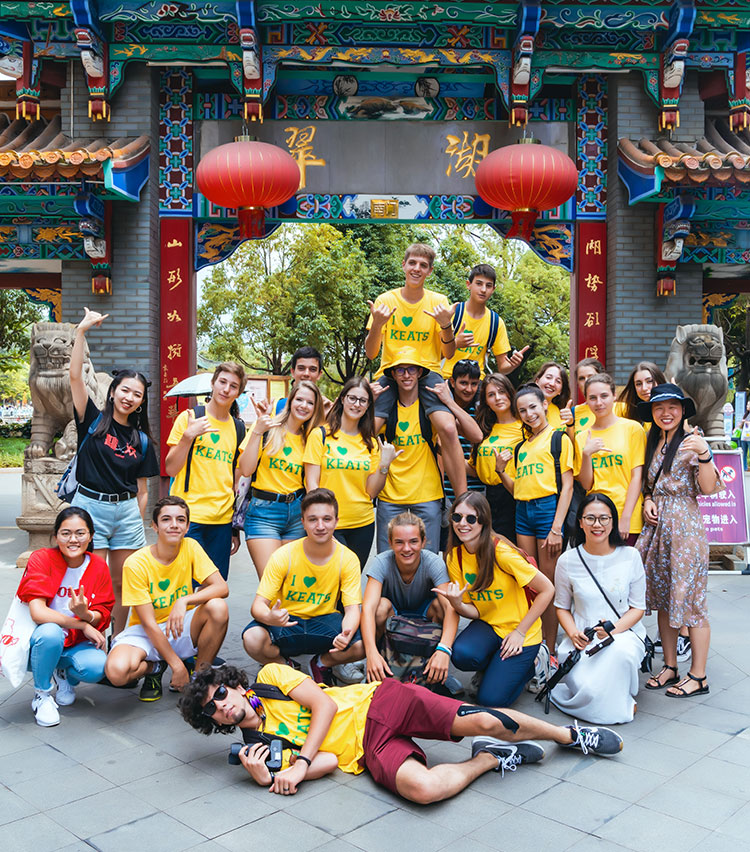
Study Tour in China (for groups)
- Designed for high schools, universities, companies, and organizations
- Chinese course with group activities
- Professional Chinese teachers
- A true Chinese immersion experience
Learn Chinese Online

Learn Chinese Online
- Live 1-on-1 online Chinese lessons
- Learn Chinese online anytime
- Study Mandarin anywhere
- Professional Chinese teachers
- Personal study plans


Intensive One-on-one Chinese Lesson
You can choose to study Chinese in Beijing for 4 hours per day (20 hours/week) or 6 hours per day (30 hours/week). If you want to study Mandarin in China, the intensive one-on-one Chinese course is the fastest way to improve your Chinese.
We use unique teaching methods developed by Keats. Your Chinese teacher(s) will prepare your lessons according to your level of Chinese and your learning goals to ensure that you learn the most Chinese in the shortest possible time.
Hotel accommodation is included.

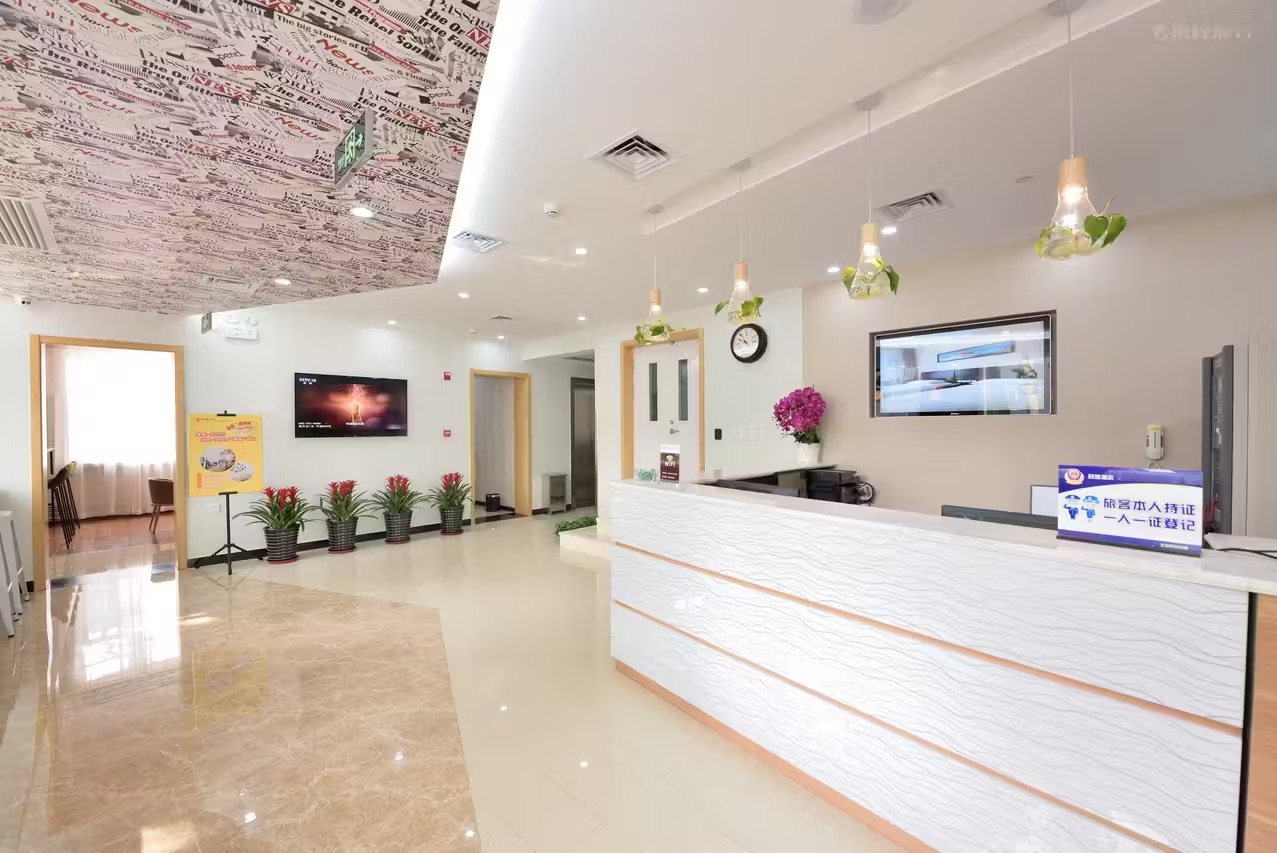
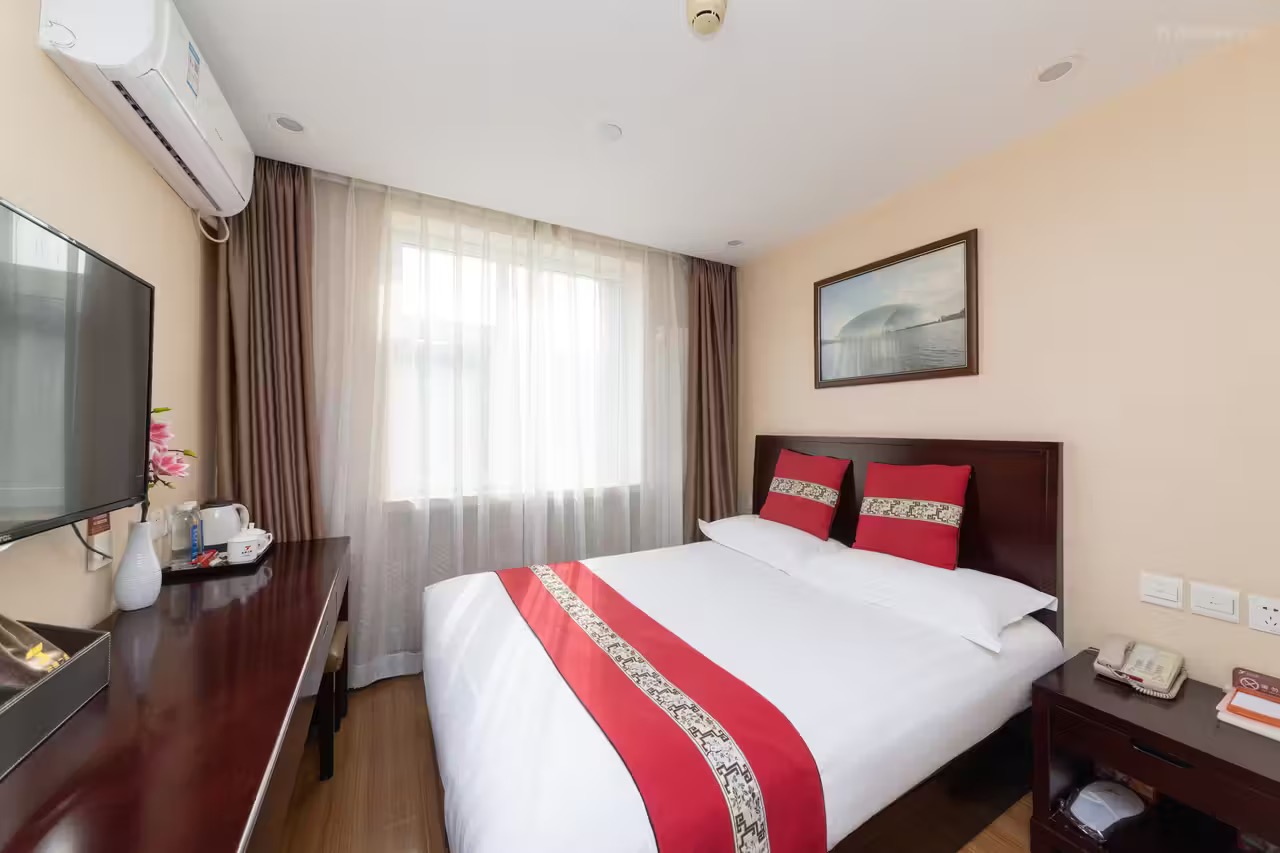
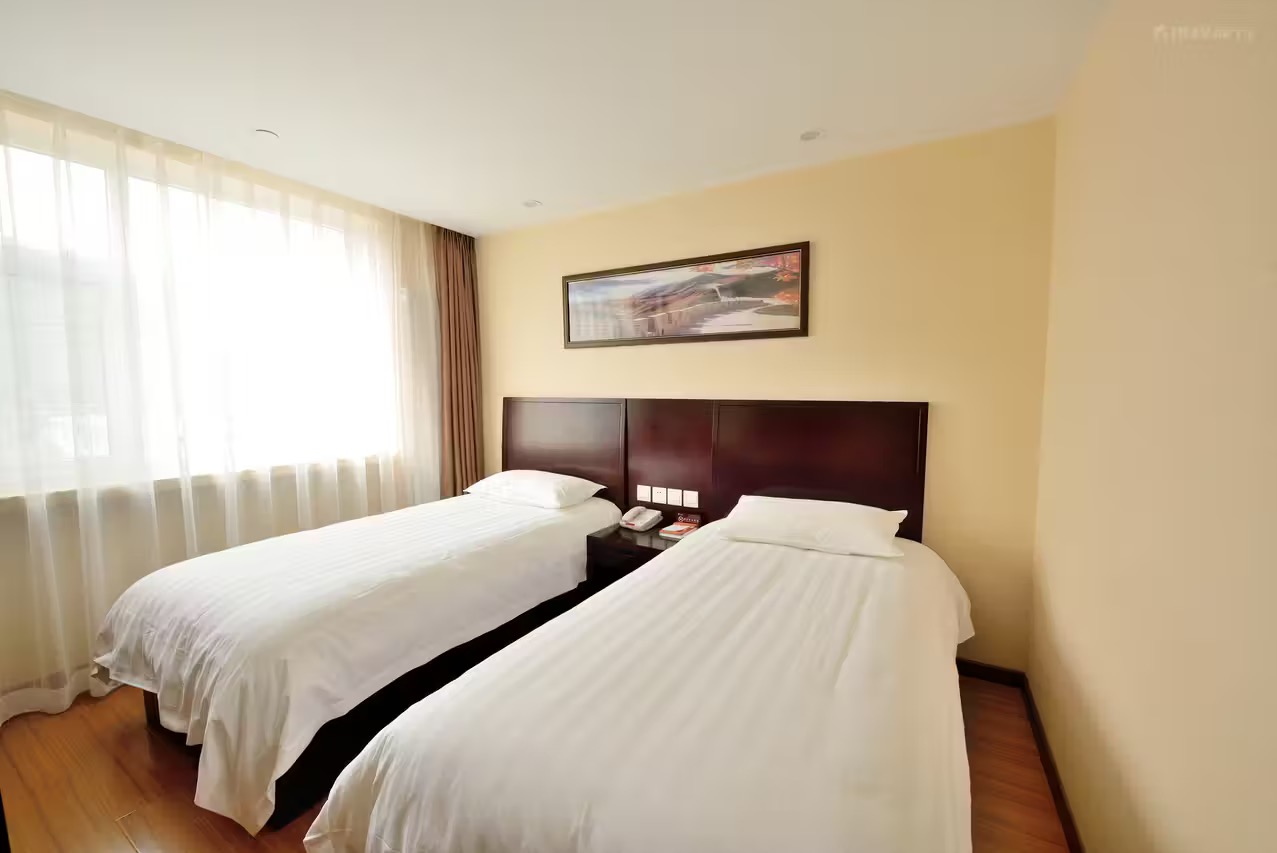
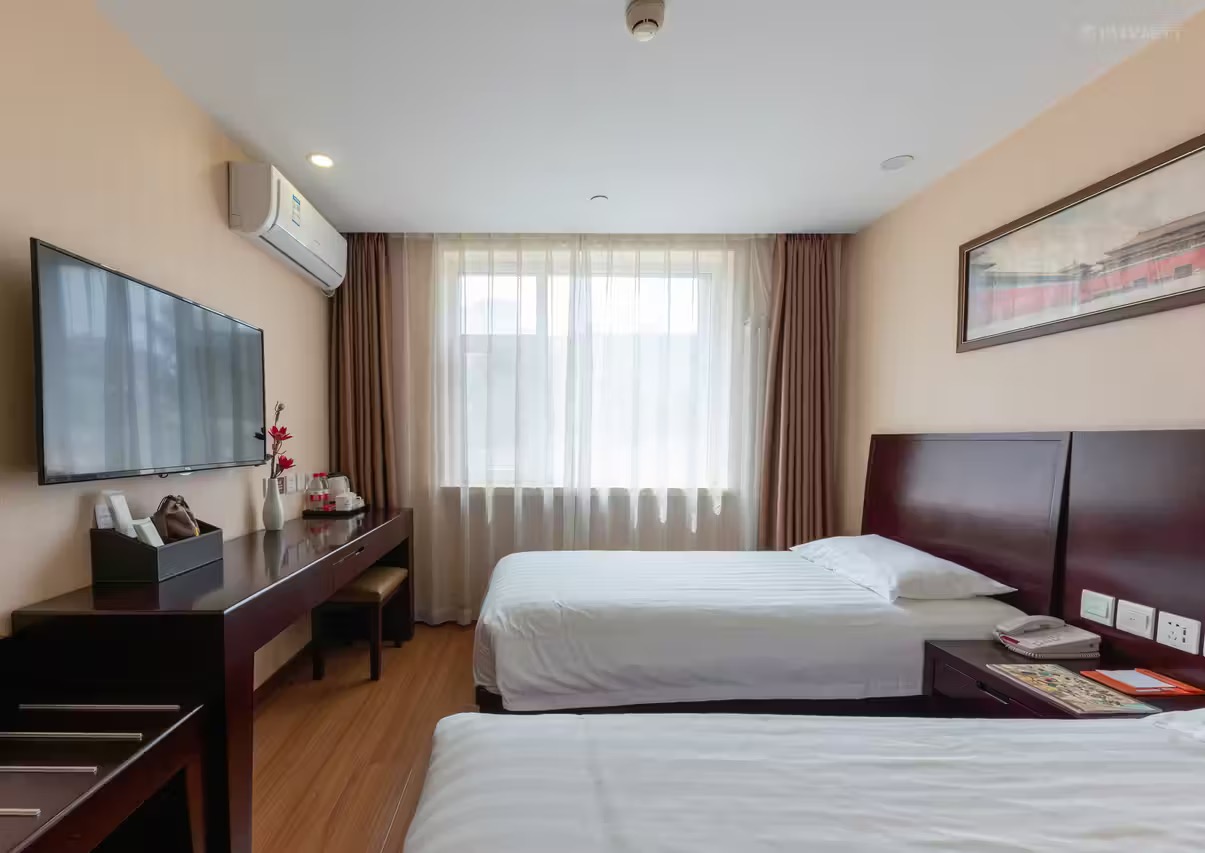
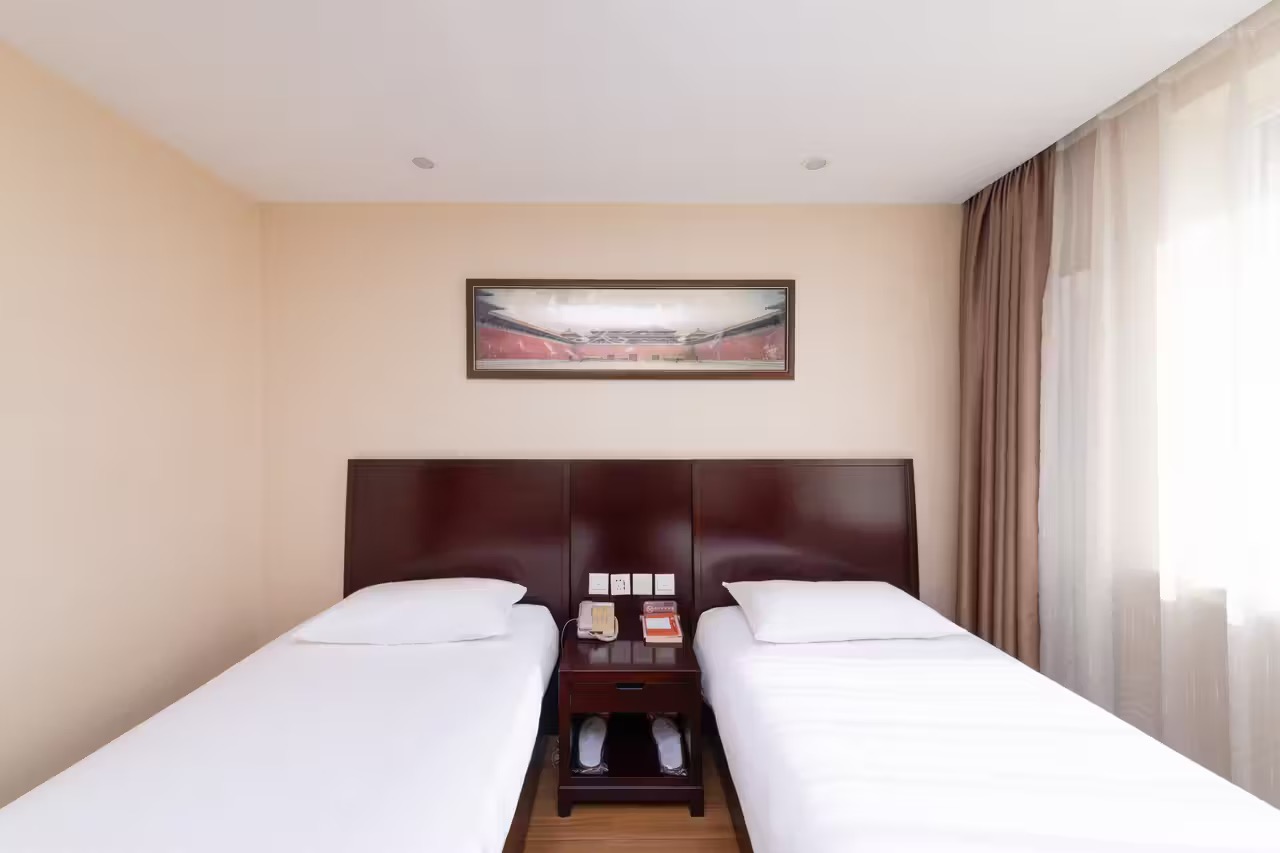
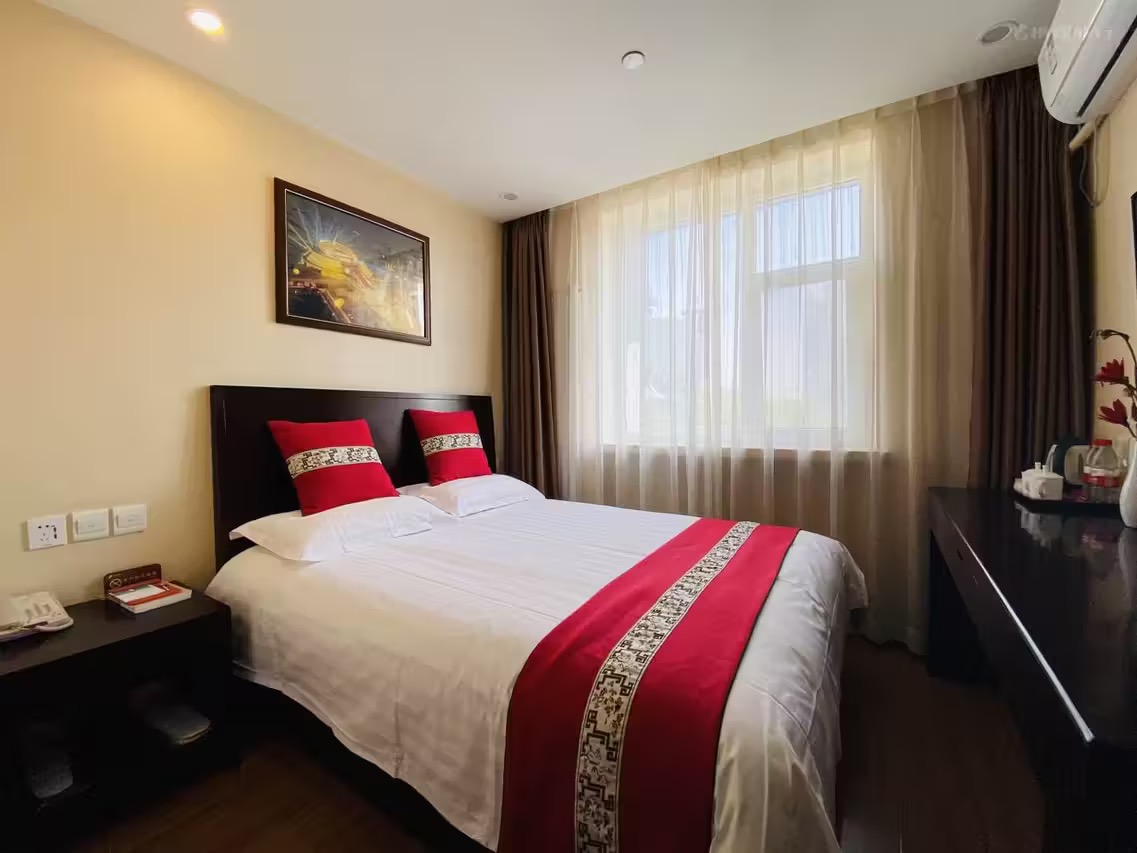
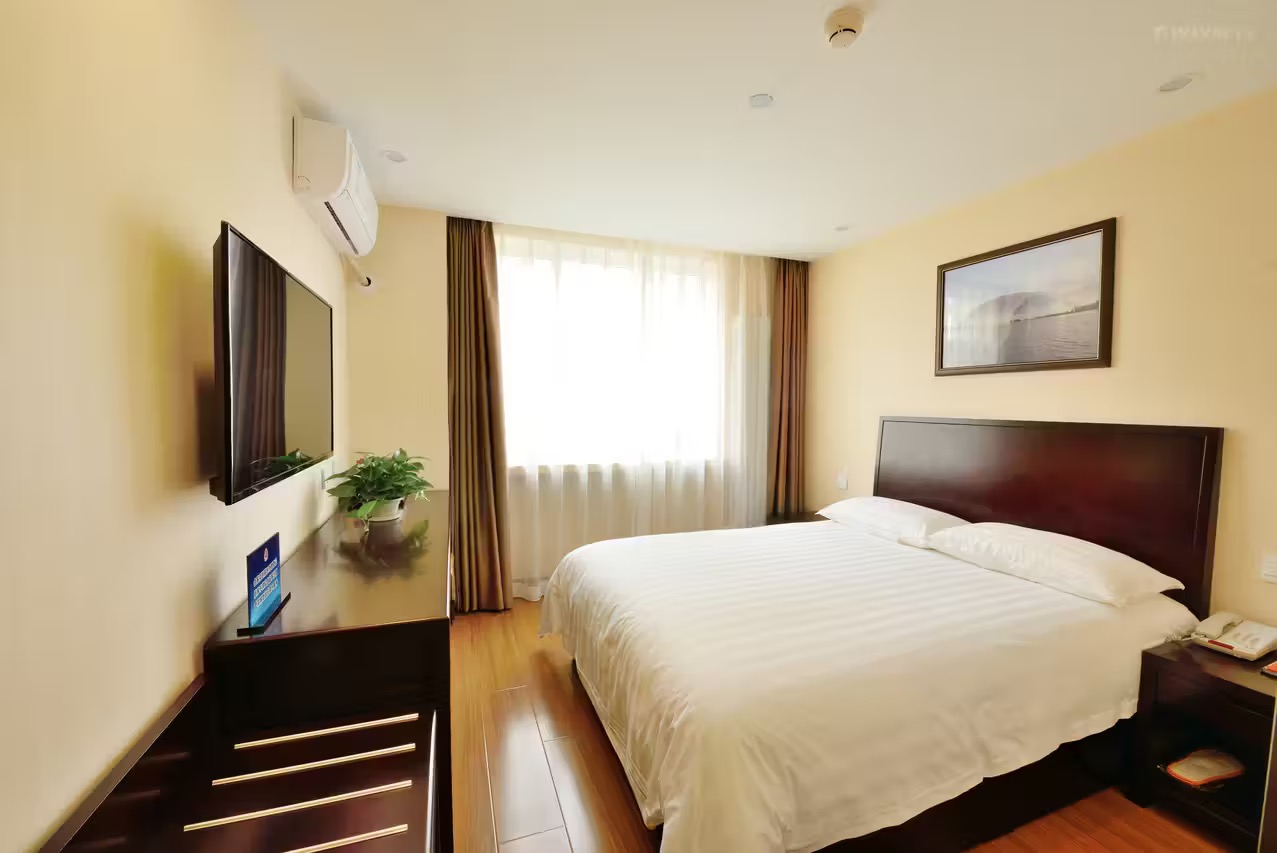
Accommodation in Beijing
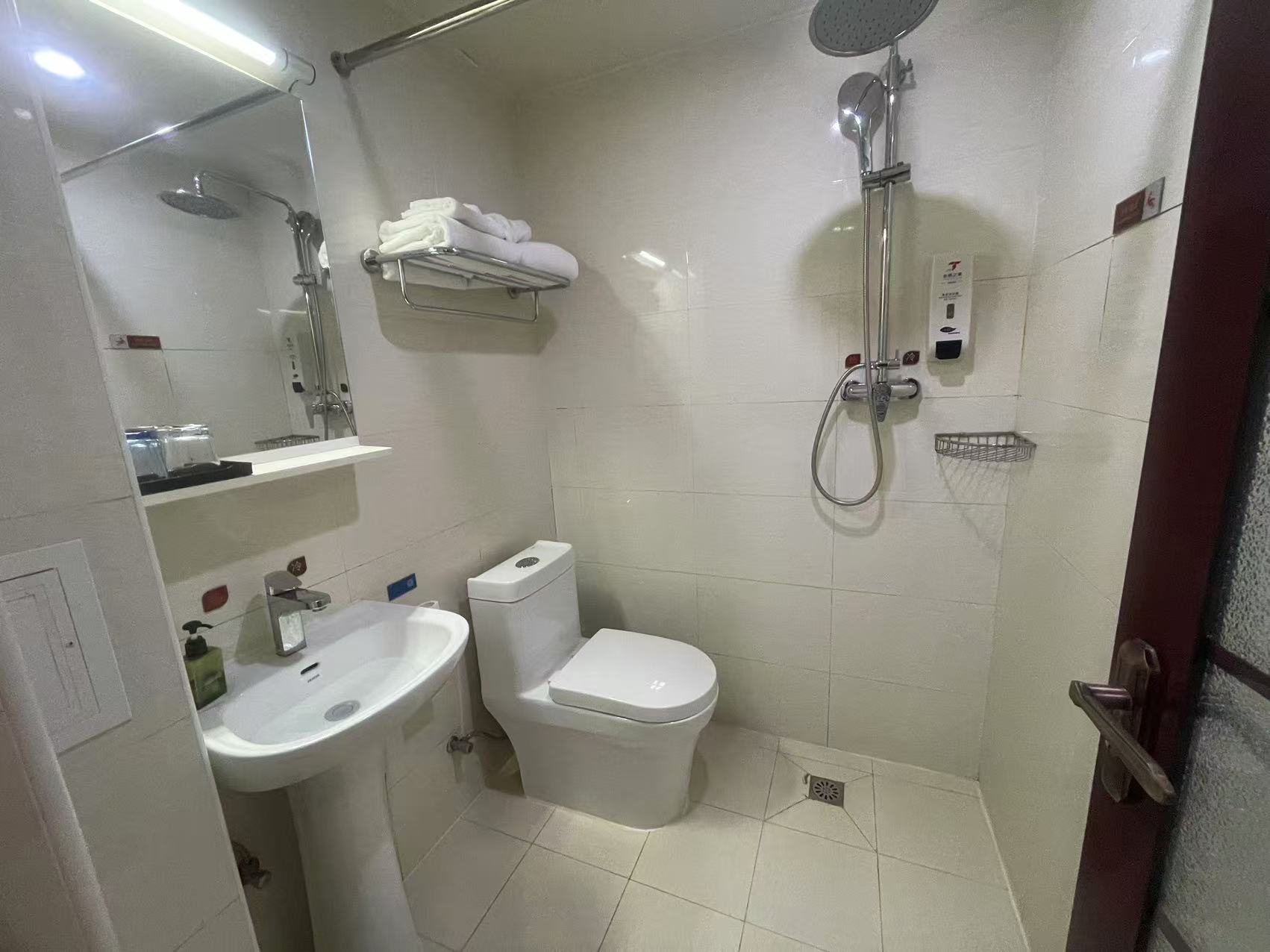
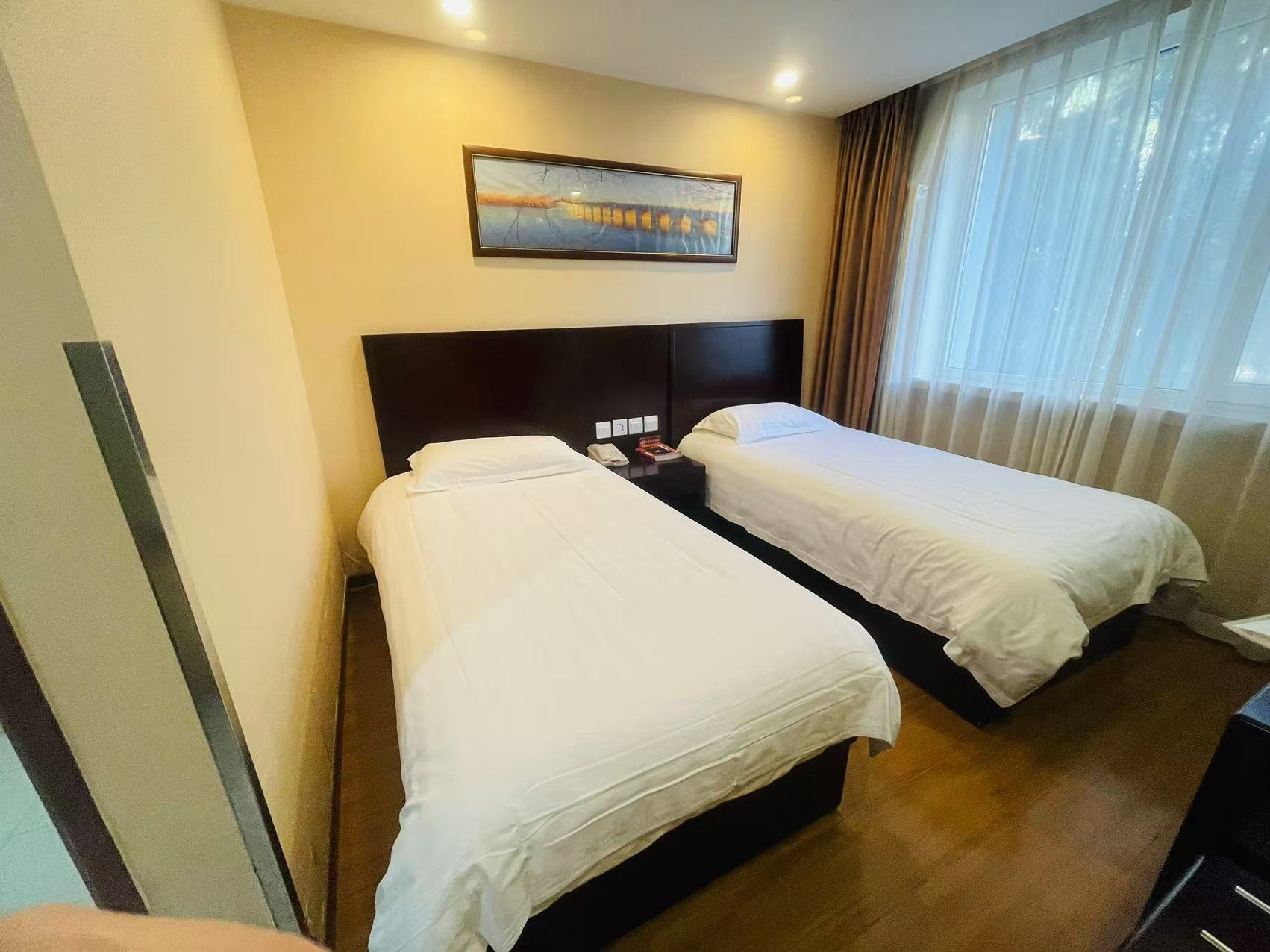
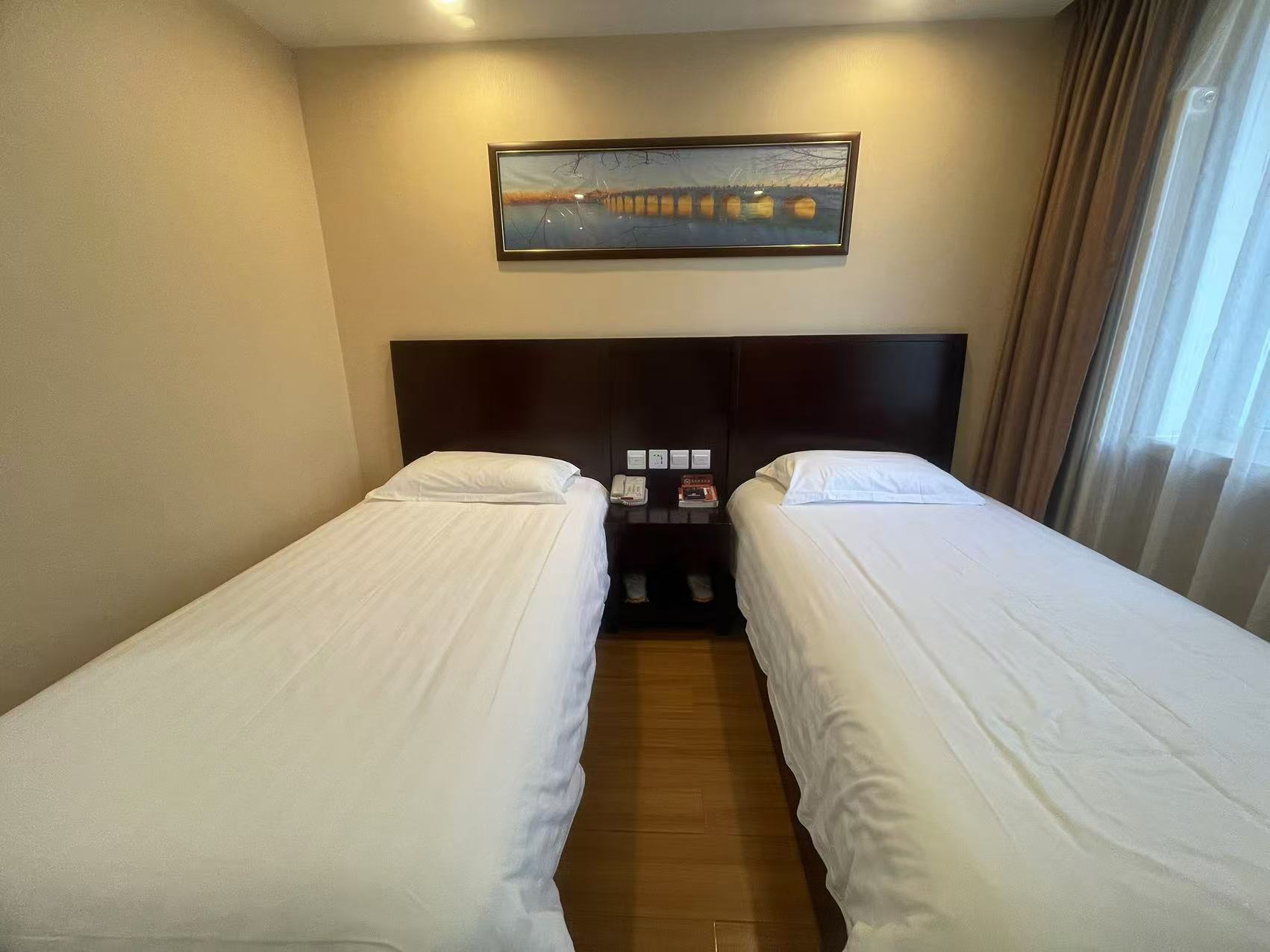
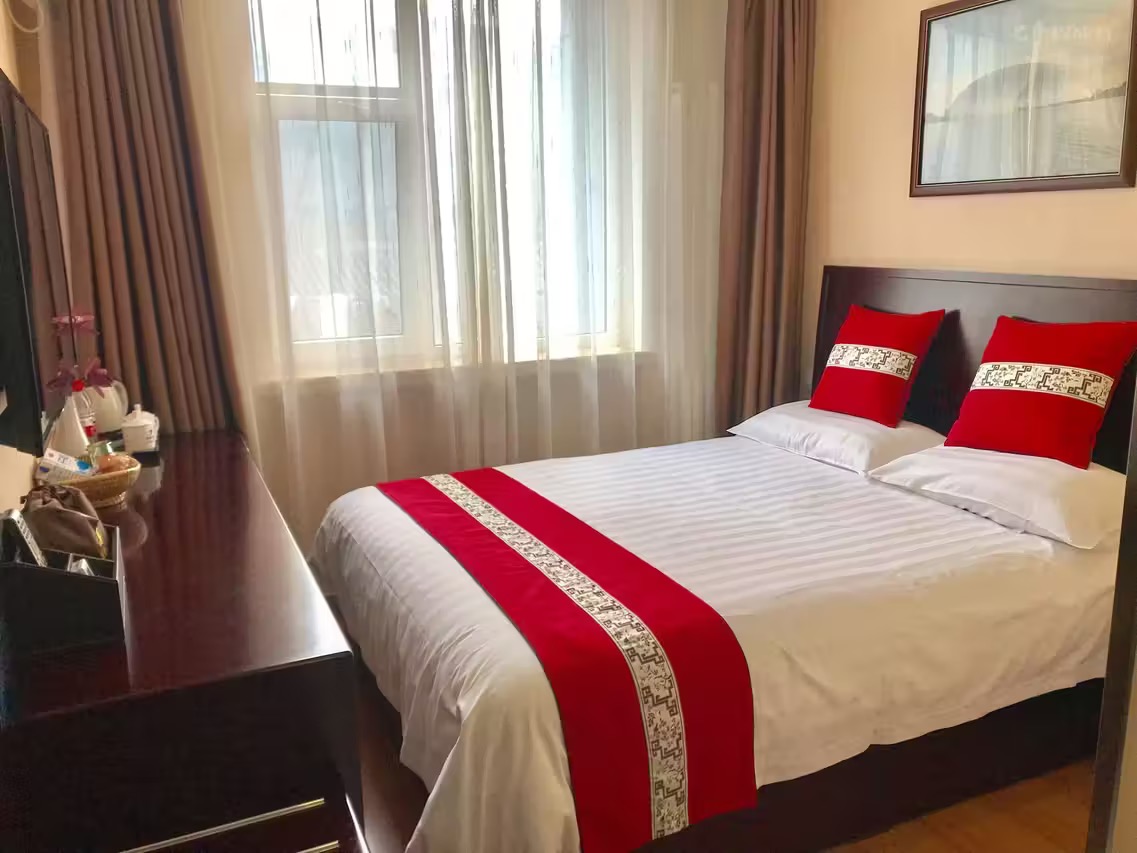
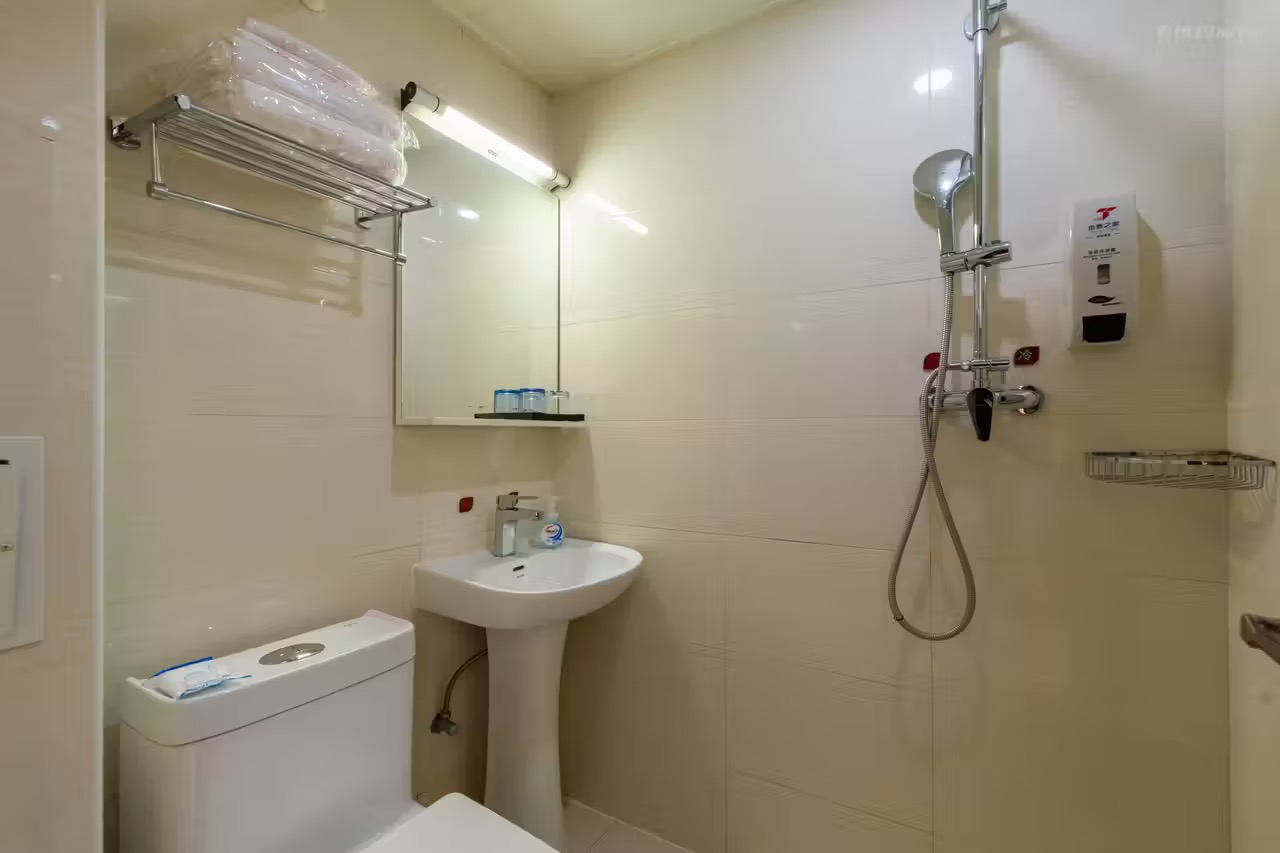
- Single/Double room accommodation with private bathroom
- Clean, safe and comfortable
- You will live in a hutong, 20 minutes walk to the school
- Room cleaning service every day
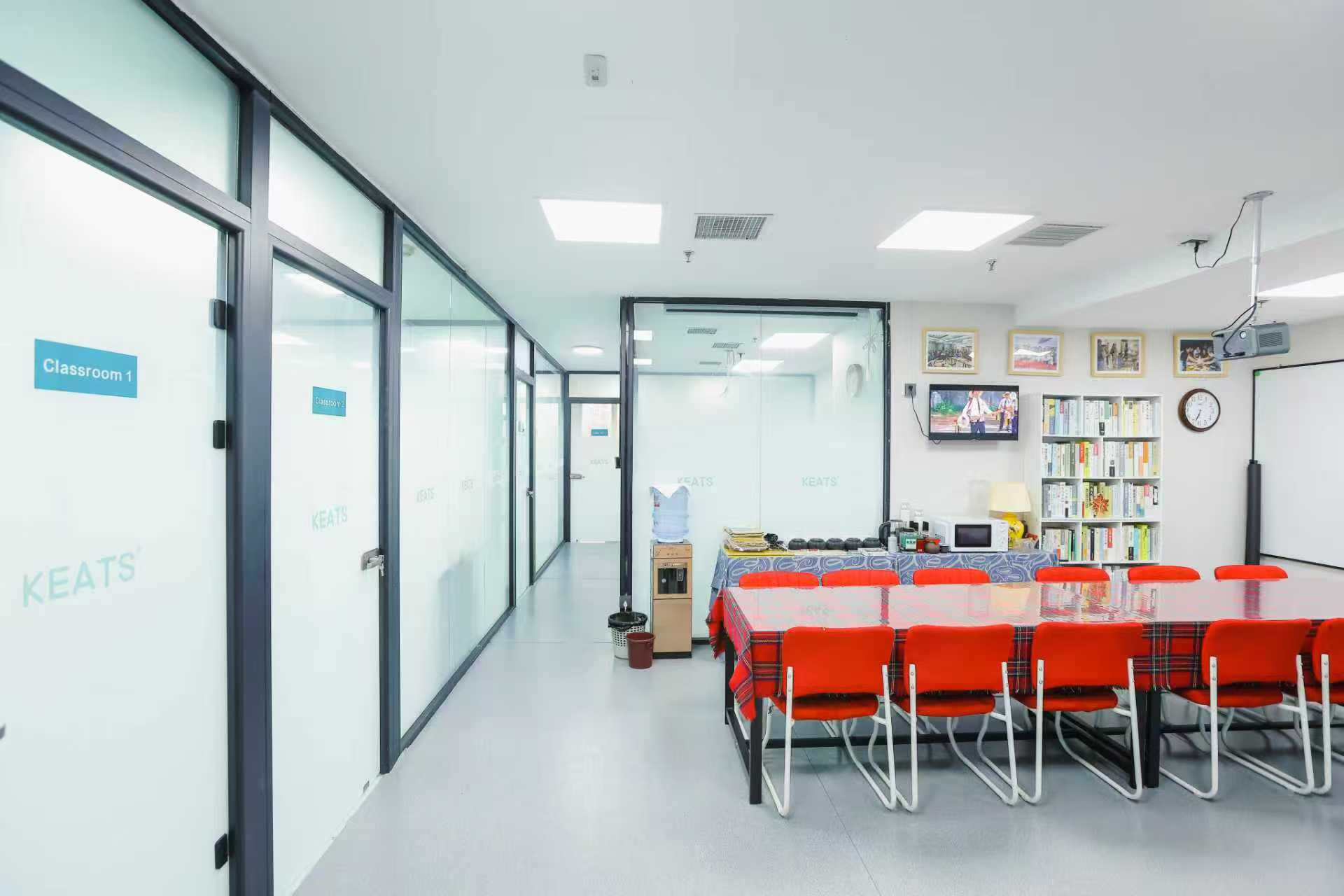
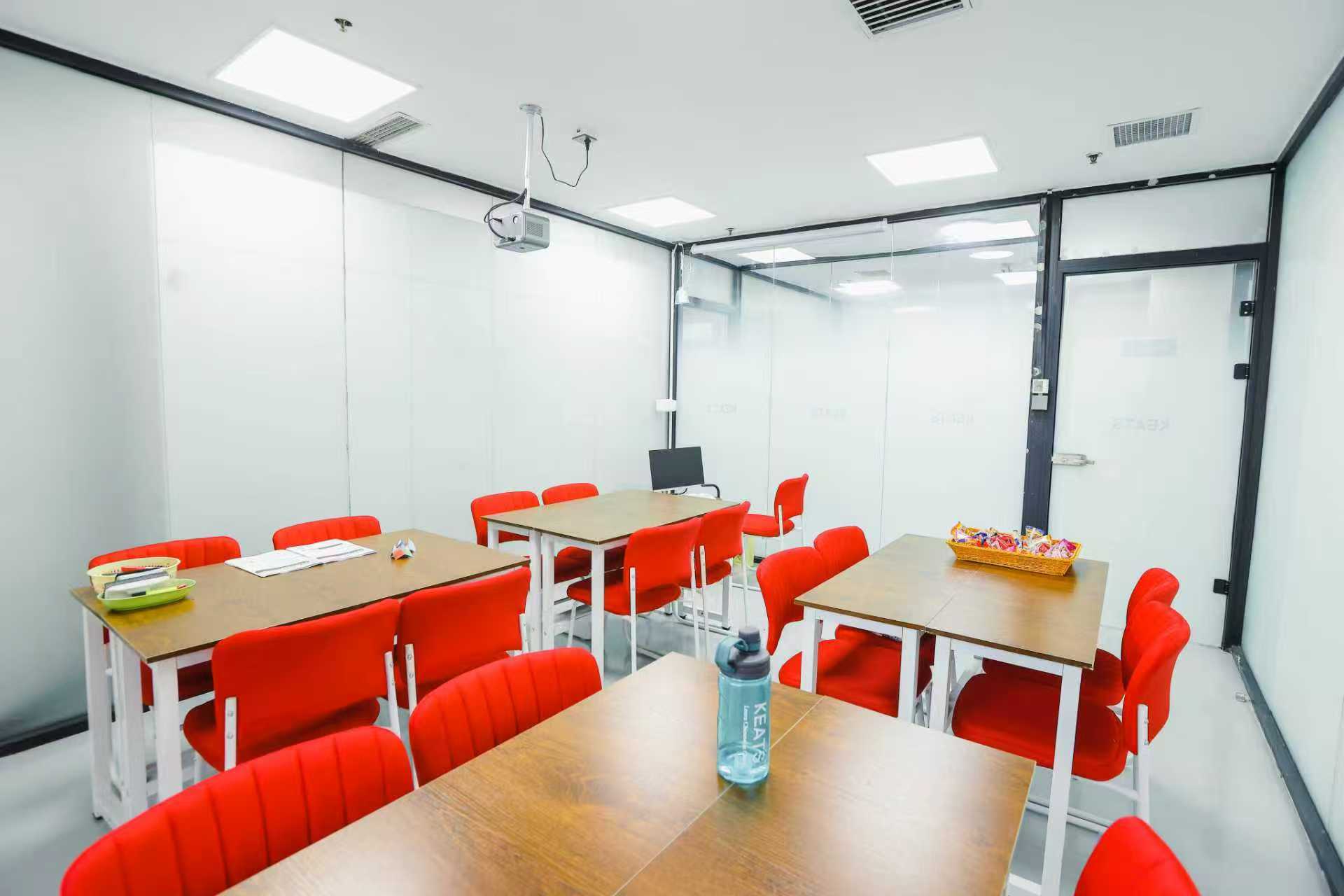
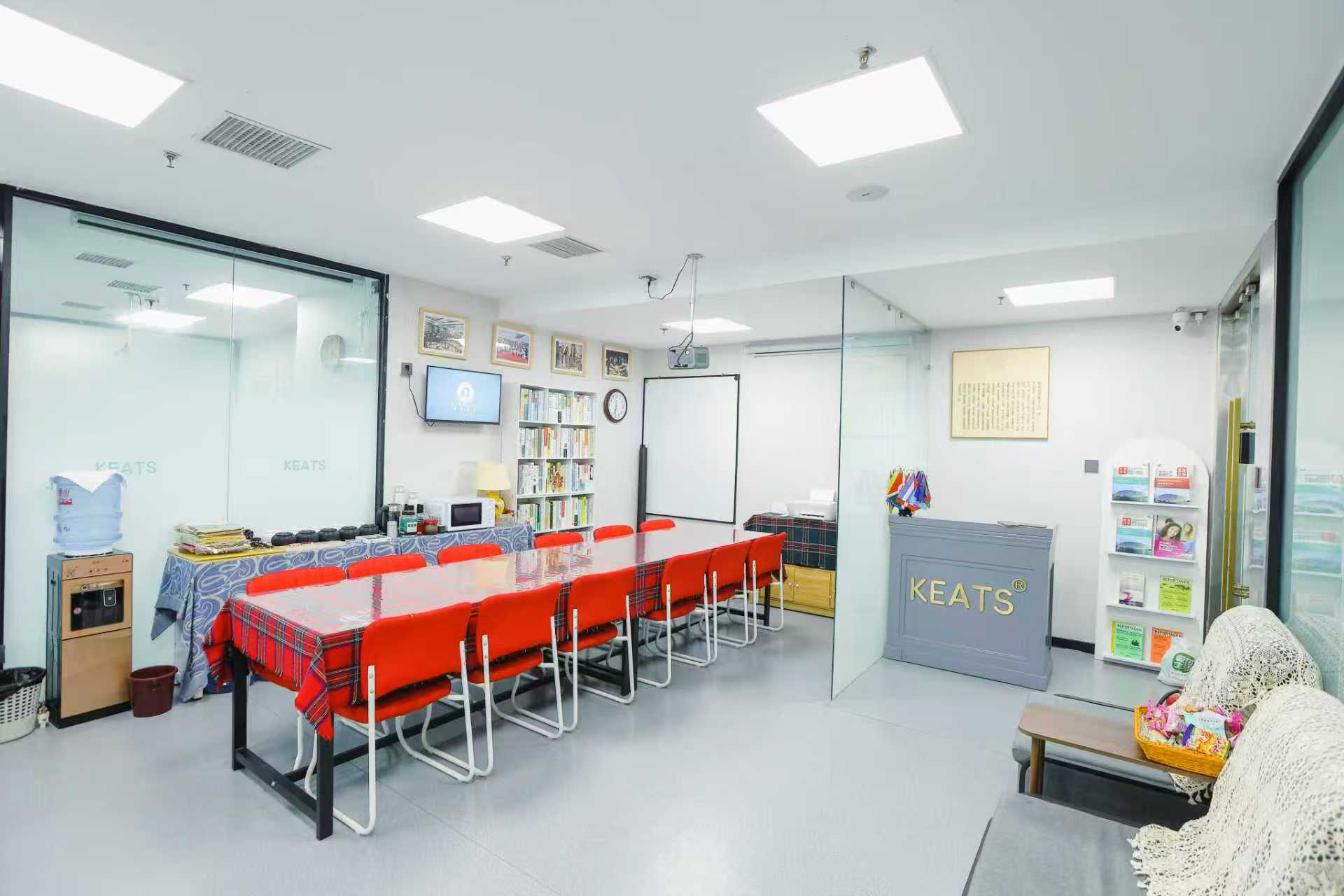
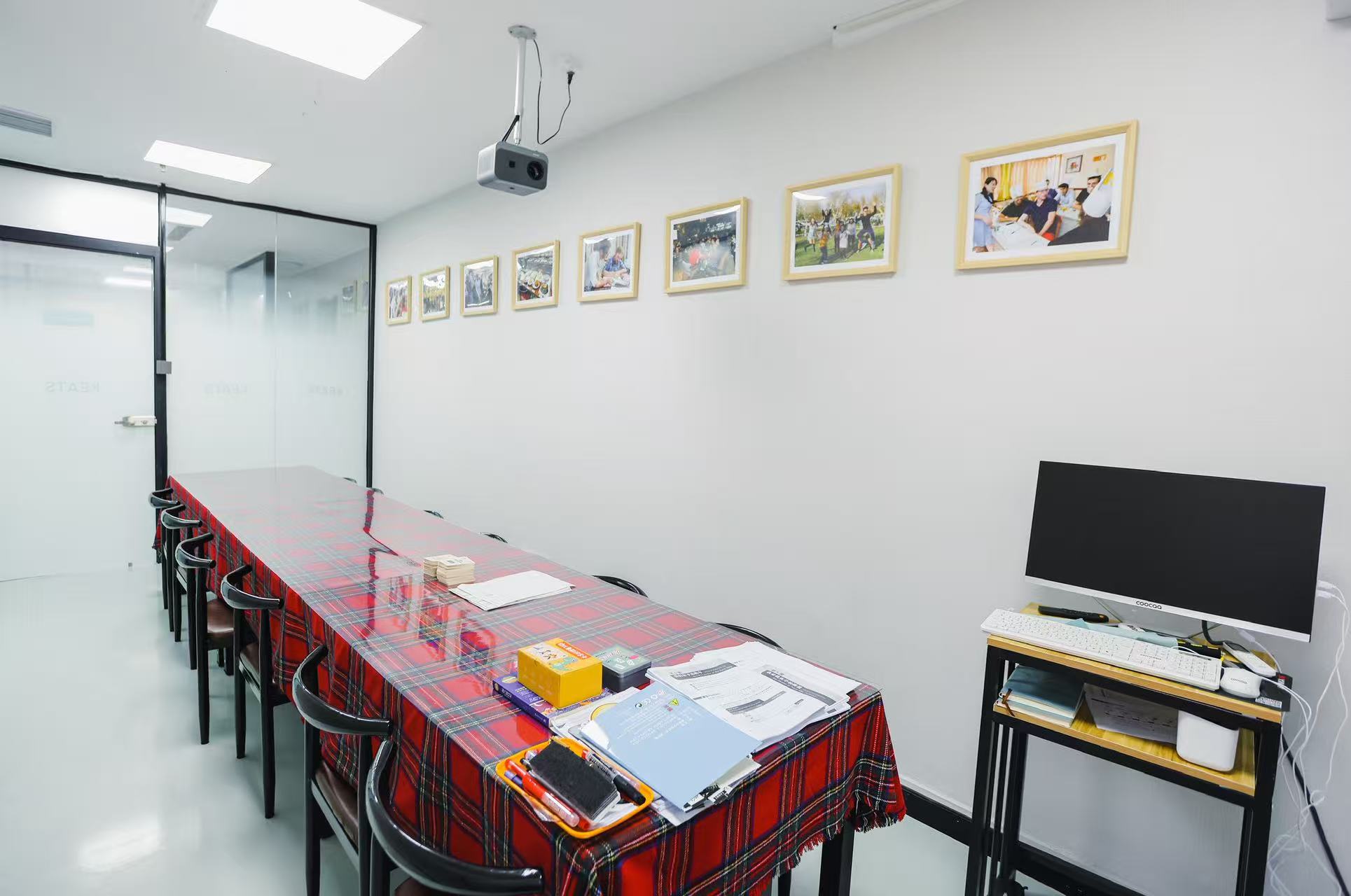
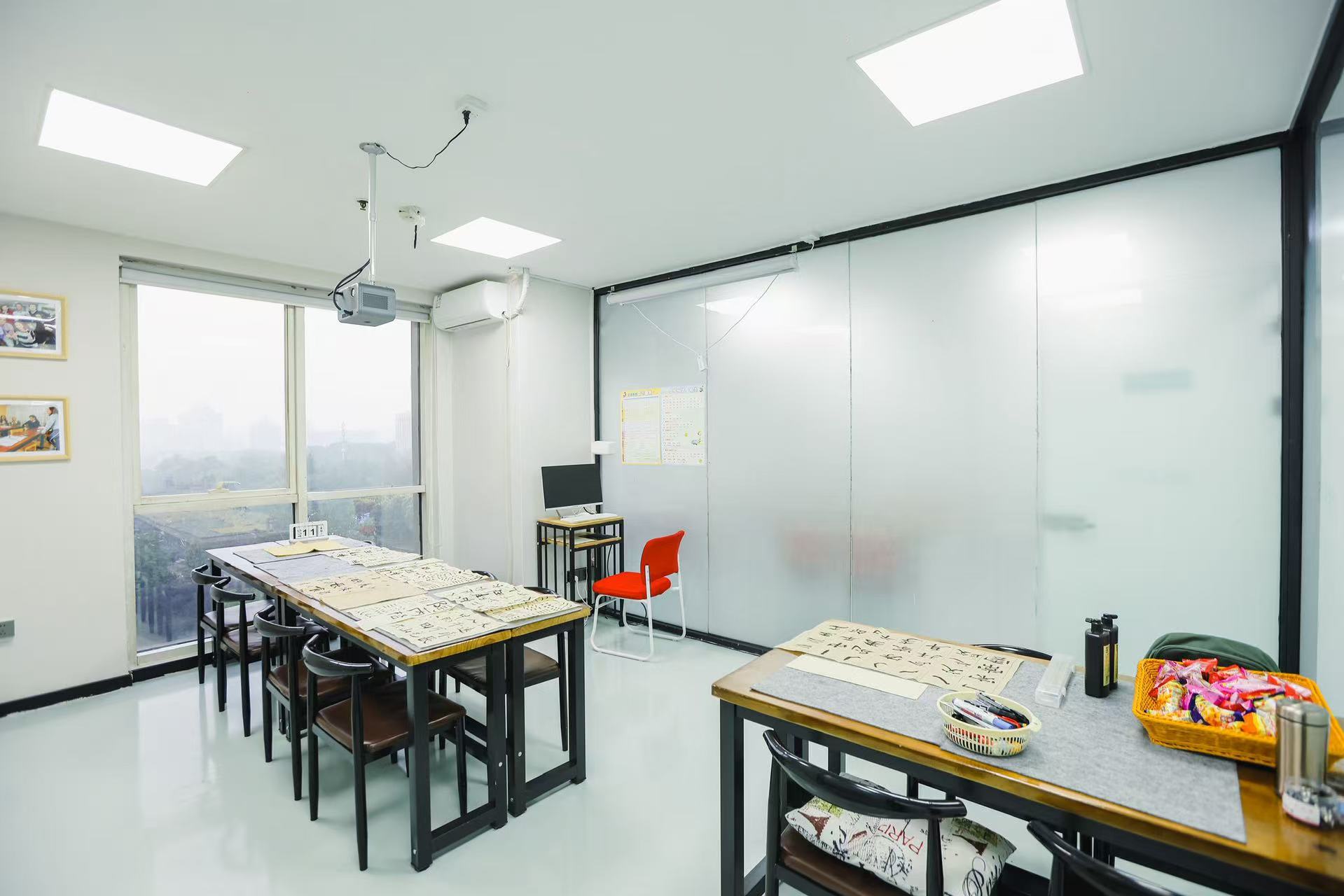
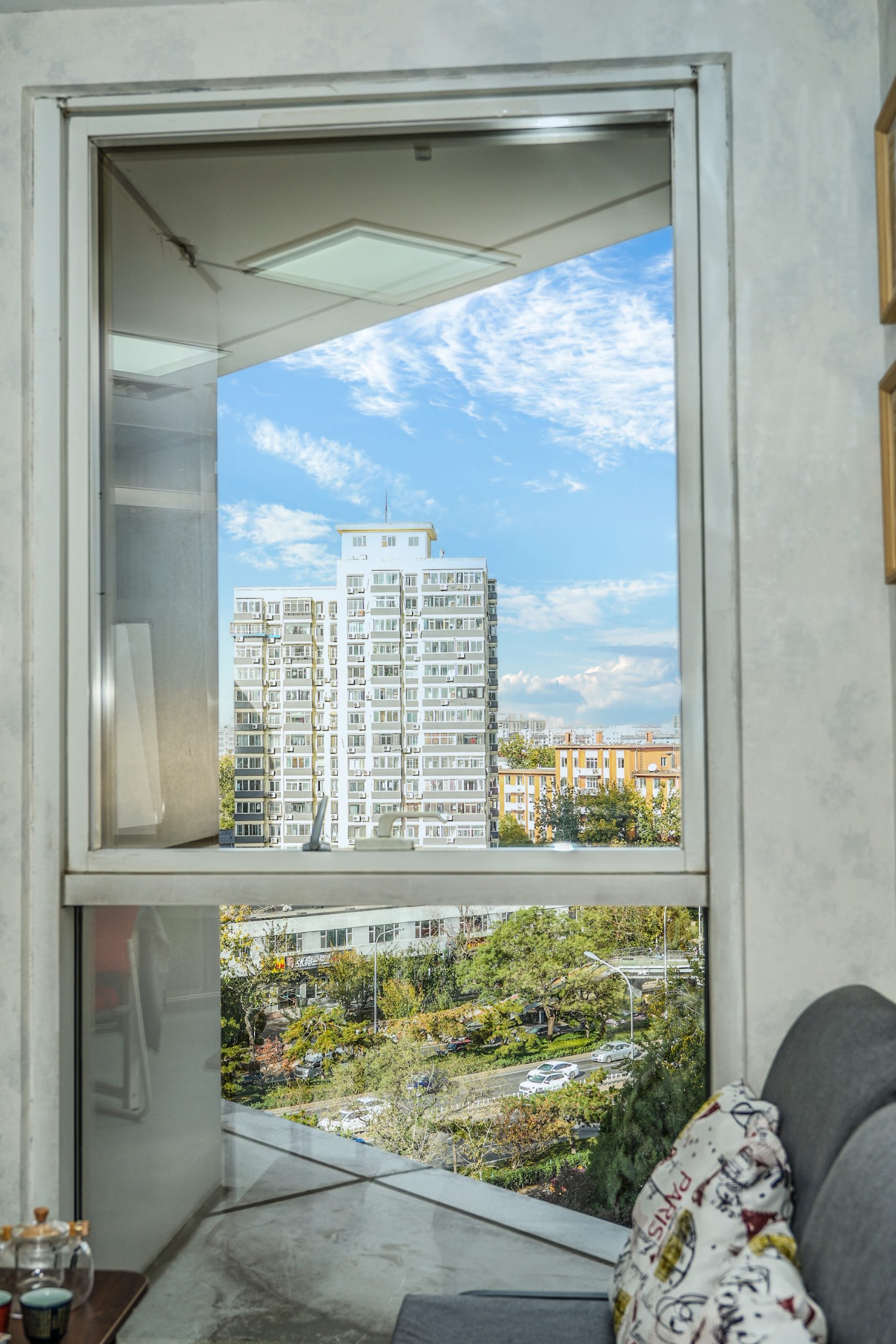
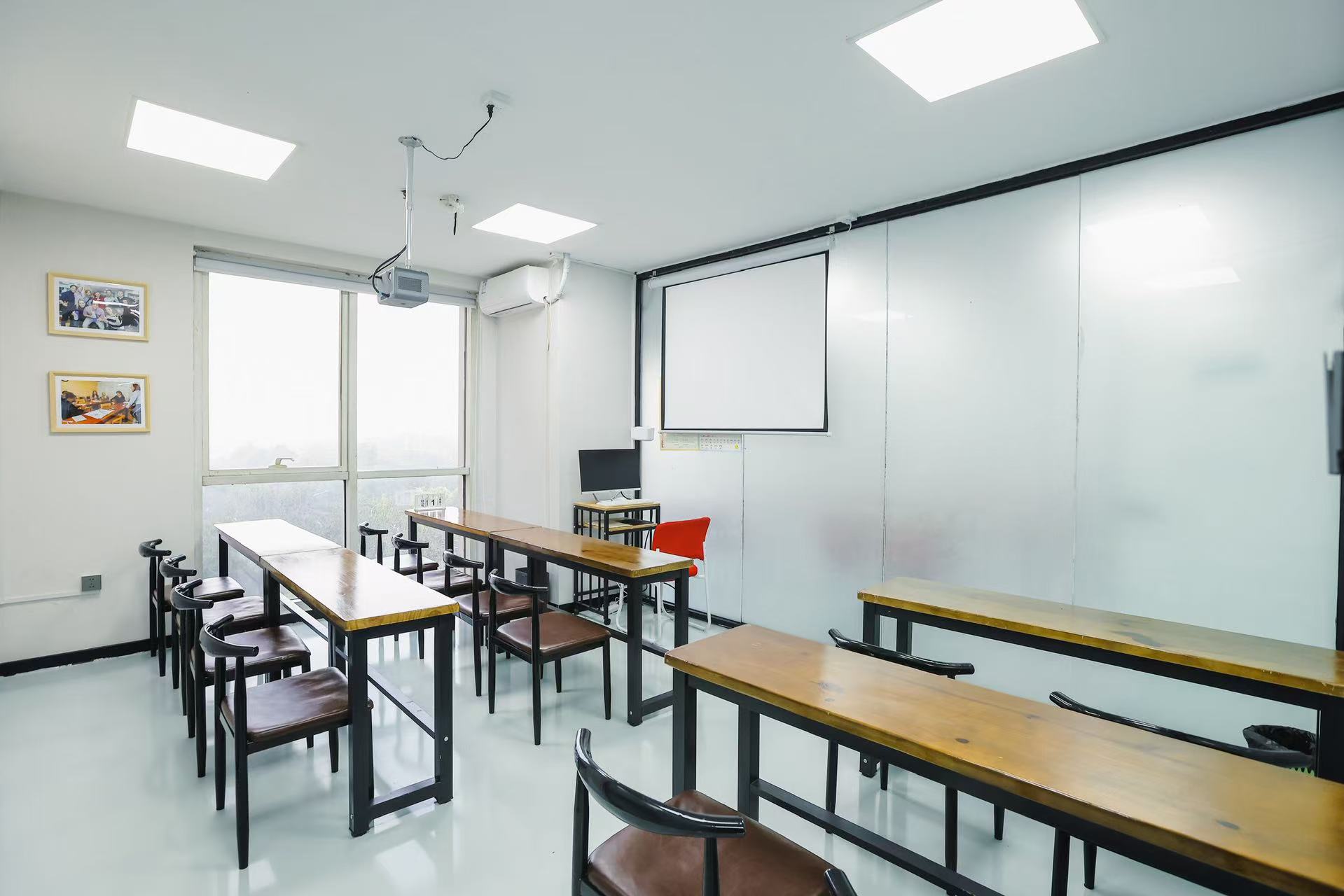
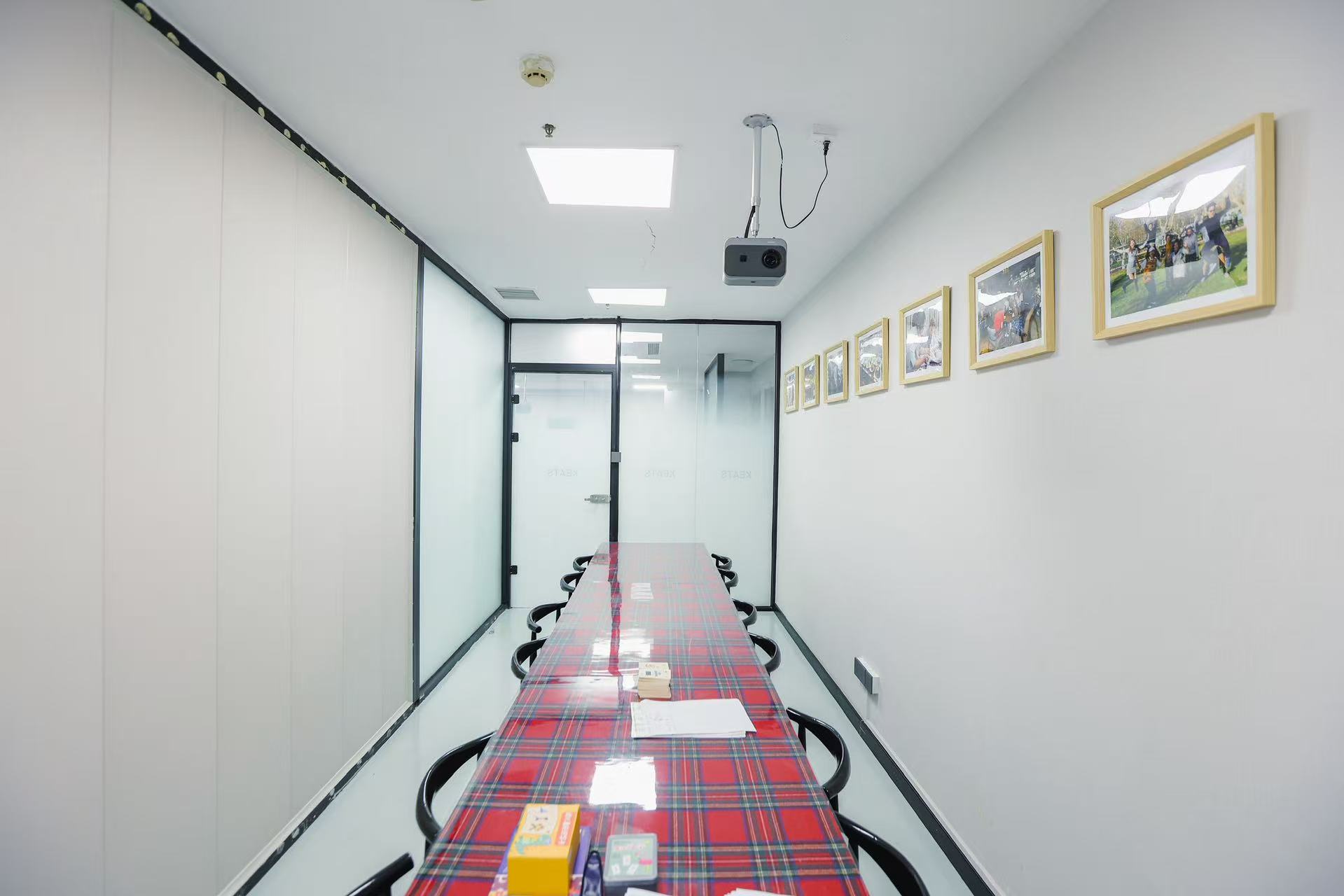
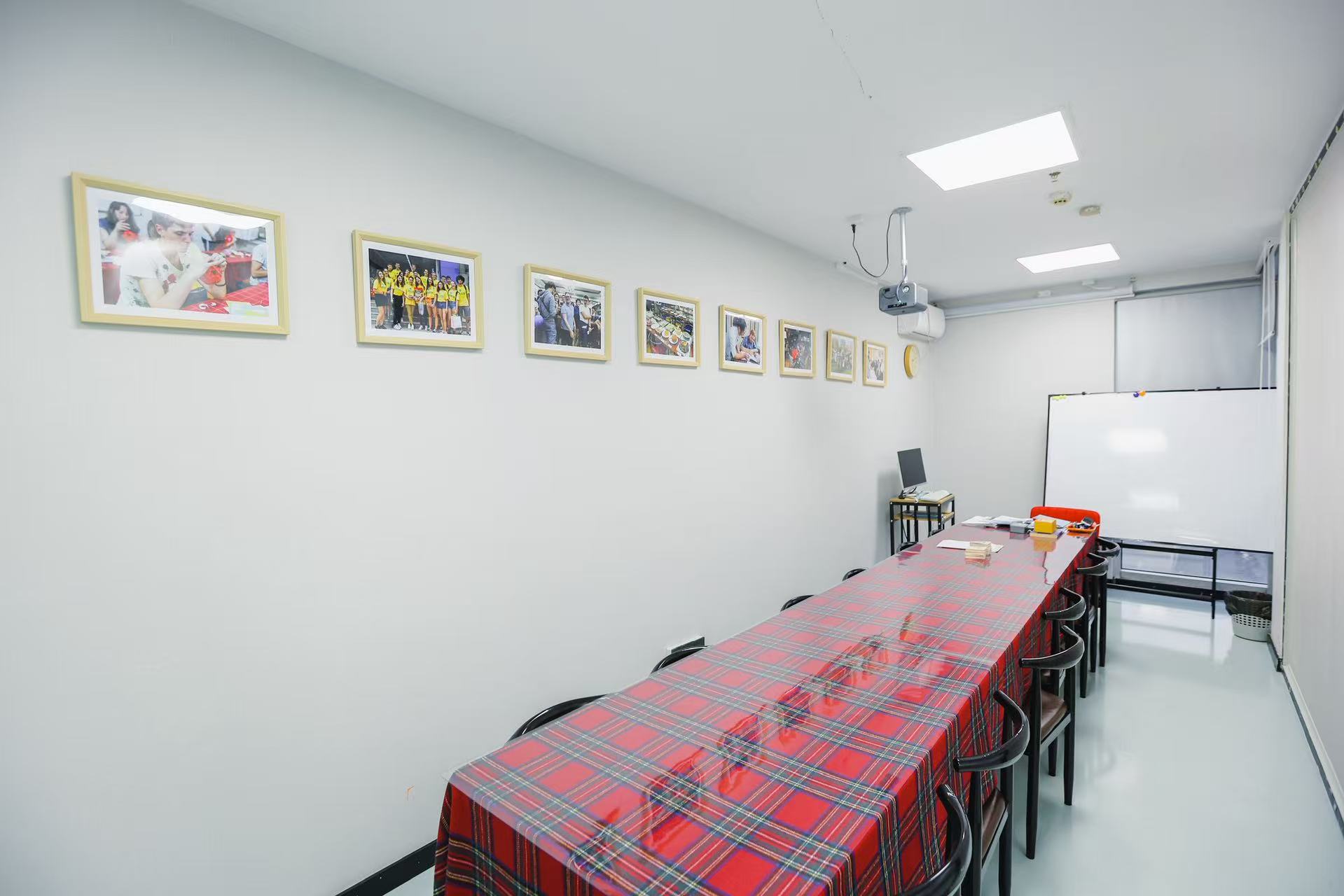
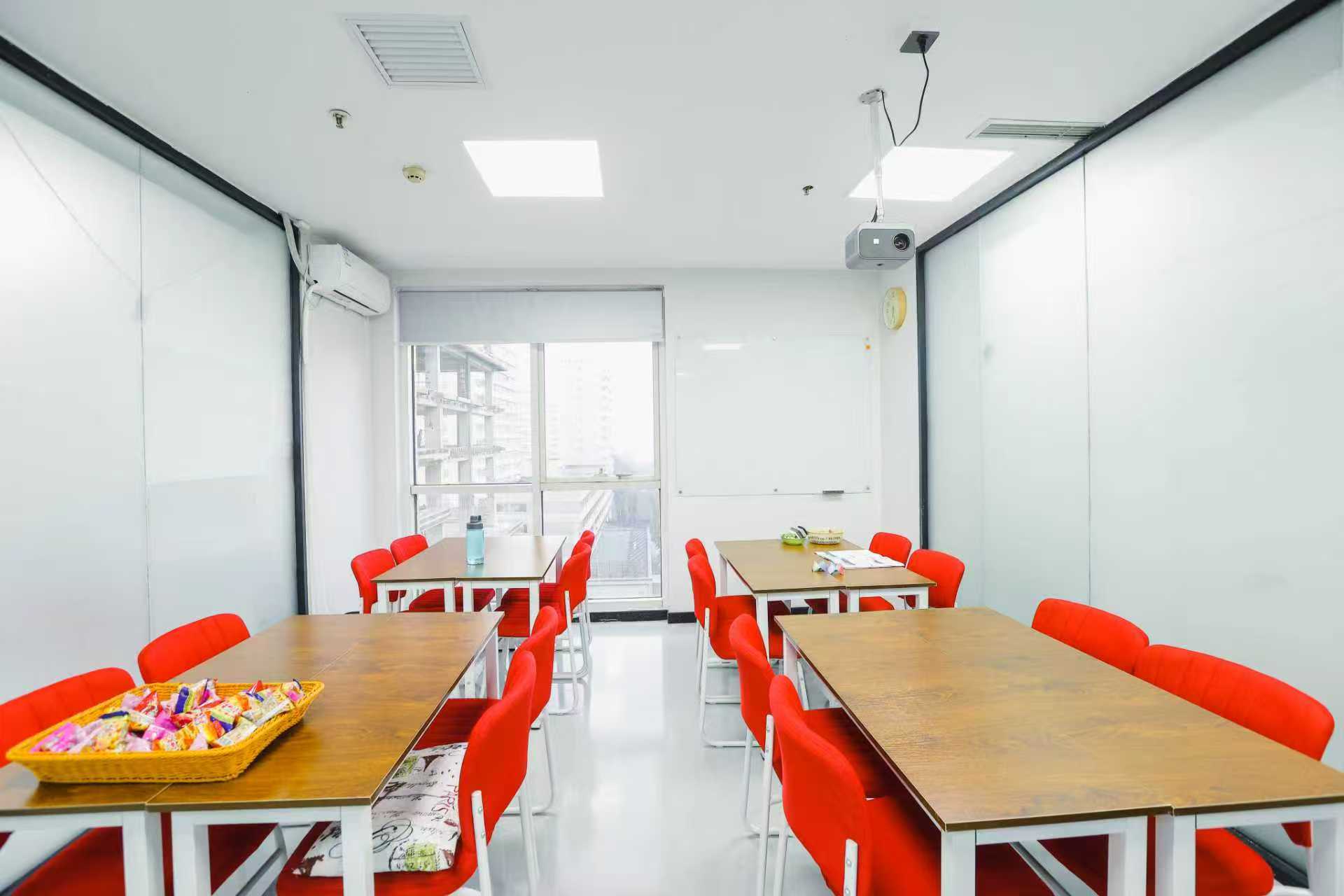
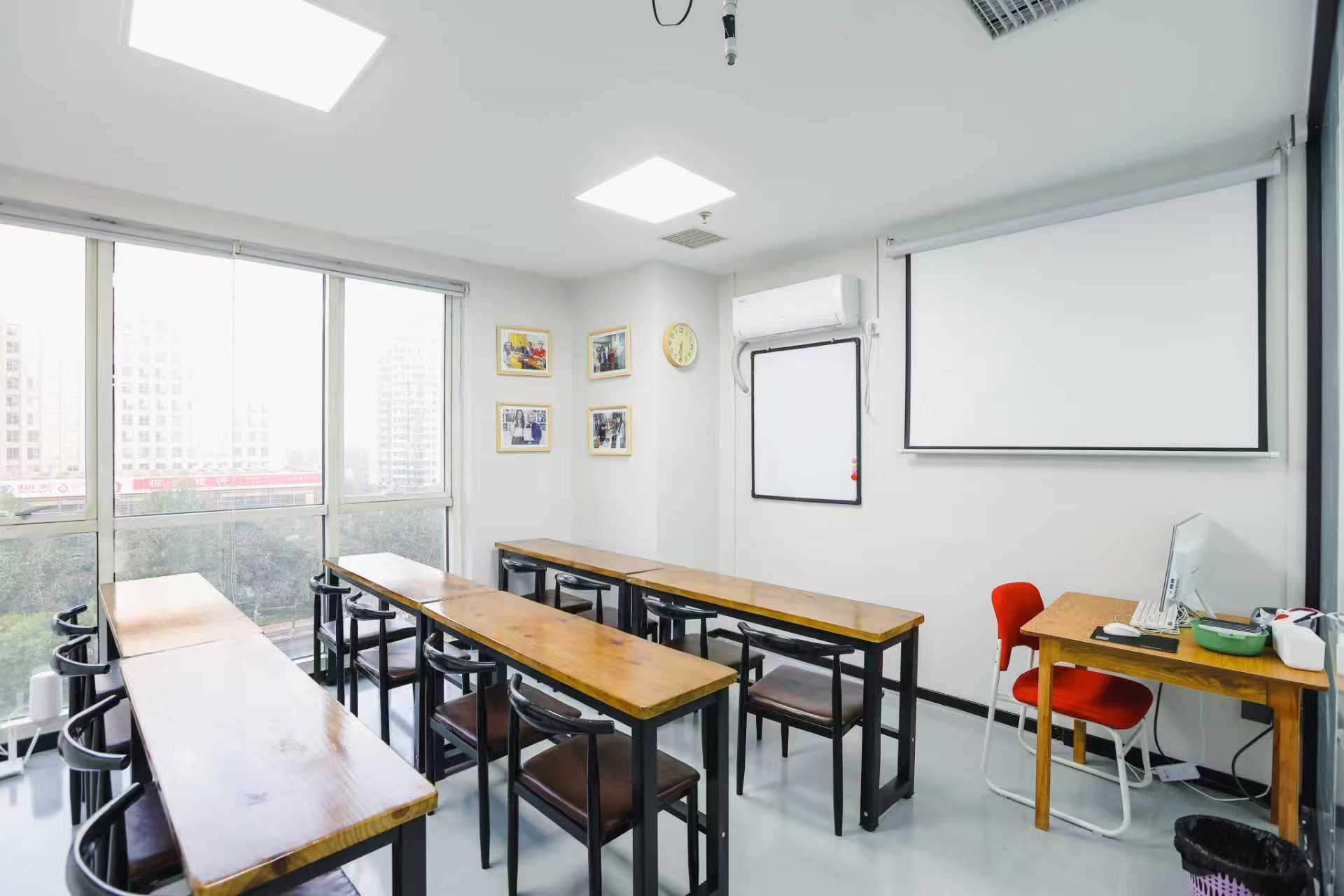
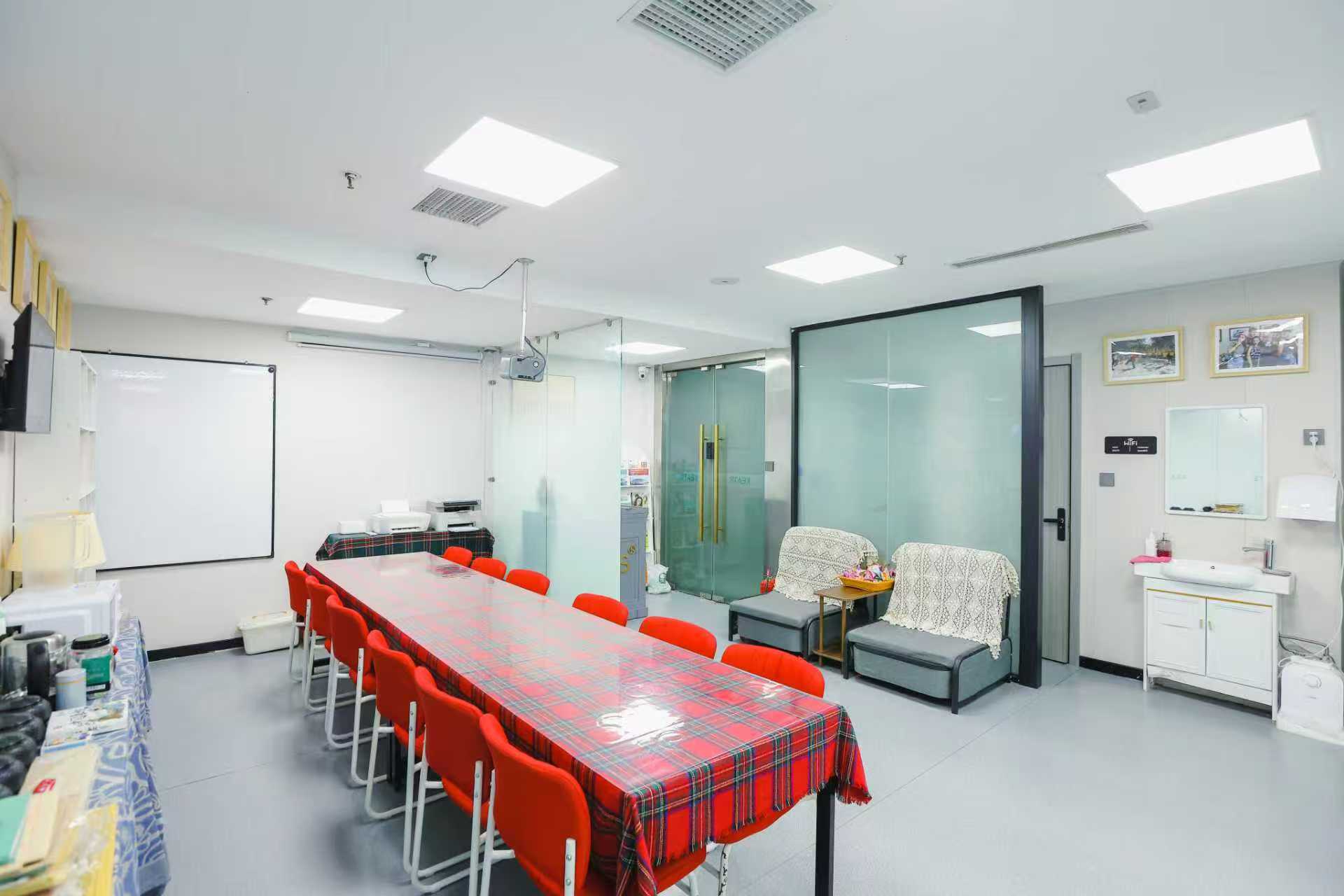
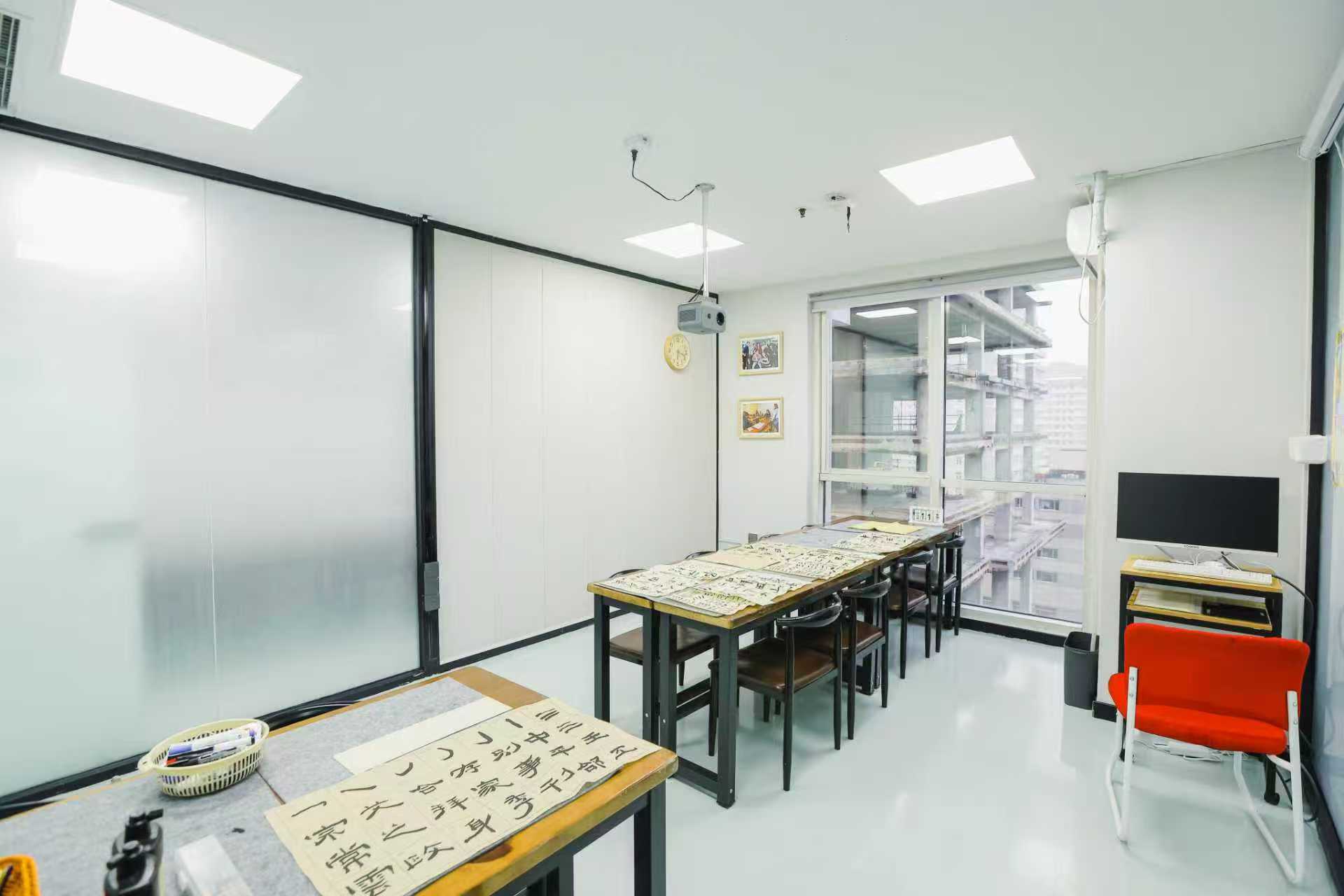
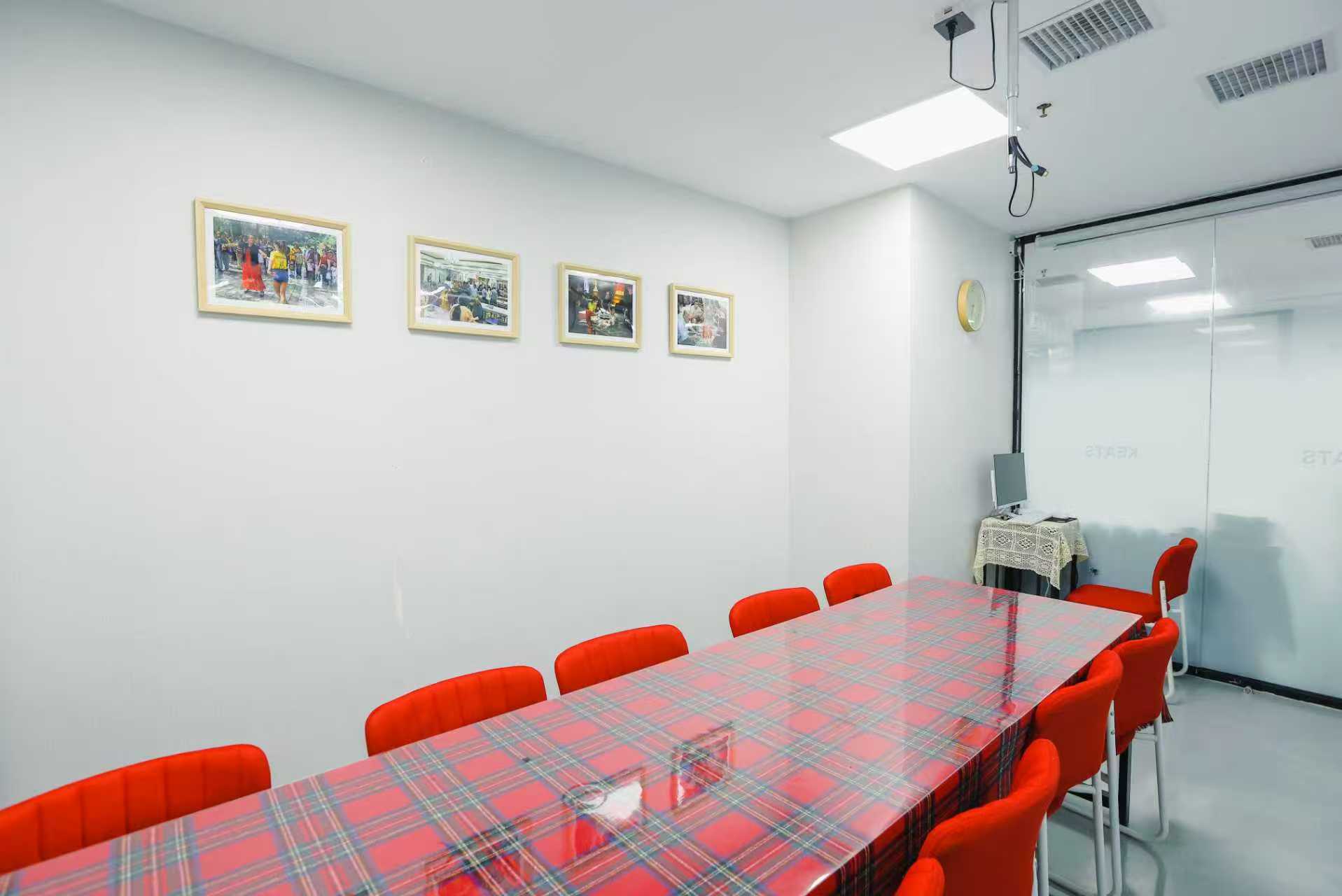
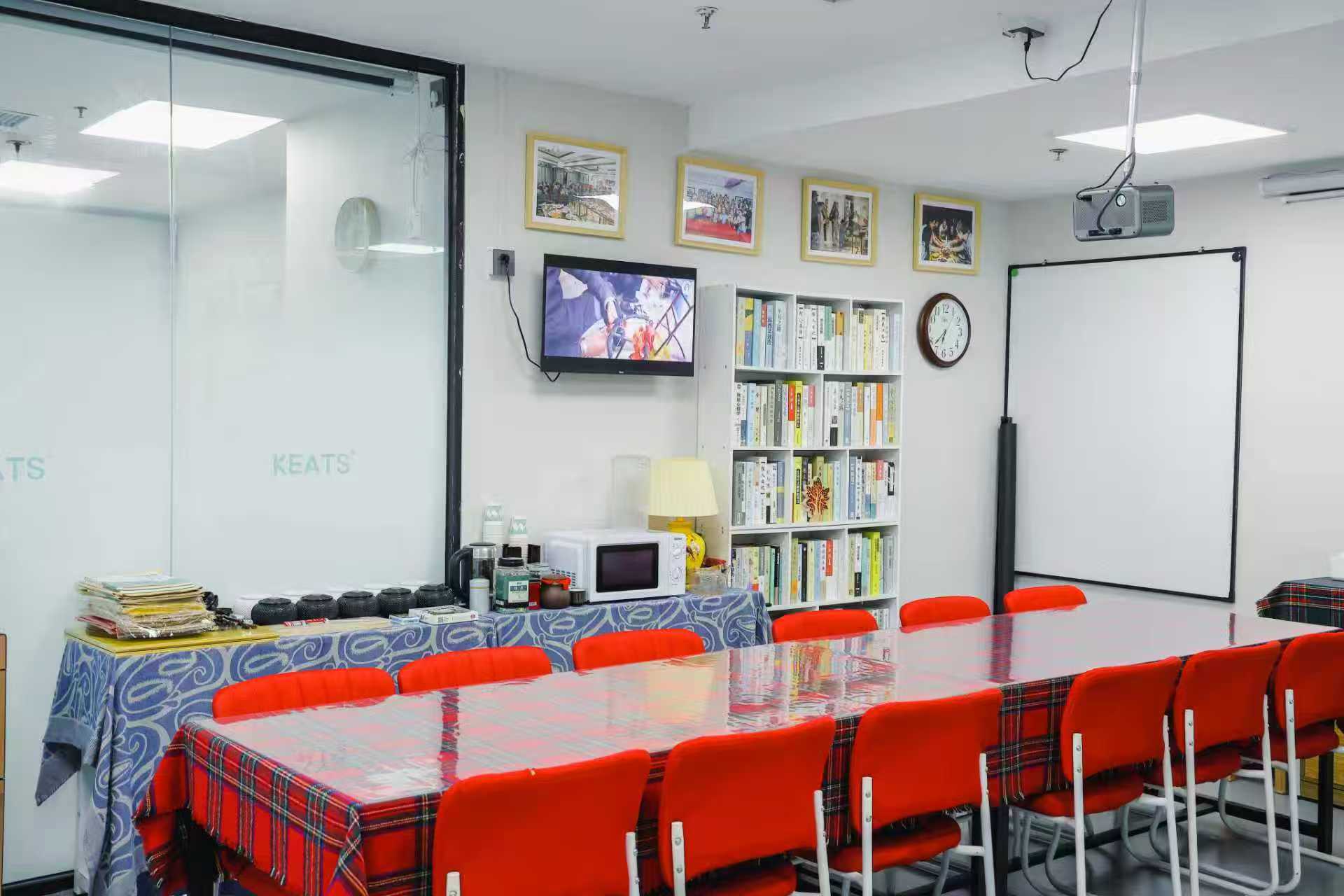
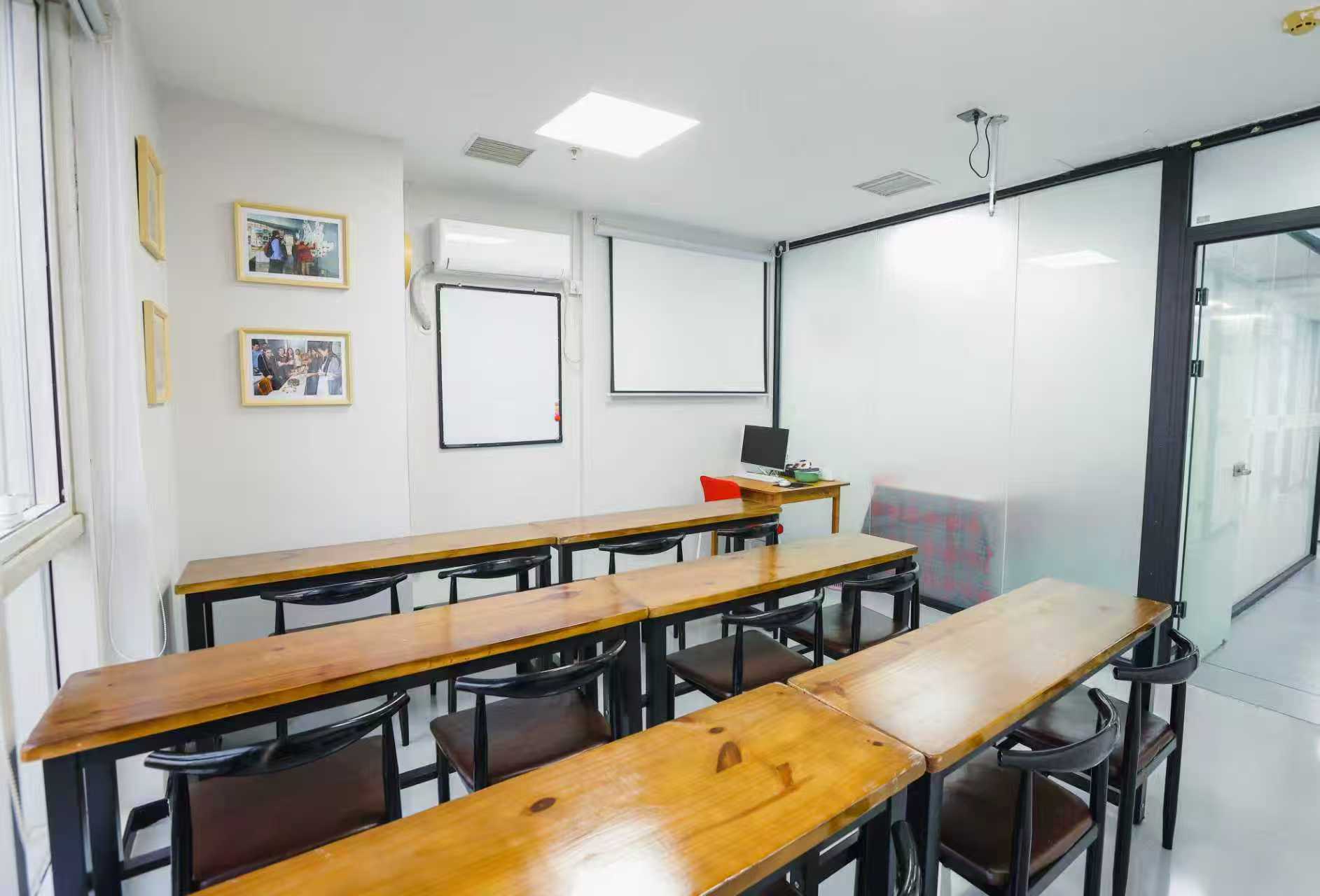
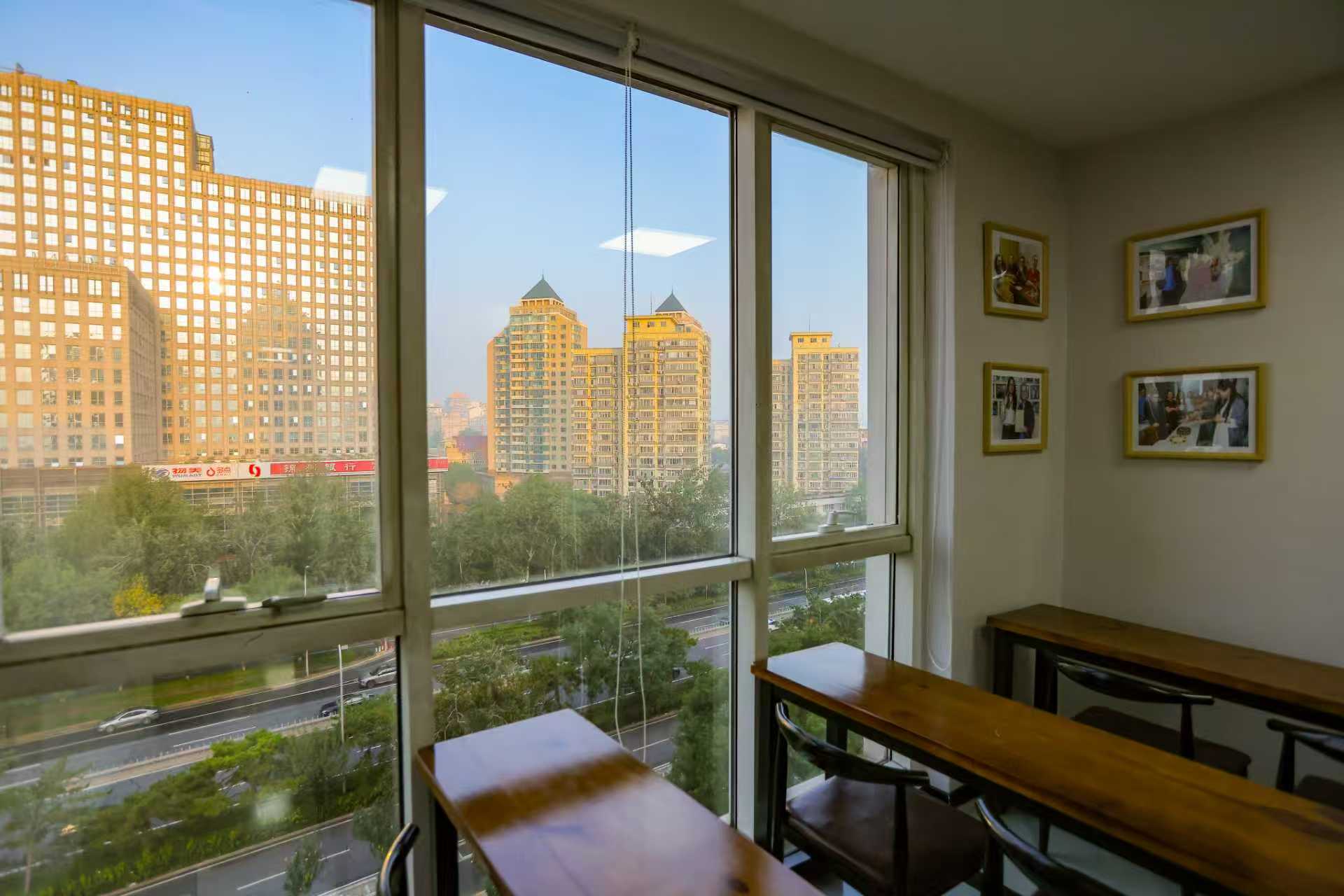
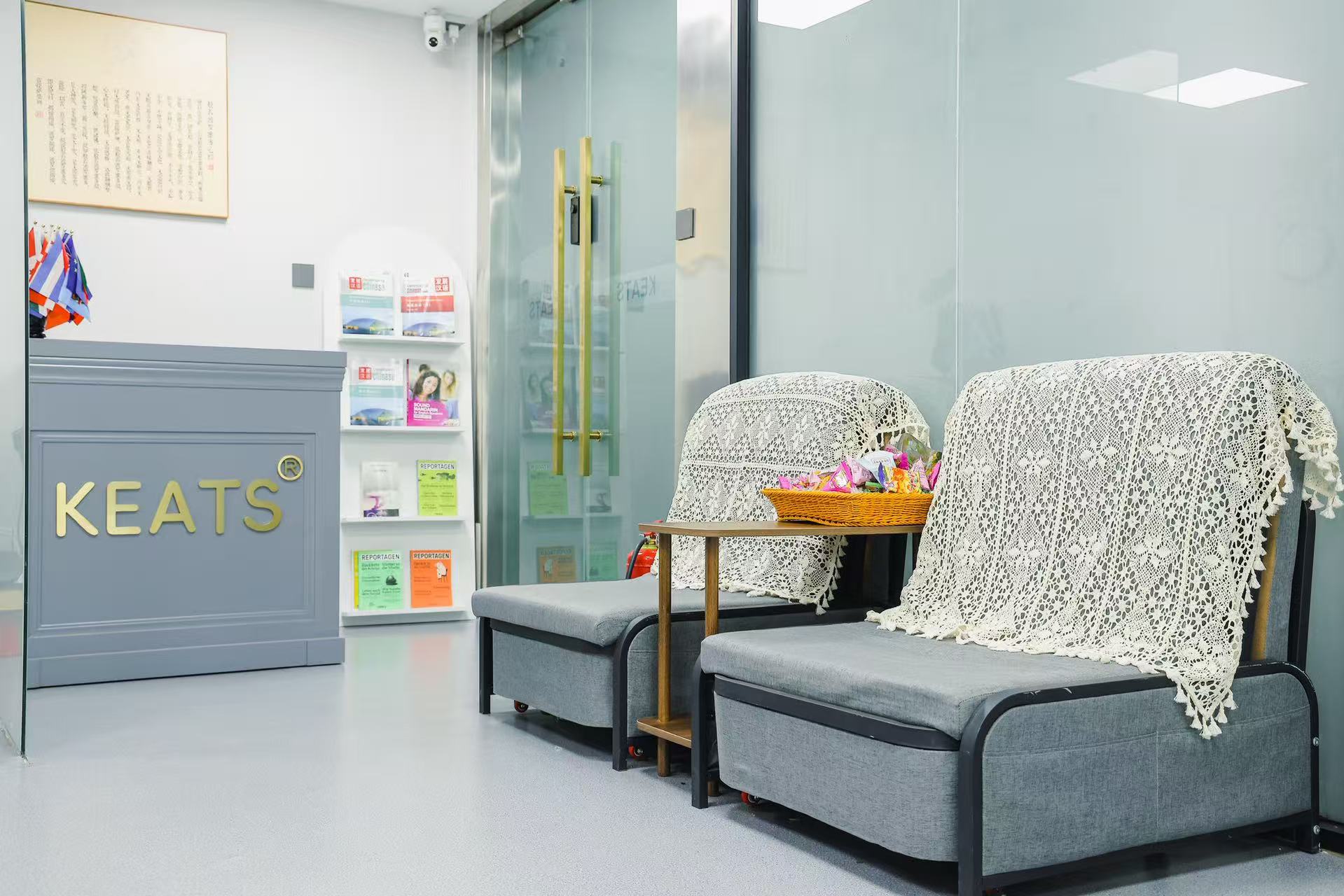
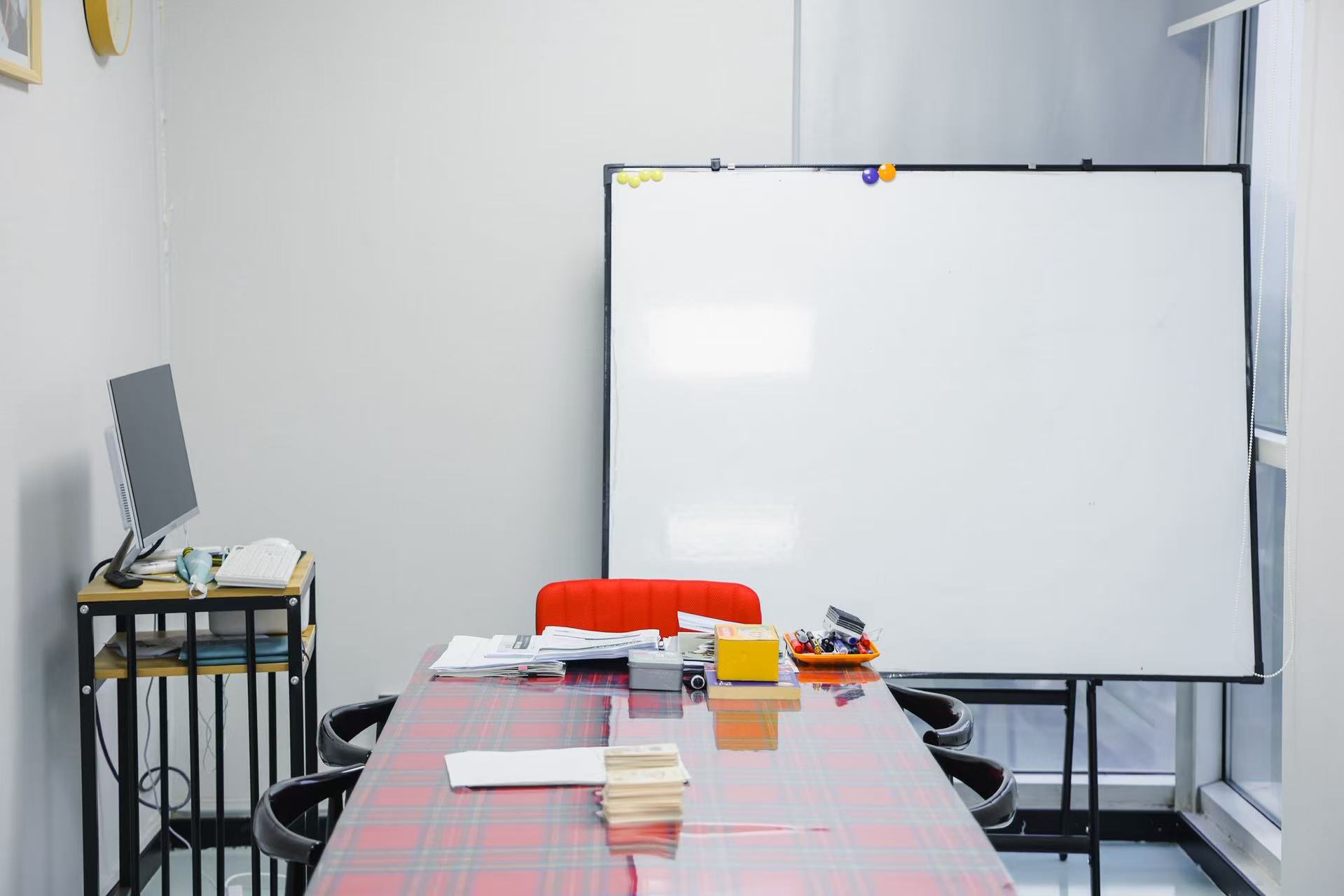
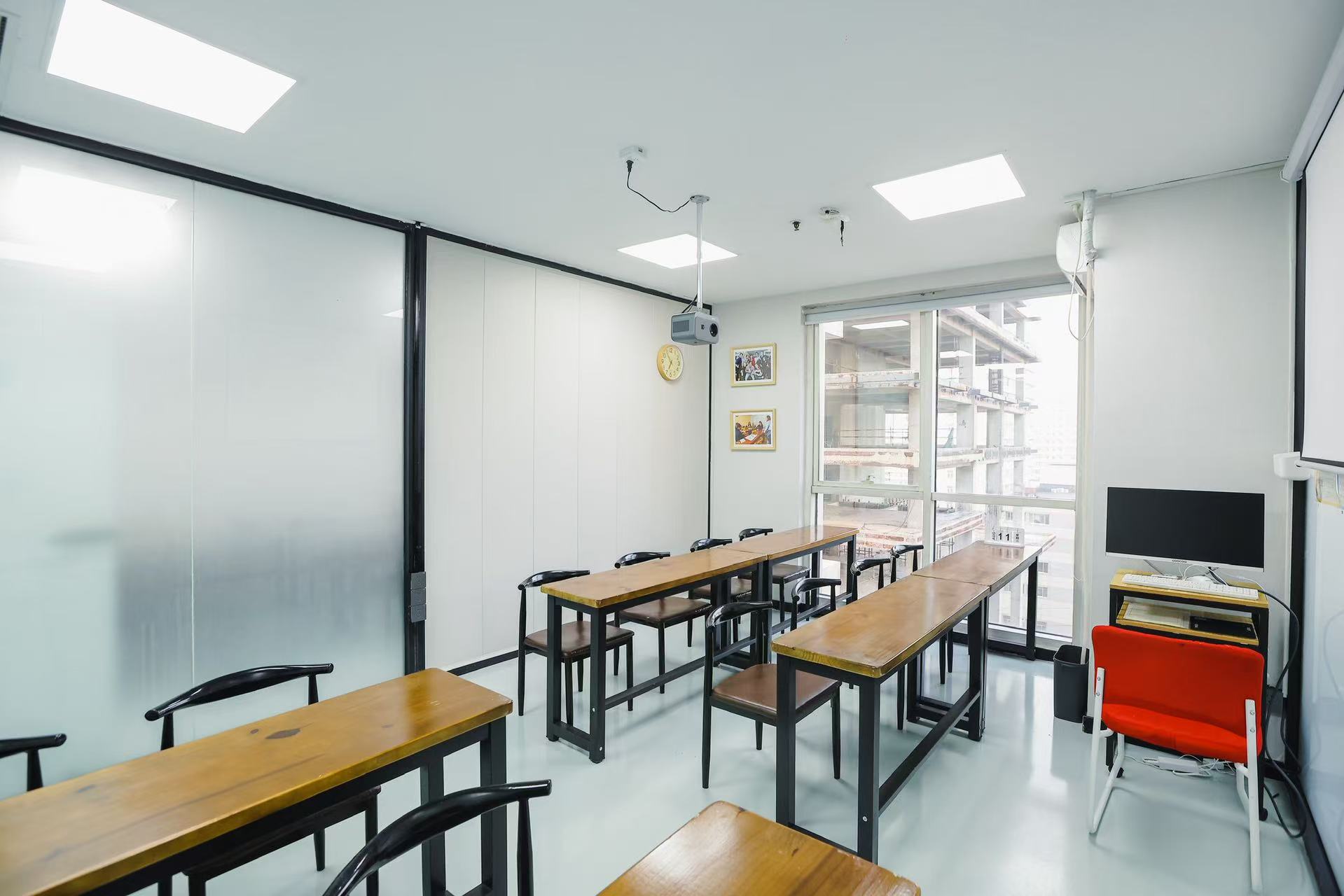
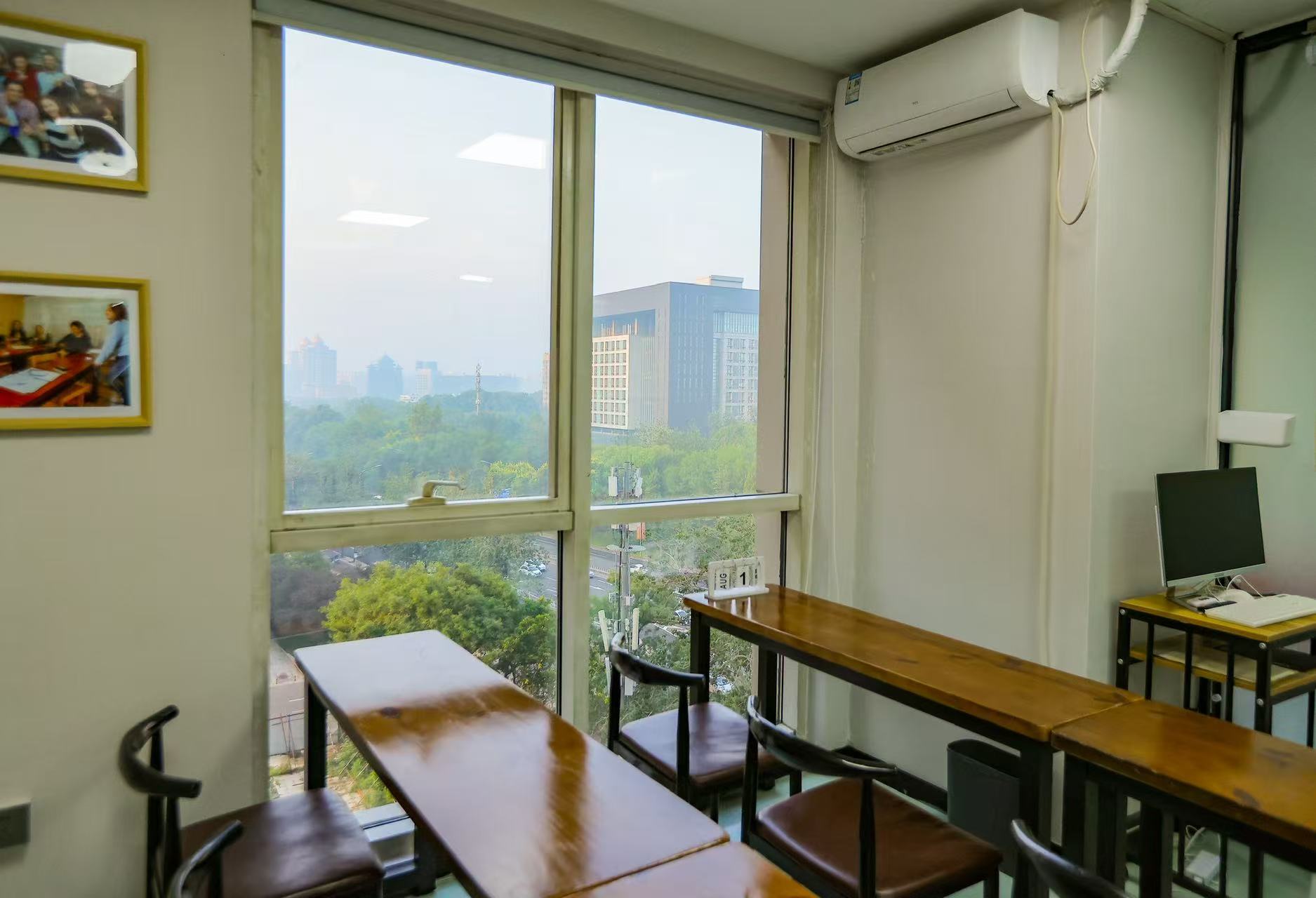
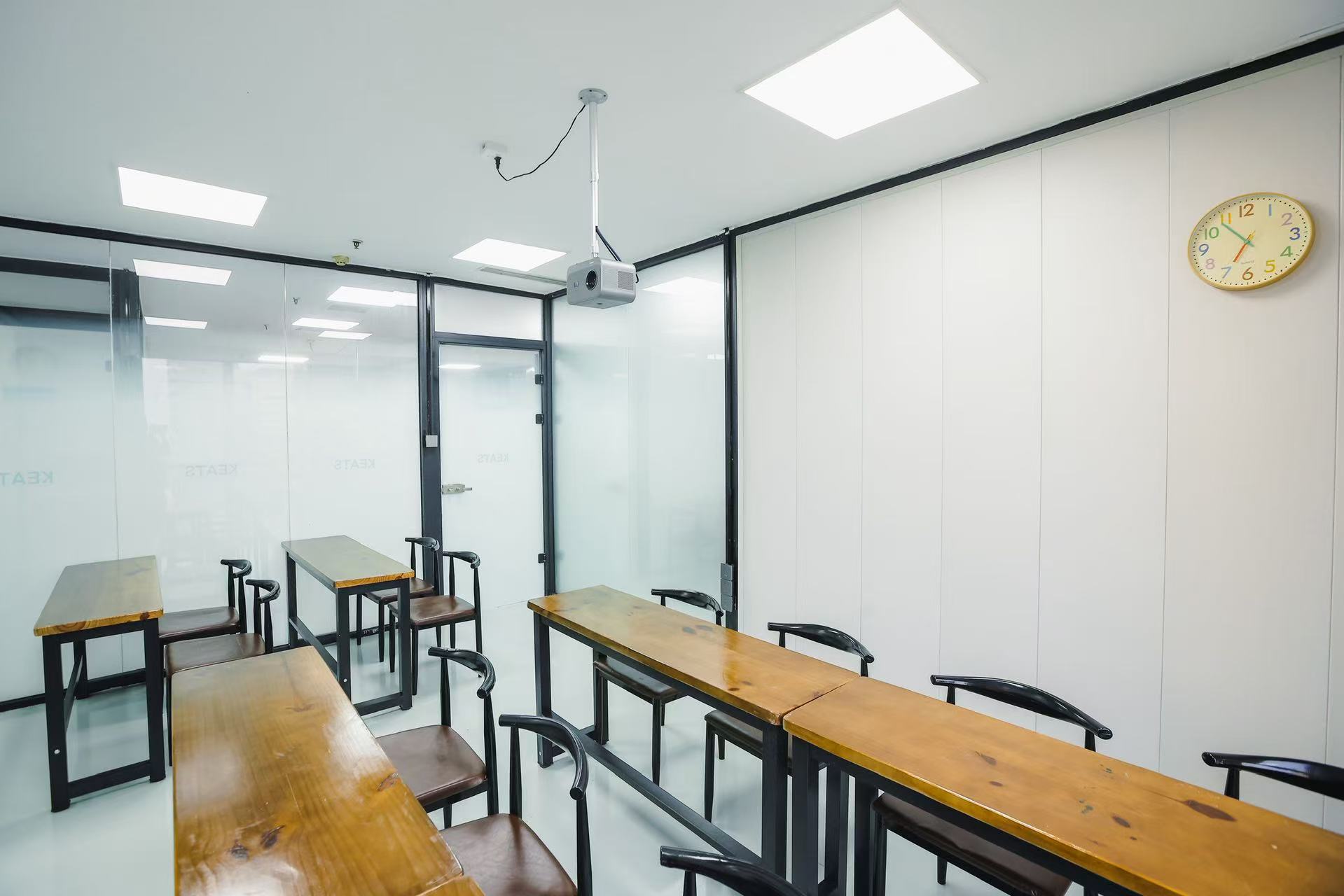
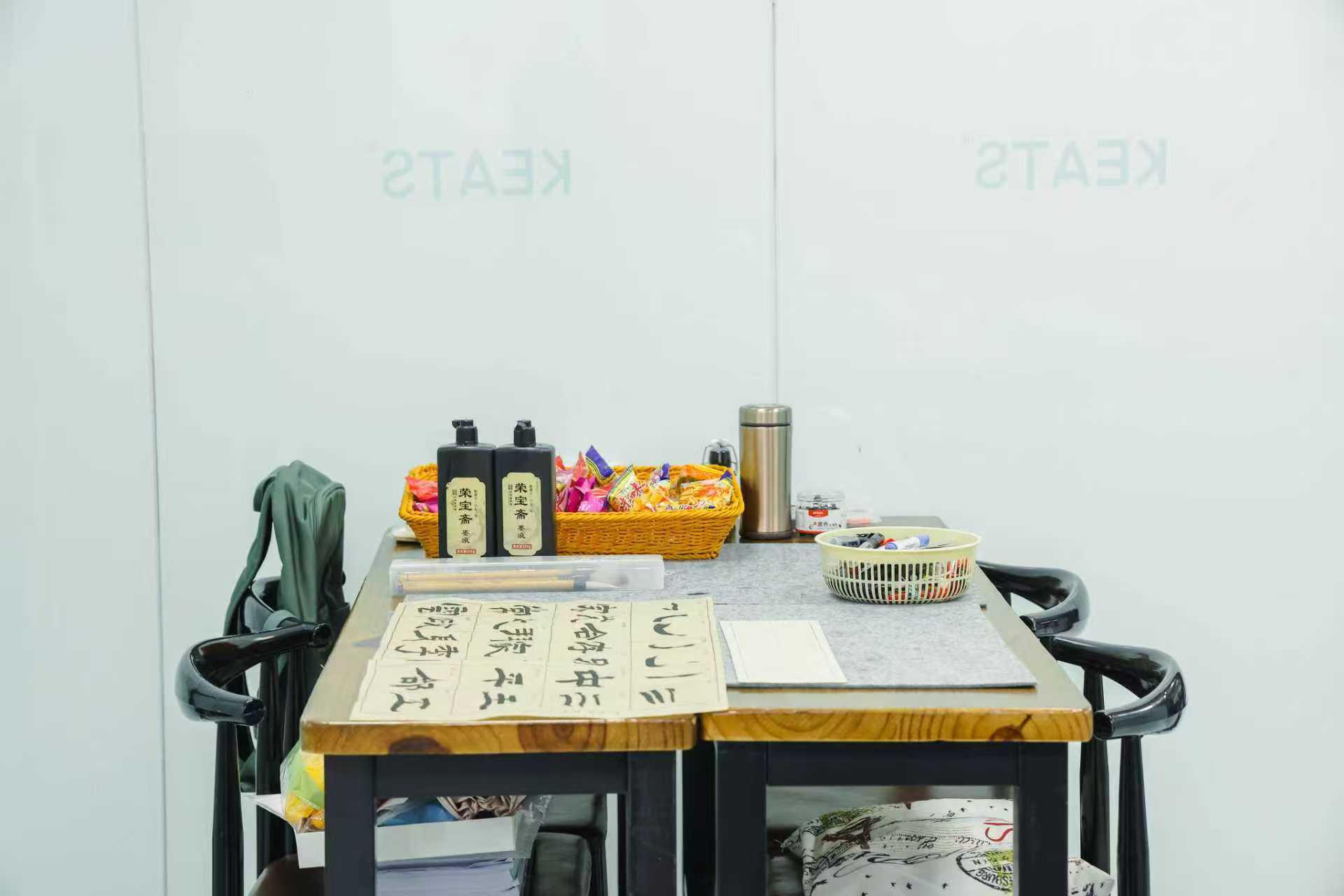
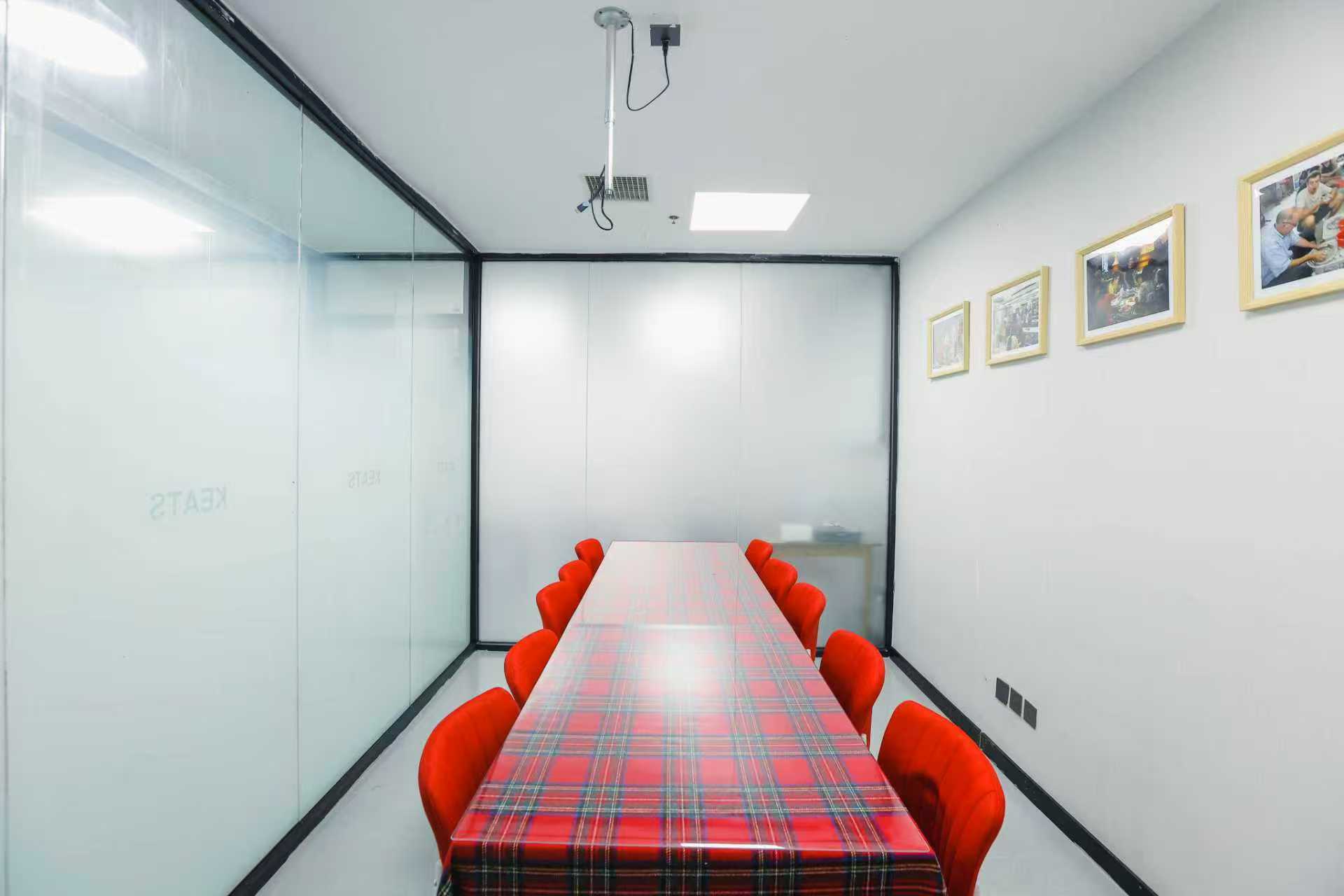
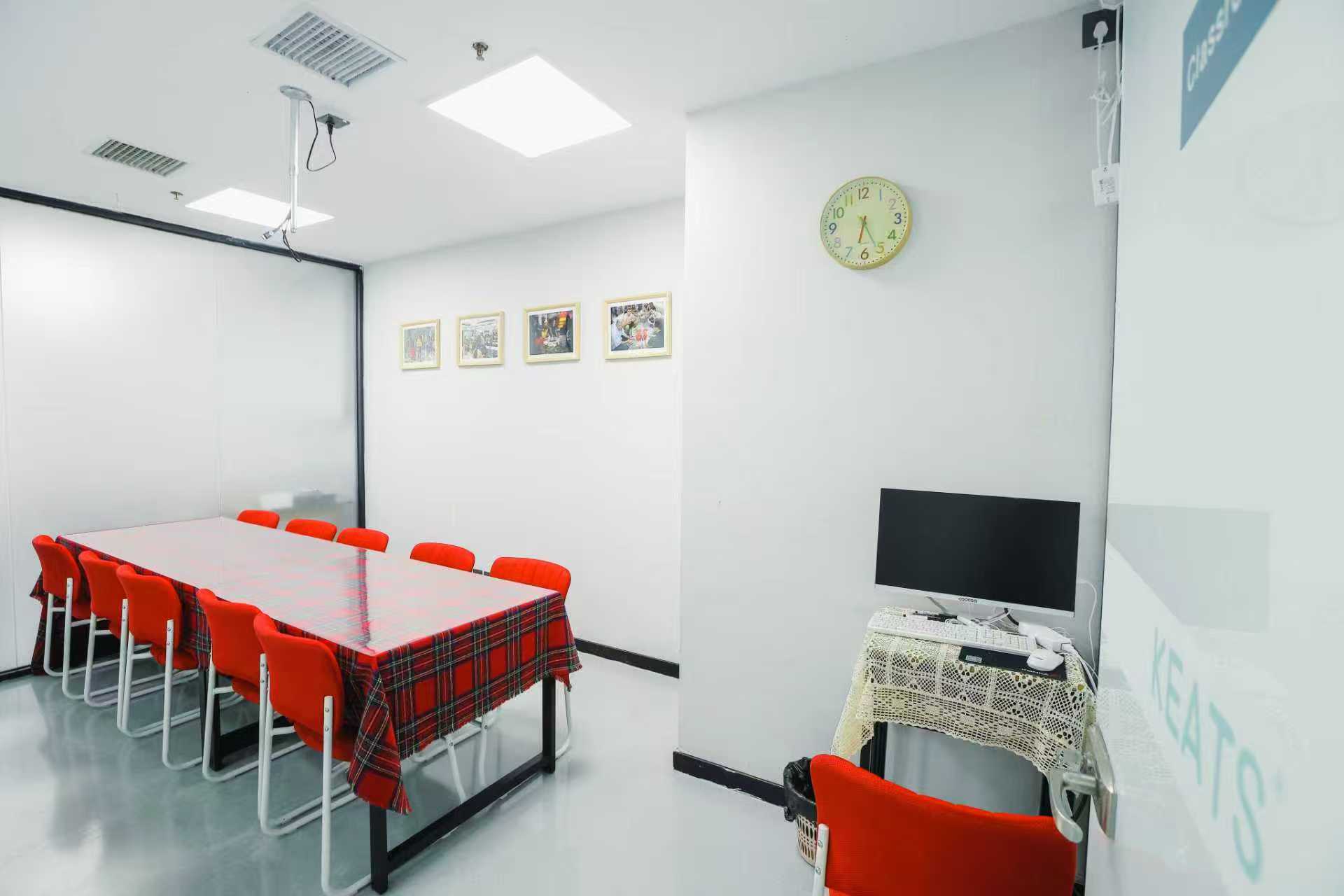
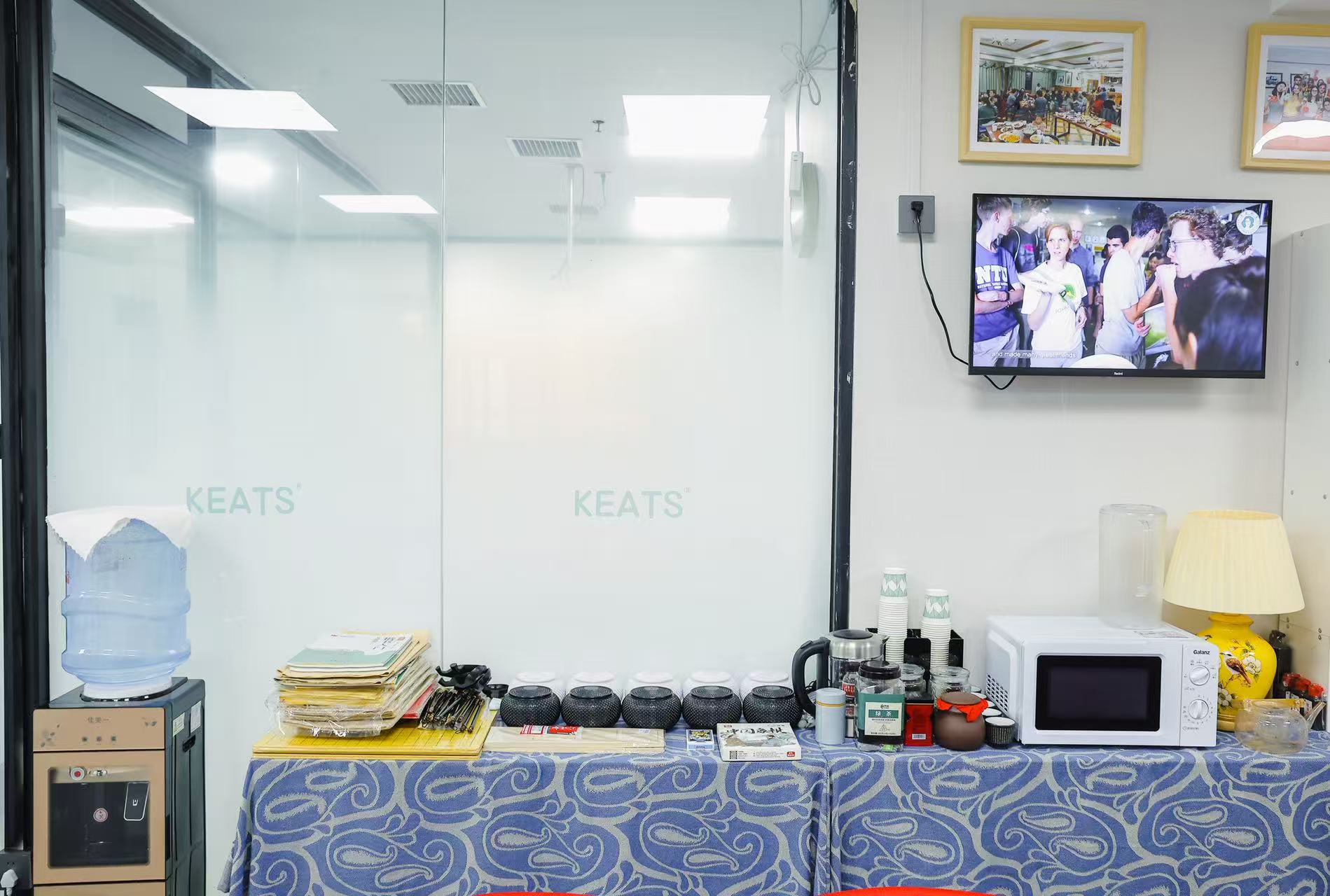
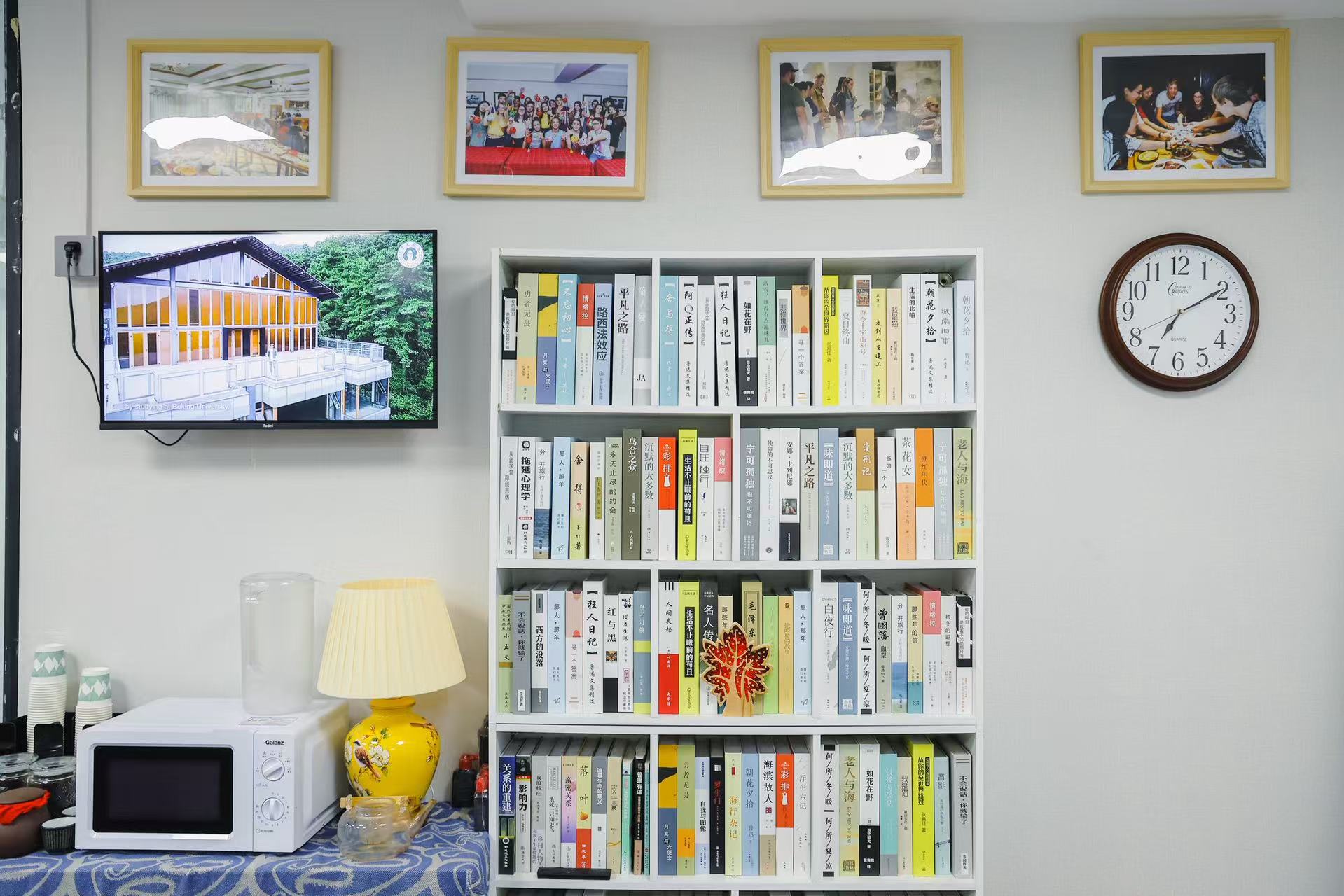
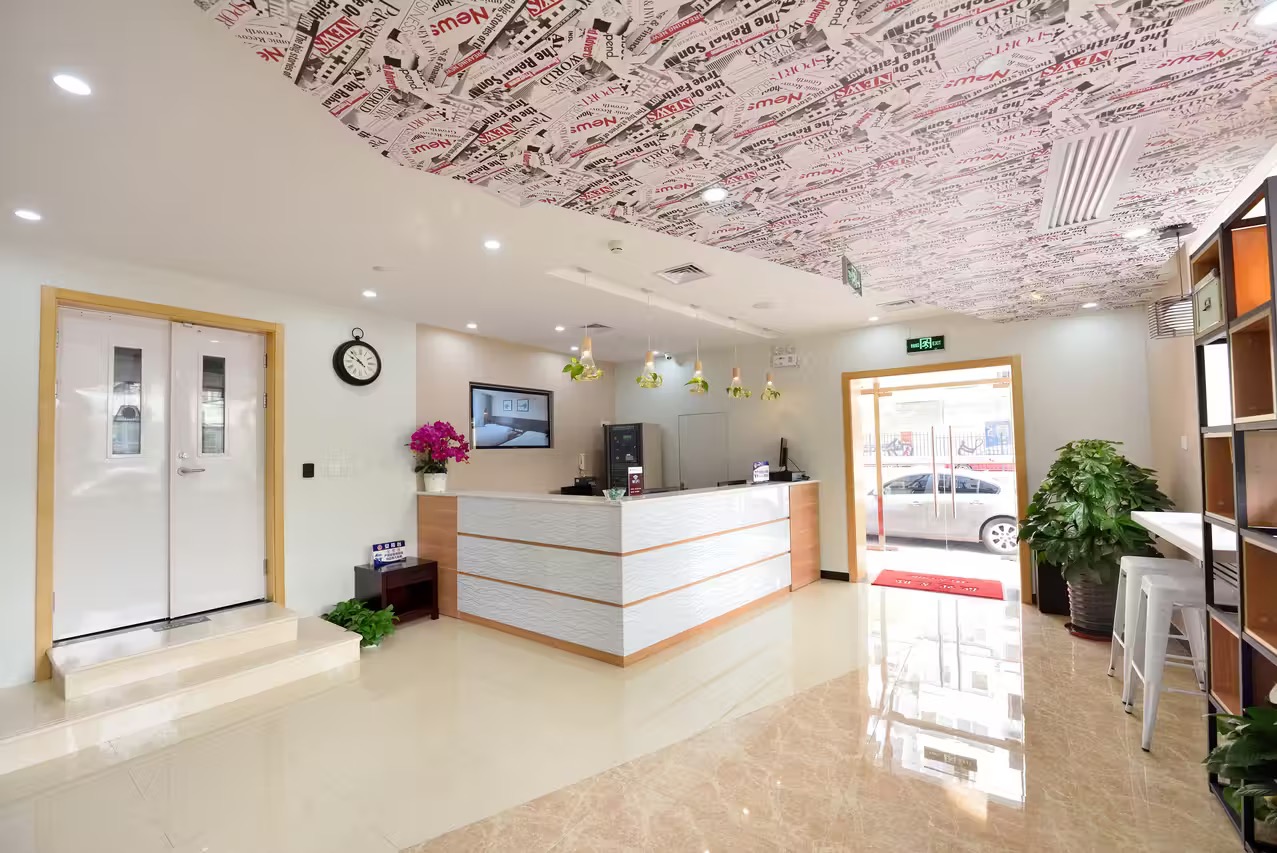
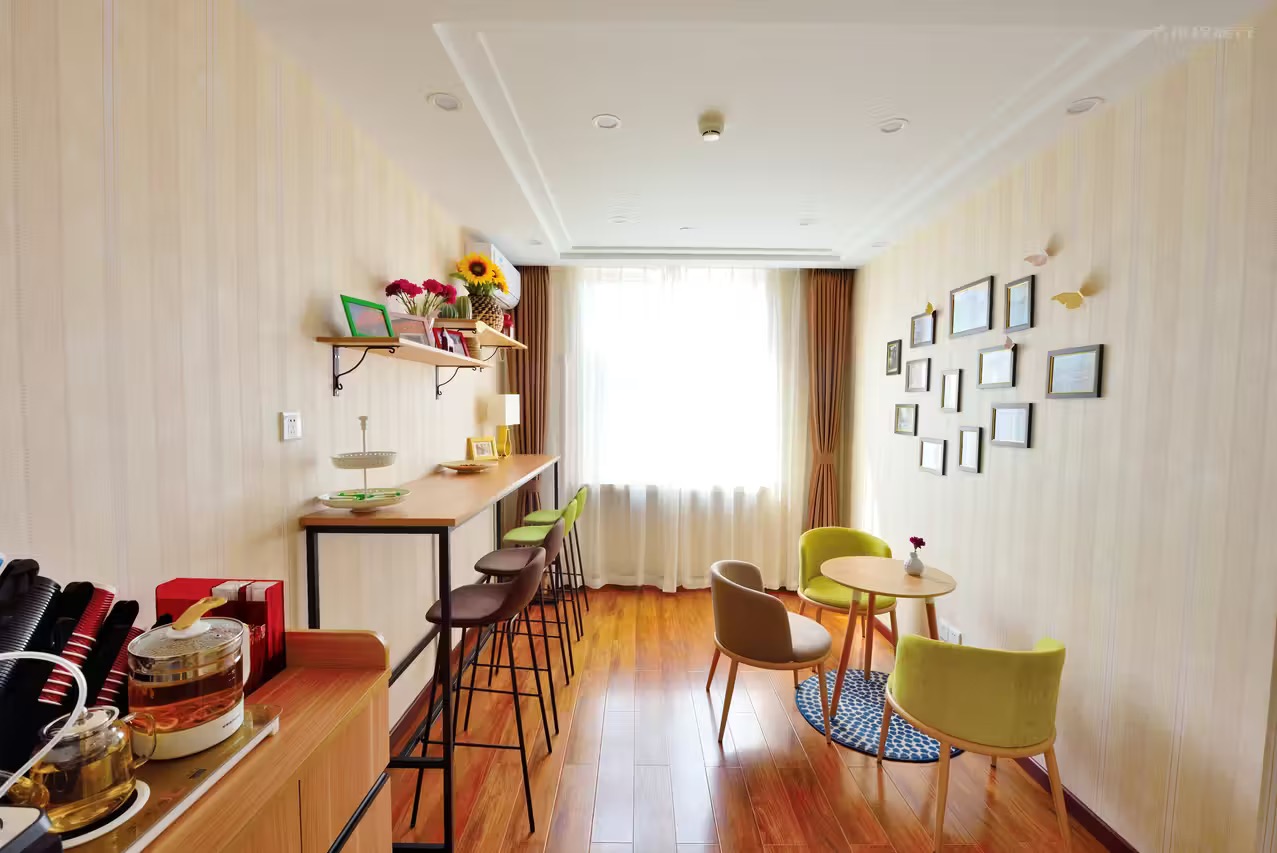
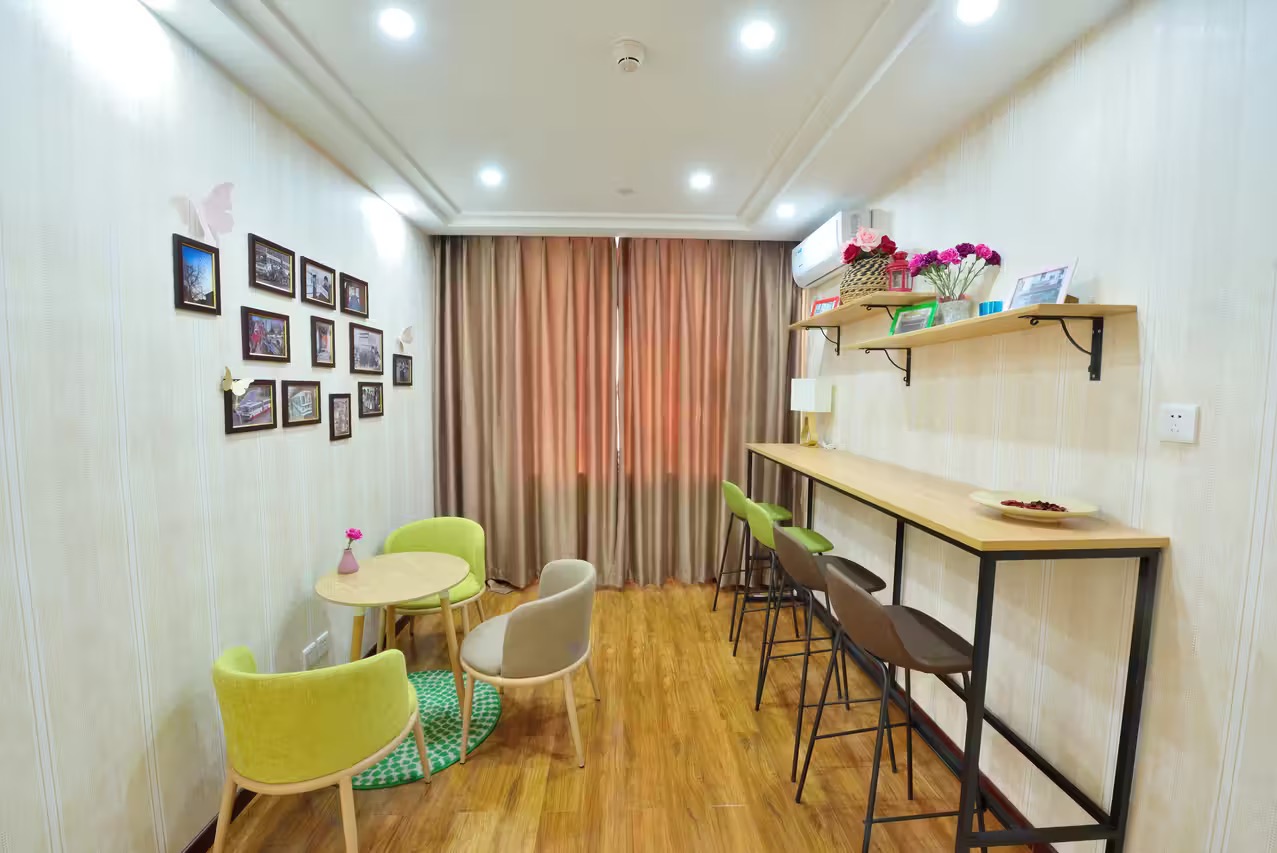
Beijing Campus and Accommodation in Beijing
Private Room with Private Bathroom



Why Learn Chinese in Beijing?
Learning Chinese in Beijing immerses you in a rich cultural environment that enhances language acquisition. The city’s historical landmarks, traditional festivals, and local customs provide context to the language, making learning more meaningful. Daily interactions with native speakers in markets, restaurants, and cultural events create a dynamic language environment, fostering fluency and confidence. Engaging with locals allows for practical application of language skills, while cultural experiences deepen your understanding of Chinese society. This unique blend of language and culture in Beijing makes it an ideal setting for mastering Mandarin.


Sightseeing After Class with Your Teacher
- The best thing about studying in Beijing is that your teacher will accompany you to do sightseeing every day after class, to create a pure Chinese language environment for you. Your teacher will practice Chinese with you in real-life situations. Studying Chinese in Beijing not only focuses on the Chinese language but also offers a chance to explore the city with your teacher.
- Note: The entrance ticket and transportation fee (if there is any) for sightseeing after class are not included in the tuition fee.
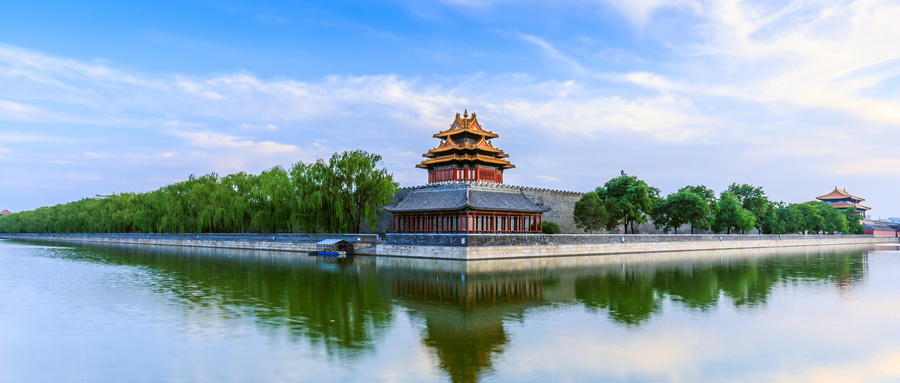
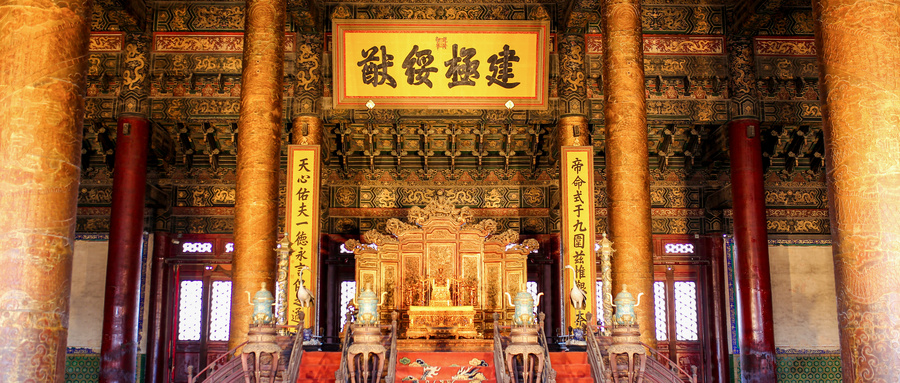
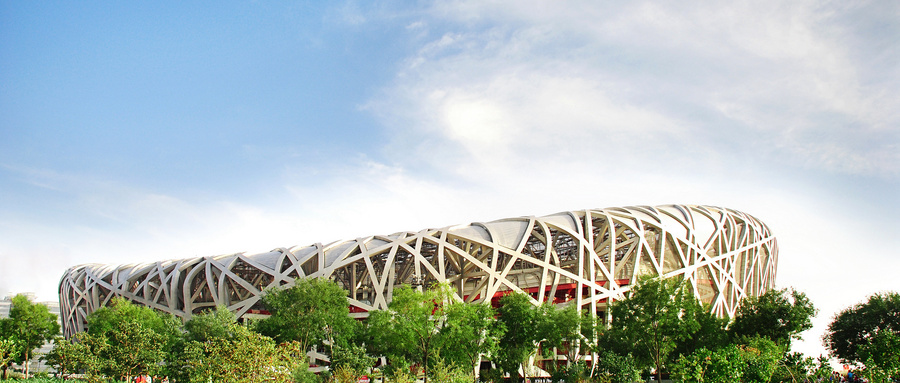
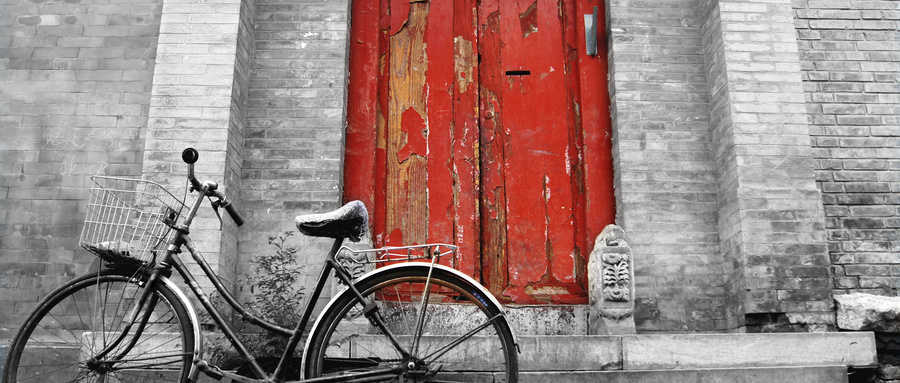
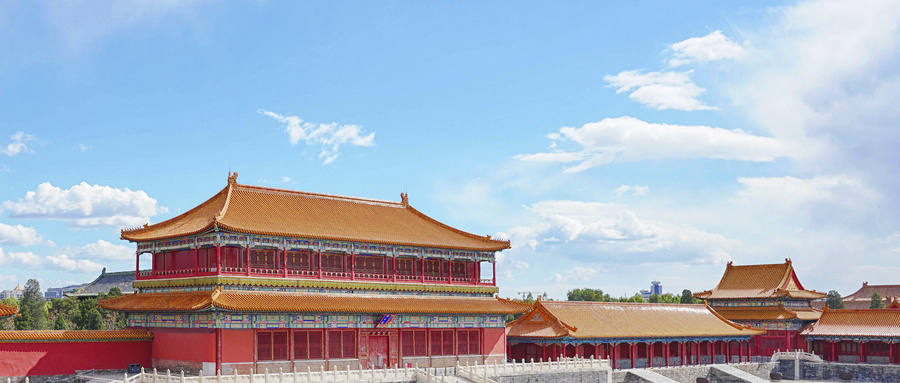
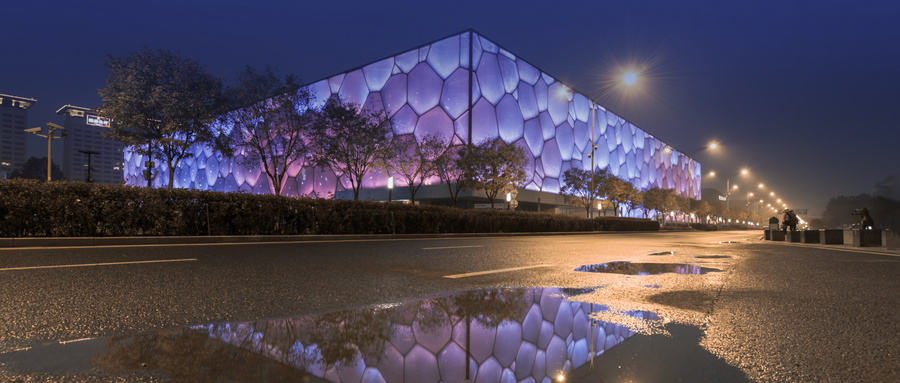
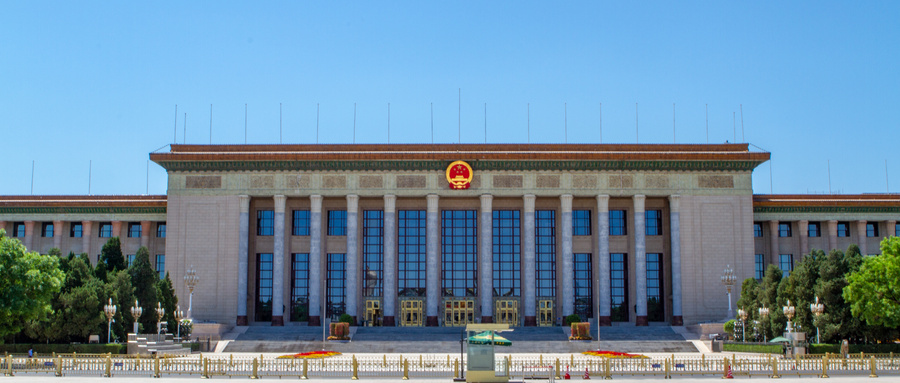
Beautiful Scenery in Beijing
Discover the vibrant blend of ancient history and modern innovation in Beijing, where every corner tells a story and every experience is unforgettable!








Learn Chinese in Beijing
Practical Manual for New Students in Beijing

Places to Visit in Beijing - The Great Wall of China
The Great Wall of China is an iconic symbol of Chinese history and ingenuity, stretching over 13,000 miles across northern China. Originally built to protect against invasions, this ancient marvel offers breathtaking views of the surrounding landscapes. Popular sections like Badaling and Mutianyu are easily accessible and provide well-preserved pathways for hiking. You can explore watchtowers, learn about the wall’s history, and enjoy the stunning scenery. Whether you hike a short distance or tackle a longer trek, standing atop this monumental structure is a once-in-a-lifetime experience that connects you to China’s rich heritage.

Places to Visit in Beijing - Forbidden City
The Forbidden City, located in the heart of Beijing, served as the imperial palace for 24 emperors during the Ming and Qing dynasties. This UNESCO World Heritage site is a sprawling complex of over 980 buildings, showcasing traditional Chinese architecture with its striking red walls and golden roofs. Visitors can explore the vast courtyards, halls, and gardens, each rich with history and cultural significance. The Forbidden City offers a glimpse into the opulent lives of emperors and the intricate rituals of imperial China, making it a must-see for history enthusiasts.

Places to Visit in Beijing - Temple of Heaven
The Temple of Heaven is a stunning religious complex in Beijing, where emperors once prayed for good harvests. Built in the early 15th century, it features exquisite architecture, including the iconic Hall of Prayer for Good Harvests, which is a circular structure with a blue-tiled roof. The surrounding park is a popular spot for locals practicing tai chi and other exercises. You can stroll through the beautifully landscaped gardens, experiencing the serene atmosphere that has attracted worshippers for centuries. The Temple of Heaven is a testament to China’s spiritual heritage and architectural brilliance.

Places to Visit in Beijing - Summer Palace
The Summer Palace, known as Yiheyuan, is a vast imperial garden that served as a retreat for the Qing dynasty’s royal family. Covering over 700 acres, it features beautiful lakes, lush gardens, and stunning palaces, including the iconic Longevity Hill and Kunming Lake. The palace complex is a masterpiece of Chinese landscape design, harmonizing natural beauty with man-made structures. You can enjoy boat rides on the lake, explore the intricately decorated halls, and take in panoramic views from the hilltop. The Summer Palace is a perfect blend of nature and history, offering a peaceful escape from the city’s hustle.

Places to Visit in Beijing - Beihai Park
Beihai Park is one of the oldest and most well-preserved imperial gardens in China, dating back to the 12th century. Covering over 69 hectares, it features a large lake, beautiful pavilions, and the iconic White Dagoba. The park is a serene escape from the bustling city, offering picturesque walking paths and opportunities for boating. You can explore the ancient temples and enjoy traditional Chinese landscaping, making it a perfect spot for relaxation and cultural immersion. Beihai Park is a testament to the beauty of Chinese garden design and a cherished recreational area for locals.

Places to Visit in Beijing - Lama Temple
The Lama Temple, or Yonghe Temple, is the largest Tibetan Buddhist temple outside Tibet, renowned for its stunning architecture and rich cultural heritage. Built in 1694, it features intricate carvings, vibrant murals, and a massive statue of Maitreya Buddha carved from a single sandalwood tree. The temple complex is a peaceful sanctuary where you can witness monks in prayer and explore the various halls dedicated to different deities. The Lama Temple offers a unique insight into Tibetan Buddhism and is a must-visit for those interested in spirituality and culture.

Places to Visit in Beijing - Hutongs of Beijing
Beijing’s hutongs are narrow alleys lined with traditional courtyard residences, offering a glimpse into the city’s rich history and local culture. These ancient neighborhoods are characterized by their unique architecture and vibrant community life. You can explore the maze-like streets, discovering local shops, tea houses, and eateries. A rickshaw tour through the hutongs provides an authentic experience, showcasing the daily lives of residents and the preservation of traditional customs. The hutongs are a living testament to Beijing’s heritage, making them a fascinating area to explore.

Places to Visit in Beijing - National Museum of China
The National Museum of China, located on the eastern side of Tiananmen Square, is one of the largest museums in the world. It houses a vast collection of over 1.4 million artifacts, showcasing China’s rich history and cultural heritage from ancient times to the present. The museum features exhibitions on various topics, including art, history, and archaeology, making it a treasure trove for history buffs. You can explore the impressive architecture of the museum itself while delving into the stories behind China’s past. It’s a must-visit for anyone interested in understanding the depth of Chinese civilization.
FAQ
What does the tuition fee include?
The tuition fee includes:
- 4/6 hours of one-on-one Chinese lessons per day Monday to Friday
- Accommodation (A clean and safe single/double room with private bathroom)
- Program Certificate
We also offer a list of free services for studying in Beijing:
- Lunch Monday to Friday
- Airport/train station pick-up and drop-off
- Internet access use without limit
- Saturday excursions
- Laundry
- A tour of the surroundings (bank, supermarket, post office etc.)
- Medicine for minor illnesses
- Advisors available to offer help
- 24/7 support
- Access to The Chairman’s Bao online learning platform
- Visa application assistance
- Room cleaning every day
Where to eat in Beijing?
Keats offers free lunch Monday to Friday at the canteen downstairs of the school.
The Keats campus in Beijing is centrally located on the East Second Ring Road in the First Embassy Area of Beijing. It is close to the Jianguomen subway station. Right behind Keats is a food street that offers many food options.
I see that the programs in Beijing include accommodation. How much would it cost if I find my own accommodation?
It is also no problem to only take the one-on-one lessons in Beijing. The tuition fee without accommodation is USD 880/week for 20 hours of one-on-one lessons, and USD 1320/week for 30 hours of one-on-one lessons.
LEARN CHINESE IN CHINA WITH KEATS
Nathan's Story at Keats
Pass the HSK 6 in 6 Months
OVER 10000+ STUDENTS
HAVE STUDIED AT KEATS
Kunming is a great place to learn Chinese in China because not many Chinese on the street speak English. Keats has been a great school for me and a lot of other foreigners who studied in China recommended it to me. I think they are all right. The study method here is really structured. They make learning Chinese really easy. There are also a lot of cultural and natural places to visit.
This is my second time coming. Last year, I also came for about 12 weeks. This time I came for 13 weeks of a summer program in China. The reason why I particularly want to come to this school was because of the one-on-one classes. I was able to increase my level and learn Chinese more quickly than in group classes. If I have a chance again to come next year, I certainly will.
I’ve been at Keats school and Kunming now for one month doing the one-on-one Chinese lessons with two different teachers. I really enjoy it. Both of my teachers are very friendly and patient. They really helped me to improve my Chinese, both of my reading and speaking. I really enjoy studying Chinese in Kunming as well. This city is really beautiful and the weather is nice, the air is clean. It’s one of the best cities in China to study Chinese.
I am a graduate student working on my doctorate degree at Columbia University. We were able to really focus on speaking especially interview-style speaking and we are able to really up my Chinese reading and writing skills, so when I go back to Columbia, I can take formal Chinese classes. It has been a really good experience and I really love my teacher.
I really enjoy studying Chinese in Kunming at Keats. The teachers are great and my classmates are awesome. It is an unforgettable experience for me. I also got the chance to travel to other places in Yunnan. Those places are amazing and you definitely need to visit these places when you study Chinese in China at Keats.
In the one-to-one intensive Chinese course, you can choose the learning method you like. The small group Chinese class in China at Keats follows the HSK textbook. Teachers often collect feedback from the students, teachers listen to our requirements and opinions. I felt that my oral level is better than before .
We use a lot of games to learn grammar and new words. We have really good teachers, really patient. She helps us a lot. Our class is really nice and we have people from all over the world, different countries. We often discuss topics in Chinese in our class. I live in the dorm of Keats. It is very convenient. I don’t have to spend time traveling. You can just focus on learning Chinese.
Last year I started studying Chinese at University. The reason that I came here is that currently, I’m preparing for the HSK 5 test. Also, I heard that this is one of the best schools to study Mandarin in China. After I came here I realized that Kunming is a pretty cool city to live in and with regards to the teachers’ teaching methods, I think they’re very professional. And I think the language environment is good so now I’m ready to take the HSK 5.